







Chemical products
  • Sodium Dithionite (Sodium Hydrosulfite) CAS 7775-14-6
  • Sodium Dithionite (Sodium Hydrosulfite) CAS 7775-14-6

Sodium Dithionite (Sodium Hydrosulfite) CAS 7775-14-6

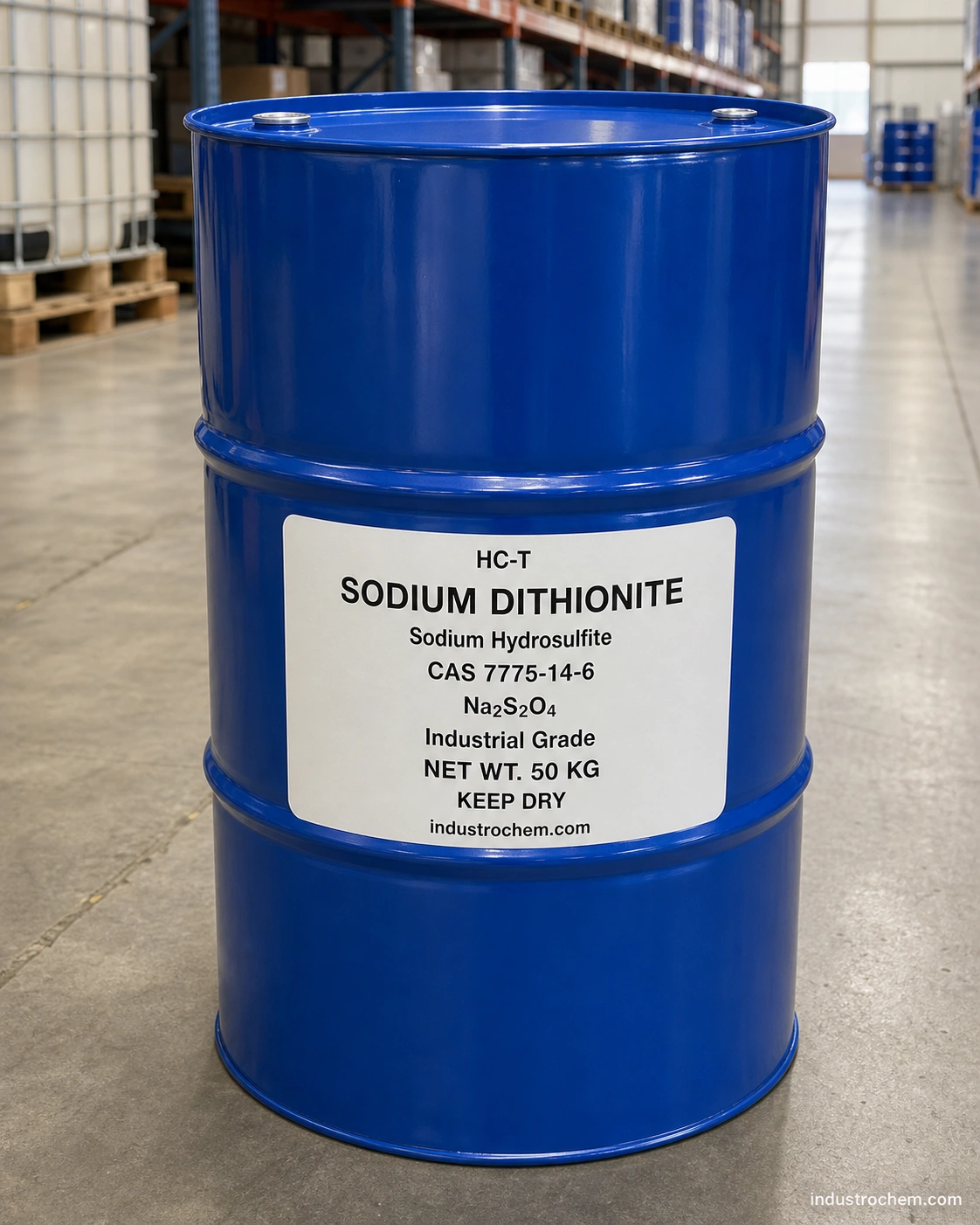
Sodium Dithionite, also called sodium hydrosulfite, CAS 7775-14-6, is an industrial reducing agent supplied as a white to light yellow crystalline powder for textile, pulp, mineral processing and reduction applications. Confirm the required grade, then request a quotation with COA/TDS/SDS for bulk supply.

  • CAS: 7775-14-6
  • Synonyms: Sodium Hydrosulfite; Sodium Hydrosulphite; Sodium Dithionite
  • Einecs: 231-890-0
  • Molecular Formula: Na2S2O4
  • Grade: Industrial grade
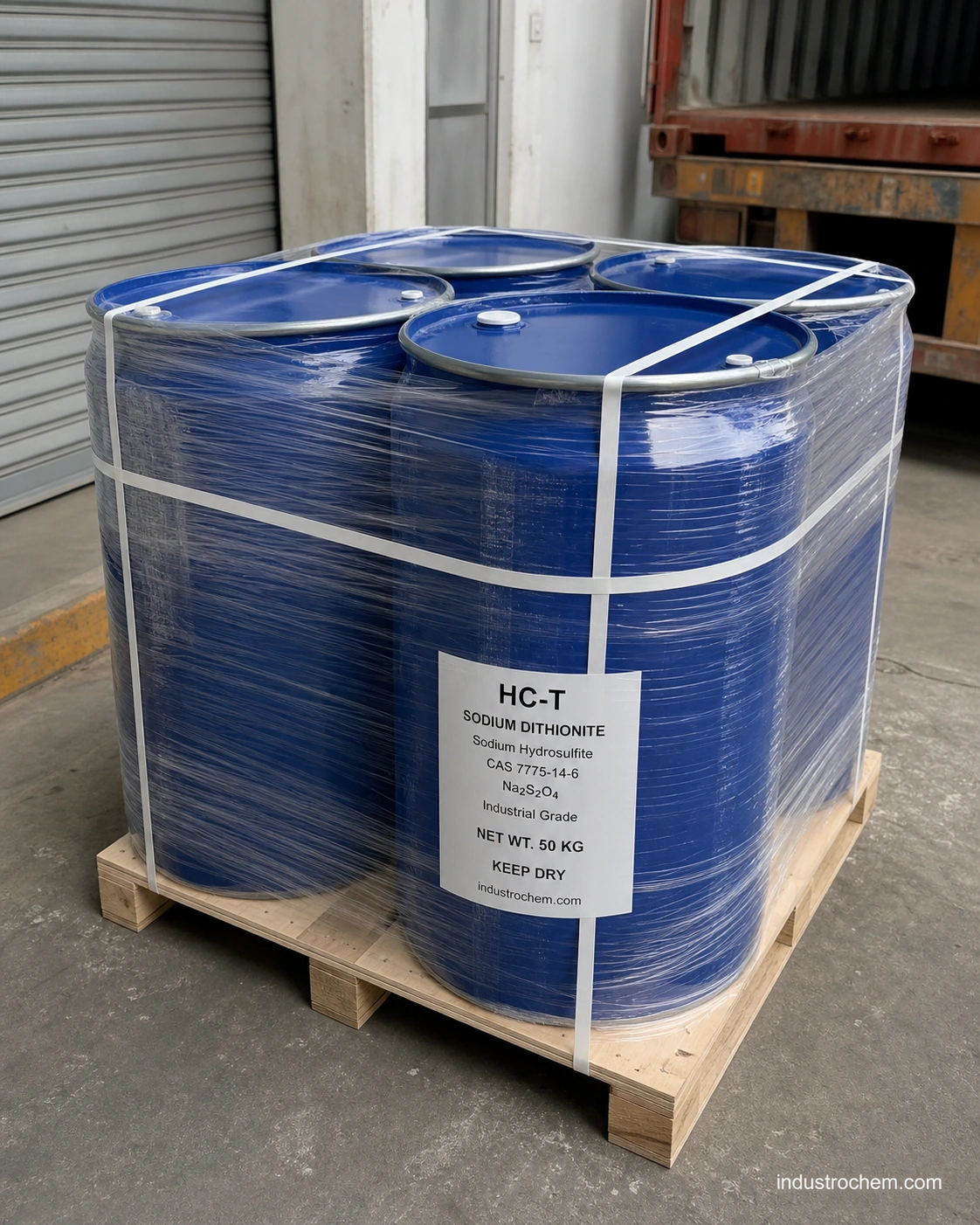
  • Package: 50 kg sealed steel drums with moisture-resistant PE liner
Request a quote
Share:

Product Description

Sodium Dithionite CAS 7775-14-6 is an inorganic reducing agent, with EC 231-890-0 and molecular formula Na2S2O4.

Synonyms: Sodium Hydrosulfite; Sodium Hydrosulphite; Sodium Dithionite.

CAS: 7775-14-6.

Molecular formula: Na2S2O4.

It has a molecular weight of about 174.11 g/mol.

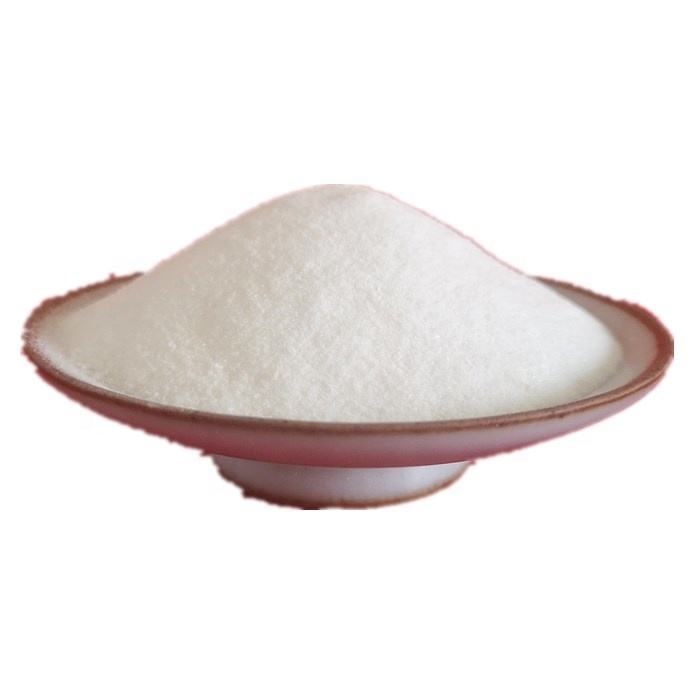
It is supplied as a white to light yellow crystalline powder.

It is positioned as an industrial reducing agent for textile dyeing, pulp and paper bleaching, mineral processing and reduction clearing.

It is used in textile vat dyeing to reduce insoluble vat dyes to their water-soluble leuco form.

It is used as a reductive bleaching or decolourising agent in pulp and paper processing.

It is used in mineral processing and reduction clearing.

It is highly soluble in water, with common solubility around 250 g/L at 20 C.

Moisture, heat, or acidic conditions accelerate decomposition and can release sulfur dioxide.

Confirm active content or reducing power, iron, water-insoluble matter, solution pH, stabiliser system, and test method.

Store cool and dry in tightly sealed, moisture-resistant packaging away from acids, oxidisers, and heat.

Use suitable PPE when handling the powder to prevent dust exposure and skin or eye contact, and follow dangerous goods handling procedures.

Confirm packaging suitable for the solid form and order quantity, and follow the current SDS.

Confirm grade, packaging, and specification as required.

The page is an RFQ entry point and does not state stock, price, MOQ, or fixed lead time.

For an RFQ, state the intended application, required grade, quantity, packaging, destination, and document needs.

FAQ - Technical & Supply Chain

  • Q:

    What is Sodium Dithionite CAS 7775-14-6?

    A: Sodium Dithionite, also called Sodium Hydrosulfite or Sodium Hydrosulphite, is an inorganic reducing agent with CAS 7775-14-6, EINECS 231-890-0 and the molecular formula Na2S2O4. Its molecular weight is about 174.11 g/mol, and it is supplied as a white to light yellow crystalline powder.
  • Q:

    Why is Sodium Dithionite used in textile vat dyeing?

    A: In alkaline dye baths, Sodium Dithionite reduces insoluble vat dyes to their water-soluble leuco form so they can penetrate the fibre. After the dye is taken up, oxidation restores the insoluble pigment form and develops the final colour.
  • Q:

    How does Sodium Dithionite work in pulp and paper bleaching?

    A: It acts as a reductive bleaching or decolourising agent, reducing coloured chromophores in pulp, paper, recycled fibre and selected mechanical pulp processes. The effective dosage depends on fibre type, brightness target and process temperature.
  • Q:

    Which specifications should industrial buyers confirm for Sodium Dithionite?

    A: Confirm active content or reducing power, iron, water-insoluble matter, solution pH, stabiliser system and the test method. CAS 7775-14-6 identifies the chemical, but the grade specification must be matched to the intended textile, pulp or process application.
  • Q:

    What are the key physical properties and stability limits of Sodium Dithionite?

    A: It is highly soluble in water, with a common solubility around 250 g/L at 20 deg C, while being essentially insoluble in alcohol. The dry solid is stable when kept cool, but moisture, heat or acidic conditions accelerate decomposition and can release sulfur dioxide.
  • Q:

    How should Sodium Dithionite CAS 7775-14-6 be stored and transported?

    A: Store it cool and dry in tightly sealed, moisture-resistant packaging away from acids, oxidisers and heat. It is shipped under UN 1384 as a Class 4.2 dangerous good, and its autoignition temperature is about 250 deg C, so heat and moisture control are critical.

Ordering & Documentation

Key information for document requests, quotations, and supply planning.

Documents

COA, TDS, SDS/MSDS and packing details are available on request.

Quotation

Send the CAS number, grade, quantity, packing preference and destination.

Sample & Supply

Support is available for samples, trial orders, bulk and repeat supply.

Storage & Shipping

Product-specific conditions are confirmed before order.

Contact Form

Use our contact form to send us your questions, suggestions or comments. We will respond as soon as possible.
For a quotation, please include the product name or CAS number, quantity, grade or application, and destination country or port. Tell us if you need a sample, COA, TDS or SDS.