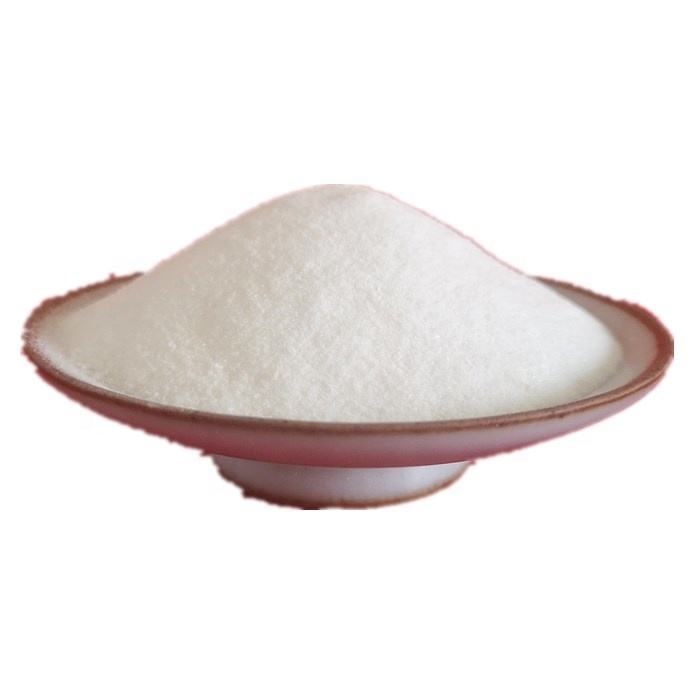










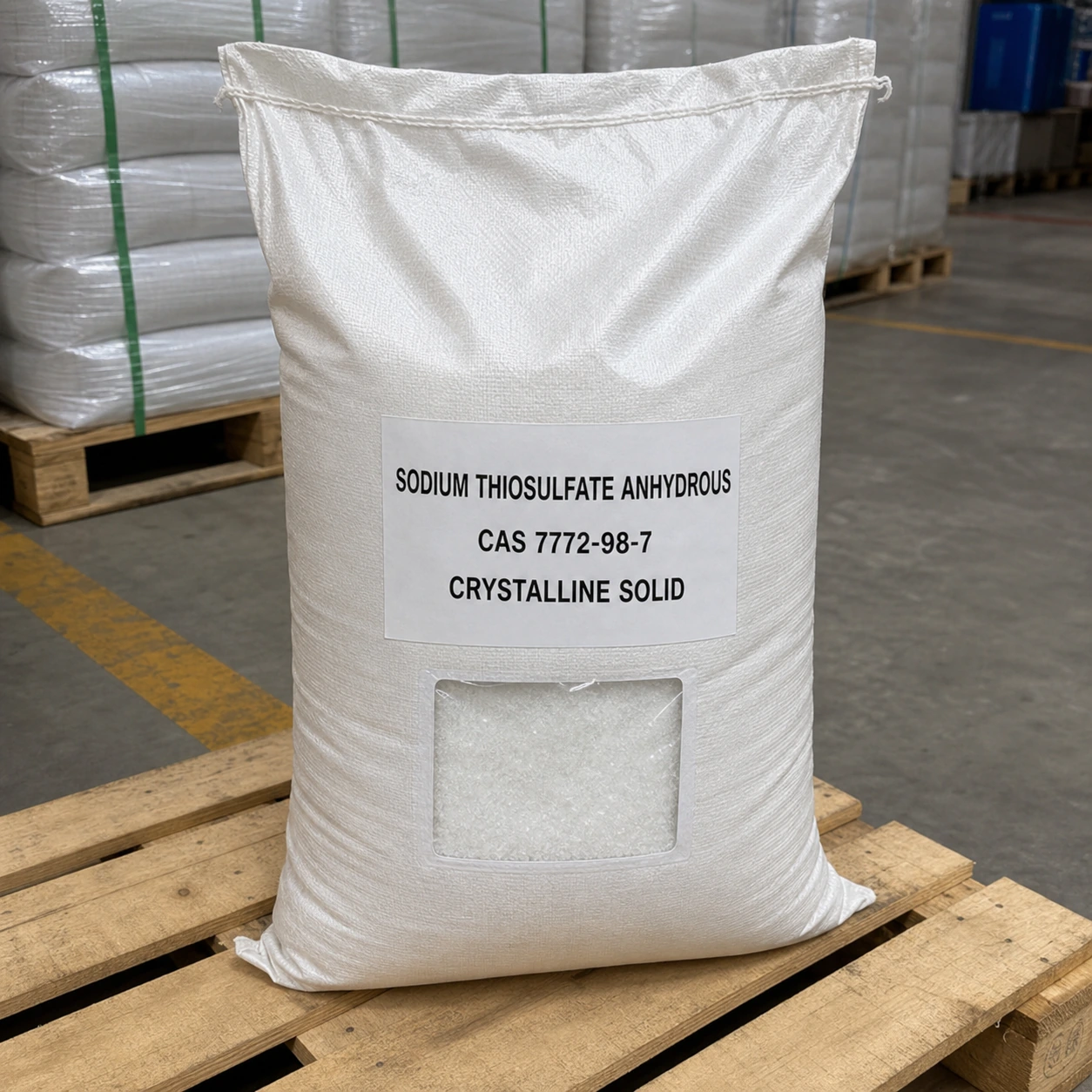
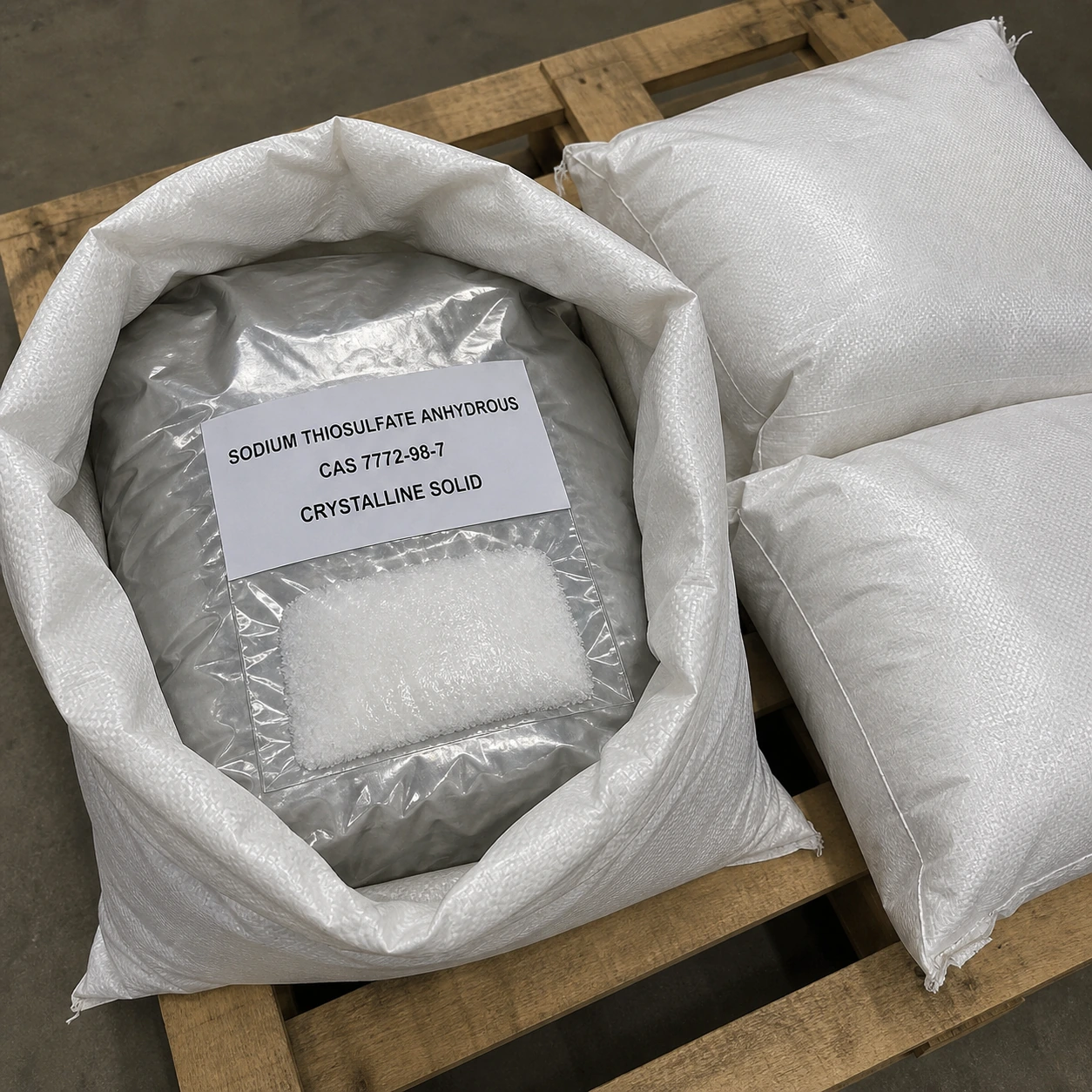
Sodium Thiosulfate is an inorganic sulfur-containing salt classified as an industrial chemical, widely used in controlled chemical and process applications that require thiosulfate functionality. Characterized by the thiosulfate anion (S₂O₃²⁻) and high water solubility (CAS 7772-98-7), it is commonly applied in chemical processing, analytical chemistry, water treatment systems, and photographic processing, depending on grade and specification. Industrial supply typically includes customized grades, standardized documentation such as MSDS, TDS, COA, and compliant bulk availability for regulated industrial use.
Sodium Thiosulfate CAS 7772-98-7
- CAS: 7772-98-7
- Synonyms: Sodium thiosulfate, Sodium hyposulfite, Na2S2O3, Thiosulfuric acid sodium salt
- Einecs: 231-867-5
- Molecular Formula: Na₂S₂O₃
- Grade: Industrial grade 99%
- Package: 200kg iron drum or 50kg plastic drum packaging
Product Description
Physicochemical properties
| Property | Description |
|---|---|
| CAS Number | CAS 7772-98-7 |
| Molecular Formula | O₃S₂²⁻ |
| Molecular Weight | 112.13 g/mol |
| IUPAC Name | Thiosulfate ion |
| Other Names | Thiosulphate ion, Sulfurothioate ion, Dioxido-oxo-sulfanylidene-λ⁶-sulfane |
| Chemical Structure | Composed of two sulfur atoms and three oxygen atoms, with one sulfur atom bonded to three oxygen atoms (similar to sulfate) and the other sulfur atom bonded to the central sulfur atom via a single bond (S-S). |
| Appearance | Typically exists as part of a salt (e.g., sodium thiosulfate), which is a white crystalline or granular solid. |
| Solubility | Highly soluble in water; insoluble in alcohol. |
| Stability | Stable under alkaline conditions; decomposes in acidic conditions to produce sulfur and sulfur dioxide. |
| Redox Properties | Acts as a reducing agent, capable of being oxidized to sulfate ions (SO₄²⁻) by oxidizing agents such as iodine, chlorine, and hydrogen peroxide. |
| Coordination Chemistry | The sulfur atoms in the thiosulfate ion can act as ligands, forming stable complexes with metal ions (e.g., silver, copper). |
Application Areas
Analytical Chemistry: Used as a reducing agent, coordinating agent, and masking agent for quantitative analysis (such as iodometric determination of metal ions such as copper and silver).
Photography industry: used as a fixative to remove unexposed silver salts from film.
In the pharmaceutical field, it is used to treat cyanide poisoning (as an antidote) and skin itching.
Other applications: Used as a dechlorination agent in tanning leather, papermaking industry, etc.
Storage conditions
Environmental requirements: Store in a dry, cool, and well ventilated place, avoiding moisture absorption or reaction with air
Temperature control: The ideal storage temperature is 15-25 ℃ to avoid the decomposition of harmful gases such as sulfur dioxide caused by high temperatures
Container selection: Use sealed glass or plastic containers to ensure sealing and prevent moisture and oxygen from entering
Isolation storage: separate from strong oxidants and acidic substances to prevent chemical reactions
Safety precautions
Personal protection: Wear protective gloves, goggles, and dust masks during operation to avoid skin contact or inhalation of dust
Leakage treatment: Use sand to adsorb the leaked material and avoid direct discharge into the sewer or environment
Waste disposal: Dispose of according to hazardous waste regulations and contact professional organizations for recycling
FAQ - Technical & Supply Chain
-
Q:
Is Sodium Thiosulfate with CAS 7772-98-7 the same substance across different hydrate forms?
A: Yes. CAS 7772-98-7 refers to the anhydrous form; hydrated forms share the same core chemical identity but may be listed separately depending on specification. -
Q:
Is Sodium Thiosulfate mainly intended for industrial and process use?
A: It is primarily supplied for industrial, analytical, and process-oriented applications under controlled conditions rather than for direct consumer use.
Documents and Product Support
For product review and sourcing evaluation, supporting documents can be coordinated according to the product type, inquiry stage, and order requirements.
- COA for batch-based quality reference
- TDS for key physical and chemical information
- SDS / MSDS for handling, storage, and safety reference
- Packing information for sample, trial, and bulk orders
- Technical communication based on application and specification requirements
Information to Confirm Before Quotation
Clear sourcing information helps reduce specification mismatch and allows a more accurate quotation before sample or bulk order discussion.
- Product name and CAS number
- Application or intended end use
- Required purity, grade, or specification
- Sample quantity, trial order, or bulk demand
- Preferred packing form or net weight
- Destination country or port
- Required documents or compliance expectations
Packaging, Storage, and Handling Notes
Packaging form, storage conditions, shelf life, and shipment arrangements should be confirmed according to the product characteristics, package size, and destination requirements.
Before order confirmation, buyers are advised to review the corresponding product documents and confirm whether any special storage, labeling, or handling requirements apply.
Sample, Bulk Order and Repeat Supply Support
Support can be arranged for sample discussion, bulk supply planning, packaging confirmation, and routine sourcing communication based on the actual product and order requirements.
For repeat-use formulations or long-term procurement plans, buyers may discuss specification consistency, packaging preferences, delivery expectations, and document coordination in advance.