









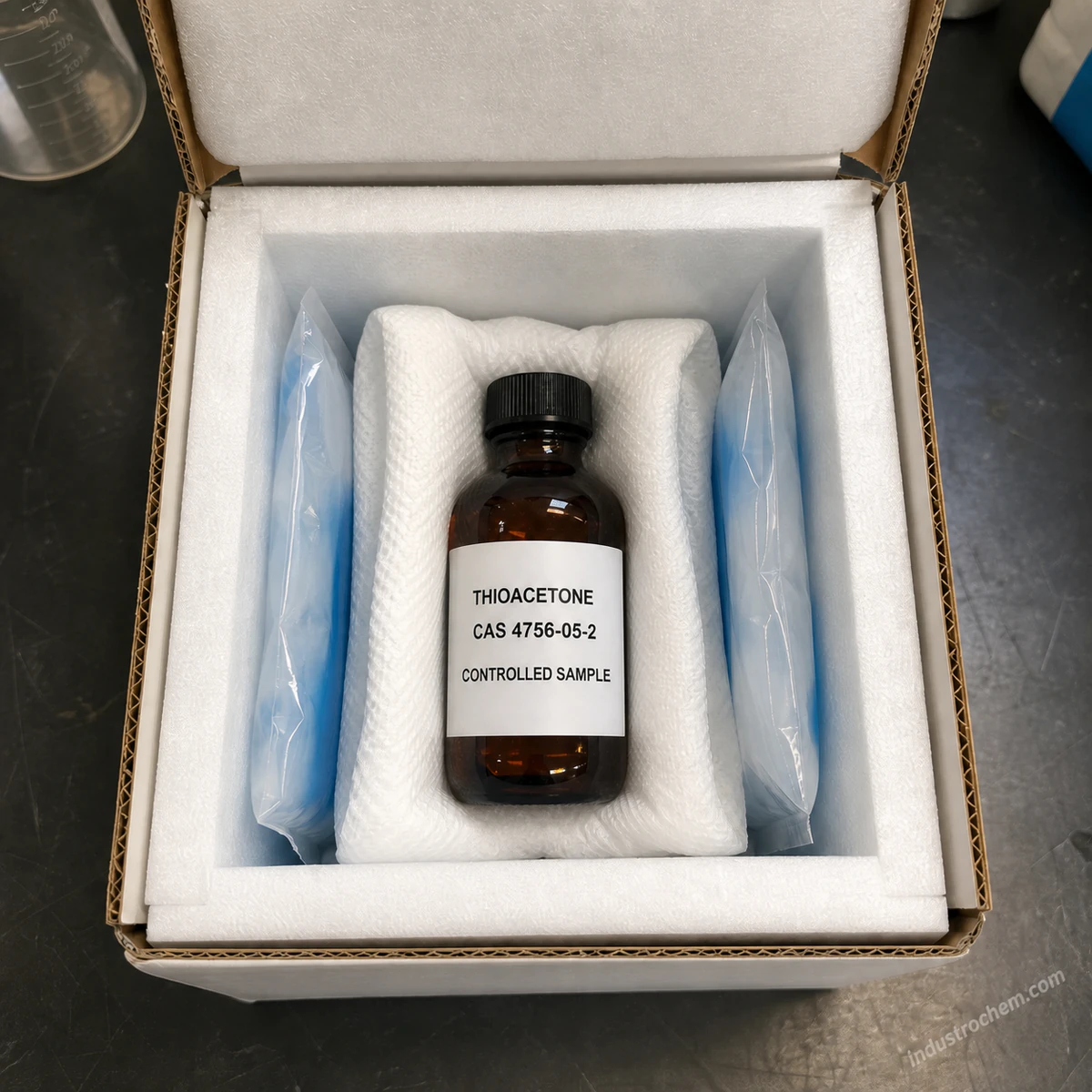
• Thioacetone CAS 4756-05-2

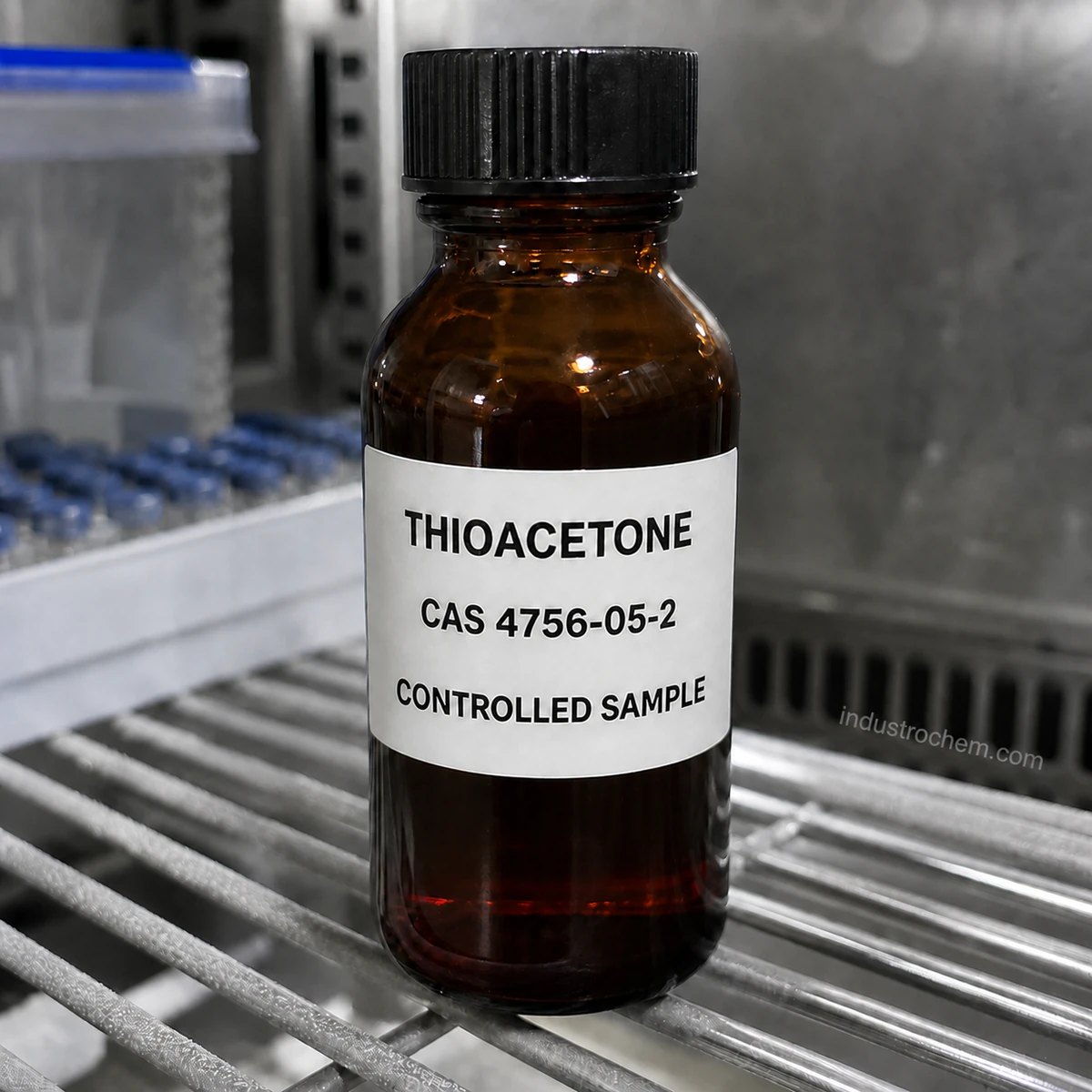
Thioacetone CAS 4756-05-2

Thioacetone is a low-molecular-weight thioketone classified as an organic synthesis intermediate, used in controlled chemical processes involving sulfur-containing carbonyl analogs. Also known as propanethione, it features a reactive C=S functional group that participates in nucleophilic addition, cyclization, and derivatization reactions relevant to specialty organic synthesis (CAS 4756-05-2). Industrial availability includes competitive factory pricing, support for customized specifications, and complete documentation such as MSDS, TDS, COA, enabling reliable bulk supply for standardized industrial use.

  • CAS: 4756-05-2
  • Synonyms: Thioacetone, Propanethione, 2-Propanethione, Dimethyl thioketone
  • Molecular Formula: C₃H₆S
  • Grade: Industrial grade 99%
  • Package: 200kg iron drum or 50kg plastic drum packaging
Request a quote
Share:

Product Description

Physicochemical properties

PropertyDescription
NameThioacetone
CAS Number4756-05-2
Molecular FormulaC₃H₆S
Molecular Weight74.14 g/mol
AppearanceColorless liquid
OdorExtremely foul; considered one of the worst-smelling chemicals known. It can cause nausea, vomiting, and unconsciousness in nearby individuals.
Boiling Point112.5–113.5 °C (at 757 Torr) / 68.1 °C (at 760 mmHg, predicted)
Density0.871 g/cm³ (at 18 °C) / 0.89 g/cm³ (predicted)
Vapor Pressure211.5 ± 0.1 mmHg (at 25 °C, predicted)
Refractive Index1.471 (predicted)
SolubilityNot specified in available sources (likely insoluble or sparingly soluble in water due to its non-polar nature)
Chemical StructureContains a thioketone functional group (C=S) with two methyl groups (–CH₃) attached to the carbonyl carbon.
StabilityProne to polymerization, especially at temperatures above −20 °C. It forms dimers and trimers under normal conditions.
ReactivityReacts with acids (e.g., concentrated HCl) to form intermediates like trithioacetone, which can decompose to release thioacetone.

Application Areas

Organic synthesis: As a nucleophilic reagent for Michael addition reactions, it is used to synthesize chiral 1,2-aminothiol derivatives, such as the preparation of antifungal drug Thioconazole. The Mitsunobu reaction with alcohols produces acetic acid thiol esters, which are commonly used reagents in acylation reactions.
Catalytic reaction: Participate in asymmetric catalytic reactions in the presence of sulfonylurea or thiourea catalysts to generate highly optically active thioester products

Storage conditions

It needs to be sealed and stored in a fume hood to avoid contact with oxidants and strong alkalis.
Storage containers should be dark, cool, and dry, similar to the general requirements for sulfur-containing compounds such as thioacetic acid

Safety precautions

– Hazardous: Extremely foul odor can cause severe physiological reactions.
– Handling: Use in a well-ventilated area with appropriate protective equipment (e.g., gas masks, gloves).
– Storage: Store at −20 °C or below to prevent polymerization. Seal tightly to avoid leaks.

FAQ - Technical & Supply Chain

  • Q:

    Do Thioacetone and Propanethione refer to the same substance?

    A: Yes. These names describe the same molecular structure and correspond to a single CAS registration, indicating identical substance identity.
  • Q:

    Is Thioacetone typically used as an industrial intermediate rather than for laboratory demonstration purposes?

    A: It is typically intended for use as an intermediate in organic synthesis involving sulfur-containing compounds, rather than as a general laboratory reagent.
Documents

Documents and Product Support

For product review and sourcing evaluation, supporting documents can be coordinated according to the product type, inquiry stage, and order requirements.

  • COA for batch-based quality reference
  • TDS for key physical and chemical information
  • SDS / MSDS for handling, storage, and safety reference
  • Packing information for sample, trial, and bulk orders
  • Technical communication based on application and specification requirements
Quotation

Information to Confirm Before Quotation

Clear sourcing information helps reduce specification mismatch and allows a more accurate quotation before sample or bulk order discussion.

  • Product name and CAS number
  • Application or intended end use
  • Required purity, grade, or specification
  • Sample quantity, trial order, or bulk demand
  • Preferred packing form or net weight
  • Destination country or port
  • Required documents or compliance expectations
Storage & Handling

Packaging, Storage, and Handling Notes

Packaging form, storage conditions, shelf life, and shipment arrangements should be confirmed according to the product characteristics, package size, and destination requirements.

Before order confirmation, buyers are advised to review the corresponding product documents and confirm whether any special storage, labeling, or handling requirements apply.

Supply Support

Sample, Bulk Order and Repeat Supply Support

Support can be arranged for sample discussion, bulk supply planning, packaging confirmation, and routine sourcing communication based on the actual product and order requirements.

For repeat-use formulations or long-term procurement plans, buyers may discuss specification consistency, packaging preferences, delivery expectations, and document coordination in advance.

Contact Form

Use our contact form to send us your questions, suggestions or comments. We will respond as soon as possible.