
Diisoamyl sulfide (CAS 544-02-5), also called diisopentyl sulfide, is a clear, colorless liquid thioether used for palladium extraction and organic synthesis. Assay and process-specific impurity limits help define the specification for each application.
Diisoamyl Sulfide CAS 544-02-5
- CAS: 544-02-5
- Synonyms: Diisoamyl sulfide; Diisopentyl sulfide; Bis(3-methylbutyl) sulfide
- Molecular Formula: C₁₀H₂₂S
- Grade: Defined by assay, appearance and process-specific impurity limits.
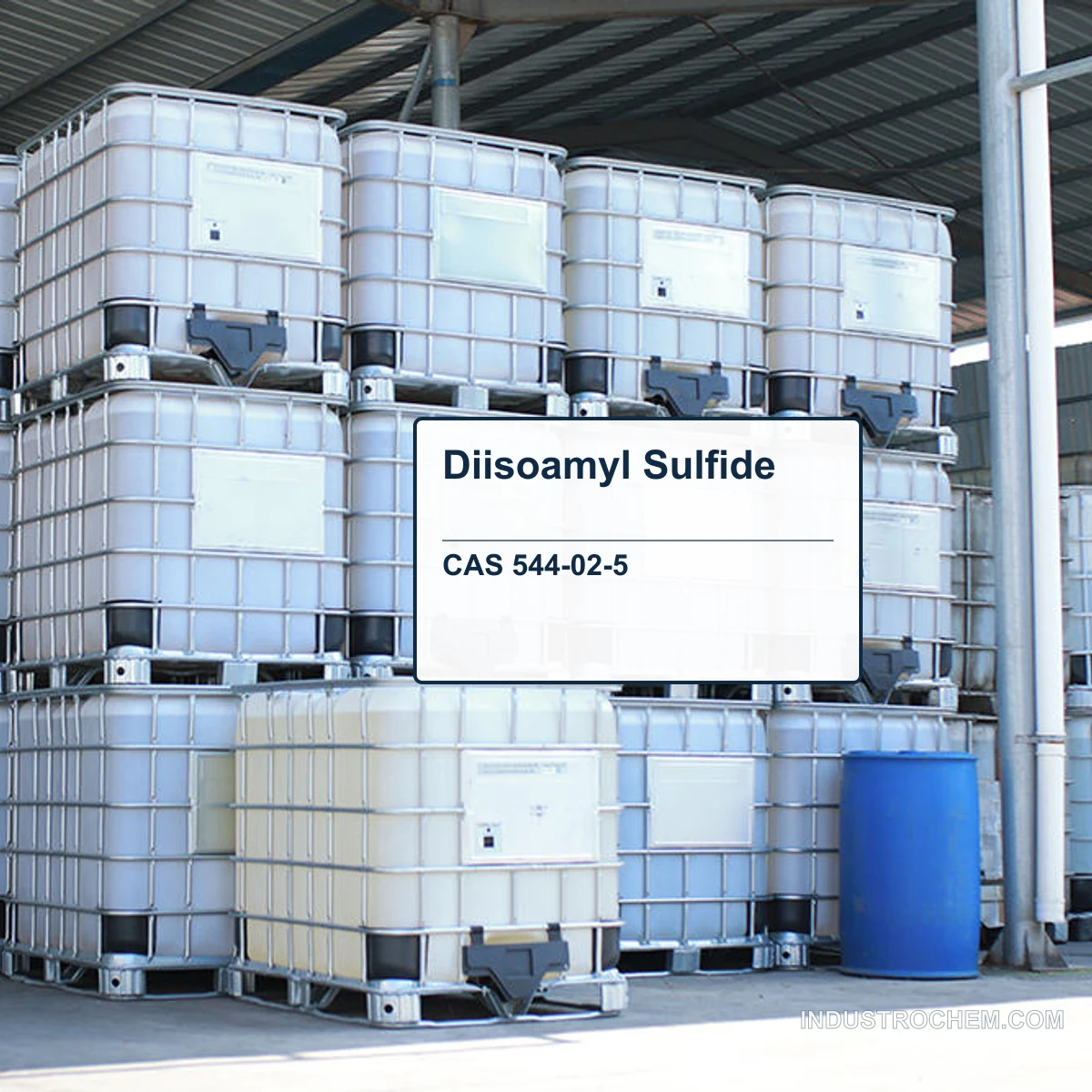
- Package: Drum packing; container specification and net weight agreed for the order.
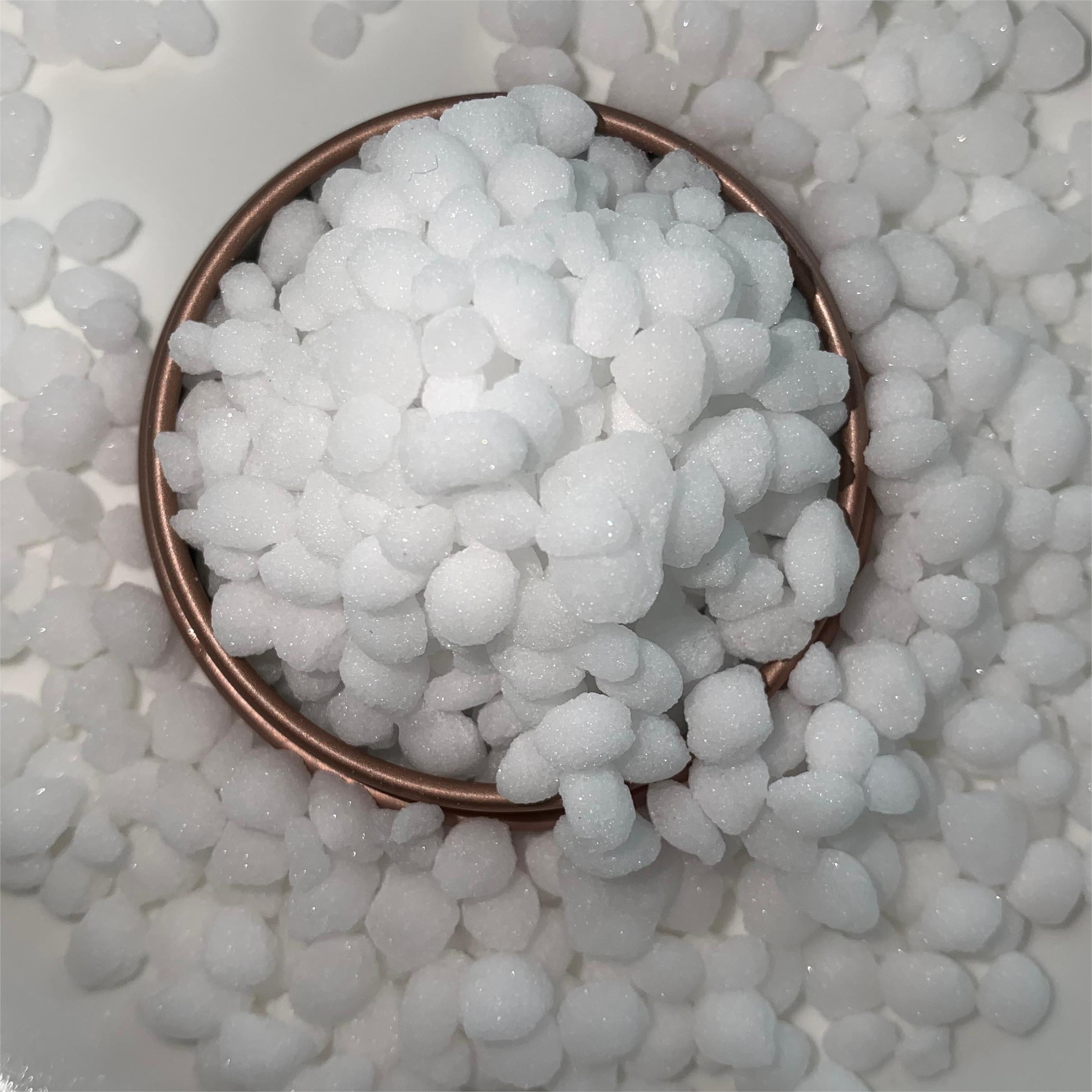
Product Description
Diisoamyl sulfide quality and GC data
Diisoamyl sulfide has formula C₁₀H₂₂S and molar mass 174.35 g/mol. For procurement, compare assay, appearance and the impurities that matter to the intended process. GC results should state the test method and calculation basis: normalized peak area is not automatically mass-percent purity. A chromatogram also needs suitable peak identification and integration to support impurity evaluation.
Palladium extraction and related process chemicals
Diisoamyl sulfide is known as S201 in palladium-extraction literature. Selection depends on feed composition, acidity and chloride concentration, as well as the diluent, phase ratio, contact time and stripping conditions. A published palladium-recovery route uses sodium chloride in the aqueous feed and S201 in the organic phase; these chemicals have different process roles.
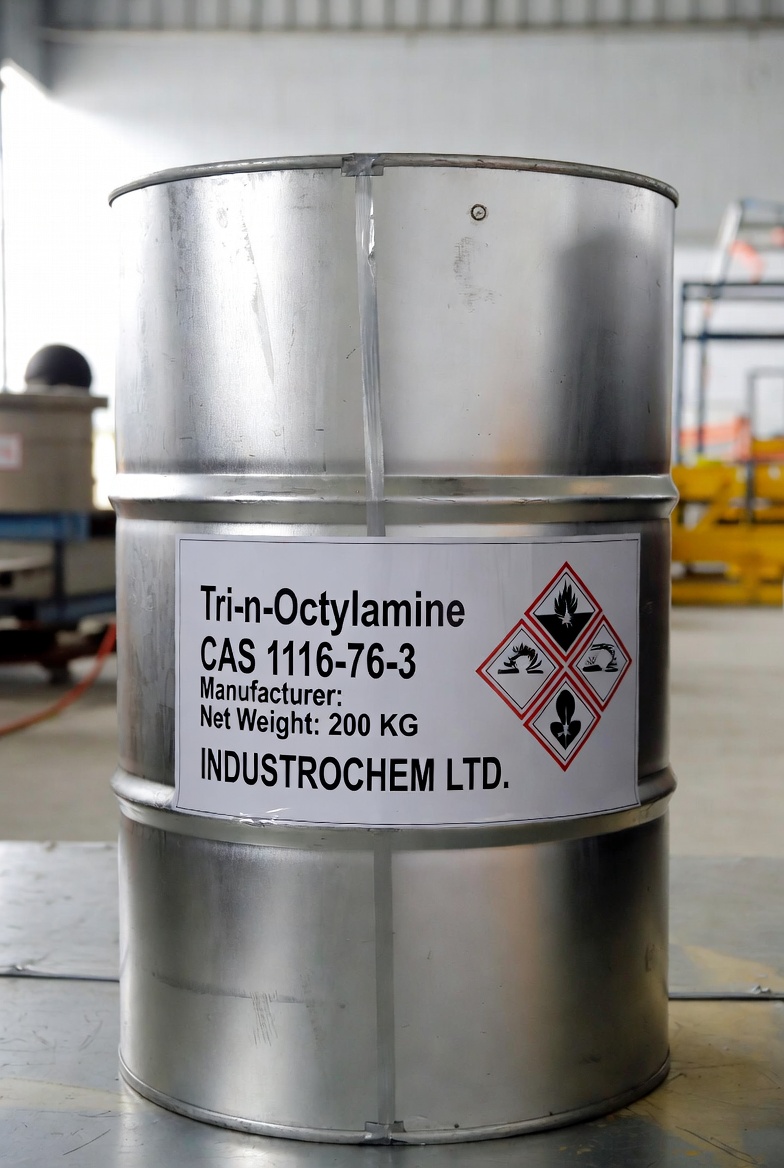
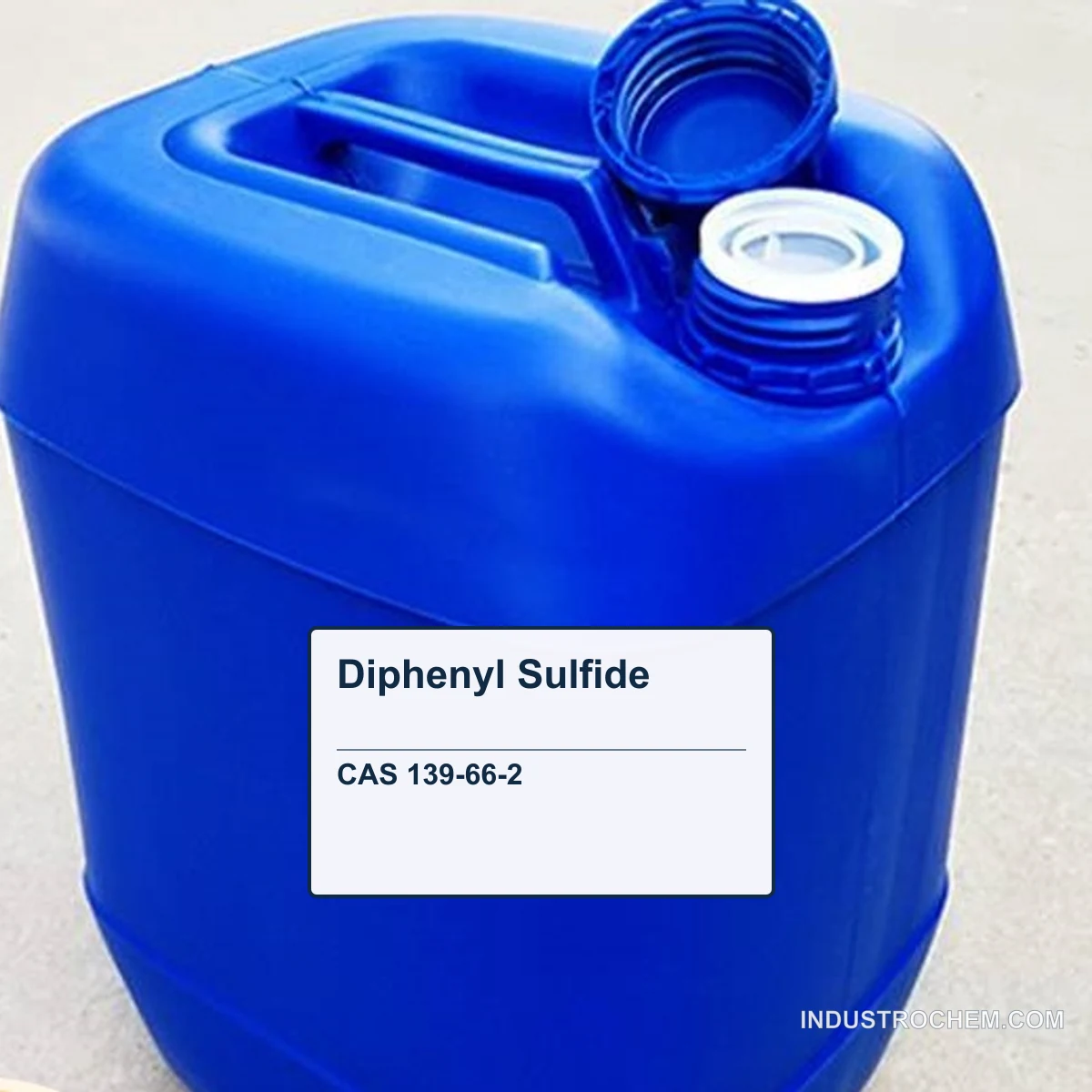
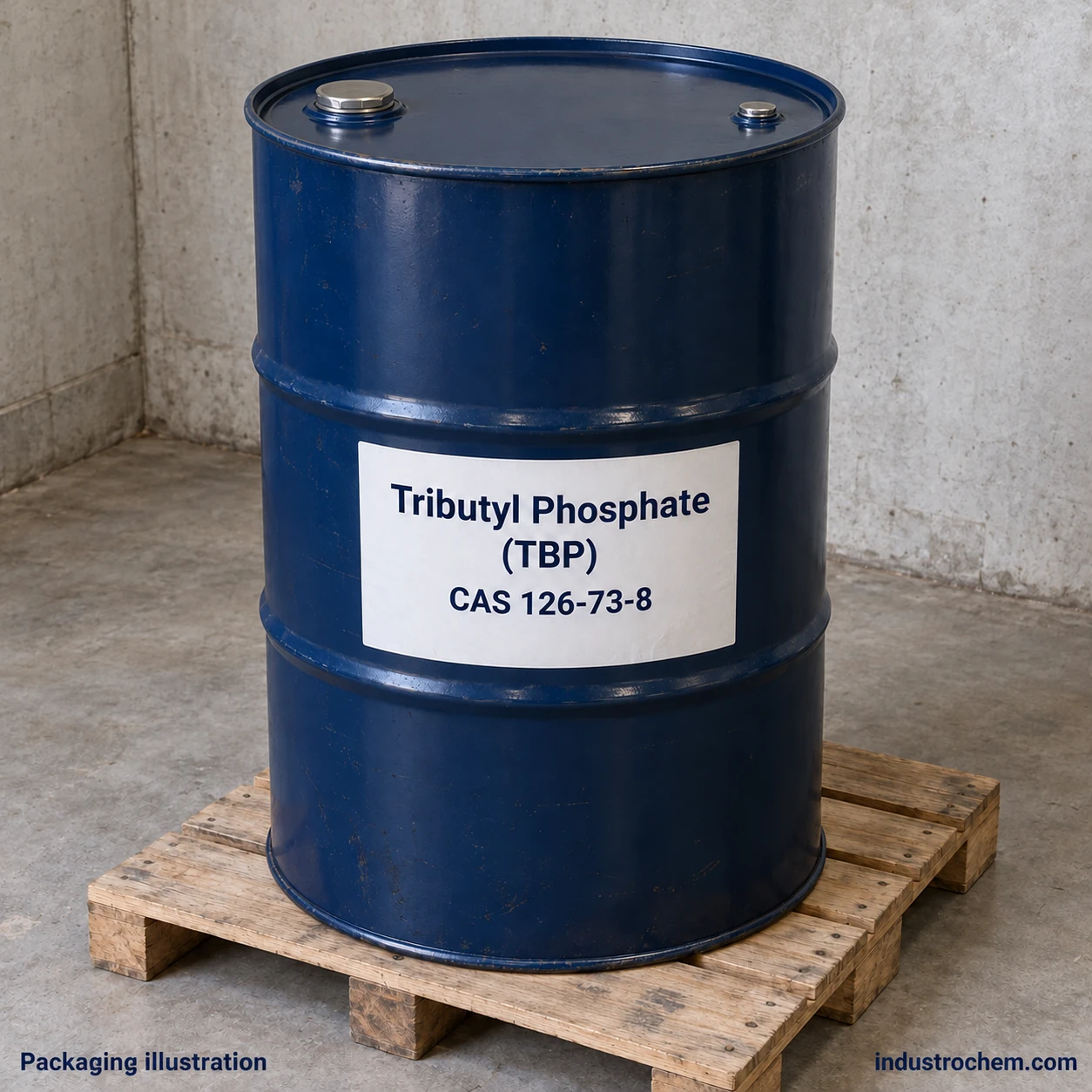
Trioctylamine provides an amine-based comparison for precious-metal separation in acidic chloride systems. Diphenyl sulfide is an aromatic thioether used in other palladium-extraction formulations, including a published formulation with tributyl phosphate as a phase modifier. These are distinct extraction systems, not a single blend or direct one-for-one replacements.
Diisoamyl sulfide documents and bulk supply
We can provide a Certificate of Analysis (COA), Technical Data Sheet (TDS) and Safety Data Sheet (SDS), together with applicable GC chromatograms and test-method information for the offered specification. Send the required specification or application, quantity and destination for a bulk quotation. Drum type and net weight are agreed for the order.
FAQ - Technical & Supply Chain
-
Q:
Are diisoamyl sulfide and diisopentyl sulfide the same compound?
A: Yes. Both names identify CAS 544-02-5, also called bis(3-methylbutyl) sulfide. It contains two branched alkyl groups linked by one sulfur atom. It is distinct from straight-chain diamyl sulfide and from disulfides, which contain an S–S bond. -
Q:
Does a high GC assay guarantee palladium-extraction performance?
A: No. Assay describes chemical composition on a stated analytical basis. Extraction and stripping also depend on the feed, organic-phase formulation and operating conditions. Evaluate the grade in the intended process; do not treat GC area percent as a recovery percentage. -
Q:
Does diisoamyl sulfide need a separate water-content specification?
A: When water affects the intended reaction or extraction system, specify a water limit and a suitable test method separately. An organic GC area-percent result does not by itself establish water content. The required limit is application-specific. -
Q:
How should diisoamyl sulfide be stored?
A: Keep containers tightly closed in a cool, dry, well-ventilated place, away from heat, ignition sources and strong oxidizing agents. Follow the product-specific handling and storage information in the supplied SDS.
Ordering & Documentation
Key information for document requests, quotations, and supply planning.
Documents
Tell us which documents your procurement team needs. Before an order, we will check whether the quoted source can provide them for the offered lot.
Quotation
Send the CAS number, grade, quantity, packing preference and destination.
Sample & Supply
Ask whether samples, trial quantities or repeat orders are possible. We will check each request against the sourced product and current offer.
Storage & Shipping
Product-specific conditions are confirmed before order.