









Chemical products
  • Sodium Chloride CAS 7647-14-5

Sodium Chloride CAS 7647-14-5

Sodium Chloride (CAS 7647-14-5) is a fundamental inorganic salt acting as a primary ionic source for industrial water softening and chlor-alkali electrolysis processes. Commonly known in the trade as Industrial Salt or Halite, this crystalline solid is essential for regenerating ion exchange resins and generating brine solutions. As a high-purity Rock Salt material, it ensures consistent solubility and reactivity within established chemical manufacturing workflows. We maintain bulk supply capacities for this raw material, ensuring competitive factory pricing and customized specifications for diverse processing needs. Comprehensive technical files, including MSDS, TDS, COA, are provided to verify composition and safety data.

  • CAS: 7647-14-5
  • Synonyms: Common salt, Natrium chloride, Halite, Rock salt, Hydrochloric acid sodium salt
  • Einecs: 231-598-3
  • Molecular Formula: NaCl
  • Grade: Industrial Grade / Water Treatment Grade
  • Package: 25kg PP/PE bags, 50lb bags, or 1000kg Jumbo bags (Customizable)
Request a quote
Share:

Product Description

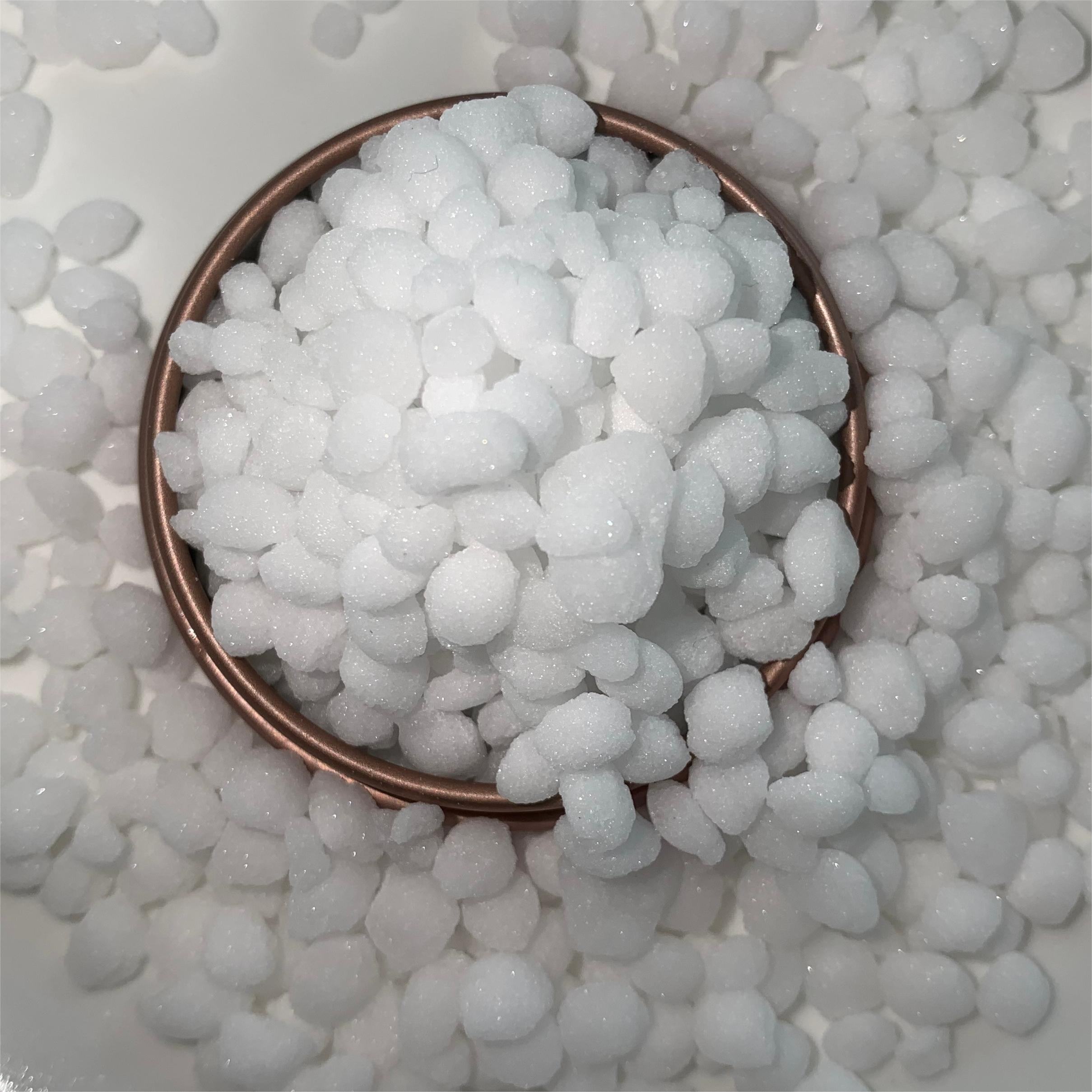
Our Water Softening Salt Pellets are manufactured from high-purity vacuum salt (PDV). Through a high-pressure mechanical compression process, the refined salt is formed into smooth, uniform white pellets. This product is an essential agent for the regeneration of ion exchange resins in water softening systems. It effectively removes calcium and magnesium ions from hard water, extending the lifespan of pipes, boilers, and industrial equipment. The pellets are free from impurities, ensuring no residue is left in the brine tank.

Physicochemical Properties

ParameterSpecification
AppearanceWhite compressed pellets/tablets, odorless
Purity (as NaCl)≥ 99.5%
Moisture≤ 0.15%
Water Insoluble Matter≤ 0.05%
Calcium & Magnesium Ions (as Ca²⁺/Mg²⁺)≤ 0.02%
Sulfate (as SO₄²⁻)≤ 0.05%
Whiteness≥ 85
pH Value (5% Solution)6.5 – 8.5
Pellet Diameter20mm – 25mm (Typical)
SolubilityEasily soluble in water
Anti-caking AgentNone added (High purity compressed)

Applications

  1. Water Softening Regeneration: Primarily used to regenerate ion exchange resins in residential, commercial, and industrial water softeners.
  2. Industrial Boiler Treatment: Prevents scale buildup in boilers and heating systems by softening feed water.
  3. Swimming Pool Maintenance: Used in salt chlorination systems to generate chlorine for pool sanitization.
  4. Textile & Dyeing Industry: Used as a brine solution in various rinsing and dyeing processes requiring soft water.
  5. Reverse Osmosis (RO) Pre-treatment: Protects RO membranes from hardness scaling.

Storage Conditions

  • Environment: Store in a cool, dry, and well-ventilated area.
  • Moisture Control: The product is hygroscopic. Keep bags tightly sealed when not in use to prevent moisture absorption and caking.
  • Compatibility: Keep away from incompatible materials. Store separately from toxic or harmful chemicals.
  • Stacking: Do not stack too high to avoid crushing the bottom pellets (although pellets are mechanically strong).

Safety Precautions

  • General: Sodium Chloride is generally considered non-toxic and safe for industrial handling.
  • Eye Contact: May cause mild irritation. Rinse thoroughly with plenty of water if contact occurs.
  • Skin Contact: Wash with soap and water after prolonged handling.
  • Inhalation: In case of dust inhalation, move to fresh air.
  • Protective Gear: Standard industrial hygiene practices are recommended (gloves and safety glasses) when handling large quantities.

FAQ - Technical & Supply Chain

  • Q:

    What is Sodium Chloride CAS 7647-14-5?

    A: Sodium chloride is common salt, supplied as white or colorless crystals, pellets or granular material. Industrial and water-treatment grades are used for ion-exchange regeneration, chlor-alkali production, deicing and many process applications.
  • Q:

    Why is Sodium Chloride used in water softening?

    A: It provides sodium ions to regenerate cation-exchange resin. Concentrated brine displaces hardness ions such as calcium and magnesium from the resin, restoring its softening capacity and helping prevent scale in boilers, pipes and equipment.
  • Q:

    What form of salt is best for water softeners?

    A: High-purity compressed pellets or tablets made from vacuum salt are commonly preferred because they dissolve cleanly, produce little insoluble residue and are convenient to load. Granular or rock salt can also be used where equipment and brine-tank design allow it.
  • Q:

    What are the main industrial applications of Sodium Chloride CAS 7647-14-5?

    A: Beyond water softening, industrial salt is used in chlor-alkali production, deicing and dust control, textile dyeing, leather processing, oil and gas drilling fluids and other chemical manufacturing processes. Food or pharmaceutical use requires the appropriate food/pharma grade.
  • Q:

    Which purity and impurities matter for water-treatment salt?

    A: Check NaCl purity, moisture, water-insoluble matter, calcium, magnesium and sulfate. High-purity water-softening salt with low calcium, magnesium and sulfate reduces brine-tank residue, resin fouling and maintenance frequency.
  • Q:

    How soluble is Sodium Chloride and does it cake?

    A: Sodium chloride dissolves readily in water, especially in pellet, tablet or fine granular form. It is hygroscopic and can cake in humid conditions, so it should be kept in closed packaging or covered bulk storage before use.

Ordering & Documentation

Key information for document requests, quotations, and supply planning.

Documents

COA, TDS, SDS/MSDS and packing details are available on request.

Quotation

Send the CAS number, grade, quantity, packing preference and destination.

Sample & Supply

Support is available for samples, trial orders, bulk and repeat supply.

Storage & Shipping

Product-specific conditions are confirmed before order.

Contact Form

Use our contact form to send us your questions, suggestions or comments. We will respond as soon as possible.