









Sodium Silicate (CAS 1344-09-8) is a versatile inorganic compound functioning as a widely used adhesive binder in cardboard manufacturing and a deflocculant in ceramic slurry preparation. Chemically identified as Water glass or Soluble glass, this viscous liquid or solid lump functions to harden cement structures and stabilize soil through chemical bonding. As a fundamental Silicic acid sodium salt, it is essential in detergent formulations for its buffering capacity and in foundry operations for mold strengthening. We ensure bulk supply capabilities for this material, providing access to competitive factory pricing and customized specifications to meet specific modulus ratios and solid content needs. Full technical documentation, including MSDS, TDS, COA, is available to support compliance and safety protocols.
Sodium Silicate CAS 1344-09-8
- CAS: 1344-09-8
- Synonyms: Water glass, Soluble glass, Sodium silicate glass, Silicic acid sodium salt
- Einecs: 215-687-4
- Molecular Formula: Na2O(SiO2)n
- Grade: Industrial Grade
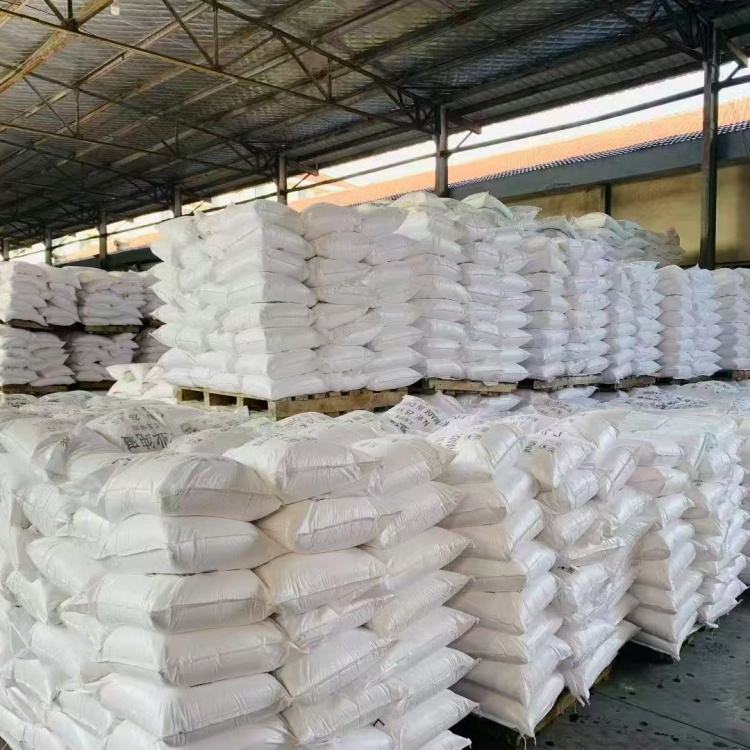
- Package: Liquid: 300kg Steel Drum / 1250kg IBC Tank / Flexibag • Solid: 1000kg / 1250kg Jumbo Bag (Woven bag)
Product Description
Sodium Silicate acts as a heavy-duty binder and buffering agent. The properties of the product are largely determined by the Modulus (Molar Ratio).
- Low Modulus (2.0 – 2.5): Highly alkaline, often used in detergents and textile processing.
- High Modulus (3.0 – 3.5): “Neutral” grade, widely used in adhesives, silica gel production, and fireproofing.
- Solid Lumps: These are the raw fused glass form, which customers can dissolve in autoclaves to produce liquid sodium silicate of desired density.
- Liquid Solution: Ready-to-use viscous liquid, filtered and adjusted to specific Baumé degrees.
Physicochemical Properties
The following specifications represent the most common Liquid Sodium Silicate grades exported from China.
| Test Item | Specification (Low Modulus / Alkaline) | Specification (High Modulus / Neutral) |
|---|---|---|
| Appearance | Colorless to slightly turbid liquid | Colorless to slightly blueish liquid |
| Modulus (Molar Ratio) | 2.0 – 2.5 | 3.1 – 3.4 |
| Sodium Oxide (Na2O) | 12.0% – 15.0% | 8.0% – 10.0% |
| Silicon Dioxide (SiO2) | 28.0% – 32.0% | 26.0% – 29.0% |
| Solid Content | 42.0% – 48.0% | 35.0% – 40.0% |
| Density (Baumé / Be’) | 48 – 52 Be’ | 38 – 42 Be’ |
| Iron Content (Fe) | ≤ 0.02% | ≤ 0.02% |
| Water Insolubles | ≤ 0.2% | ≤ 0.2% |
| pH Value | 11.0 – 13.0 | 11.0 – 12.5 |
| Viscosity | Varies with temperature and density | Varies with temperature and density |
Applications
- Detergents & Soaps: Acts as a builder and corrosion inhibitor, protecting washing machine parts from corrosion and stabilizing alkalinity.
- Paper & Pulp: Used for de-inking waste paper and as a bleaching stabilizer (hydrogen peroxide stabilizer).
- Foundry & Casting: Used as a binder for sand molds (CO2 process) in metal casting.
- Construction:
- Soil Stabilization: Injected into soil to harden it and prevent water permeation.
- Concrete: Applied as a surface hardener and dustproofer.
- Adhesives: Used in the production of paper tubes, cardboard drums, and carton sealing.
- Textile Industry: Used as a stabilizer in peroxide bleaching and dye fixation.
For related alkaline silicate and detergent-builder materials, see Sodium Metasilicate and 4A Zeolite Powder.
Storage Conditions
- Temperature: Store liquid sodium silicate above 0°C to prevent freezing. If frozen, thaw slowly and mix thoroughly.
- Container: Store in steel, plastic, or stainless steel containers. Do not use aluminum, galvanized iron, or zinc containers, as the high pH will react with these metals to generate flammable hydrogen gas.
- Sealing: Keep containers tightly closed. Exposure to air causes the solution to react with CO2, forming a surface crust (silica gel) or haze.
- Shelf Life: 12-24 months if stored properly.
Safety Precautions
- Alkalinity: Sodium Silicate is a strong alkaline substance (high pH).
- Skin/Eye Contact: Causes skin irritation and serious eye damage. Wear chemical-resistant gloves (rubber/PVC) and safety goggles/face shield.
- First Aid:
- Eyes: Rinse immediately with plenty of water for at least 15 minutes and seek medical attention.
- Skin: Wash off immediately with plenty of water.
- Spills: Spills are very slippery. Absorb with inert material (sand, earth) or wash away with water (if permitted by local regulations).
FAQ - Technical & Supply Chain
-
Q:
What is Sodium Silicate CAS 1344-09-8?
A: Sodium Silicate CAS 1344-09-8, commonly called water glass or soluble glass, is an alkaline inorganic silicate supplied as a viscous liquid or solid glass lumps. Its general composition is Na2O(SiO2)n, and the silica-to-soda ratio can be adjusted for different industrial uses. -
Q:
What does the modulus or molar ratio of Sodium Silicate mean?
A: The modulus is the molar ratio of silicon dioxide to sodium oxide in the product. It controls the balance between alkalinity, viscosity, binding strength and gelling behavior, so choosing the correct modulus is important for detergents, adhesives, foundry work and other applications. -
Q:
What is the difference between low-modulus and high-modulus Sodium Silicate?
A: Low-modulus grades, roughly 2.0-2.5, are more alkaline and usually have higher solids and density; they are often selected for detergents and textile processing. High-modulus grades, roughly 3.0-3.5, are less alkaline and are commonly used in adhesives, silica gel production, fireproofing and other binder applications. -
Q:
Why is Sodium Silicate used as an adhesive binder and soil stabilizer?
A: Sodium silicate reacts with multivalent ions or setting agents to form a hardened silica network that binds particles together. This makes it useful for cardboard and paper adhesives, foundry molds, cement hardening, waterproofing and soil stabilization where a strong, chemically resistant bond is needed. -
Q:
How does Sodium Silicate work in detergents and ceramic processing?
A: In detergents it supplies alkalinity and buffering capacity while helping to emulsify soils and prevent redeposition. In ceramic slurries it acts as a deflocculant, reducing viscosity and improving dispersion so that solid particles remain evenly suspended with less water. -
Q:
How should solid and liquid Sodium Silicate be stored?
A: Keep liquid sodium silicate in closed steel drums, IBC tanks or flexibags and avoid freezing or prolonged exposure to air, which can form skins or deposits. Solid lumps should be stored dry and protected from moisture; they are normally dissolved under pressure in an autoclave to produce a liquid of the required density.
Ordering & Documentation
Key information for document requests, quotations, and supply planning.
Documents
COA, TDS, SDS/MSDS and packing details are available on request.
Quotation
Send the CAS number, grade, quantity, packing preference and destination.
Sample & Supply
Support is available for samples, trial orders, bulk and repeat supply.
Storage & Shipping
Product-specific conditions are confirmed before order.

