• Dimethyl Sulfide (DMS) CAS 75-18-3
  • Dimethyl Sulfide (DMS) CAS 75-18-3

Dimethyl Sulfide (DMS) CAS 75-18-3

Dimethyl Sulfide, widely abbreviated in the petrochemical industry as DMS, is a volatile organosulfur compound and critical presulfiding agent. Verified under CAS 75-18-3, this clear liquid with a characteristic strong odor (often described as cabbage-like) is chemically known as Thiobismethane or Methyl sulfide. It is utilized extensively in petroleum refineries to presulfide hydrodesulfurization (HDS) catalysts, activating them for efficient fuel processing. Additionally, DMS serves as the primary raw material for the synthesis of Dimethyl Sulfoxide (DMSO). We offer this 99% industrial-grade bulk material with competitive factory pricing to support the petrochemical and fine chemical sectors. Our supply chain ensures reliable bulk supply (tankers/ISO tanks) availability and customized specifications, fully accompanied by MSDS, TDS, COA documentation for strict safety handling and compliance.

  • CAS: 75-18-3
  • Synonyms: DMS, Methyl sulfide, Thiobismethane, 2-Thiapropane, Methylthiomethane
  • Einecs: 200-846-2
  • Molecular Formula: C2H6S
  • Grade: Industrial grade 99%
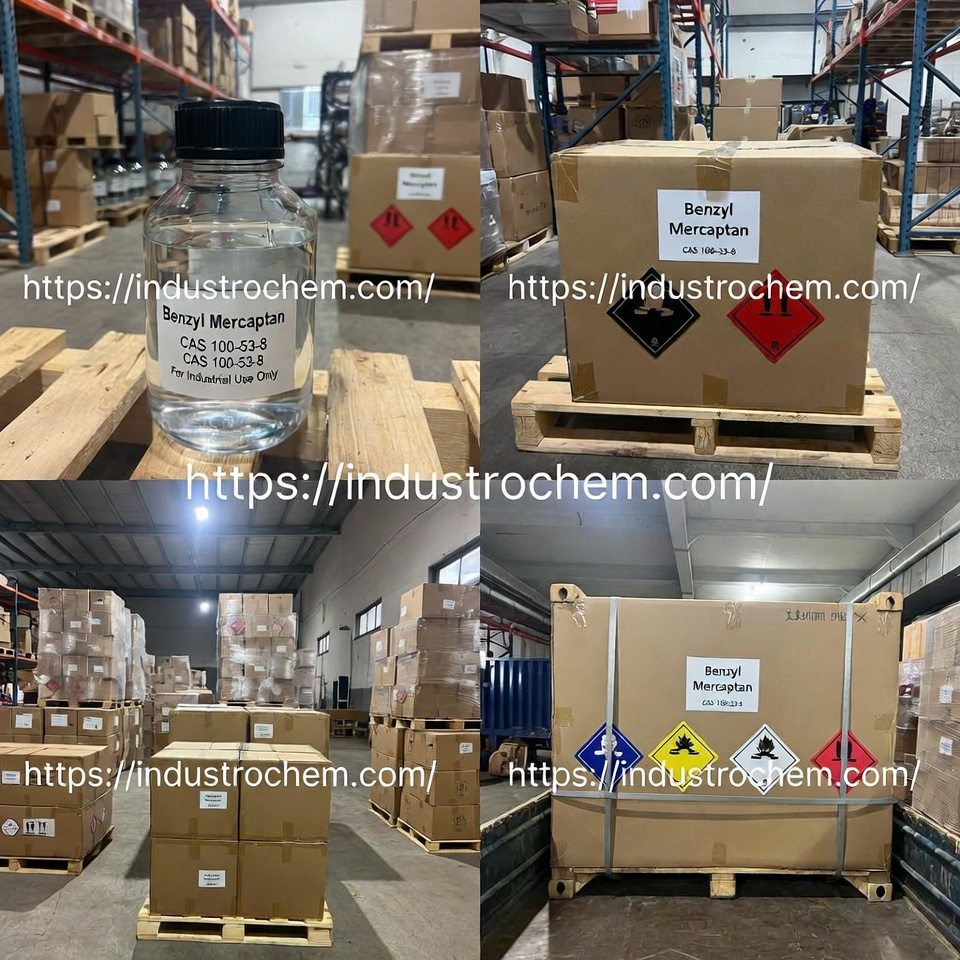
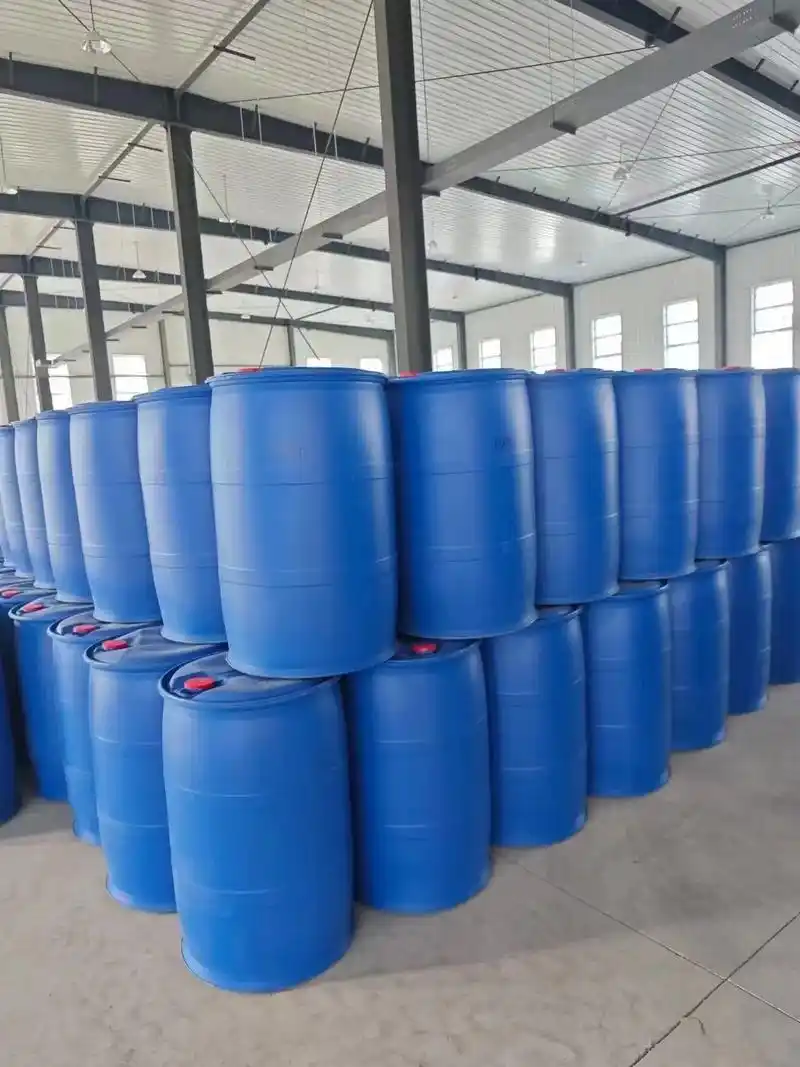
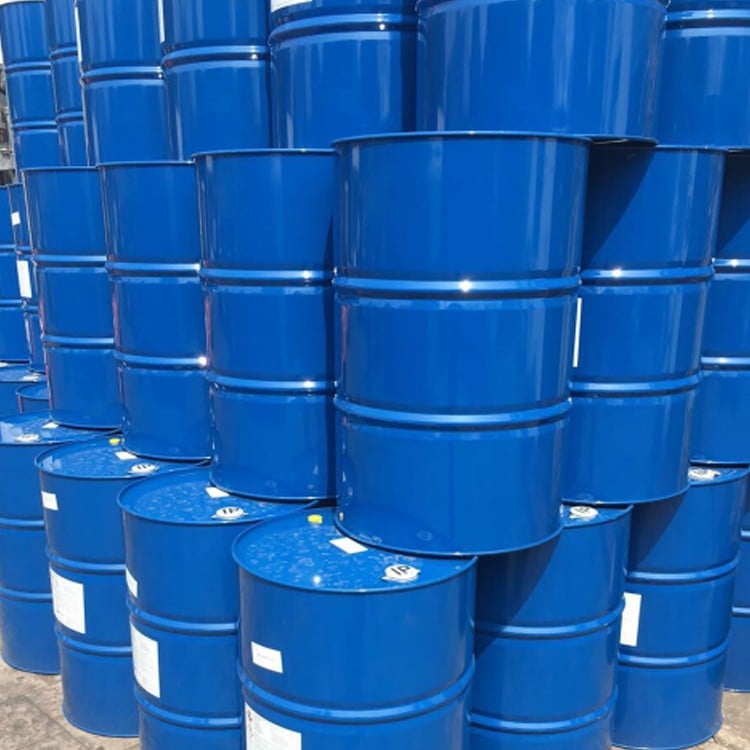
  • Package: 200kg iron drum or 50kg plastic drum packing
Request a quote
Share:

Product Description

Dimethyl sulfide is an organic compound with the chemical formula C2H6S, is the simplest sulfide.

Alias:dimethyl sulfide、Dimethyl sulfide、Methyl sulfide、Dimethylsulfur

chemical formula:C2H6S

molecular weight:62.134

CAS login number:75-18-3

EINECS login number:200-846-2

Melting point:-98 ℃

Boiling point:38 ℃

water solubility:Insoluble in water

Appearance:Colorless transparent liquid with an unpleasant odor

Density0.846 g/cm³

Flash point:-34 ℉

Security description:S7; S9; S16; S26; S29; S33; S36/39

Danger symbol:F

Storage method:

Store in a cool, ventilated warehouse. Stay away from fire and heat sources. The cooling temperature should not exceed 29°C. The packaging should be sealed and not in contact with air. It should be stored separately from oxidizers, alkalis, and ammonia, and should not be mixed. Explosion-proof lighting and ventilation facilities are adopted. It is forbidden to use mechanical equipment and tools that are prone to sparks. The storage area should be equipped with leak emergency treatment equipment and appropriate containment materials.

use

It is mainly used for the preparation of dimethyl sulfoxide and as a pesticide intermediate or solvent.

First aid measures

Skin contact: Remove contaminated clothing and rinse the skin thoroughly with soapy water and clean water.

Eye contact: lift the eyelids, rinse with running water or saline, and seek medical attention.

Inhalation: Quickly leave the scene to fresh air. Keep your airways open. If breathing is difficult, give oxygen. If breathing stops, perform artificial respiration immediately. Medical treatment.

Food: Drink enough warm water, induce vomiting, and seek medical attention.

image 42

FAQ - Technical & Supply Chain

  • Q:

    Does Dimethyl Sulfide (DMS) correspond to the oxidized solvent DMSO?

    A: Dimethyl Sulfide (DMS) is verified under CAS 75-18-3 as the reduced sulfide form (C2H6S), distinguishing it from its oxidized derivative Dimethyl Sulfoxide (DMSO) to ensure the specific reducing potential and sulfur content required for catalyst activation.
  • Q:

    What is the primary function of Dimethyl Sulfide in refinery operations compared to other sulfur sources?

    A: Dimethyl Sulfide (DMS) is typically applied as a precise sulfiding agent for hydrotreating catalysts (such as CoMo or NiMo), where it decomposes at specific temperatures to release sulfur, converting the metal oxides on the catalyst into their active sulfide form more controllably than elemental sulfur.
Documents

Documents and Product Support

For product review and sourcing evaluation, supporting documents can be coordinated according to the product type, inquiry stage, and order requirements.

  • COA for batch-based quality reference
  • TDS for key physical and chemical information
  • SDS / MSDS for handling, storage, and safety reference
  • Packing information for sample, trial, and bulk orders
  • Technical communication based on application and specification requirements
Quotation

Information to Confirm Before Quotation

Clear sourcing information helps reduce specification mismatch and allows a more accurate quotation before sample or bulk order discussion.

  • Product name and CAS number
  • Application or intended end use
  • Required purity, grade, or specification
  • Sample quantity, trial order, or bulk demand
  • Preferred packing form or net weight
  • Destination country or port
  • Required documents or compliance expectations
Storage & Handling

Packaging, Storage, and Handling Notes

Packaging form, storage conditions, shelf life, and shipment arrangements should be confirmed according to the product characteristics, package size, and destination requirements.

Before order confirmation, buyers are advised to review the corresponding product documents and confirm whether any special storage, labeling, or handling requirements apply.

Supply Support

Sample, Bulk Order and Repeat Supply Support

Support can be arranged for sample discussion, bulk supply planning, packaging confirmation, and routine sourcing communication based on the actual product and order requirements.

For repeat-use formulations or long-term procurement plans, buyers may discuss specification consistency, packaging preferences, delivery expectations, and document coordination in advance.

Contact Form

Use our contact form to send us your questions, suggestions or comments. We will respond as soon as possible.