









• Trichloroacetyl Chloride CAS 76-02-8
  • Trichloroacetyl Chloride CAS 76-02-8

Trichloroacetyl Chloride CAS 76-02-8

Trichloroacetyl Chloride, often abbreviated in the industry as TCAC, is a highly reactive organic acid chloride and critical acylating agent. Verified under CAS 76-02-8, this colorless to light yellow fuming liquid is chemically defined as Trichloroacetic acid chloride, serving as a potent intermediate for introducing the trichloroacetyl group into organic molecules. It is extensively utilized in the synthesis of agrochemicals (herbicides and fungicides) and pharmaceutical intermediates due to its ability to form stable amides and esters. We offer this moisture-sensitive industrial raw material with competitive factory pricing to support the crop protection and fine chemical sectors. Our supply chain ensures reliable bulk supply availability and customized specifications, fully accompanied by MSDS, TDS, COA documentation for strict safety handling and compliance.

  • CAS: 76-02-8
  • Synonyms: Trichloroacetic acid chloride, TCAC, Trichloroacetochloride, 2,2,2-Trichloroacetyl chloride
  • Einecs: 200-926-7
  • Molecular Formula: C2Cl4O
  • Grade: Industrial grade 99%
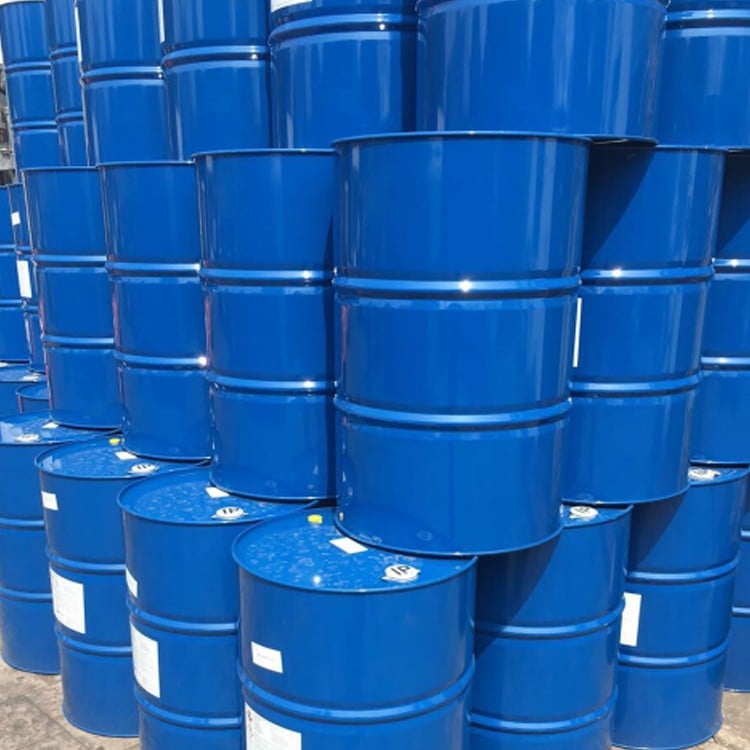
  • Package: 200kg iron drum or 50kg plastic drum packing
Request a quote
Share:

Product Description

Trichloroacetyl chloride. is an organic compound with the chemical formula C2Cl4O, which is an important intermediate for the synthesis of chlorpyrifos, methylchlorpyrifos and herbicides.

chemical formula:C2Cl4O

molecular weight:181.833

CAS login number:76-02-8

EINECS login number:200-926-7

Melting point:-57 ℃

Boiling point:114 to 116 °C

Density:1.629 g/cm³

Density: 1.629g/cm3

Melting point: -57°C

Boiling point: 114-116°C

Flash point: 100°C

Refractive index: 1.470 (20°C)

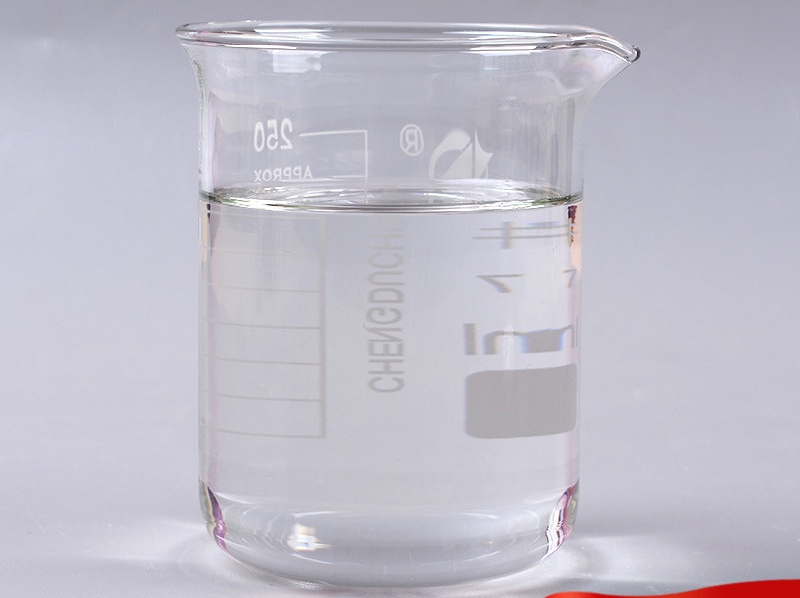
Appearance: Colorless liquid

Trichloroacetyl chloride is an excellent acylating agent and organic synthesis intermediate, which is widely used in the synthesis of pesticides, pharmaceuticals, organic intermediates and fine chemical products. In terms of pesticides, trichloroacetyl chloride is the main raw material for the synthesis of sodium 3,5,6-trichlopyridine (a key intermediate for chlorpyrifos), as well as the main raw material for the synthesis of the high-efficiency and low-toxicity herbicide “Hussar” antidote and the forest herbicide “carIon”; The pharmaceutical field is mainly used for the synthesis of fungicides and polycyclic antimicrobials; In the field of fine chemicals, polycyclic aromatic ethers made from trichloroacetyl chloride and biphenol are high-grade additives in the two major fields of polyamide (nylon) and polyester

Polyether Polyol 220 PPG 2000 CAS 25322 69 4 1

FAQ - Technical & Supply Chain

  • Q:

    Does Trichloroacetyl Chloride correspond to the solid acid or the reactive liquid chloride?

    A: Trichloroacetyl Chloride is verified under CAS 76-02-8 as the liquid acid chloride (C2Cl4O), distinguishing it from the solid Trichloroacetic Acid (TCA) to ensure the highly aggressive nucleophilic substitution capability required for chlorination and acylation reactions.
  • Q:

    What is the primary role of Trichloroacetyl Chloride in agrochemical manufacturing?

    A: Trichloroacetyl Chloride is typically applied as a key intermediate in the synthesis of amide-based herbicides and fungicides, where it introduces the trichloroacetyl moiety to enhance the biological activity and lipophilicity of the final active ingredient.
Documents

Documents and Product Support

For product review and sourcing evaluation, supporting documents can be coordinated according to the product type, inquiry stage, and order requirements.

  • COA for batch-based quality reference
  • TDS for key physical and chemical information
  • SDS / MSDS for handling, storage, and safety reference
  • Packing information for sample, trial, and bulk orders
  • Technical communication based on application and specification requirements
Quotation

Information to Confirm Before Quotation

Clear sourcing information helps reduce specification mismatch and allows a more accurate quotation before sample or bulk order discussion.

  • Product name and CAS number
  • Application or intended end use
  • Required purity, grade, or specification
  • Sample quantity, trial order, or bulk demand
  • Preferred packing form or net weight
  • Destination country or port
  • Required documents or compliance expectations
Storage & Handling

Packaging, Storage, and Handling Notes

Packaging form, storage conditions, shelf life, and shipment arrangements should be confirmed according to the product characteristics, package size, and destination requirements.

Before order confirmation, buyers are advised to review the corresponding product documents and confirm whether any special storage, labeling, or handling requirements apply.

Supply Support

Sample, Bulk Order and Repeat Supply Support

Support can be arranged for sample discussion, bulk supply planning, packaging confirmation, and routine sourcing communication based on the actual product and order requirements.

For repeat-use formulations or long-term procurement plans, buyers may discuss specification consistency, packaging preferences, delivery expectations, and document coordination in advance.

Contact Form

Use our contact form to send us your questions, suggestions or comments. We will respond as soon as possible.