









Sulfuryl Chloride (CAS 7791-25-5), chemically known as Sulfonyl chloride or Sulfuric oxychloride, is an inorganic compound serving as a potent chlorinating and sulfonating agent in organic synthesis. Distinguished by its ability to release atomic chlorine, this liquid reagent is extensively utilized to introduce chlorine atoms or sulfonyl groups into aromatic rings and side chains during the manufacturing of agrochemicals, pharmaceuticals, and dyestuffs. It is specifically valued for its selectivity in radical chlorination reactions compared to elemental chlorine. We provide this industrial material with competitive factory pricing to support continuous manufacturing operations, alongside options for customized specifications. Essential technical documentation, including MSDS, TDS, COA, is readily available for all bulk supply orders.
Sulfuryl Chloride CAS 7791-25-5
- CAS: 7791-25-5
- Synonyms: Sulfonyl chloride, Sulfuric oxychloride, Sulphuryl chloride, Dichlorosulfone
- Einecs: 232-245-6
- Molecular Formula: SO2Cl2
- Grade: Industrial grade 99%
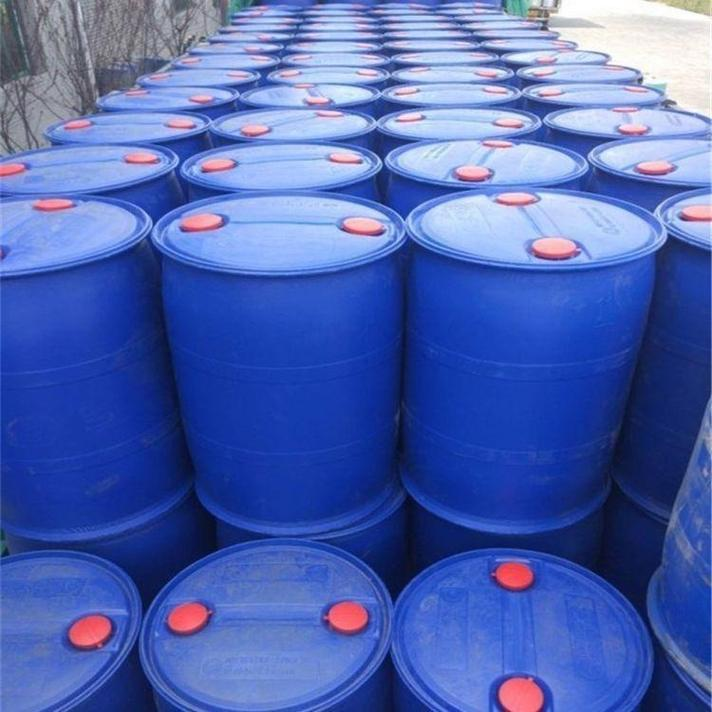
- Package: 200kg iron drum or 50kg plastic drum packing
Product Description
sulfonyl chloride
Synonyms: sulfur oxychloride, sulfuryl chloride
Molecular formula: SO2Cl2
Relative molecular weight: 134.97
Chemical category: inorganic substances – sulfides – chlorides
CAS Number: 7791-25-5
EINECS Number: 232-245-6
Density: 1.67
Melting point: -54.1°C
Appearance and characteristics: colorless smoke liquid, with strong pungent odor
Solubility: soluble in acetic acid and benzene
During hydrolysis of sulfonyl chloride, two chlorine atoms are replaced by hydroxyl groups to form sulfuric acid and hydrochloric acid. Ammonia hydrolysis occurs in reaction with ammonia, and chlorine atoms are replaced by amino groups. Sulfonyl chloride decomposes into SO2 and Cl2 at high temperatures. Sulfonyl chloride is a corrosive item. Toxic hydrogen chloride and sulfide gas are released when exposed to water. Toxic sulfide and chloride fumes are produced when heated. The warehouse is ventilated and dried at low temperature. Store separately from alkali and food additives
Uses of sulfonyl chloride:
1. It is mainly used as a chlorinating agent or chlorinated sulfonating agent, such as the chlorination of aromatic compounds, the chlorination of carboxylic acids and other organic and inorganic compounds. It is also used to manufacture pharmaceuticals, dyes, surfactants, etc.
2. It is used as a pharmaceutical, organochlorinating agent, and used to make dyes, rubber, etc. It can also be used to process wool fabrics.

FAQ - Technical & Supply Chain
-
Q:
Is CAS 7791-25-5 distinct from Thionyl Chloride?
A: Yes, CAS 7791-25-5 identifies Sulfuryl Chloride (SO2Cl2), which is chemically distinct from Thionyl Chloride (SOCl2), despite both being chlorinated sulfur compounds used in synthesis. -
Q:
Is this reagent intended for use in side-chain chlorination processes?
A: Yes, this grade is typically applied as a chlorinating agent in radical chain reactions for the specific modification of hydrocarbons and aromatic side chains.
Documents and Product Support
For product review and sourcing evaluation, supporting documents can be coordinated according to the product type, inquiry stage, and order requirements.
- COA for batch-based quality reference
- TDS for key physical and chemical information
- SDS / MSDS for handling, storage, and safety reference
- Packing information for sample, trial, and bulk orders
- Technical communication based on application and specification requirements
Information to Confirm Before Quotation
Clear sourcing information helps reduce specification mismatch and allows a more accurate quotation before sample or bulk order discussion.
- Product name and CAS number
- Application or intended end use
- Required purity, grade, or specification
- Sample quantity, trial order, or bulk demand
- Preferred packing form or net weight
- Destination country or port
- Required documents or compliance expectations
Packaging, Storage, and Handling Notes
Packaging form, storage conditions, shelf life, and shipment arrangements should be confirmed according to the product characteristics, package size, and destination requirements.
Before order confirmation, buyers are advised to review the corresponding product documents and confirm whether any special storage, labeling, or handling requirements apply.
Sample, Bulk Order and Repeat Supply Support
Support can be arranged for sample discussion, bulk supply planning, packaging confirmation, and routine sourcing communication based on the actual product and order requirements.
For repeat-use formulations or long-term procurement plans, buyers may discuss specification consistency, packaging preferences, delivery expectations, and document coordination in advance.