









• Benzoyl chloride CAS 98-88-4

Benzoyl chloride CAS 98-88-4

Benzoyl Chloride (CAS 98-88-4), chemically designated as Benzenecarbonyl chloride, is an organochlorine compound belonging to the acyl chloride class. Recognized as a highly reactive fuming liquid, it functions as a primary benzoylation agent in organic synthesis, introducing the benzoyl group into alcohols, amines, and aromatic compounds. It is extensively utilized as the key raw material in the manufacturing of organic peroxides (such as Benzoyl Peroxide), benzophenone derivatives, dyes, and pharmaceutical intermediates. We provide this industrial material with competitive factory pricing to support continuous manufacturing operations, alongside options for customized specifications. Essential technical documentation, including MSDS, TDS, COA, is readily available for all bulk supply orders.

  • CAS: 98-88-4
  • Synonyms: Benzenecarbonyl chloride, Benzoic acid chloride, Phenylcarbonyl chloride, Benzoylchloride
  • Einecs: 202-710-8
  • Molecular Formula: C7H5ClO
  • Grade: Industrial grade 99%
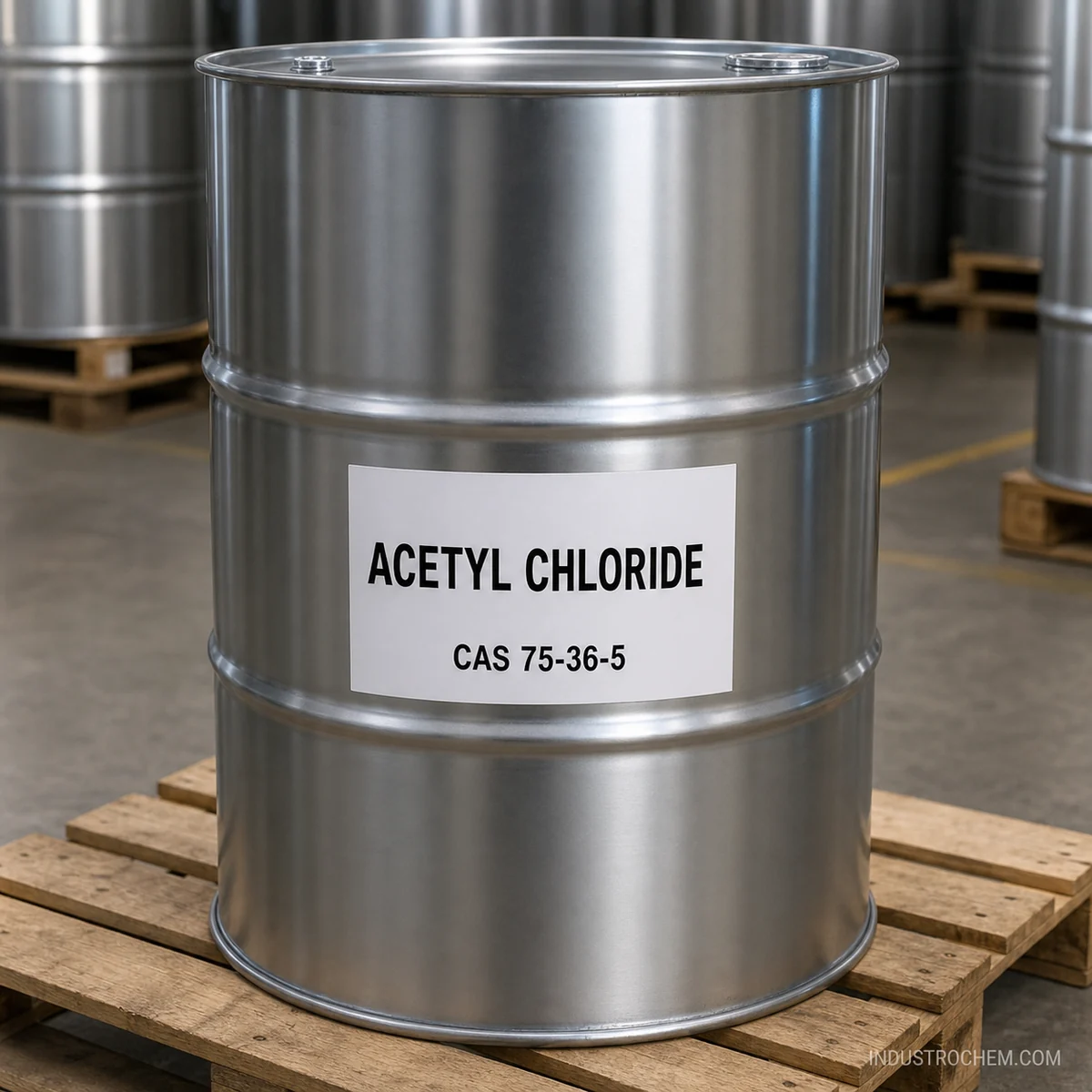
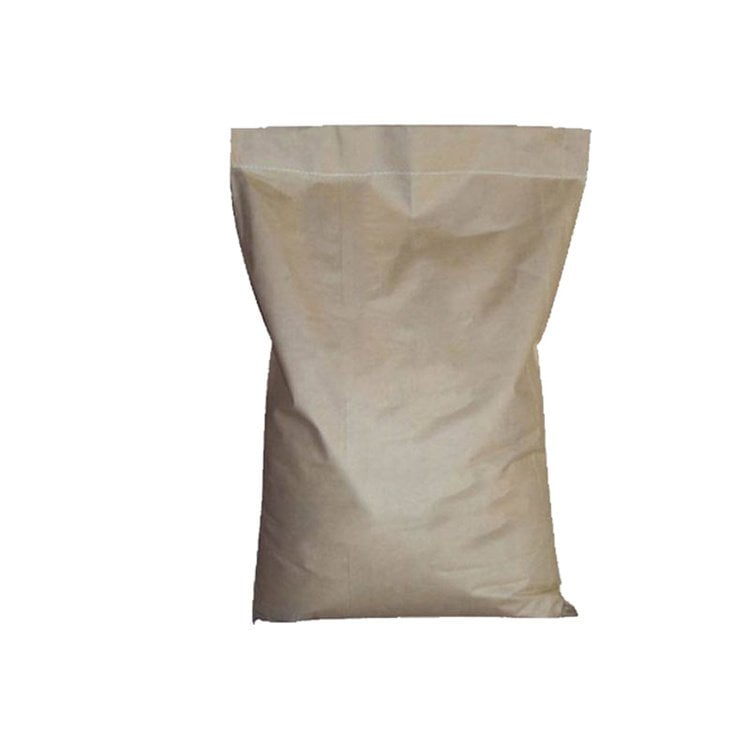
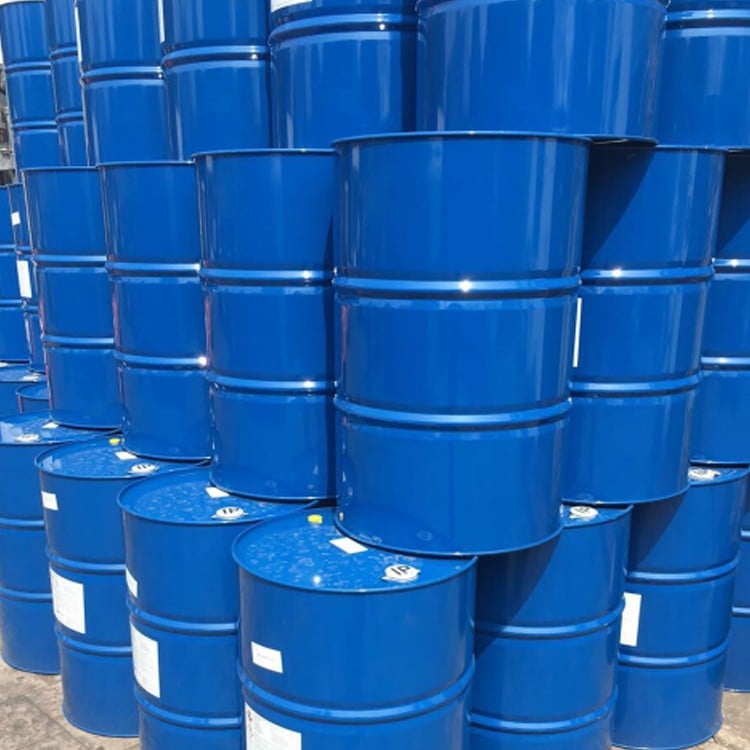
  • Package: 200kg iron drum or 50kg plastic drum packing
Request a quote
Share:

Product Description

Benzoyl chloride, colorless liquid, has a pungent odor. Soluble in benzene. It gradually decomposes when exposed to water or ethanol to form benzoic acid or ethyl benzoate and hydrogen chloride. Benzoyl chloride is an important intermediate in the preparation of dyes, fragrances, organic peroxides, pharmaceuticals and resins. Benzoyl chloride is also used in photography and in the production of artificial tannic acid, and has also been used as an irritant gas in chemical warfare.

Chemical formula: C7H5ClO

Molecular weight: 140.57

CAS accession number: 98-88-4

EINECS accession number: 202-710-8

Melting point: -1°C

Boiling point: 197°C

Water solubility: soluble in benzene and carbon disulfide  

Density: 1.22

Appearance: colorless smoke liquid with pungent odor 

Flash point: 72.2°C

Applications: Used in photography and in the production of artificial tannic acid, as an irritating gas in chemical warfare.

Benzoyl chloride is used as an organic synthesis, dye, and pharmaceutical raw material. In addition, benzoic acid can also produce benzoic anhydride by reacting with benzoyl chloride, which is mainly used as an acylating agent, and can also be used as a component of bleach and flux, and can also be used to prepare benzoyl peroxide.

Operation precautions: closed operation, local exhaust. The operation should be mechanized and automated as much as possible. Operators must undergo special training and strictly abide by the operating procedures. It is recommended that operators wear self-priming filter gas masks (full face shields), rubber acid-alkali resistant clothing, and rubber acid-alkali resistant gloves. Stay away from fire and heat sources, and smoke is strictly prohibited in the workplace. Use explosion-proof ventilation systems and equipment. Avoid smoke. Prevent smoke and vapor from being released into the workplace air. Avoid contact with oxidants, alkalis, and alcohols. Pay special attention to avoid contact with water. Operate and dispose of in nitrogen. Load and unload lightly during handling to prevent damage to packaging and containers. Equipped with corresponding types and quantities of fire-fighting equipment and leakage emergency treatment equipment. Emptyed containers may contain harmful substances.

Storage precautions: Store in a cool, dry and well-ventilated warehouse. Keep away from fire and heat sources. The storage temperature should not exceed 25°C and the relative humidity should not exceed 75%. Keep the container sealed. It should be stored separately from oxidants, alkalis, alcohols, and edible chemicals, and should not be mixed with storage. Equipped with corresponding types and quantities of fire-fighting equipment. The storage area should be equipped with leakage emergency treatment equipment and suitable containment materials. The “five pairs” management system for extremely toxic substances should be strictly implemented.

FAQ - Technical & Supply Chain

  • Q:

    Is Benzenecarbonyl chloride the systematic name for CAS 98-88-4?

    A: Yes, Benzenecarbonyl chloride is the IUPAC systematic name for Benzoyl Chloride, identifying the specific acyl chloride derived from benzoic acid.
  • Q:

    Is this product intended for use as a benzoylation agent in synthesis?

    A: Yes, this grade is typically applied in industrial organic synthesis to introduce benzoyl protecting groups or structural motifs into reaction intermediates.
Documents

Documents and Product Support

For product review and sourcing evaluation, supporting documents can be coordinated according to the product type, inquiry stage, and order requirements.

  • COA for batch-based quality reference
  • TDS for key physical and chemical information
  • SDS / MSDS for handling, storage, and safety reference
  • Packing information for sample, trial, and bulk orders
  • Technical communication based on application and specification requirements
Quotation

Information to Confirm Before Quotation

Clear sourcing information helps reduce specification mismatch and allows a more accurate quotation before sample or bulk order discussion.

  • Product name and CAS number
  • Application or intended end use
  • Required purity, grade, or specification
  • Sample quantity, trial order, or bulk demand
  • Preferred packing form or net weight
  • Destination country or port
  • Required documents or compliance expectations
Storage & Handling

Packaging, Storage, and Handling Notes

Packaging form, storage conditions, shelf life, and shipment arrangements should be confirmed according to the product characteristics, package size, and destination requirements.

Before order confirmation, buyers are advised to review the corresponding product documents and confirm whether any special storage, labeling, or handling requirements apply.

Supply Support

Sample, Bulk Order and Repeat Supply Support

Support can be arranged for sample discussion, bulk supply planning, packaging confirmation, and routine sourcing communication based on the actual product and order requirements.

For repeat-use formulations or long-term procurement plans, buyers may discuss specification consistency, packaging preferences, delivery expectations, and document coordination in advance.

Contact Form

Use our contact form to send us your questions, suggestions or comments. We will respond as soon as possible.