









• Propylene oxide CAS 75-56-9

Propylene oxide CAS 75-56-9

Propylene oxide (CAS 75-56-9) is a highly reactive organic epoxide utilized primarily as a fundamental chemical intermediate in the synthesis of polyether polyols and propylene glycols. This volatile ether functions as a crucial monomer in ring-opening polymerization, serving as the backbone for polyurethane plastics, functional fluids, and diverse alkoxylation derivatives. Beyond its dominant role in polymer chemistry, Methyloxirane acts as a precursor for glycol ethers and non-ionic surfactants in specialized industrial processing steps. We provide this hazardous raw material with competitive factory pricing to support continuous downstream synthesis and ensure bulk supply availability via specialized containment logistics. Our technical operations accommodate customized specifications regarding purity and stabilizer levels, while every shipment is accompanied by comprehensive MSDS, TDS, COA documentation for safety and regulatory compliance.

  • CAS: 75-56-9
  • Synonyms: Methyloxirane, 1,2-Epoxypropane, Propylene epoxide, Methyl ethylene oxide, 1,2-Propylene oxide
  • Einecs: 200-879-2
  • Molecular Formula: C3H6O
  • Grade: Industrial grade 99%
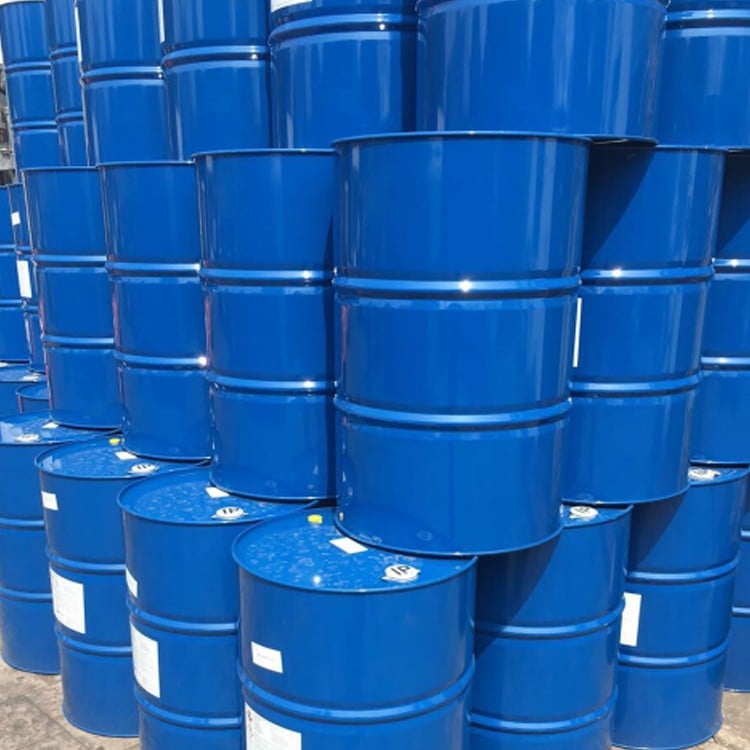
  • Package: 200kg iron drum or 50kg plastic drum packing
Request a quote
Share:

Product Description

Propylene oxide, also known as propylene oxide, methyl ethylene oxide, and 1,2-propylene oxide, is a very important raw material for organic compounds, and is the third largest propylene derivative after polypropylene and acrylonitrile. Propylene oxide is a colorless ether-odored liquid, low boiling point, flammable, chiral, and industrial products are generally racemic mixtures of two enantiomers. Partially miscible with water, miscible with ethanol. Forms a binary azeotropic mixture with pentane, pentene, cyclopentane, cyclopentene, methylene chloride. Toxic, irritating to mucous membranes and skin, it can damage the cornea and conjunctiva, cause respiratory pain, skin burns and swelling, and even tissue necrosis.

Propylene oxide physical properties:

Molecular formula: C3H6O

Molecular weight: 58.08

Appearance: Colorless liquid

CAS accession number: 75-56-9

EINECS accession number: 200-879-2

Density: 0.830 g/cm³

Melting point: -112 °C

Boiling point: 34 °C

Flash point: -37.2 °C

Water solubility: easily soluble

Propylene oxide uses:

Propylene oxide (PO) is the third largest propylene derivative after polypropylene and acrylonitrile, and is an important basic organic chemical synthesis raw material, mainly used in the production of polyether, propylene glycol, etc. It is also the main raw material for fourth-generation detergents nonionic surfactants, oilfield demulsifiers, pesticide emulsifiers, etc. The derivatives of propylene oxide are widely used in industries such as automobiles, construction, food, tobacco, medicine and cosmetics. Nearly 100 kinds of downstream products have been produced, which are important raw materials for fine chemical products.

FAQ - Technical & Supply Chain

  • Q:

    Does CAS 75-56-9 uniquely identify Propylene Oxide?

    A: Yes, CAS 75-56-9 is the specific registry number for Propylene Oxide (Methyloxirane), distinguishing this three-membered epoxide ring from its isomers and other propylene derivatives.
  • Q:

    Is this material suitable for polyurethane precursor manufacturing?

    A: Yes, this grade is specifically intended for use as a monomeric raw material in the industrial production of polyether polyols for polyurethane systems.
Documents

Documents and Product Support

For product review and sourcing evaluation, supporting documents can be coordinated according to the product type, inquiry stage, and order requirements.

  • COA for batch-based quality reference
  • TDS for key physical and chemical information
  • SDS / MSDS for handling, storage, and safety reference
  • Packing information for sample, trial, and bulk orders
  • Technical communication based on application and specification requirements
Quotation

Information to Confirm Before Quotation

Clear sourcing information helps reduce specification mismatch and allows a more accurate quotation before sample or bulk order discussion.

  • Product name and CAS number
  • Application or intended end use
  • Required purity, grade, or specification
  • Sample quantity, trial order, or bulk demand
  • Preferred packing form or net weight
  • Destination country or port
  • Required documents or compliance expectations
Storage & Handling

Packaging, Storage, and Handling Notes

Packaging form, storage conditions, shelf life, and shipment arrangements should be confirmed according to the product characteristics, package size, and destination requirements.

Before order confirmation, buyers are advised to review the corresponding product documents and confirm whether any special storage, labeling, or handling requirements apply.

Supply Support

Sample, Bulk Order and Repeat Supply Support

Support can be arranged for sample discussion, bulk supply planning, packaging confirmation, and routine sourcing communication based on the actual product and order requirements.

For repeat-use formulations or long-term procurement plans, buyers may discuss specification consistency, packaging preferences, delivery expectations, and document coordination in advance.

Contact Form

Use our contact form to send us your questions, suggestions or comments. We will respond as soon as possible.