










Propylene Carbonate (PC), CAS 108-32-7, is also known as 1,2-propylene carbonate or 4-methyl-1,3-dioxolan-2-one. It is used for industrial solvent, extraction and grade-specific electrolyte formulations. Before requesting a quotation, confirm assay, water content, acidity, colour, relevant impurities, packaging and intended formulation, and request current TDS, COA and SDS.
Propylene Carbonate (PC) CAS 108-32-7
- CAS: 108-32-7
- Synonyms: Propylene carbonate; 1,2-Propylene carbonate; 4-Methyl-1,3-dioxolan-2-one; PC
- Einecs: 203-572-1
- Molecular Formula: C₄H₆O₃
- Grade: Confirm on the offered specification and lot COA: assay, water content, acidity, colour, relevant impurities, packaging and intended formulation.
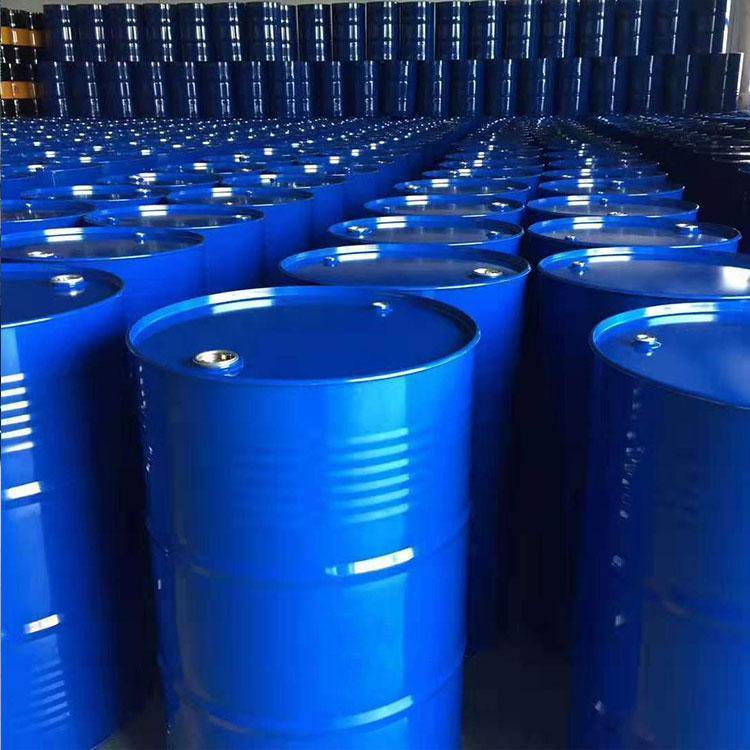
- Package: Compatible sealed packaging; confirm configuration for quantity, transport mode, destination and grade requirements
Product Description
Product name: Propylene Carbonate (PC)
Recognized names: Propylene carbonate; 1,2-Propylene carbonate; 4-Methyl-1,3-dioxolan-2-one; PC
CAS Number: 108-32-7
EC Number: 203-572-1
Molar mass: 102.09 g/mol
Formula: C₄H₆O₃
Appearance: clear, colourless liquid; confirm colour and water on the offered specification.
Melting point: -49 °C
Boiling point: 240 °C
Density: 1.204 g/cm³
Refractive index: 1.421
Flash point: 132 °C
Industrial use: polar aprotic solvent for coatings, cleaners, extraction and other process formulations. Electrolyte use requires a separately qualified grade with controlled water and impurities; no battery grade is established here.
For related organic carbonate solvent raw materials, see Ethylene Carbonate and Dimethyl Carbonate.
Packaging: confirm a compatible sealed configuration for the required grade, quantity, transport mode and destination.
FAQ - Technical & Supply Chain
-
Q:
Are Propylene Carbonate and PC the same solvent?
A: Yes. Propylene carbonate and PC identify CAS 108-32-7, a cyclic carbonate solvent. They are not ethylene carbonate, dimethyl carbonate or propylene glycol. The purchase order should state industrial, battery or other grade, water limit and the intended use. -
Q:
What are the main industrial uses of Propylene Carbonate?
A: It is a polar aprotic solvent for coatings, cleaners, extraction and other process formulations. Electrolyte use requires a separately qualified grade with controlled water and impurities; the generic product identity does not establish battery grade. -
Q:
Which specifications matter when purchasing industrial Propylene Carbonate?
A: Agree assay by GC, water, colour, acidity, chloride or ionic impurities, nonvolatile residue and trace metals where relevant. Battery-electrolyte service typically requires tighter water and metal limits than general industrial solvent use, so the specification should match the application. -
Q:
What physical properties should be used to check an offered lot?
A: Confirm a clear, colourless liquid with melting point about -49 degrees C, boiling point about 240-243 degrees C, density about 1.204 g/cm3, refractive index about 1.419-1.422 and flash point about 132 degrees C. Normal grade variation can affect water, colour and acid content, so the specification should be agreed before release. -
Q:
What should be confirmed before bulk Propylene Carbonate delivery?
A: Confirm drum, IBC or tanker format, container compatibility, temperature range, quantity, previous cargo and unloading connection. Keep the material sealed and dry, follow the applicable flammable-liquid controls, and distinguish standard industrial PC from any separately qualified electrolyte grade.
Ordering & Documentation
Key information for document requests, quotations, and supply planning.
Documents
Tell us which documents your procurement team needs. Before an order, we will check whether the quoted source can provide them for the offered lot.
Quotation
Send the CAS number, grade, quantity, packing preference and destination.
Sample & Supply
Ask whether samples, trial quantities or repeat orders are possible. We will check each request against the sourced product and current offer.
Storage & Shipping
Product-specific conditions are confirmed before order.