










Diethylene Glycol Monobutyl Ether (DEGBE), CAS 112-34-5, is also known as 2-(2-butoxyethoxy)ethanol or butyl diglycol. It is used for coatings, inks, cleaners and other high-boiling solvent formulations. Before requesting a quotation, confirm assay, water content, acidity, colour, distillation range, relevant impurities, packaging and intended formulation, and request current TDS, COA and SDS.
Diethylene Glycol Monobutyl Ether (DEGBE) CAS 112-34-5
- CAS: 112-34-5
- Synonyms: Diethylene glycol monobutyl ether; 2-(2-Butoxyethoxy)ethanol; Butyl diglycol; DEGBE; BDG
- Einecs: 203-961-6
- Molecular Formula: C₈H₁₈O₃
- Grade: Confirm on the offered specification and lot COA: assay, water content, acidity, colour, distillation range, relevant impurities, packaging and intended formulation
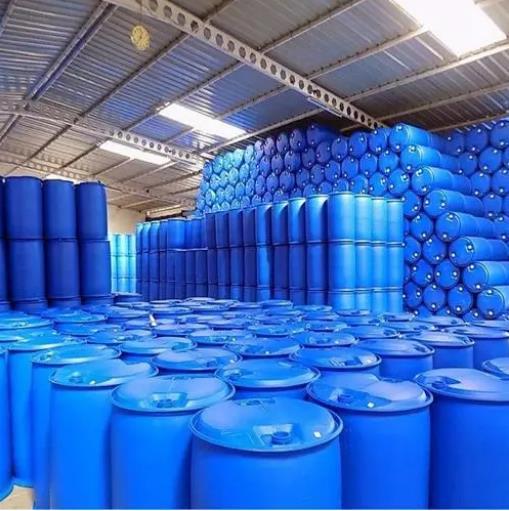
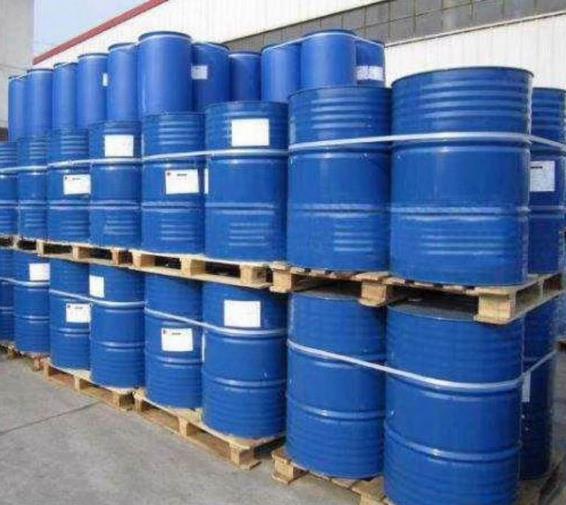
- Package: Compatible sealed packaging; confirm configuration for quantity, transport mode, destination and grade requirements
Product Description
Product name: Diethylene Glycol Monobutyl Ether (DEGBE)
Recognized names: Diethylene glycol monobutyl ether; 2-(2-Butoxyethoxy)ethanol; Butyl diglycol; DEGBE; BDG. Formula: C₈H₁₈O₃; CAS 112-34-5; EC 203-961-6.
Typical identity data: colourless high-boiling liquid, boiling point about 230 °C and complete water miscibility. Confirm assay, water, acidity, colour, distillation range and lot-specific values on the offered specification.
Industrial use: high-boiling glycol-ether solvent and coupling/coalescing component in coatings, inks and cleaners. Formulation suitability depends on solvency, evaporation, water, acidity and impurity limits; no fixed assay or package is established here.
FAQ - Technical & Supply Chain
-
Q:
Are DEGBE, Butyl Carbitol and Diethylene Glycol Monobutyl Ether the same solvent?
A: Yes. DEGBE, Butyl Carbitol, Butyl Diglycol and 2-(2-Butoxyethoxy)ethanol identify CAS 112-34-5. They are not ethylene glycol monobutyl ether, CAS 111-76-2, or the acetate DEGBEA, CAS 124-17-4. State the CAS number and glycol-ether grade on the purchasing documents. -
Q:
What are the typical physical properties of DEGBE?
A: DEGBE is normally a colourless high-boiling liquid with a boiling point around 230 degrees C, density about 0.95-0.97 g/cm3, low vapour pressure and full miscibility with water. It is also miscible with many common organic solvents, which supports its use as a coupling solvent. -
Q:
What is DEGBE used for in industrial formulations?
A: DEGBE is used as a high-boiling solvent, coupling agent and coalescent in waterborne and solvent-borne coatings, inks, cleaning products, dyes, textiles, leather processing and metalworking fluids. It can also serve as a chemical intermediate and co-surfactant in microemulsions and other formulations. -
Q:
Which specifications matter when purchasing industrial DEGBE?
A: Confirm assay by GC, water, acidity, colour, density, distillation range, nonvolatile residue and relevant aldehyde, peroxide or glycol-ether impurities. A common industrial grade uses a high minimum assay with a low water limit, while electronic or sensitive applications may add trace-metal and particle control. -
Q:
Why is the evaporation profile important in coatings and inks?
A: DEGBE evaporates more slowly than lower glycol ethers such as EGBE, giving coatings and inks more open time and helping film formation in waterborne systems. The slower evaporation also affects drying, leveling and cleanup, so formulators select DEGBE when a high-boiling, water-miscible coupling solvent is needed. -
Q:
How should DEGBE be stored and handled?
A: Store in closed, compatible containers in a cool, dry, well-ventilated area away from heat, ignition sources and strong oxidizers. DEGBE is combustible and can form explosive peroxides under some conditions, so avoid prolonged air exposure in storage and use grounding, ventilation and appropriate PPE during transfer.
Ordering & Documentation
Key information for document requests, quotations, and supply planning.
Documents
COA, TDS, SDS/MSDS and packing details are available on request.
Quotation
Send the CAS number, grade, quantity, packing preference and destination.
Sample & Supply
Support is available for samples, trial orders, bulk and repeat supply.
Storage & Shipping
Product-specific conditions are confirmed before order.