


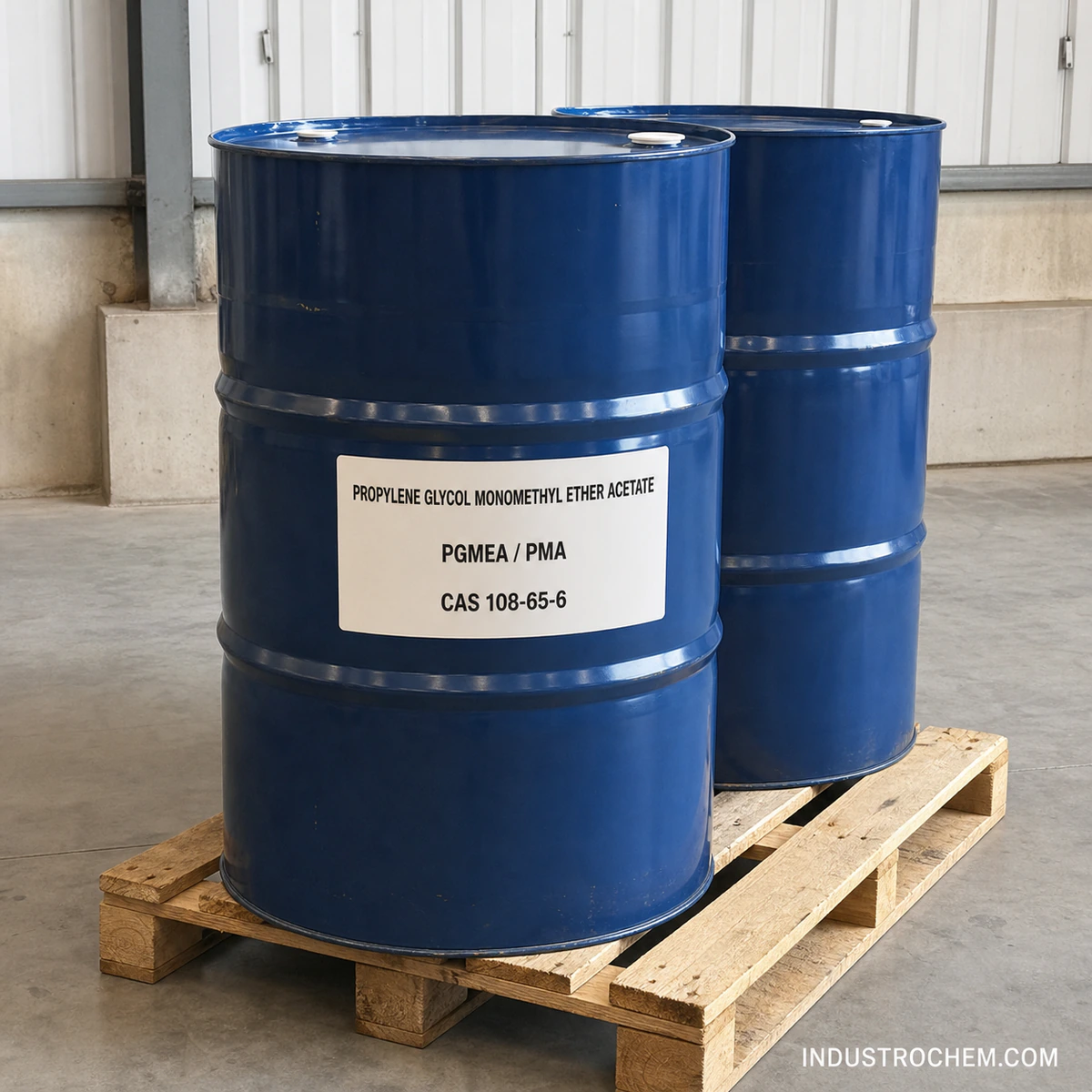
Propylene Glycol Monomethyl Ether Acetate (PGMEA / PMA), CAS 108-65-6, is a colorless glycol ether acetate solvent for coatings, inks and resin formulations. Its esterified hydroxyl group distinguishes it from PGME and is relevant when selecting solvents for hydroxyl-sensitive resin systems.
Propylene Glycol Monomethyl Ether Acetate (PGMEA / PMA) CAS 108-65-6
- CAS: 108-65-6
- Synonyms: Propylene glycol monomethyl ether acetate; 1-Methoxy-2-propyl acetate; 2-Acetoxy-1-methoxypropane; PGMEA; PMA
- Einecs: 203-603-9
- Molecular Formula: C₆H₁₂O₃
- Grade: Industrial coating and ink solvent; electronic applications require a separately specified grade
- Package: Sealed, compatible containers; packing options quoted for the order quantity and destination
Product Description
Identity and physical properties
PGMEA (PMA) is 1-methoxy-2-propyl acetate, also called 2-acetoxy-1-methoxypropane. Its CAS number is 108-65-6, EC number 203-603-9, molecular formula C₆H₁₂O₃ and molar mass 132.16 g/mol. The beta positional isomer, 2-methoxy-1-propyl acetate (CAS 70657-70-4), is a different substance.
Typical reference properties are a freezing point of about −66°C, boiling point of 146°C at 760 mmHg, density of 0.967 g/cm³ at 20°C and flash point of 45.5°C by the Setaflash closed-cup method. PGMEA has limited solubility in water. These reference values are not batch acceptance limits; the quoted grade is defined by its specification and COA.
Coating and ink solvent selection
PGMEA is used in coating, printing-ink and resin solvent systems. Unlike propylene glycol monomethyl ether (PGME), it has no free hydroxyl group. This difference matters in hydroxyl-sensitive resin systems, alongside water content and formulation compatibility.
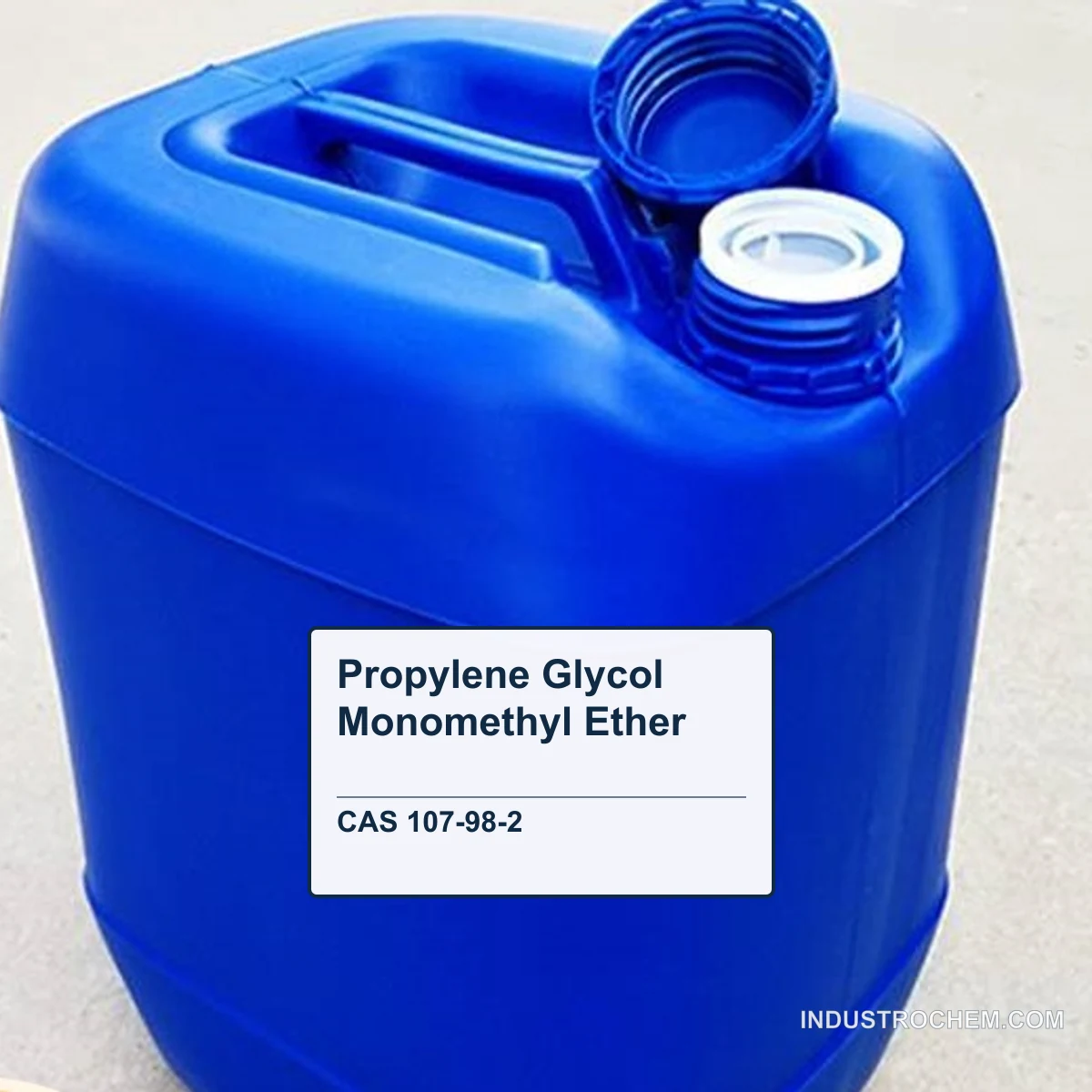
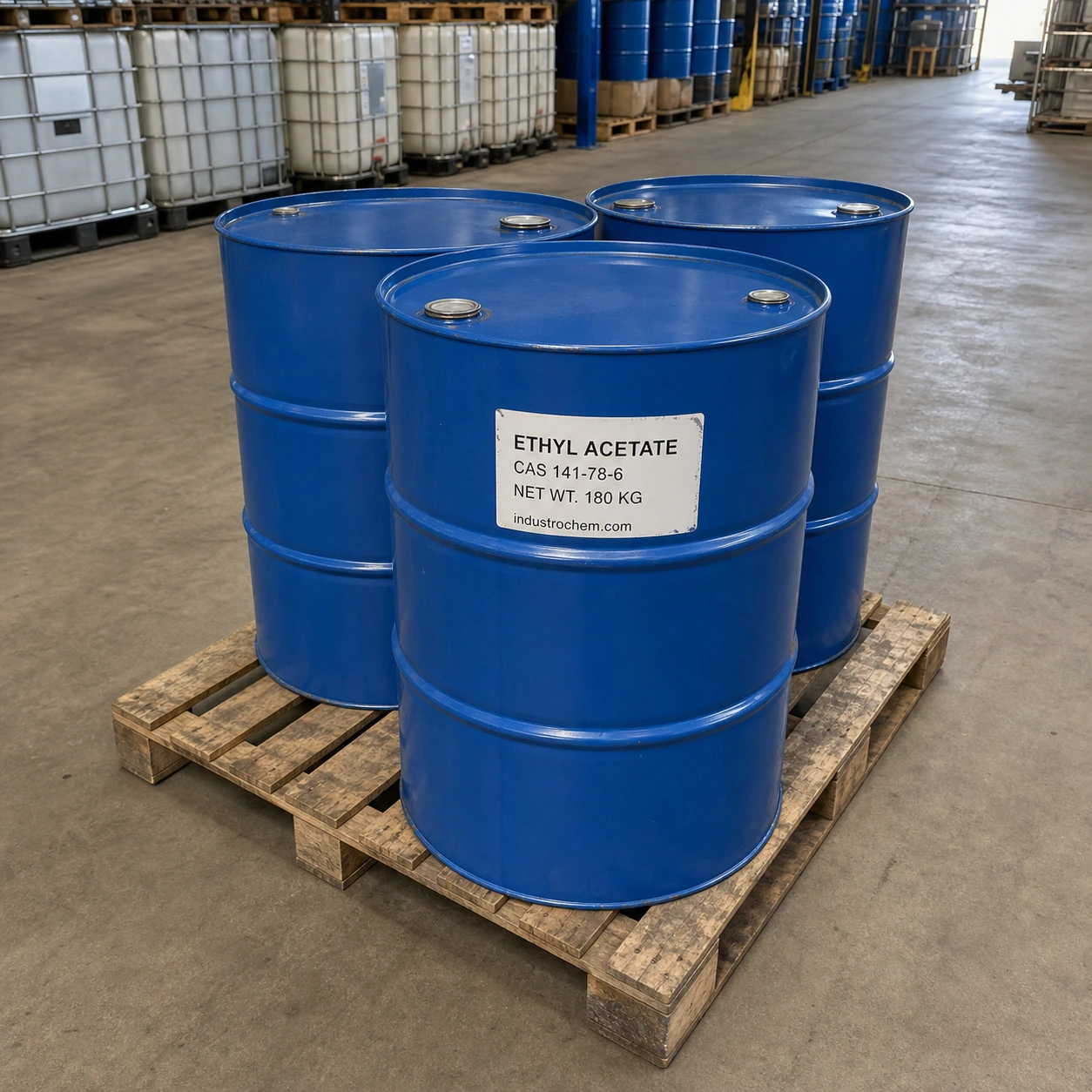
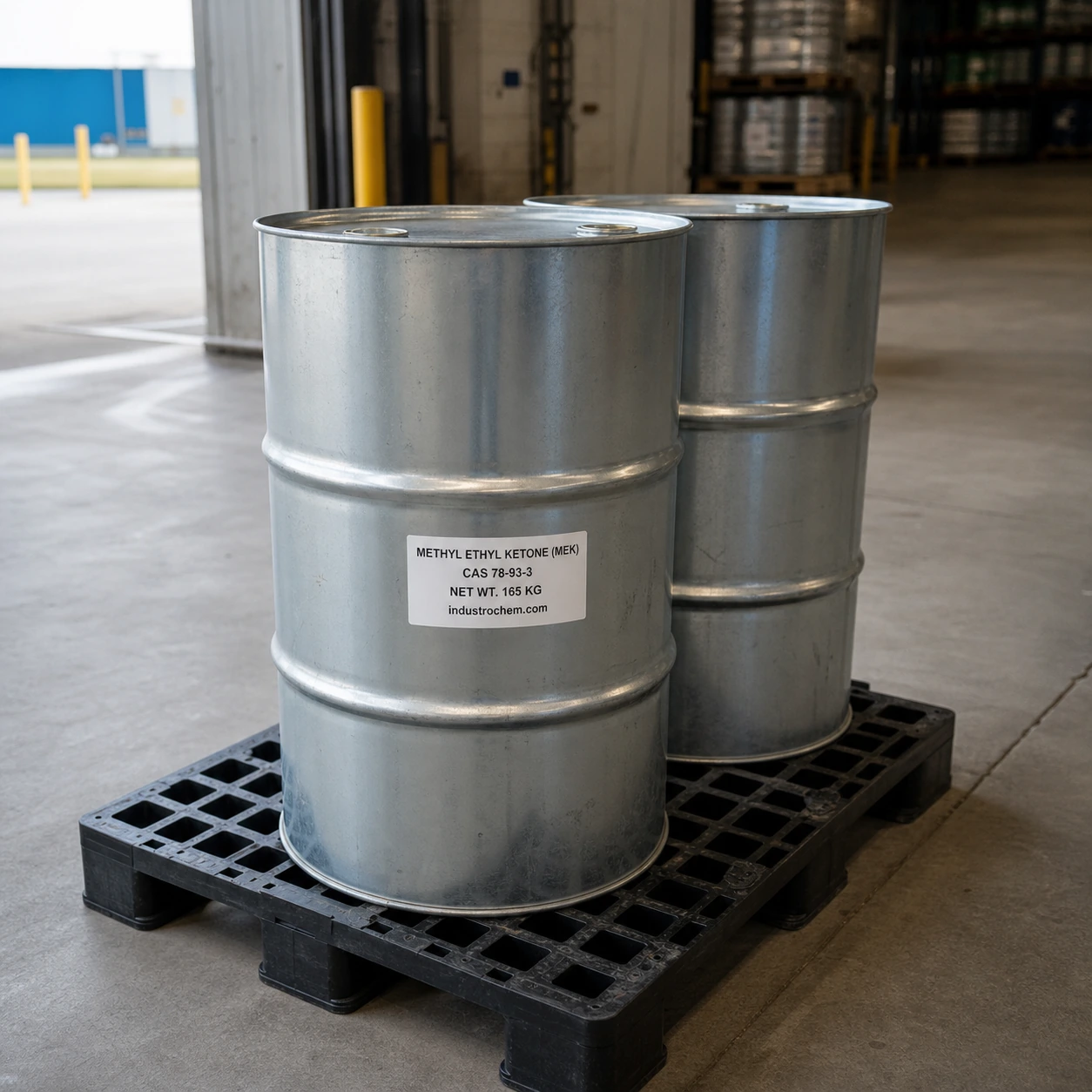
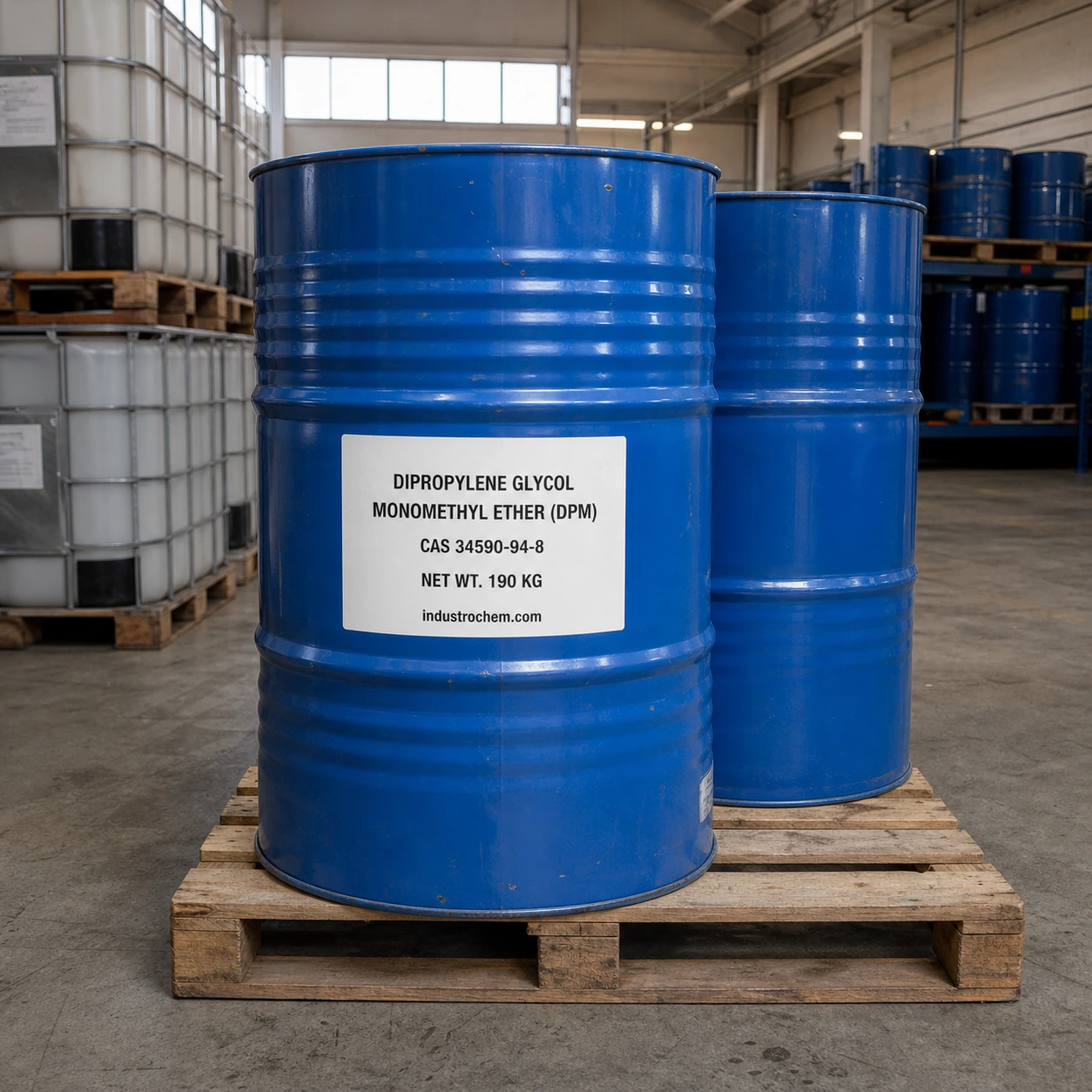
Ethyl acetate and methyl ethyl ketone (MEK) evaporate faster than PGMEA and provide different solvency and drying profiles. Dipropylene glycol monomethyl ether (DPM) is a slower-evaporating, water-miscible coupling solvent with a free hydroxyl group. These products are selection comparisons, not direct replacements; changes require evaluation in the intended formulation.
Quality information and supply documents
Relevant quality parameters include PGMEA assay and organic impurities by gas chromatography (GC), water by Karl Fischer titration, acidity expressed as acetic acid, APHA color and the distillation range. The specification should identify the test method and reporting basis. GC area percentage does not replace water, metal or particle measurements.
Electronic-process applications require grade-specific organic-impurity, trace-metal and particle controls. High GC purity alone does not establish electronic-grade suitability.
We can provide a Certificate of Analysis (COA), Technical Data Sheet (TDS), Safety Data Sheet (SDS) and applicable GC and water-content information for the quoted grade. Send the required quantity, intended application and destination for a quotation; include any existing quality specification.
FAQ - Technical & Supply Chain
-
Q:
Are PGMEA and PMA the same as PGME?
A: PGMEA and PMA refer here to propylene glycol monomethyl ether acetate, CAS 108-65-6. PGME (PM), CAS 107-98-2, is the non-acetylated glycol ether and has a free hydroxyl group. The beta PGMEA isomer, CAS 70657-70-4, is also distinct. Use the CAS number and grade specification to identify the required material. -
Q:
Which quality information matters when purchasing PGMEA?
A: For coating and ink grades, compare GC assay and organic impurities, water content, acidity as acetic acid, color and distillation range with the agreed methods and limits. Electronic-process use also requires grade-specific trace-metal and particle controls. COA, TDS, SDS and applicable quality information can be provided for the quoted grade.
Ordering & Documentation
Key information for document requests, quotations, and supply planning.
Documents
Tell us which documents your procurement team needs. Before an order, we will check whether the quoted source can provide them for the offered lot.
Quotation
Send the CAS number, grade, quantity, packing preference and destination.
Sample & Supply
Ask whether samples, trial quantities or repeat orders are possible. We will check each request against the sourced product and current offer.
Storage & Shipping
Product-specific conditions are confirmed before order.