

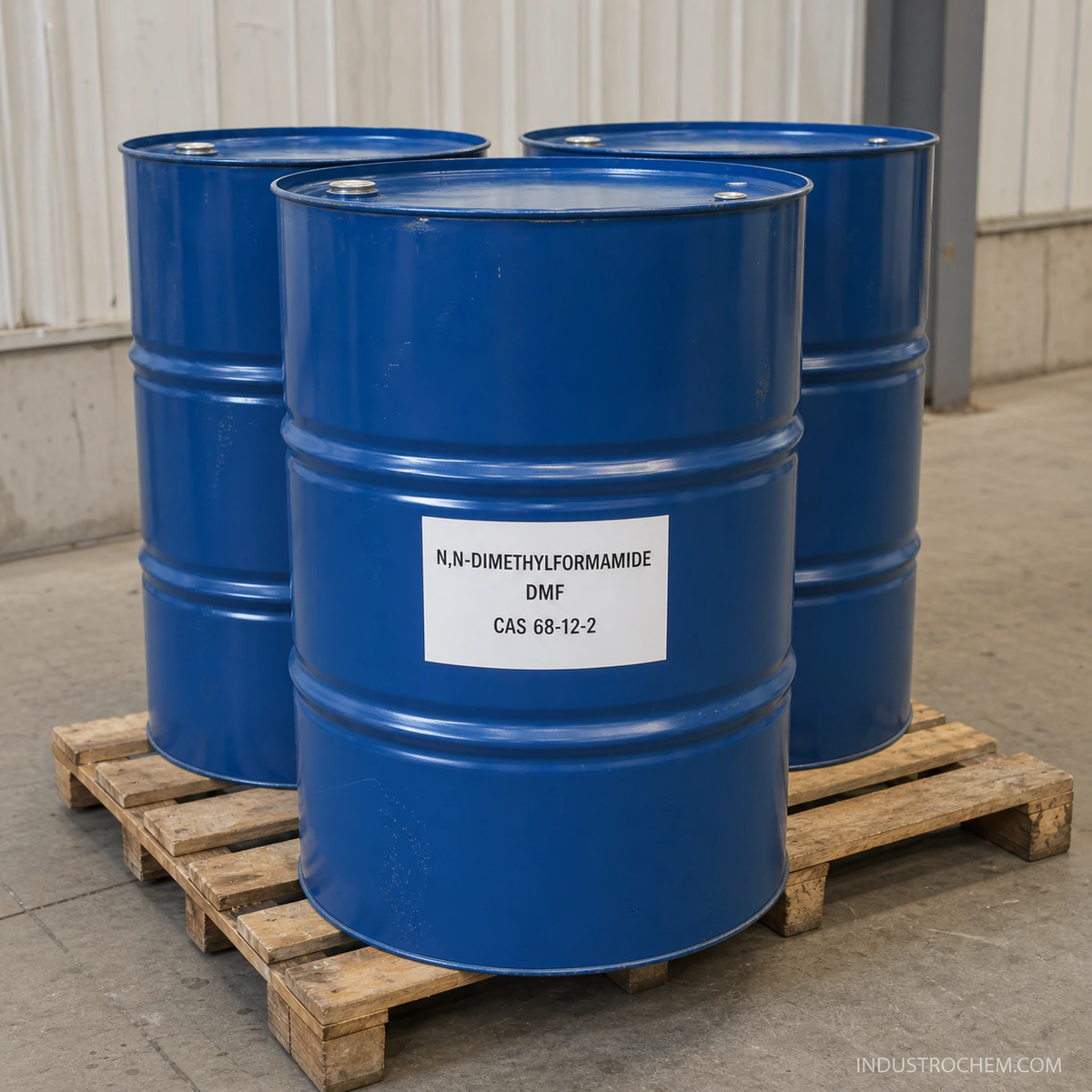
N,N-Dimethylformamide (DMF), CAS 68-12-2, is a polar aprotic solvent for polymer processing, coatings and selected synthesis. Water content, acidity and impurity limits are matched to the intended process; suitable specifications and delivery options are quoted for your requirements.
N,N-Dimethylformamide (DMF) CAS 68-12-2
- CAS: 68-12-2
- Synonyms: N,N-Dimethylformamide; Dimethylformamide; DMF; N,N-Dimethylmethanamide
- Einecs: 200-679-5
- Molecular Formula: C₃H₇NO
- Grade: Industrial solvent; assay, water and acidity limits agreed for the intended process
- Package: Sealed compatible containers; packing and delivery format agreed with the quotation
Product Description
Product identity. N,N-Dimethylformamide (DMF) is also called dimethylformamide or N,N-dimethylmethanamide. CAS 68-12-2, EC 200-679-5, formula C₃H₇NO and molar mass 73.09 g/mol identify this amide solvent. It is not dimethylacetamide (DMAc), N-methyl-2-pyrrolidone (NMP) or dimethylformamide dimethyl acetal (DMF-DMA).
Typical physical properties. DMF is a colourless, hygroscopic liquid, completely miscible with water and miscible with many organic solvents. Reference values are approximately −61 °C freezing point, 153 °C boiling point at 760 mmHg (101.3 kPa), 0.949 g/cm³ density at 20 °C and 58 °C flash point by a closed-cup method. These reference values are not guaranteed batch specifications.
Industrial applications. DMF is used as a solvent in acrylic-fibre processing, polyurethane synthetic leather and elastomers, and selected PVC, resin, coating and film processes. It also serves as a reaction, crystallisation or extraction medium in suitable synthesis processes. Solvent grade and impurity limits depend on the polymer, reaction and downstream solvent-removal requirements.
Assay and water. DMF content is commonly determined by gas chromatography (GC), with the reporting basis and any water correction stated in the specification. GC area percentage is not automatically a mass percentage, and a high GC result does not establish low water content. Water is determined separately by Karl Fischer titration; its limit matters for moisture-sensitive reactions and polymer processes.
Other quality parameters. Depending on the process, the specification can include titratable acidity as formic acid, alkalinity as dimethylamine, APHA/Pt-Co colour, nonvolatile residue and relevant trace metals. If pH or conductivity is specified, the test solution and temperature must be defined. These requirements distinguish offered grades; no universal numerical limits are implied.
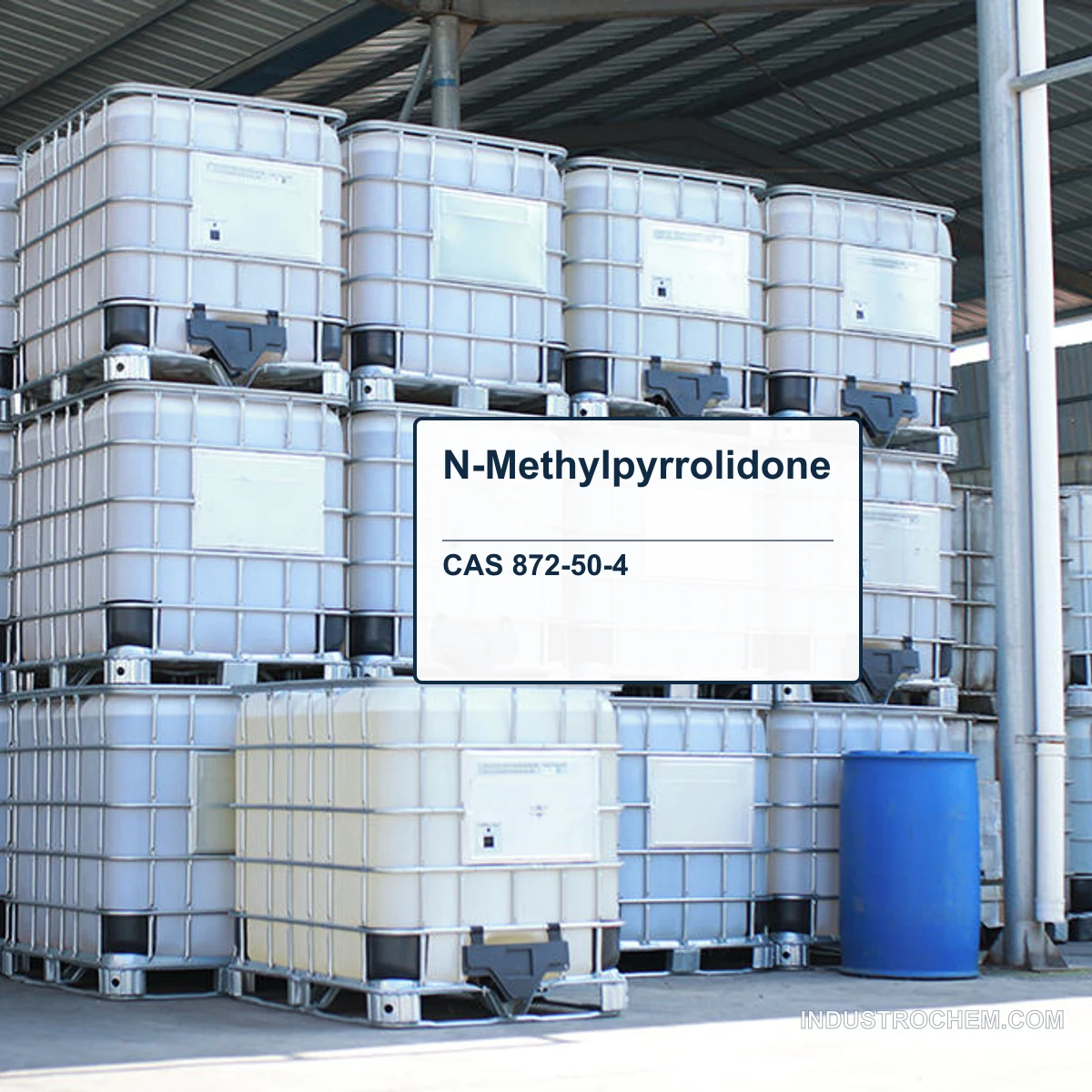
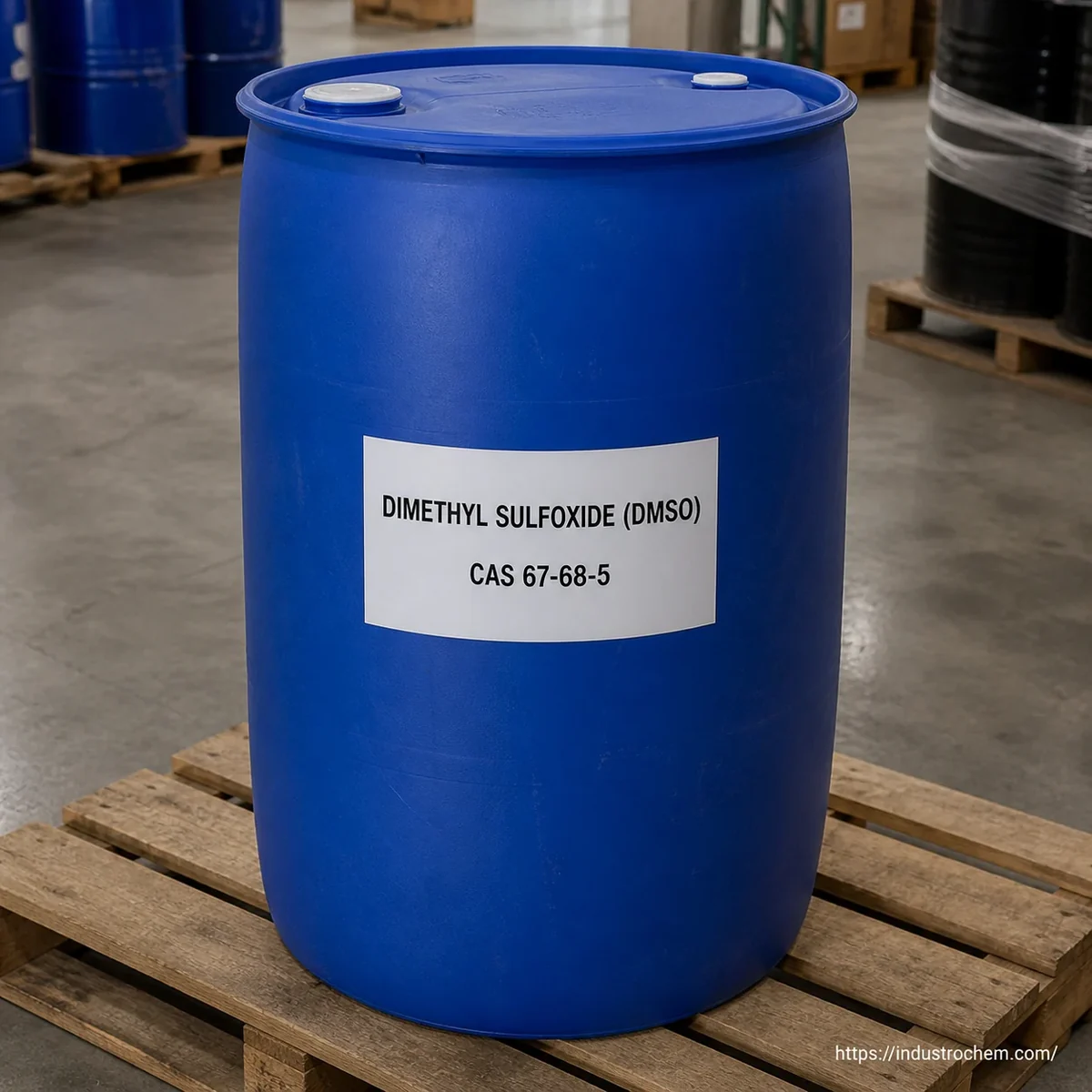
Solvent comparison. N-Methyl-2-pyrrolidone (NMP) and dimethyl sulfoxide (DMSO) are other polar aprotic solvents used in selected polymer and synthesis processes. Their resin compatibility, boiling and freezing behaviour, recovery requirements and handling profiles differ from DMF, so a change requires process qualification.
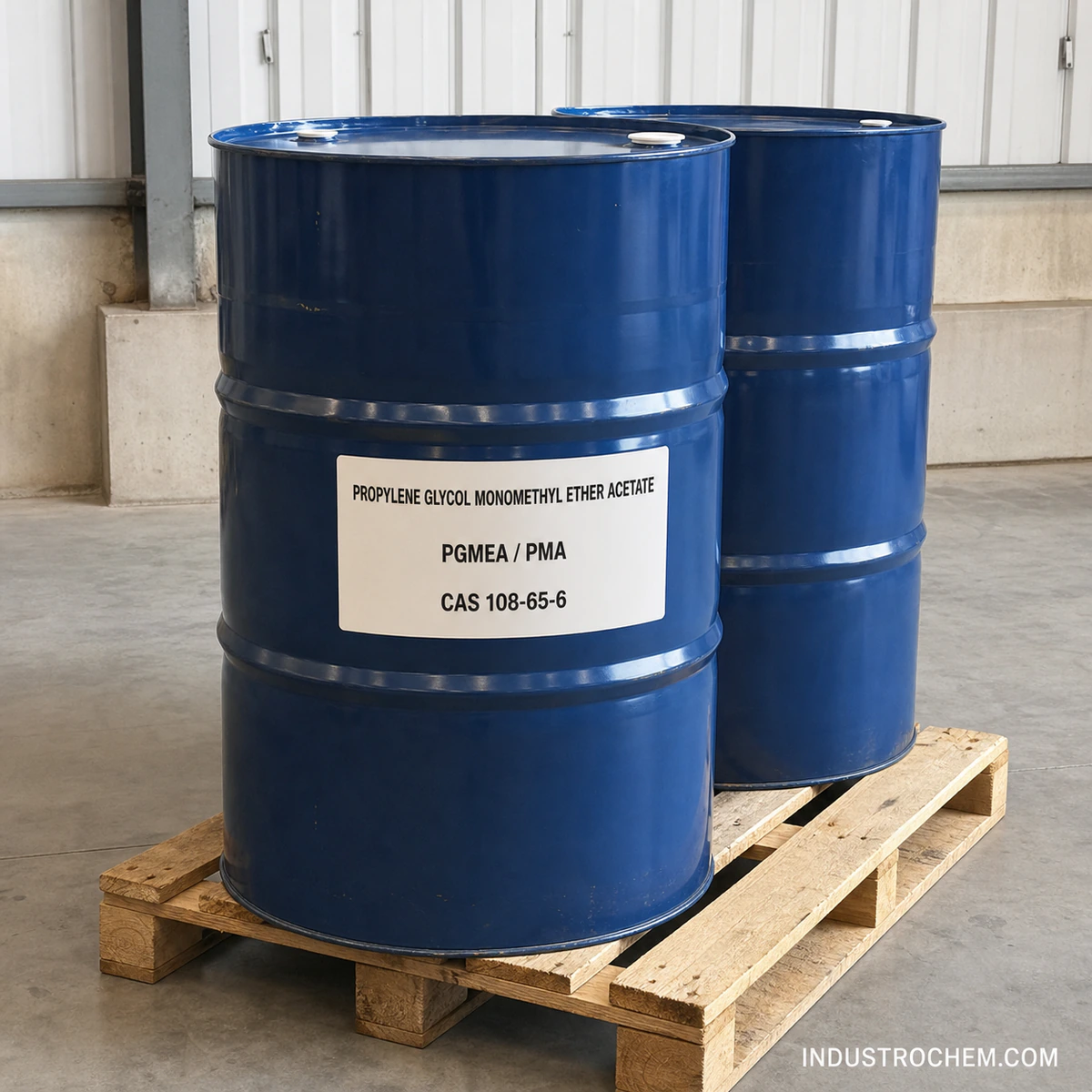
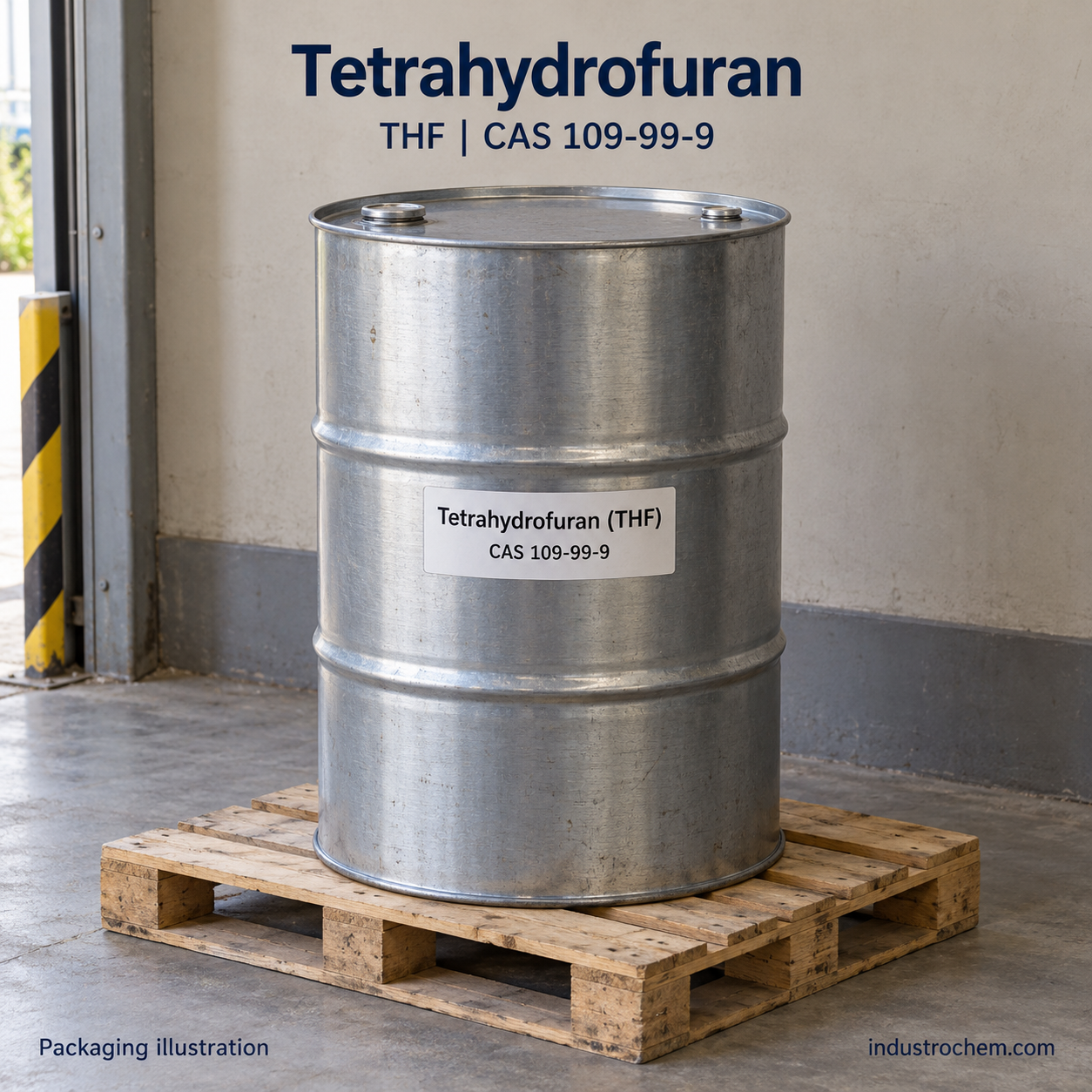
For coating and ink formulations, propylene glycol monomethyl ether acetate (PGMEA/PMA) is an ether-ester comparison with different water miscibility and resin compatibility. Tetrahydrofuran (THF) is a more volatile cyclic-ether comparison for suitable reaction or polymer processes, with separate peroxide-control and handling requirements. Neither is a general drop-in replacement for DMF.
Product documents and quotation. We can provide a Certificate of Analysis (COA), Technical Data Sheet (TDS), Safety Data Sheet (SDS), and applicable GC assay/chromatographic and Karl Fischer water-test information for the quoted DMF grade. Send the quantity, intended process, required impurity limits, packing preference and destination for a quotation.
FAQ - Technical & Supply Chain
-
Q:
Are DMF and N,N-Dimethylformamide the same solvent?
A: Yes. DMF and N,N-dimethylformamide identify CAS 68-12-2. DMAc, NMP and DMF dimethyl acetal are different chemicals. Use the full product name, CAS number and required solvent grade when ordering. -
Q:
Which specifications matter when purchasing industrial DMF?
A: Start with DMF assay, Karl Fischer water, acidity or alkalinity and colour limits. Add residue, trace metals or conductivity where the process requires them. The GC reporting basis and test conditions belong in the specification; high purity alone does not establish an anhydrous or electronic grade. -
Q:
What should be confirmed before bulk DMF delivery?
A: Agree the quantity, compatible sealed containers, delivery format and unloading arrangement. For reused bulk tanks, include cleanliness and previous-cargo requirements. DMF takes up moisture, so keep the product closed and protected from contamination, and follow the product SDS for handling and exposure controls.
Ordering & Documentation
Key information for document requests, quotations, and supply planning.
Documents
Tell us which documents your procurement team needs. Before an order, we will check whether the quoted source can provide them for the offered lot.
Quotation
Send the CAS number, grade, quantity, packing preference and destination.
Sample & Supply
Ask whether samples, trial quantities or repeat orders are possible. We will check each request against the sourced product and current offer.
Storage & Shipping
Product-specific conditions are confirmed before order.