

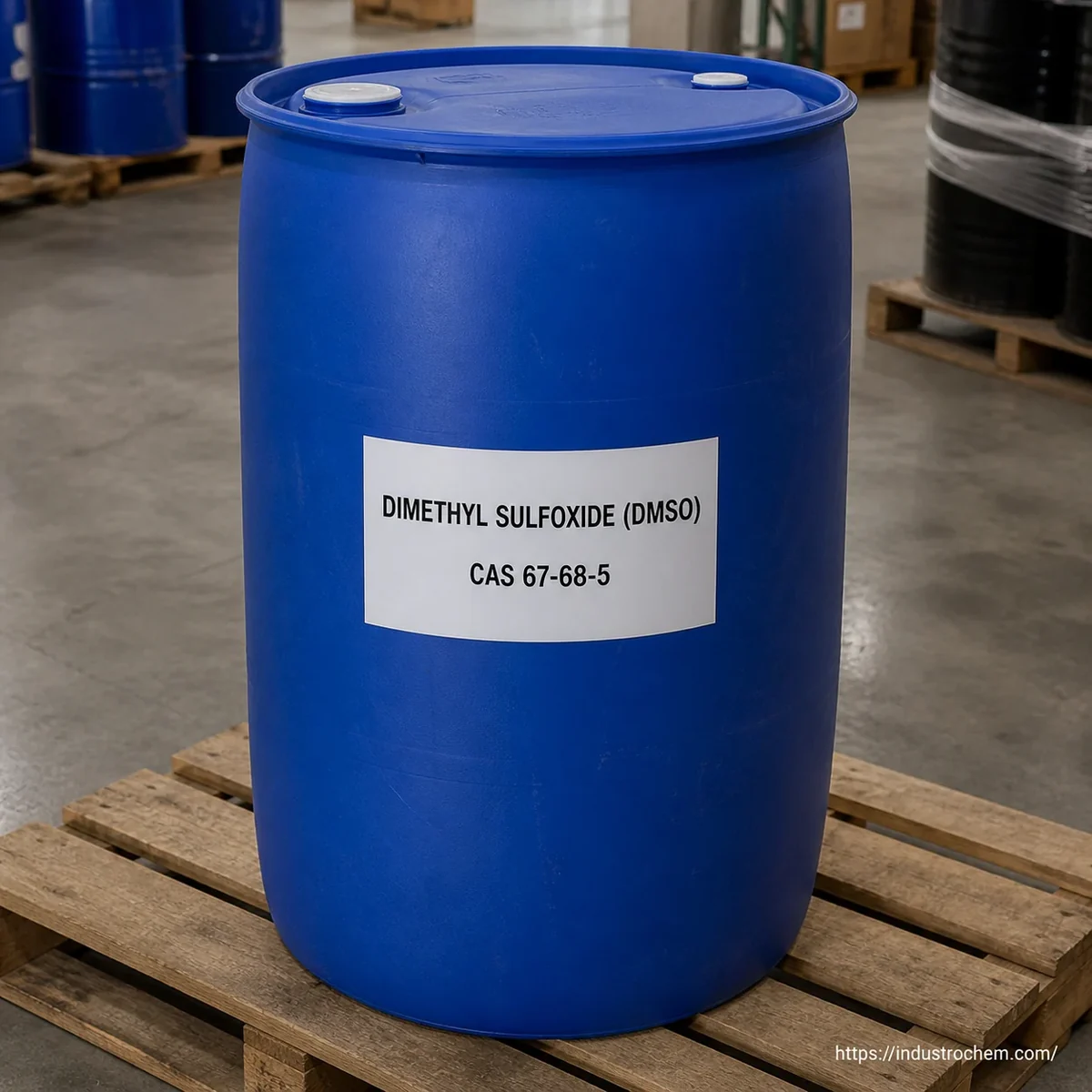
Dimethyl Sulfoxide (DMSO), CAS 67-68-5, is a polar aprotic solvent for organic synthesis and polymer processing. Its hygroscopic nature makes water content an important specification; high-purity DMSO can crystallize close to room temperature.
Dimethyl Sulfoxide (DMSO) CAS 67-68-5
- CAS: 67-68-5
- Synonyms: Dimethyl sulfoxide; DMSO; Methyl sulfoxide; Dimethyl sulphoxide
- Einecs: 200-664-3
- Molecular Formula: C₂H₆OS
- Grade: DMSO grade, assay and water limits agreed for the application
- Package: Sealed compatible packaging for DMSO; pack size and delivery format by quotation
Product Description
DMSO is a hygroscopic polar aprotic solvent with the formula C₂H₆OS and a molar mass of 78.13 g/mol. Pure DMSO freezes at about 18.5 °C; freezing behavior changes when water or other components are present.

We can provide COA (Certificate of Analysis), TDS (Technical Data Sheet), SDS (Safety Data Sheet), GC chromatograms and water-test information from a Karl Fischer method validated for DMSO. Send your required assay, water and impurity limits, quantity and destination for a quotation.
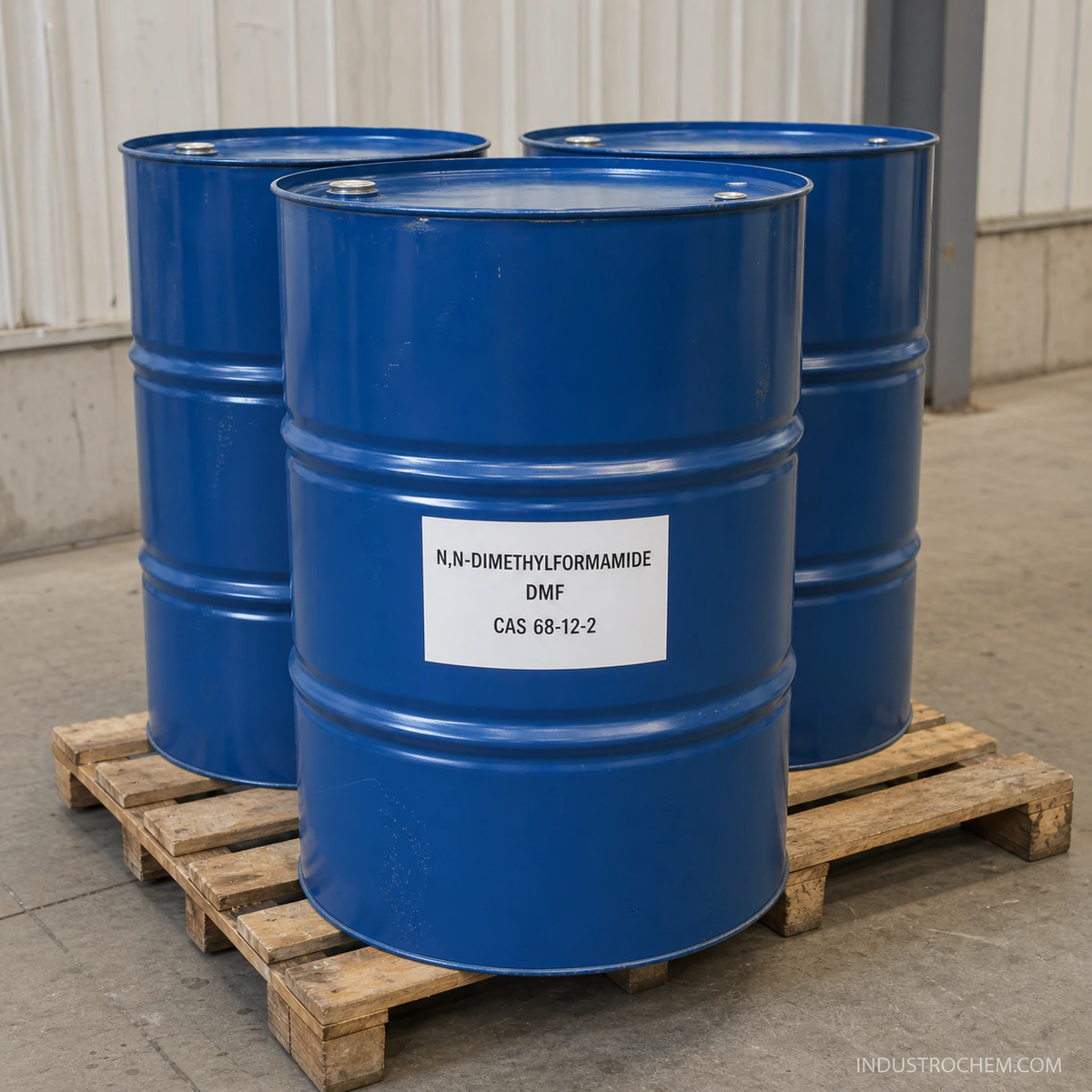
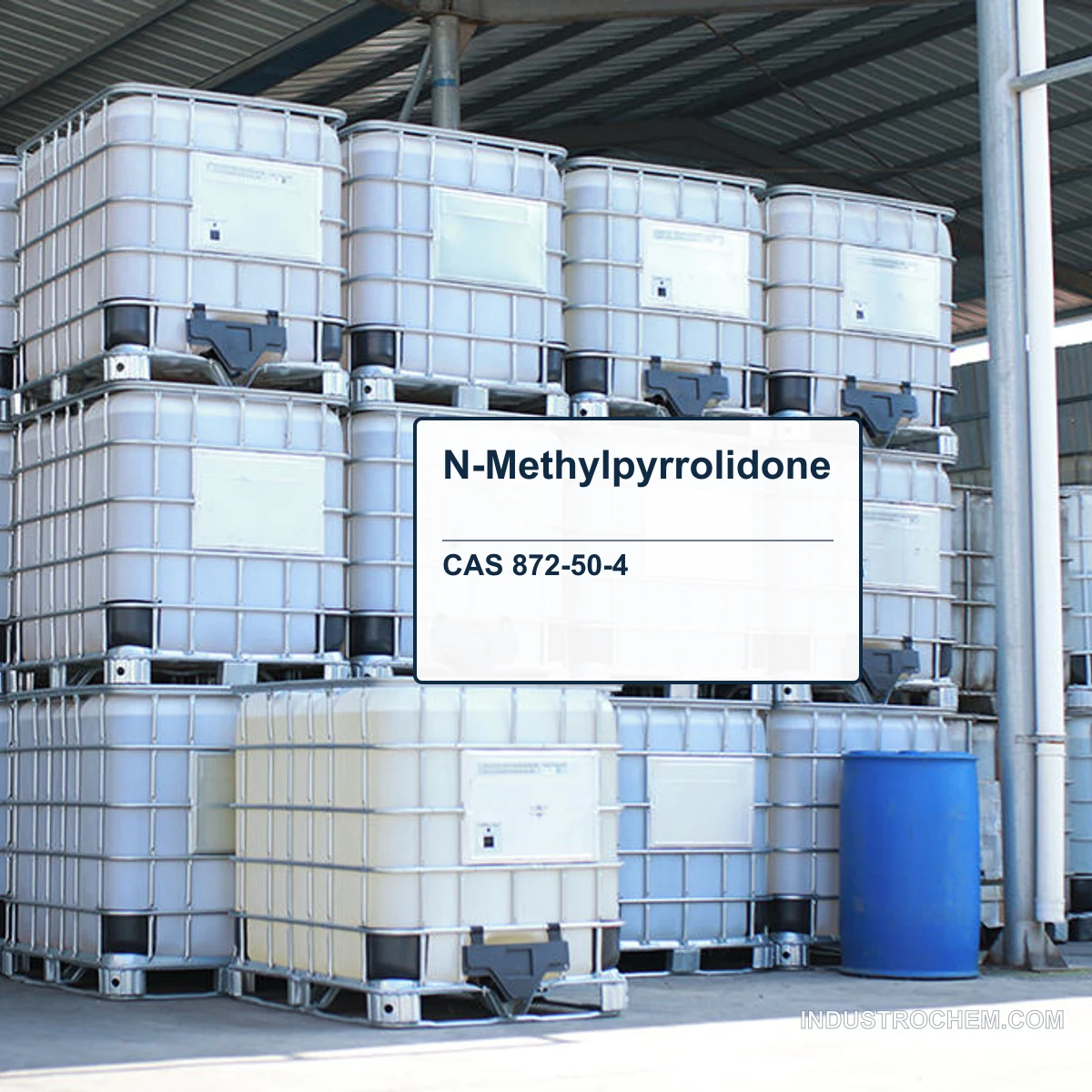
N,N-Dimethylformamide (DMF) and N-Methyl-2-pyrrolidone (NMP) are other polar aprotic solvents used in synthesis and processing. Compare solvent power, reaction compatibility, water specification, recovery conditions and the applicable SDS before choosing a process solvent.
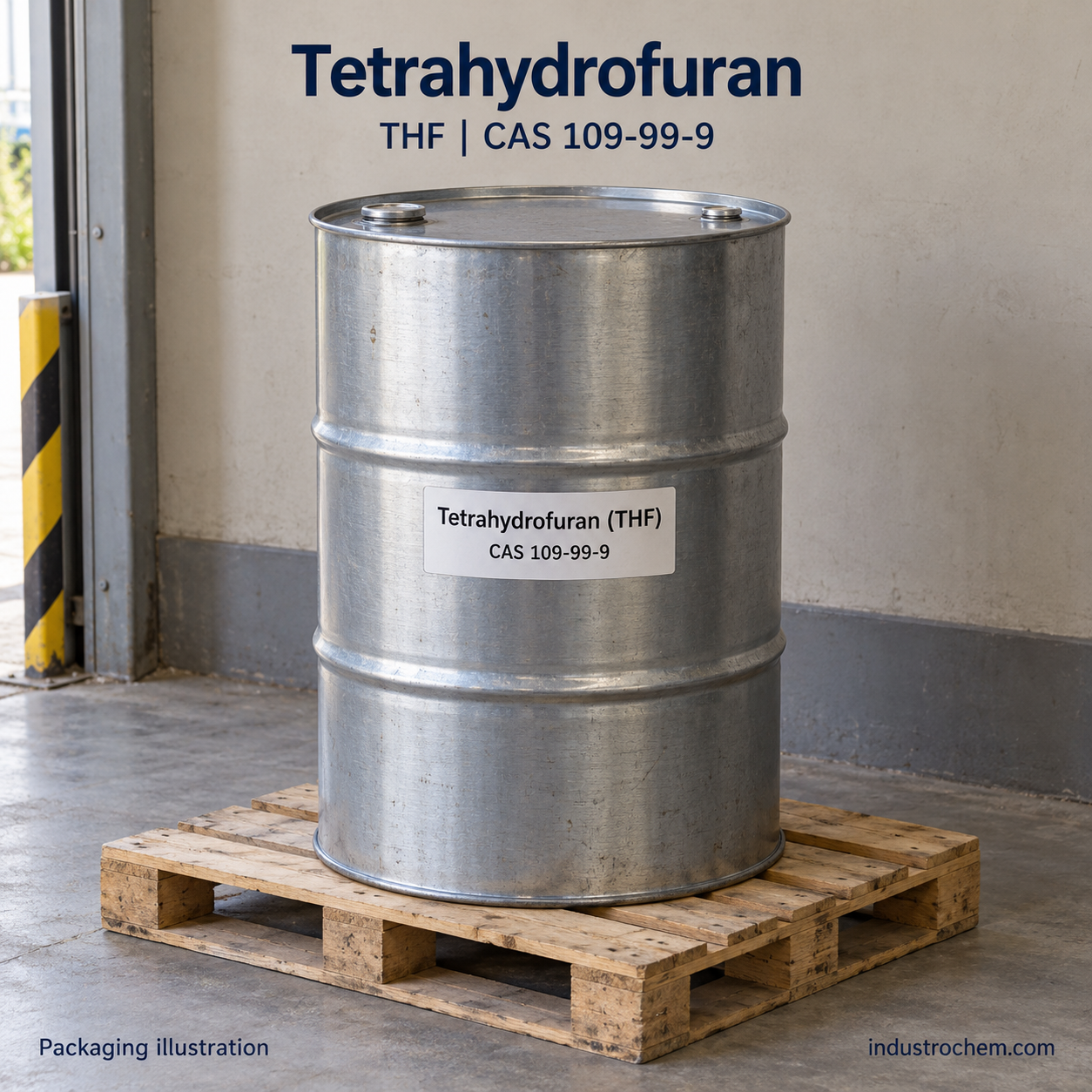
Tetrahydrofuran (THF) and propylene carbonate offer different volatility and solvency profiles from DMSO. A change of solvent can affect reaction conditions, separation and product quality, so these products should be evaluated for the actual process rather than treated as direct equivalents.
FAQ - Technical & Supply Chain
-
Q:
How do industrial, anhydrous, electronic and pharmacopoeial DMSO grades differ?
A: Anhydrous grades have a defined low water limit; electronic grades add trace-metal controls; pharmacopoeial grades require the applicable monograph tests and documentation. A high GC assay alone does not establish these grades. The quotation should match the grade and specification required by the process. -
Q:
How should assay and water content be compared in a DMSO specification?
A: GC assay and water content determined using a Karl Fischer method validated for DMSO are separate results and should be reviewed with their methods and reporting basis. A GC peak-area percentage is not automatically the mass fraction of DMSO, and some commercial assay methods apply a water correction. Add limits for acidity, color, nonvolatile residue or application-specific impurities where required. -
Q:
What matters for bulk DMSO storage and delivery?
A: Use dry, tightly closed, compatible packaging to limit moisture uptake. High-purity DMSO can crystallize at normal room temperatures; crystallization alone does not indicate contamination. For solidified material, agree a suitable warming procedure and check homogeneity before use. Pack size, delivery format and handling conditions are agreed for the order using the current SDS.
Ordering & Documentation
Key information for document requests, quotations, and supply planning.
Documents
Tell us which documents your procurement team needs. Before an order, we will check whether the quoted source can provide them for the offered lot.
Quotation
Send the CAS number, grade, quantity, packing preference and destination.
Sample & Supply
Ask whether samples, trial quantities or repeat orders are possible. We will check each request against the sourced product and current offer.
Storage & Shipping
Product-specific conditions are confirmed before order.