







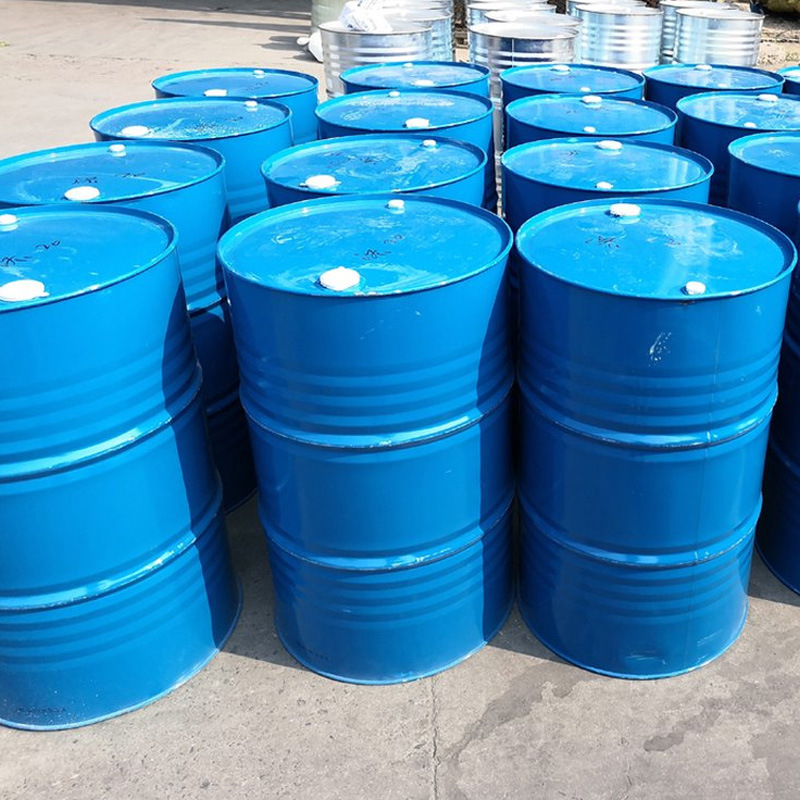
Dimethyl Carbonate is an organic carbonate ester widely employed as a low-toxicity solvent and methylating agent in lithium battery electrolyte production. Recognized in the chemical sector as DMC or Methyl carbonate, this volatile liquid functions as a carbonylating reagent for the synthesis of polycarbonates and pharmaceuticals, replacing hazardous compounds like phosgene. We supply this environmentally benign raw material with competitive factory pricing for industrial-scale applications. Our logistics framework guarantees bulk supply availability and customized specifications, fully supported by MSDS, TDS, COA documentation for regulatory adherence.
Dimethyl Carbonate CAS 616-38-6
- CAS: 616-38-6
- Synonyms: Methyl carbonate, Carbonic acid dimethyl ester, DMC, Dimethyl ester carbonic acid
- Einecs: 210-478-4
- Molecular Formula: C3H6O3
- Grade: Industrial grade 99%
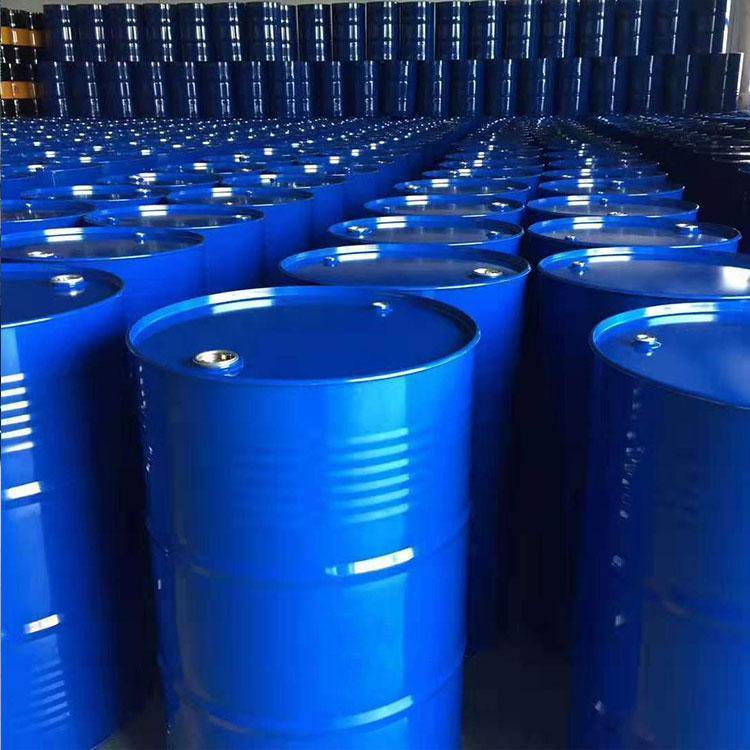
- Package: 200kg iron drum or 50kg plastic drum packing
Product Description
Dimethyl carbonate (dimethyl carbonate,DMC), Chemistry C3H6O3, the molecular weight is 90.08, and it is a transparent liquid at room temperature, with a slight fragrance. It is insoluble in water, but it can be miscible with alcohols, ketones, esters, etc. DMC is an important organic synthesis intermediate, DMC molecules contain carbonyl, methyl, methoxy and other groups, with good reaction performance, can replace highly toxic phosgene, dimethyl sulfate, chloromethane, etc. as carbonylating agents, methylating agents and methoxylating agents, in production has the characteristics of safe use, convenience, less pollution, easy transportation, etc., known as “new base in the field of organic synthesis in the 21st century”. In addition, DMC is widely used in the pesticide, pharmaceutical, fragrance, fuel additives, solvents, and electronics industries
Melting point/freezing point (°C): 0.5-5°C
Boiling point/boiling range (°C°C): 90~91
Vapor pressure: 7.4kPa at 25°C 18mmHg at 21.1°C 96hPa at 37.8℃
Relative density (water = 1): 1.069
Relative vapor density (air=1): 3.1 Octanol/water partition coefficient (logPow): 0.354 at 20°C
Critical pressure (MPa): 4.5
Moisture ≤ 0.05%
UN 1161, Class 3
Flash point (°C): 16
Viscosity: 0.625 cPs at 20 °C
Spontaneous combustion temperature (°C): 458
Explosion Limit % (V/V): 21.3
Lower explosion limit % (V/V): 3.8
Solubility: insoluble in water, miscible in most organic solvents, miscible in acids and alkalis.
Chemical properties
As a green carbonylating agent, dimethyl carbonate has the advantages of mild reaction conditions and few by-products (mainly methanol and carbon dioxide). It is widely used in organic synthesis for carbonylation, methylation and other reactions.
Storage and transportation
Precautions for storage: Flammable, its vapor mixed with air, can form an explosive mixture, stored in a cool, dry and well-ventilated non-combustible warehouse. Stay away from fire and heat sources. The temperature should not exceed 37°C. Keep the container tightly sealed. It should be stored separately from oxidants, reducing agents, acids, etc., and should not be mixed. Explosion-proof lighting and ventilation facilities are adopted. It is forbidden to use mechanical equipment and tools that are prone to sparks. The storage area should be equipped with leakage emergency treatment equipment and suitable containment materials stored in a cool, dry and well-ventilated non-combustible warehouse.

FAQ - Technical & Supply Chain
-
Q:
Does Dimethyl Carbonate correspond to the specific methyl ester structure distinct from Diethyl Carbonate (DEC)?
A: Dimethyl Carbonate is verified under CAS 616-38-6 as the simplest organic carbonate containing two methyl groups, distinguishing it from higher homologues like Diethyl Carbonate (DEC) or Ethyl Methyl Carbonate to ensure the specific evaporation rate and polarity required for electrolytes and solvent blends. -
Q:
Why is Dimethyl Carbonate frequently substituted for Methyl Ethyl Ketone (MEK) or Toluene in coating formulations?
A: Dimethyl Carbonate is typically applied as a "green" replacement solvent because it holds VOC-exempt status in many regulations, offering versatile solvency power similar to traditional ketones and esters but with a significantly lower environmental footprint and toxicity profile.
Documents and Product Support
For product review and sourcing evaluation, supporting documents can be coordinated according to the product type, inquiry stage, and order requirements.
- COA for batch-based quality reference
- TDS for key physical and chemical information
- SDS / MSDS for handling, storage, and safety reference
- Packing information for sample, trial, and bulk orders
- Technical communication based on application and specification requirements
Information to Confirm Before Quotation
Clear sourcing information helps reduce specification mismatch and allows a more accurate quotation before sample or bulk order discussion.
- Product name and CAS number
- Application or intended end use
- Required purity, grade, or specification
- Sample quantity, trial order, or bulk demand
- Preferred packing form or net weight
- Destination country or port
- Required documents or compliance expectations
Packaging, Storage, and Handling Notes
Packaging form, storage conditions, shelf life, and shipment arrangements should be confirmed according to the product characteristics, package size, and destination requirements.
Before order confirmation, buyers are advised to review the corresponding product documents and confirm whether any special storage, labeling, or handling requirements apply.
Sample, Bulk Order and Repeat Supply Support
Support can be arranged for sample discussion, bulk supply planning, packaging confirmation, and routine sourcing communication based on the actual product and order requirements.
For repeat-use formulations or long-term procurement plans, buyers may discuss specification consistency, packaging preferences, delivery expectations, and document coordination in advance.