









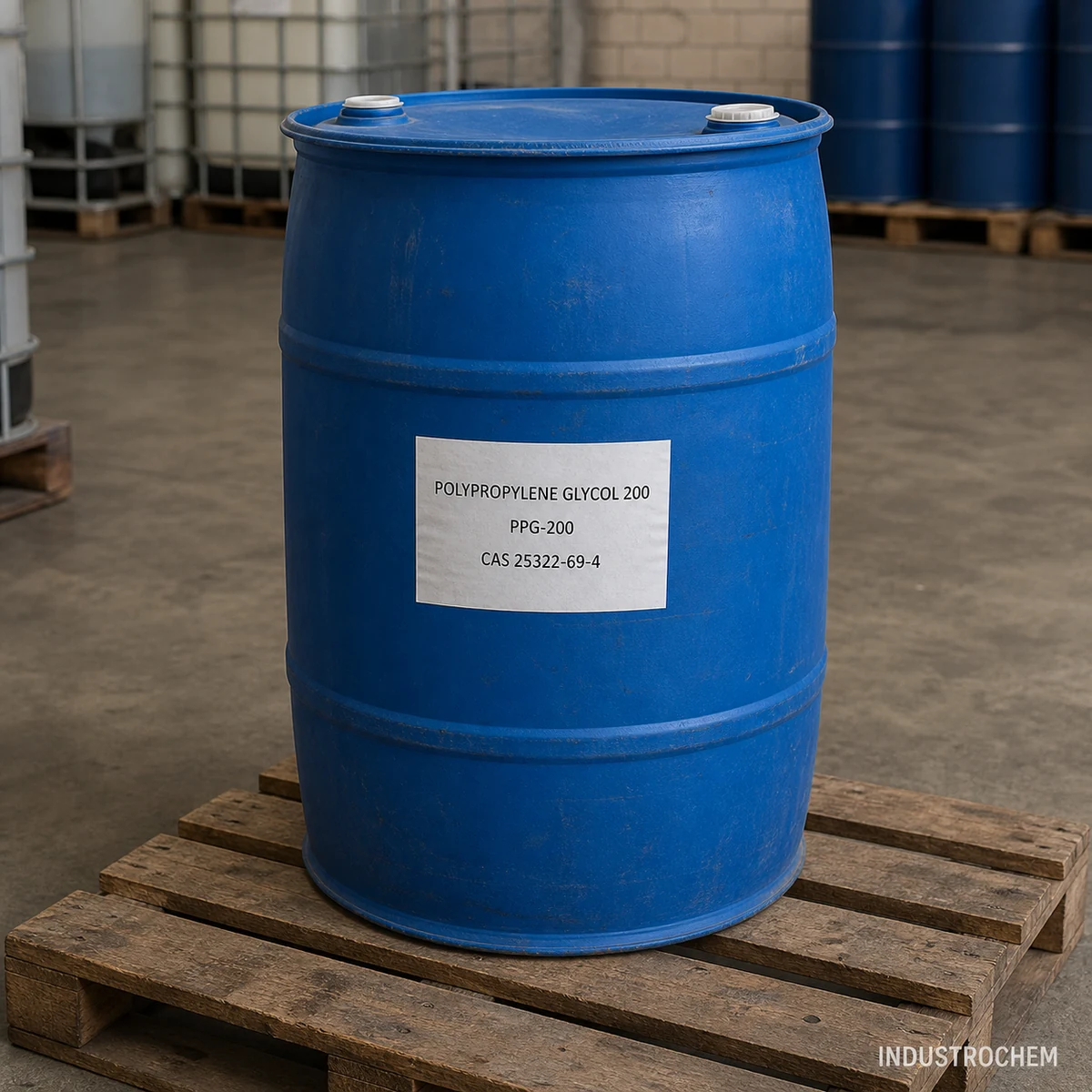
• Polypropylene Glycol 200 (PPG-200) CAS 25322-69-4

Polypropylene Glycol 200 (PPG-200) CAS 25322-69-4

Polypropylene Glycol 200 (PPG‑200) is a low‑molecular‑weight polyether polyol with an average molecular weight of approximately 200. Identified by the polymeric CAS No. 25322‑69‑4, it features low viscosity, good solvency, and compatibility with various industrial formulations. PPG‑200 is commonly used as a solvent, lubricant component, and formulation intermediate in chemical processing applications. The product is supplied for industrial use with standard documentation including MSDS, TDS, and COA.

  • CAS: 25322-69-4
  • Synonyms: Polypropylene Glycol 200, PPG-200, Polypropylene Oxide Polyol, PPG Polyether
  • Einecs: 500‑039‑2
  • Molecular Formula: C₃H₆O‌
  • Grade: 99%
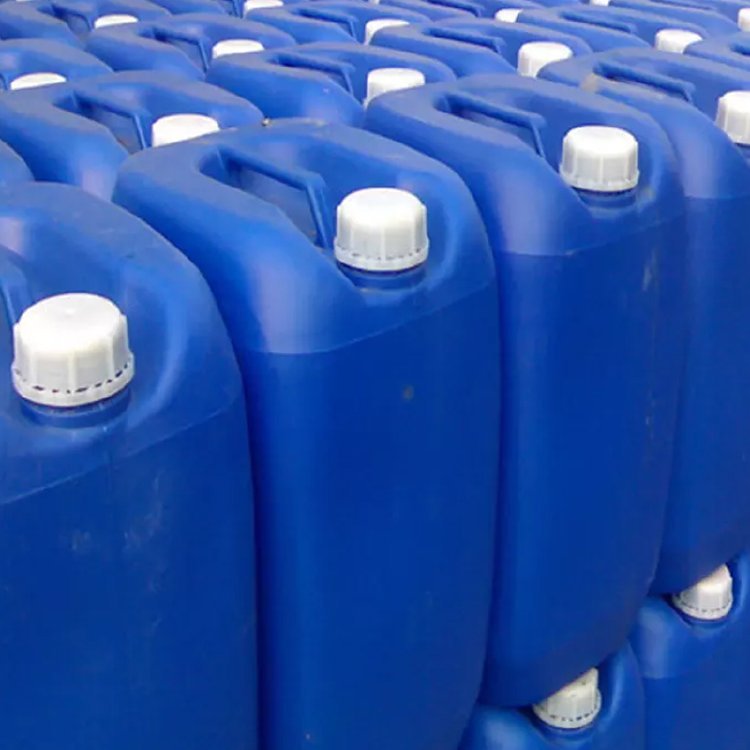
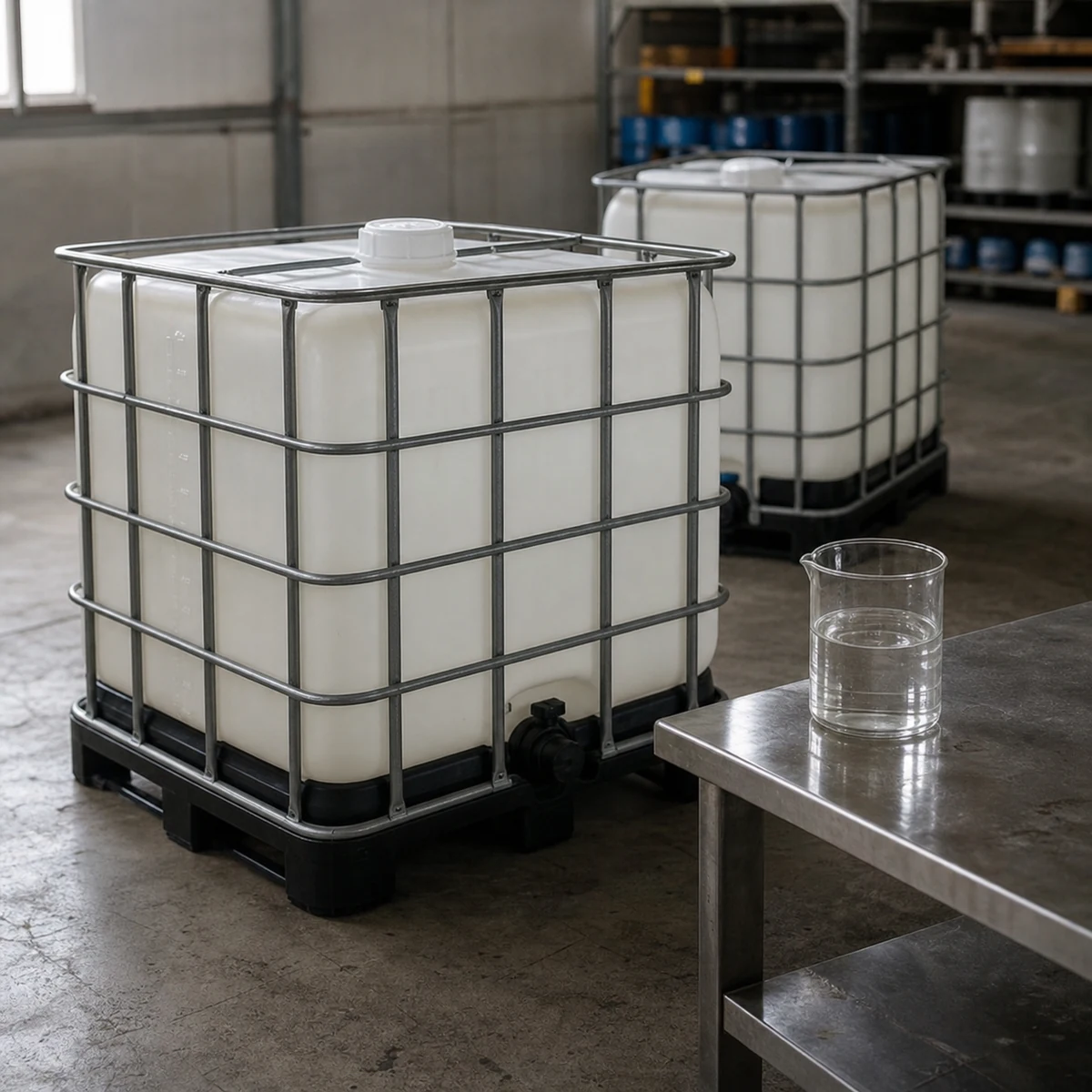
  • Package: 200kg iron drum or 50kg plastic drum packaging
Request a quote
Share:

Product Description

Physicochemical properties

PropertyDescription
Molecular WeightApproximately 200 g/mol
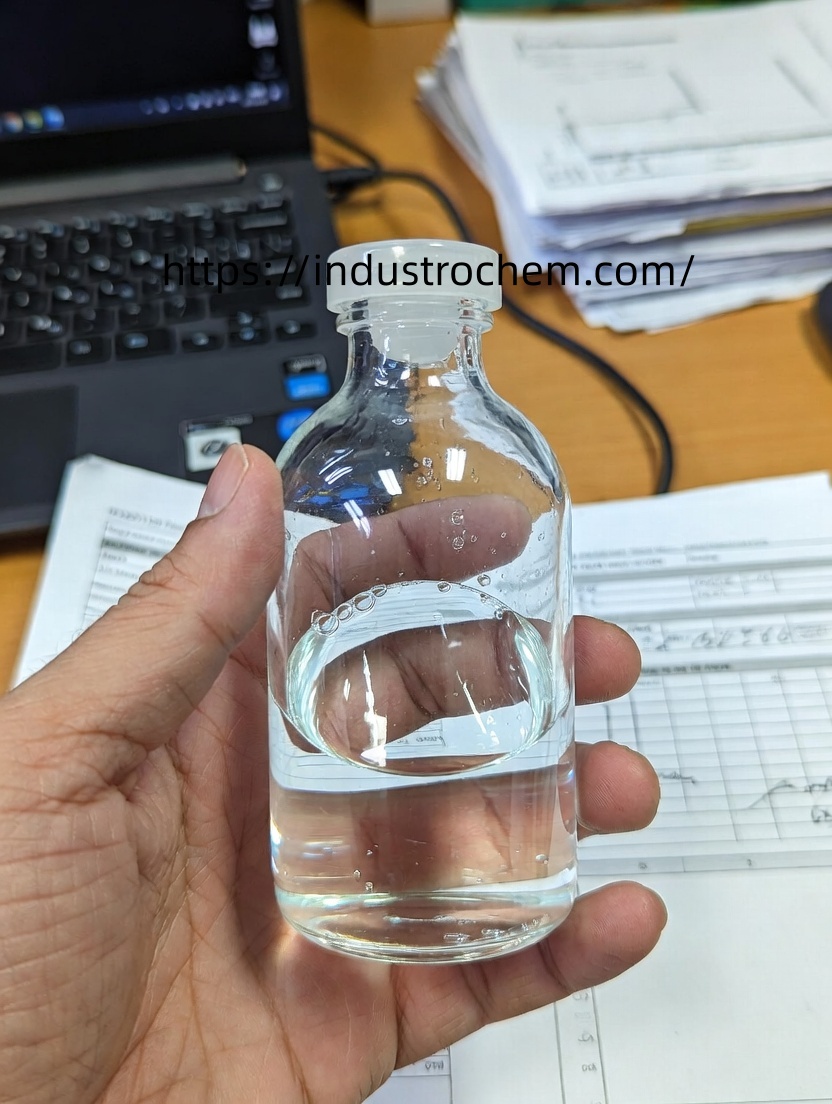
AppearanceColorless to pale yellow transparent viscous liquid
SolubilitySoluble in water, toluene, ethanol, trichloroethylene, and other organic solvents
pH (1% aqueous solution)5.0–7.0
Hydroxyl Value510–623 mg KOH/g
ViscosityLow viscosity at room temperature
StabilityStable against acids, bases, and oxidizers; non-flammable
Storage ConditionsStore in a dry, ventilated area at room temperature (5–30°C), away from moisture
Shelf Life2 years (when stored properly)

Application Areas

Surfactants and emulsifiers: Non ionic surfactants with excellent wetting, dispersing, and emulsifying properties.
Lubricants and defoamers: Effectively prevent foam formation in coating, hydraulic oil and synthetic rubber processing. Enhance the lubricity of metalworking fluids and high-temperature lubricants.
Chemical intermediates: key raw materials for esterification, etherification, and condensation reactions.
Cosmetics and personal care: Used as a moisturizer, softener, and lubricant in skincare products such as PPG-400.
Other applications: pigment dispersant, defoamer for agricultural chemicals, drug carrier.

Storage conditions

Packaging requirements: It is recommended to use 200kg iron drums or 50kg plastic drums for packaging, ensuring that the container is clean, dry, sealed, and leak free. Although the product is not flammable, it still needs to avoid direct contact with air to prevent moisture absorption.
Transportation and Shelf Life: Transported according to general chemical specifications, the shelf life is usually two years. Special rules for flammable liquids do not need to be followed during storage, but groundwater pollution must be prevented

‌‌Safety precautions

Non-toxic and Non-irritating: Safe for industrial use with standard protective equipment (gloves, goggles).

Disposal: Follow local regulations for non-hazardous chemical waste.

Spill Response: Absorb with inert material (e.g., sand) and dispose of as waste.

FAQ - Technical & Supply Chain

  • Q:

    Why does PPG‑200 share the same CAS as other PPG grades?

    A: CAS 25322‑69‑4 represents polypropylene glycol as a polymeric substance, while the number (200, 400, 1000) indicates average molecular weight.
  • Q:

    Is PPG‑200 water soluble?

    A: PPG‑200 is partially miscible with water and readily miscible with many organic solvents.
Documents

Documents and Product Support

For product review and sourcing evaluation, supporting documents can be coordinated according to the product type, inquiry stage, and order requirements.

  • COA for batch-based quality reference
  • TDS for key physical and chemical information
  • SDS / MSDS for handling, storage, and safety reference
  • Packing information for sample, trial, and bulk orders
  • Technical communication based on application and specification requirements
Quotation

Information to Confirm Before Quotation

Clear sourcing information helps reduce specification mismatch and allows a more accurate quotation before sample or bulk order discussion.

  • Product name and CAS number
  • Application or intended end use
  • Required purity, grade, or specification
  • Sample quantity, trial order, or bulk demand
  • Preferred packing form or net weight
  • Destination country or port
  • Required documents or compliance expectations
Storage & Handling

Packaging, Storage, and Handling Notes

Packaging form, storage conditions, shelf life, and shipment arrangements should be confirmed according to the product characteristics, package size, and destination requirements.

Before order confirmation, buyers are advised to review the corresponding product documents and confirm whether any special storage, labeling, or handling requirements apply.

Supply Support

Sample, Bulk Order and Repeat Supply Support

Support can be arranged for sample discussion, bulk supply planning, packaging confirmation, and routine sourcing communication based on the actual product and order requirements.

For repeat-use formulations or long-term procurement plans, buyers may discuss specification consistency, packaging preferences, delivery expectations, and document coordination in advance.

Contact Form

Use our contact form to send us your questions, suggestions or comments. We will respond as soon as possible.