









Tripropylene Glycol (TPG) CAS 24800-44-0 is a colorless, water-soluble, viscous liquid chemically defined as a mixture of isomers of [(1-methyl-1,2-ethanediyl)bis(oxy)]bispropanol , functioning primarily as a versatile intermediate in the production of polymers and functional fluids. Distinguished by its high boiling point and lower volatility compared to Dipropylene Glycol (DPG), this hygroscopic solvent is utilized as the key precursor for synthesizing Tripropylene Glycol Diacrylate (TPGDA), a critical monomer in UV-curable coatings and inks. It also serves as a base fluid in hydraulic brake systems and a coupling agent in water-based cutting fluids. We provide professional access to this material with competitive factory pricing and the ability to meet customized specifications (typically >99.5% purity with low acidity) for various manufacturing requirements. Our commitment to technical transparency ensures that every shipment is accompanied by comprehensive MSDS, TDS, COA documentation to support your quality assurance protocols, and we maintain capacity for consistent bulk supply to facilitate large-scale industrial operations.
Tripropylene Glycol CAS 24800-44-0
- CAS: 24800-44-0
- Synonyms: TPG, [(1-methyl-1,2-ethanediyl)bis(oxy)]bispropanol, Triglycol, Polypropylene glycol 200, Tripropylene glycol mixture of isomers
- Einecs: 246-466-0
- Molecular Formula: C9H20O4
- Grade: Industrial Grade, UV Grade (Low Aldehyde).
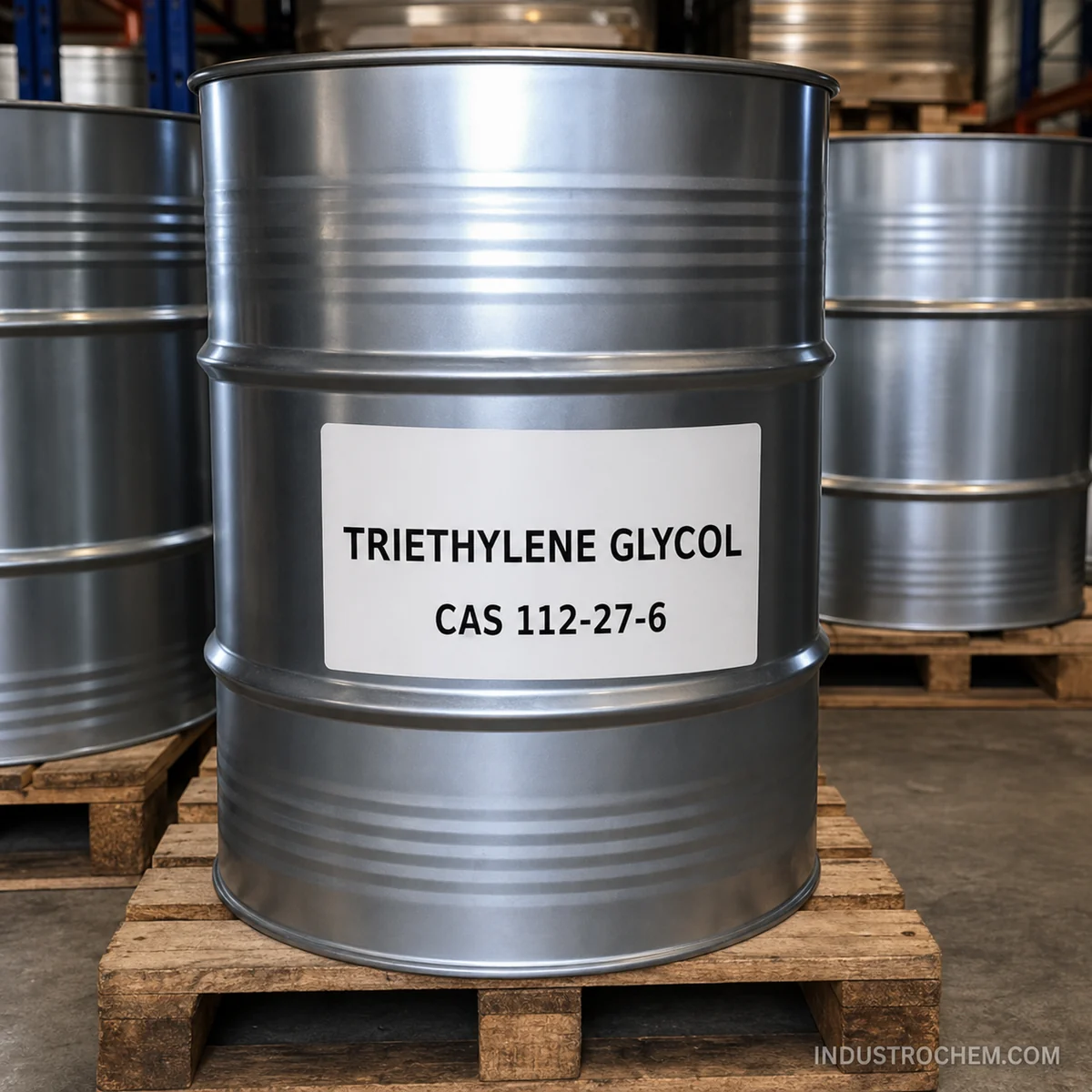
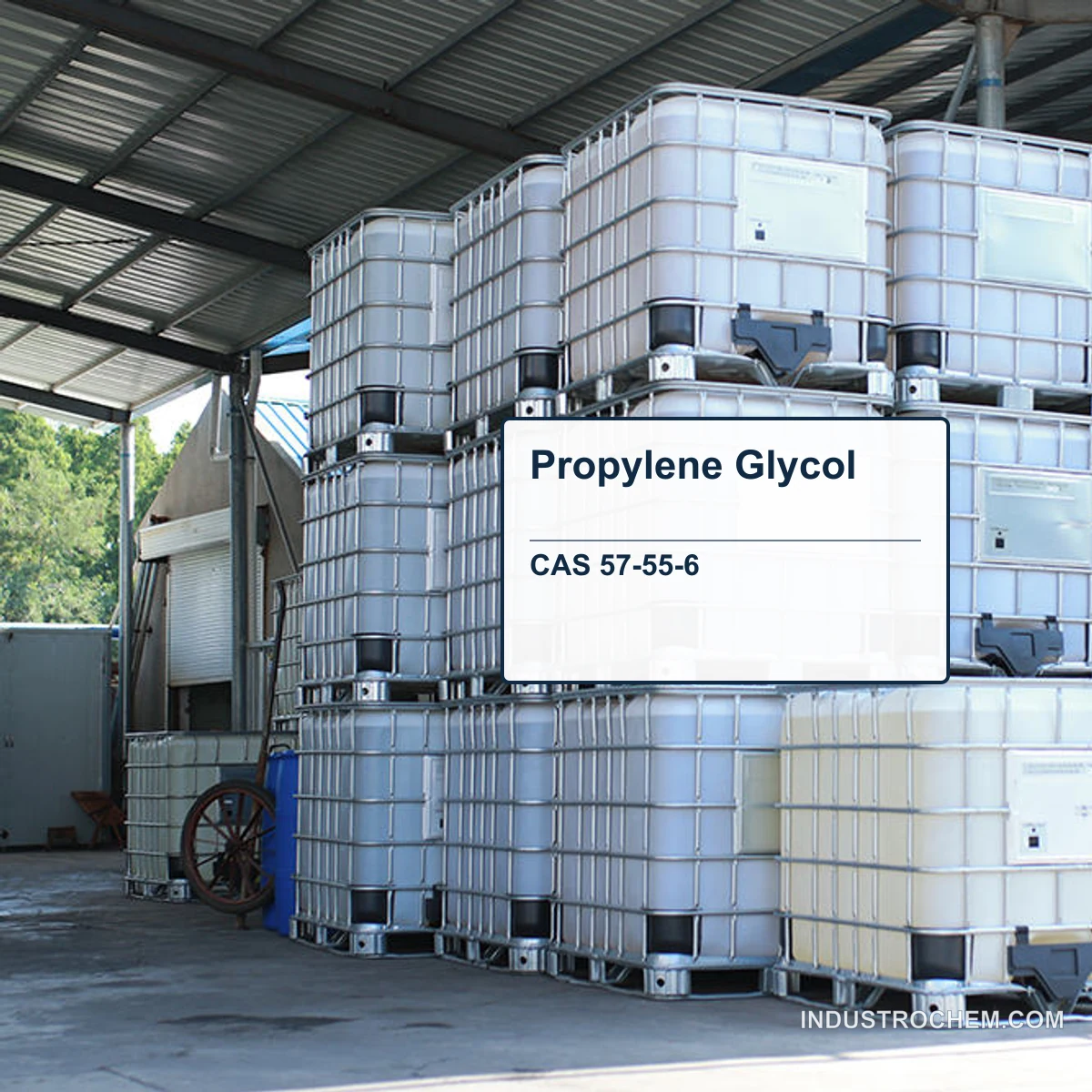
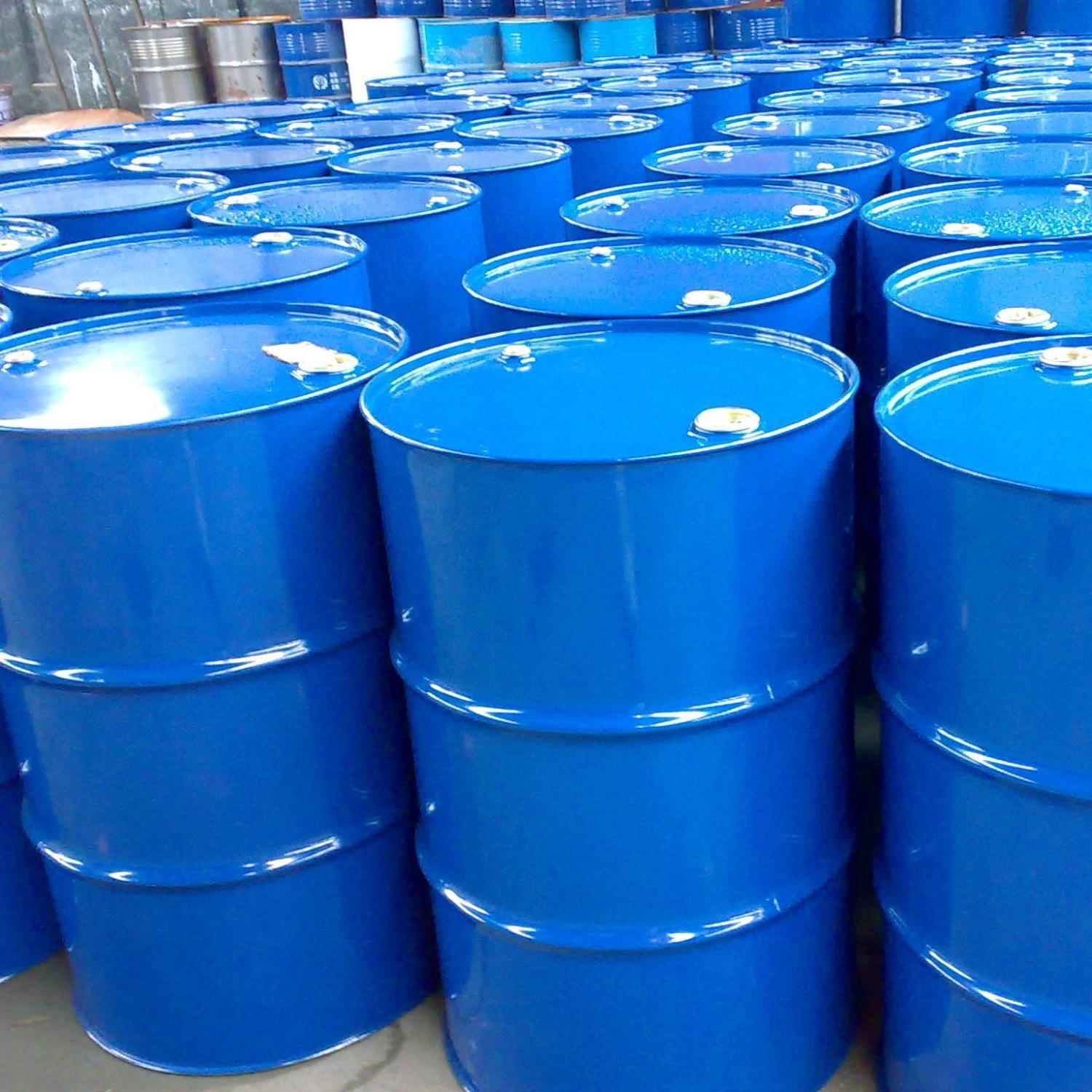
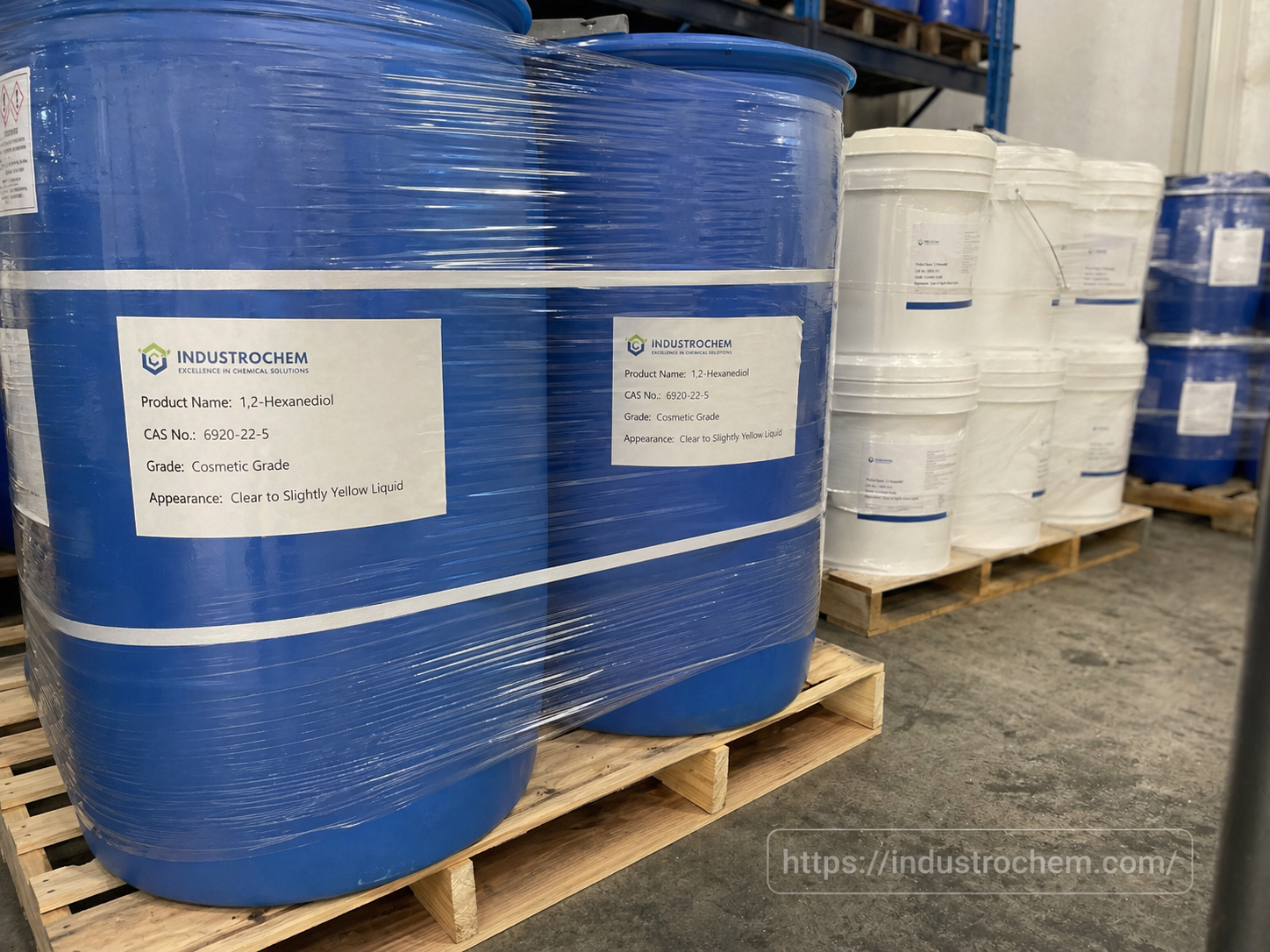
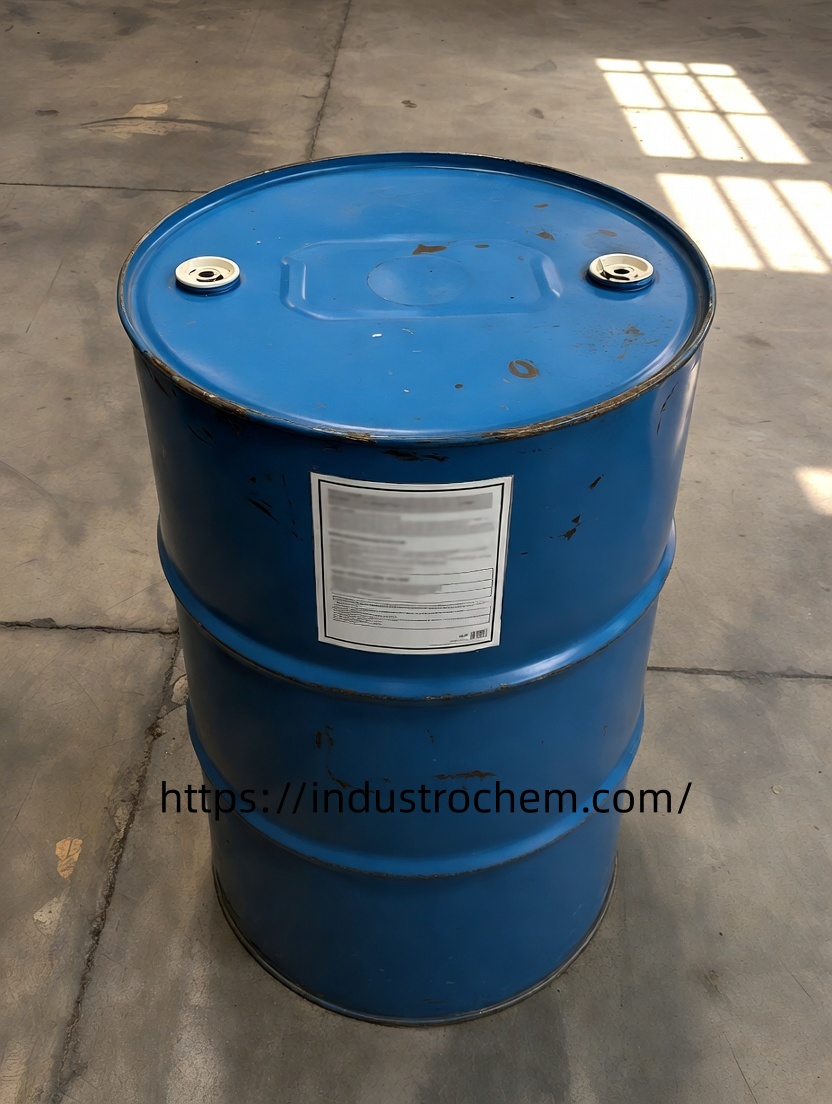
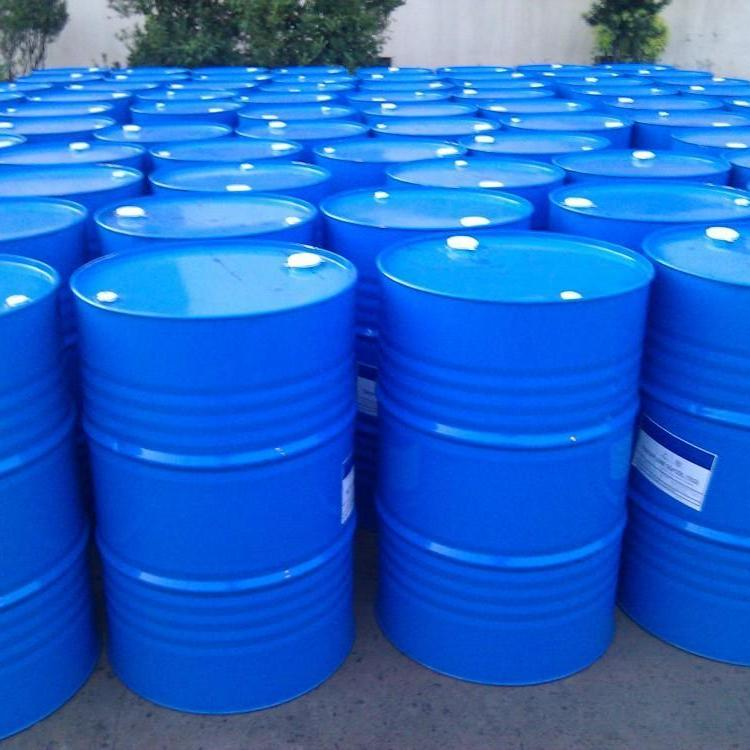
- Package: 215kg Iron/HDPE Drum, 1000kg IBC Tank, or 23MT Flexitank.
Product Description
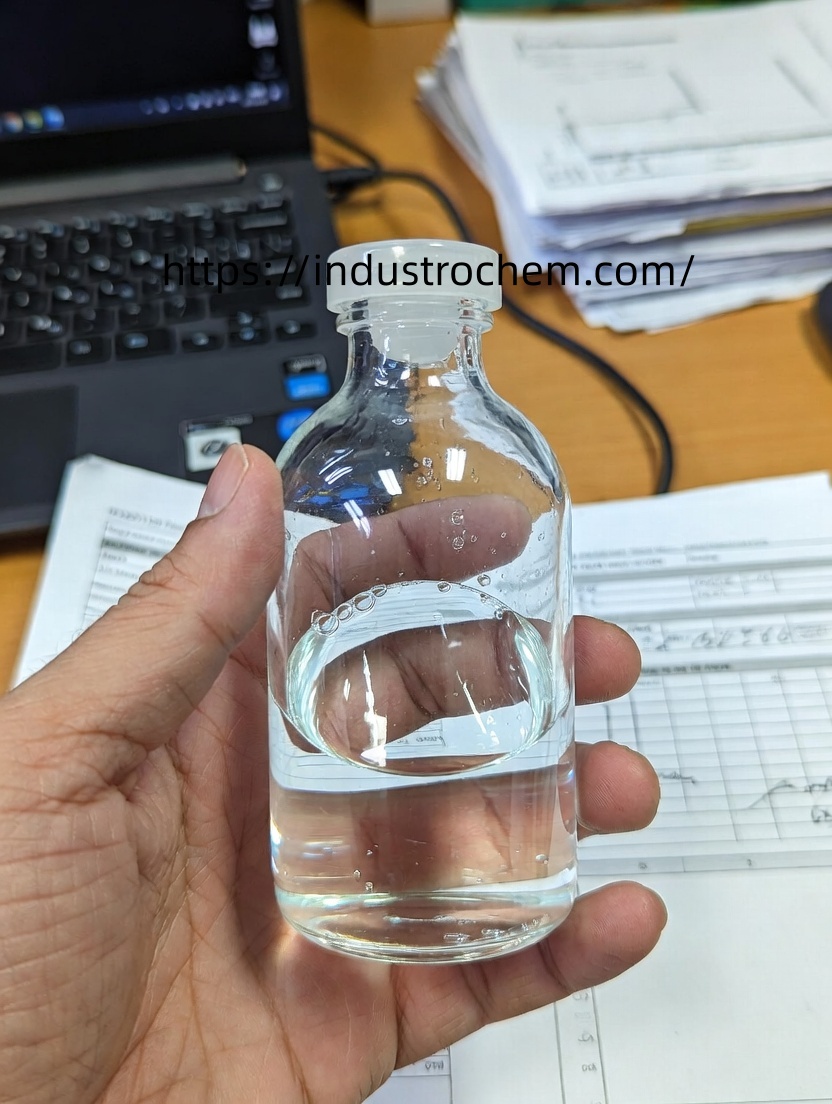
Tripropylene Glycol (TPG) is a colorless, water-soluble, medium-viscosity liquid glycol. It is a mixture of isomers produced by the hydration of propylene oxide. TPG is distinguished by its low volatility, low toxicity, and excellent solvent power for a wide range of organic compounds.
Compared to lower molecular weight glycols (like MPG or DPG), TPG offers a higher boiling point and greater hydrophobicity. It is extensively used as a chemical intermediate for the synthesis of acrylates (TPGDA) in the radiation-curing industry and as a functional solvent in inks and lubricants.
Need TPGDA-ready grade or specific isomer distribution? 📧 Email: info@industrochem.com
Our TPG is manufactured via a continuous process that ensures extremely low color and minimal aldehyde content, ensuring stability in UV-sensitive formulations.
Physicochemical Properties (Technical Data)
The following specifications represent our Standard Industrial/UV Grade, tailored for high-end synthesis and solvent applications.
| Property | Specification | Test Method |
|---|---|---|
| Appearance | Clear, Colorless Liquid | Visual Inspection |
| Assay (Purity) | ≥99.5% | Gas Chromatography (GC) |
| Color (Pt-Co/APHA) | ≤10 | ASTM D1209 |
| Water Content | ≤0.10% | Karl Fischer (ASTM E203) |
| Acidity (as Acetic Acid) | ≤0.01% | Titration (ASTM D1613) |
| Density (20°C) | 1.018 – 1.023 g/cm³ | ASTM D4052 |
| Boiling Range | 265°C – 275°C | ASTM D1078 |
| Flash Point | >140∘C | Closed Cup |
| Viscosity (25°C) | ~ 57 mPa·s | ASTM D445 |
| Solubility | Soluble in water, ethanol, toluene | – |
Applications
Tripropylene Glycol is a versatile component in modern chemical formulations:
1. UV-Curing Industry (Primary Application):
- TPGDA Synthesis: TPG is the primary reactant used to produce Tripropylene Glycol Diacrylate (TPGDA), a reactive diluent used widely in UV-curable overprint varnishes, wood coatings, and inks due to its low viscosity and high reactivity.
2. Printing Inks & Paints:
- Solvent: Acts as a high-boiling solvent and coupling agent in printing inks (especially screen printing) to control drying time and improve flow.
- Latex Paints: Used as a coalescing aid to ensure smooth film formation.
3. Functional Fluids & Lubricants:
- Hydraulic Fluids: Serves as a base component or additive in hydraulic brake fluids.
- Metalworking: Used in cutting oils and grinding fluids due to its lubricity and stability.
4. Textile & Leather:
- Processing Aids: Used in the formulation of textile soaps and lubricants to reduce static and improve fiber handling.
Quality Assurance (QA/QC)
purity is paramount. Our TPG production is monitored under ISO 9001:2015 standards.
- Purity Verification: We utilize Gas Chromatography (GC) for every batch to ensure the purity exceeds 99.5% and to monitor the isomer distribution.
- Moisture Control: Since TPG is hygroscopic, we strictly control water content using Karl Fischer titration. Low moisture is critical for customers using TPG for esterification (TPGDA production) to prevent side reactions.
- Color Stability: We monitor the APHA color value to ensure the product is crystal clear (≤10 APHA), preventing discoloration in final clear-coat applications.
Storage, Handling & Safety
Storage Conditions:
- Hygroscopic Nature: TPG readily absorbs moisture from the air. Tanks and drums must be kept tightly sealed.
- Inert Atmosphere: For long-term bulk storage, nitrogen blanketing is recommended to prevent oxidation (which can form aldehydes and increase acidity).
- Temperature: Store in a cool, dry place. The product is stable and does not freeze easily, but viscosity increases at low temperatures.
Safety Precautions (HSE):
- Toxicity: TPG is considered to have low acute toxicity, making it safer than Ethylene Glycol series products.
- Flammability: It has a high flash point (>140°C) but constitutes a Class IIIB combustible liquid. Keep away from open flames.
- PPE Recommendations:
- Eyes: Wear safety glasses with side shields.
- Skin: Wear chemical-resistant gloves (Nitrile/Neoprene) during transfer operations.
- Ventilation: Ensure general ventilation is adequate.
Secure your supply of high-purity Tripropylene Glycol.
Whether for UV monomer synthesis or high-performance inks, we deliver global standards.
👉 Get a Quote: info@industrochem.com
FAQ - Technical & Supply Chain
-
Q:
How does Tripropylene Glycol (CAS 24800-44-0) differ from Dipropylene Glycol (DPG) in formulation?
A: TPG has a higher molecular weight and a higher boiling point (approx. 270°C) compared to DPG (approx. 230°C). This makes TPG less volatile and slightly more viscous. Formulators choose TPG when they need lower volatility in high-temperature applications or when synthesizing longer-chain acrylates (TPGDA) to reduce shrinkage in UV-cured polymers. -
Q:
Is this glycol completely miscible with water?
A: Yes. Despite having a longer carbon chain than Propylene Glycol, TPG remains fully miscible with water in all proportions. It is also soluble in many organic solvents like ethanol, toluene, and benzene, making it an excellent coupling agent for bringing water-soluble and oil-soluble ingredients together in a single phase.
Documents and Product Support
For product review and sourcing evaluation, supporting documents can be coordinated according to the product type, inquiry stage, and order requirements.
- COA for batch-based quality reference
- TDS for key physical and chemical information
- SDS / MSDS for handling, storage, and safety reference
- Packing information for sample, trial, and bulk orders
- Technical communication based on application and specification requirements
Information to Confirm Before Quotation
Clear sourcing information helps reduce specification mismatch and allows a more accurate quotation before sample or bulk order discussion.
- Product name and CAS number
- Application or intended end use
- Required purity, grade, or specification
- Sample quantity, trial order, or bulk demand
- Preferred packing form or net weight
- Destination country or port
- Required documents or compliance expectations
Packaging, Storage, and Handling Notes
Packaging form, storage conditions, shelf life, and shipment arrangements should be confirmed according to the product characteristics, package size, and destination requirements.
Before order confirmation, buyers are advised to review the corresponding product documents and confirm whether any special storage, labeling, or handling requirements apply.
Sample, Bulk Order and Repeat Supply Support
Support can be arranged for sample discussion, bulk supply planning, packaging confirmation, and routine sourcing communication based on the actual product and order requirements.
For repeat-use formulations or long-term procurement plans, buyers may discuss specification consistency, packaging preferences, delivery expectations, and document coordination in advance.