Triethylene Glycol (TEG), CAS 112-27-6, is also known as triglycol or 2-[2-(2-hydroxyethoxy)ethoxy]ethanol. It is a hygroscopic glycol ether used in natural-gas dehydration and industrial solvent systems. For procurement review, confirm water content, color limits, intended process, and offered form, packaging, and applicable safety documentation.
Triethylene Glycol (TEG) CAS 112-27-6
- CAS: 112-27-6
- Synonyms: Triethylene glycol; TEG; Triglycol; 2-[2-(2-Hydroxyethoxy)ethoxy]ethanol
- Einecs: 203-953-2
- Molecular Formula: C₆H₁₄O₄
- Grade: Confirm current product specification
- Package: Confirm packaging for the offered form
Product Description
Product name: Triethylene Glycol (TEG)
CAS number: 112-27-6; molecular formula: C₆H₁₄O₄.
Identity check: TEG is the established abbreviation for triethylene glycol identified by CAS 112-27-6.
Technical context: natural-gas dehydration and industrial solvent systems
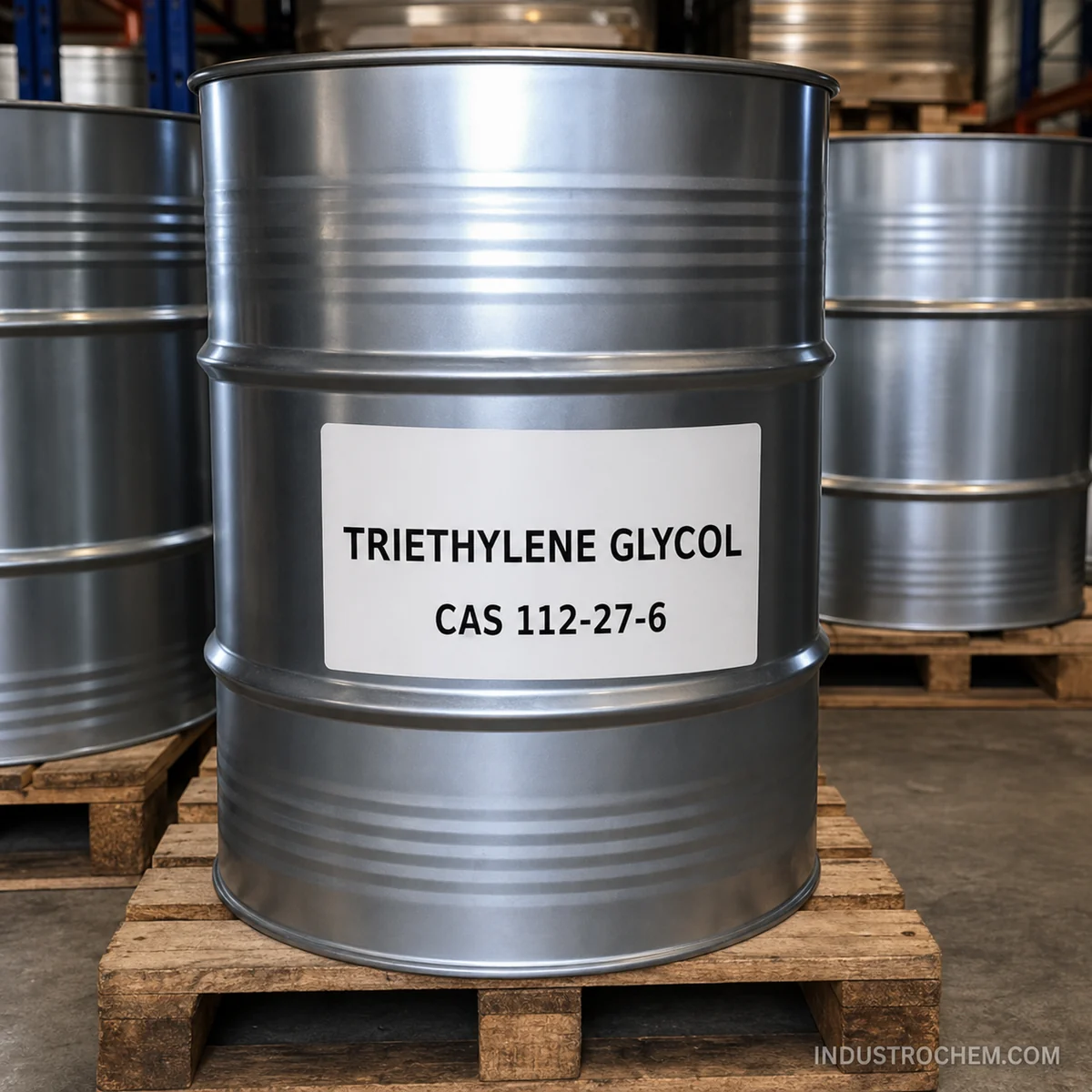
RFQ information: Before an RFQ, confirm water content, color limits, intended process, and offered form.
For procurement review, confirm water content, color limits, intended process, and offered form, packaging, and applicable safety documentation.
FAQ - Technical & Supply Chain
-
Q:
How is Triethylene Glycol distinguished from Diethylene Glycol and Polyethylene Glycol?
A: Triethylene Glycol is the defined compound CAS 112-27-6, formula C₆H₁₄O₄. Diethylene Glycol has CAS 111-46-6, while Polyethylene Glycol is a distribution of chain lengths. They are not interchangeable on a mass basis; confirm the full identity, CAS number, molecular-weight basis and chromatographic profile. -
Q:
Which specifications should be agreed for industrial Triethylene Glycol?
A: Set GC assay, water, color, acidity, ash, density or refractive index and limits for Ethylene Glycol, Diethylene Glycol and heavier glycols as the process requires. State the analytical methods and whether purity is reported by area or mass. Review the batch COA against the intended dehydration, plasticizer or synthesis use. -
Q:
What should be confirmed for bulk TEG storage and delivery?
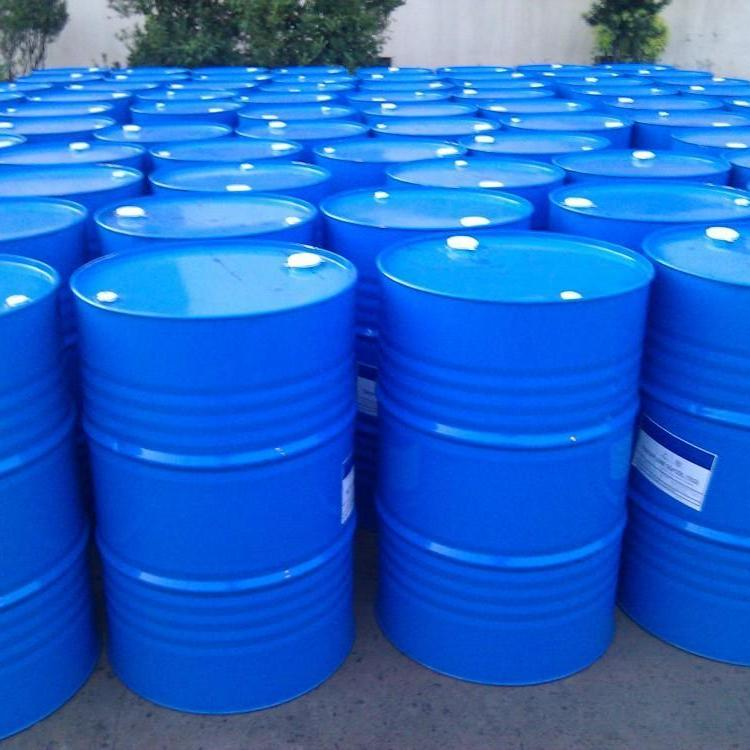
A: TEG is hygroscopic, so use clean, dry, compatible tanks or drums with protected vents and sealed transfer connections. Agree package or tanker format, previous-cargo controls, loading temperature, allowable water pickup, production date and storage history. Sample the delivered lot without exposing it unnecessarily to humid air.
Ordering & Documentation
Key information for document requests, quotations, and supply planning.
Documents
Tell us which documents your procurement team needs. Before an order, we will check whether the quoted source can provide them for the offered lot.
Quotation
Send the CAS number, grade, quantity, packing preference and destination.
Sample & Supply
Ask whether samples, trial quantities or repeat orders are possible. We will check each request against the sourced product and current offer.
Storage & Shipping
Product-specific conditions are confirmed before order.