









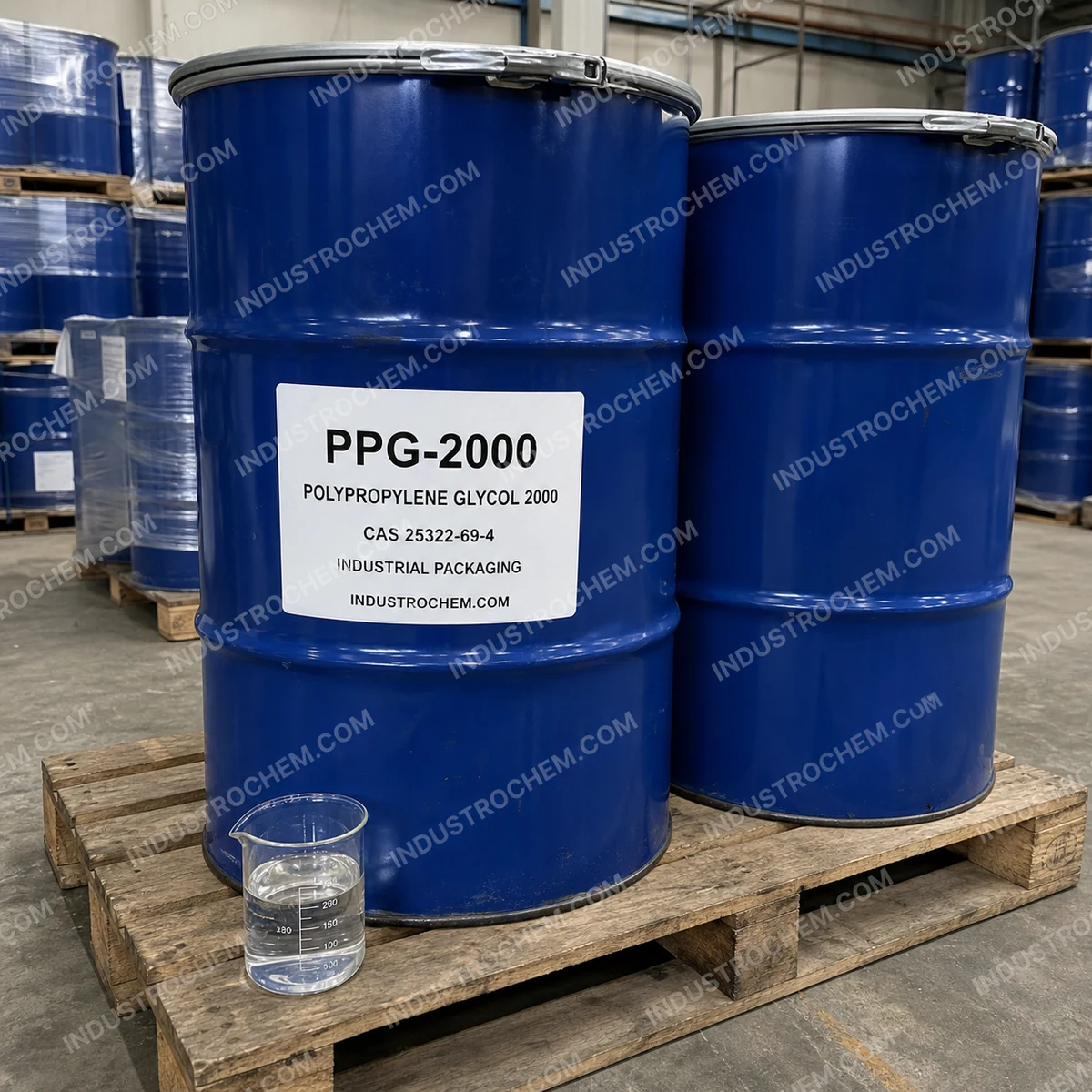
Polypropylene Glycol 2000 (CAS 25322-69-4) is a polyether polyol based on propylene oxide units, providing terminal hydroxyl functionality that participates in polymer network formation through urethane reactions. This material is commonly applied in polyurethane systems, lubricants, plasticizers, and defoamer formulations where controlled molecular weight and hydroxyl functionality are required. The product is supplied for industrial use with standard documentation including MSDS, TDS, and COA.
Polypropylene Glycol 2000 CAS 25322-69-4
- CAS: 25322-69-4
- Synonyms: PPG 2000, Poly(propylene glycol), Polyoxypropylene glycol, Polyether polyol
- Einecs: 500-039-8
- Molecular Formula: (C₃H₆O)ₙ
- Grade: 99%
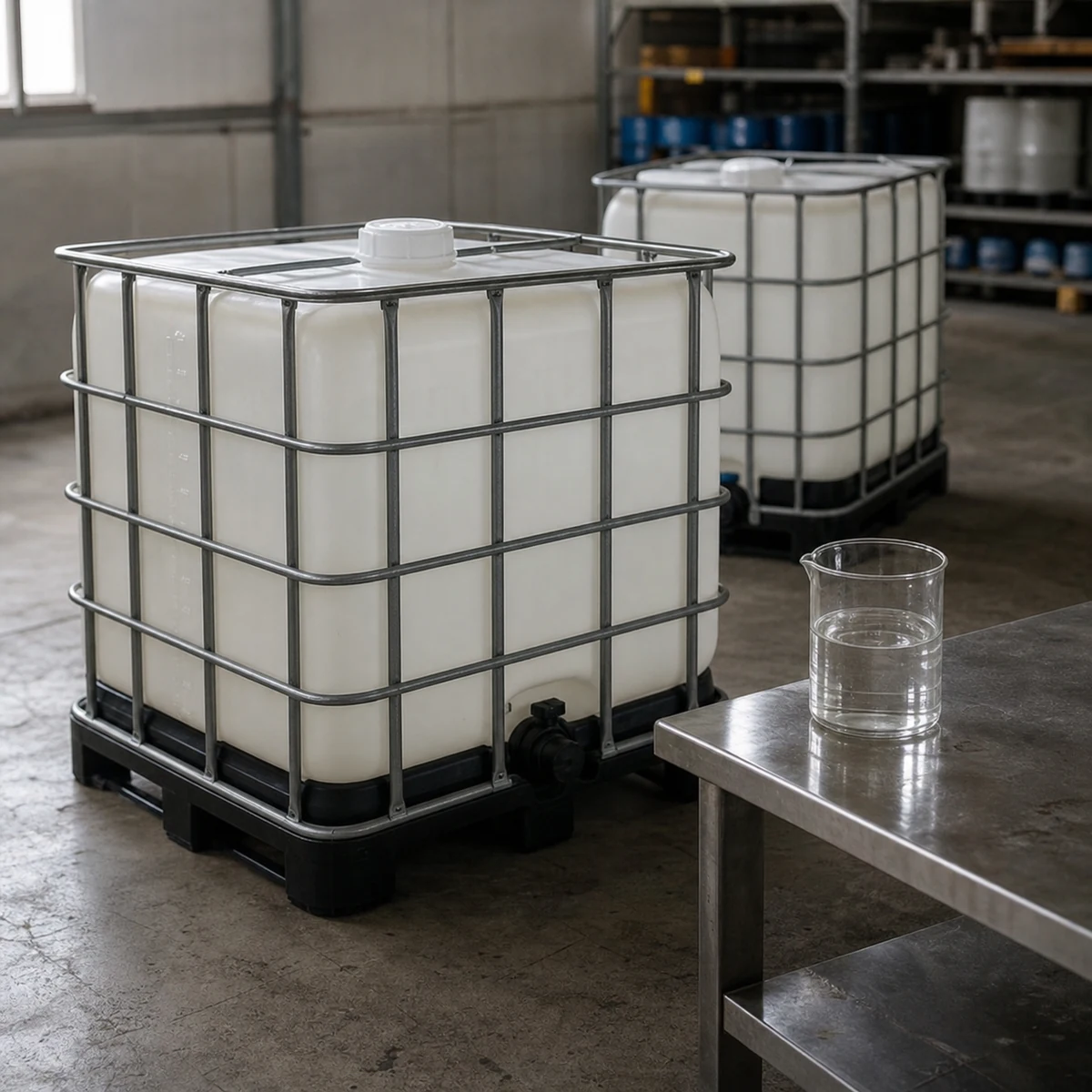
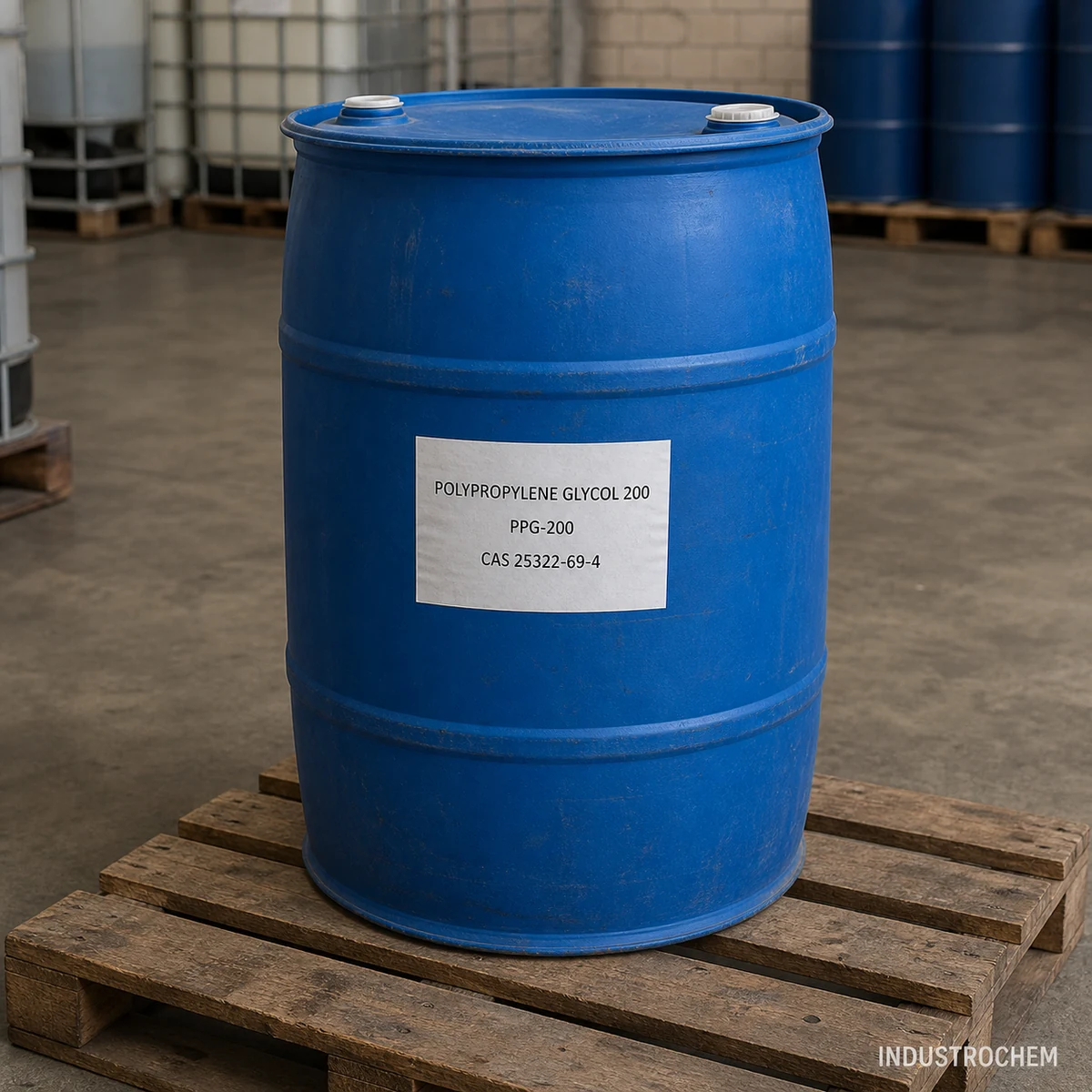
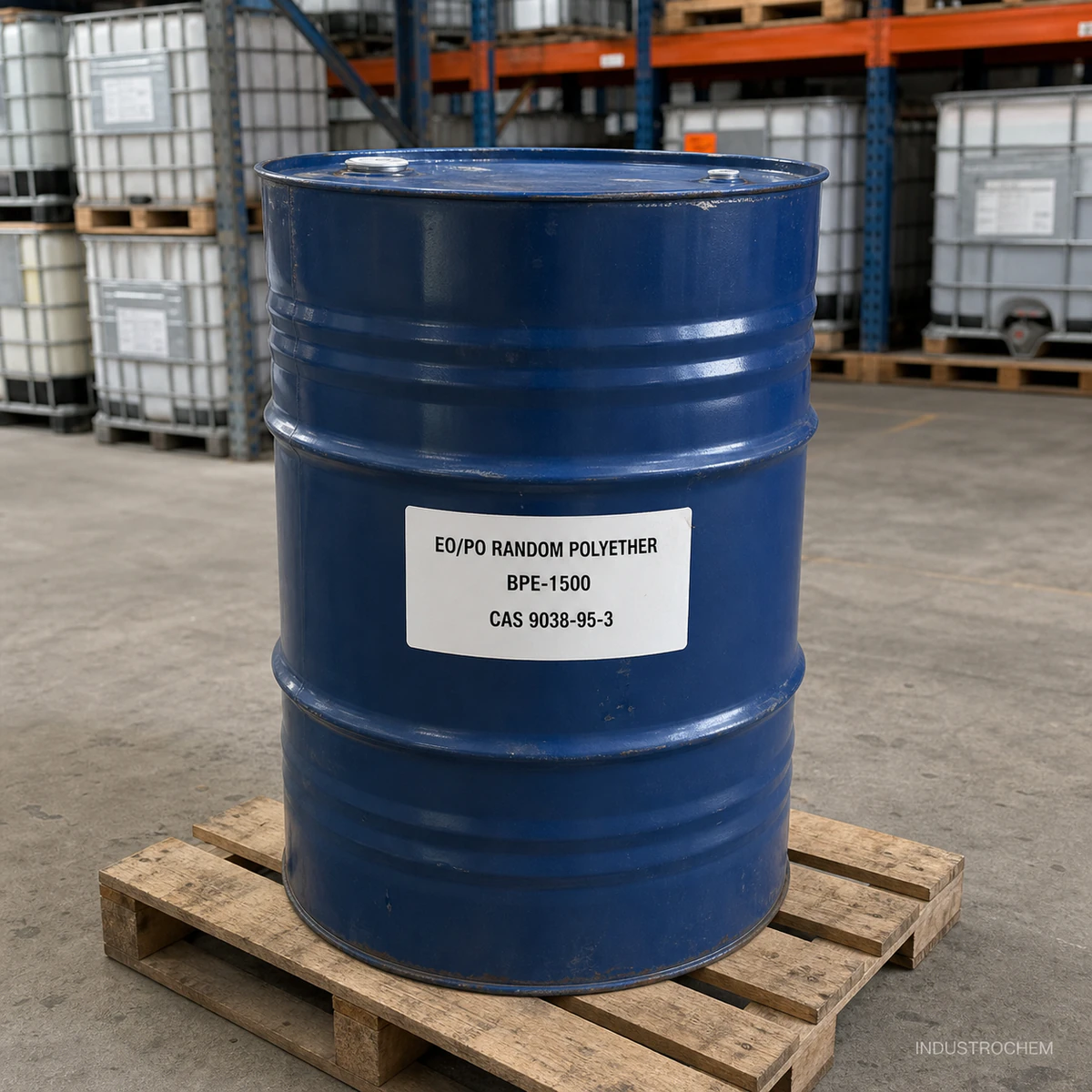
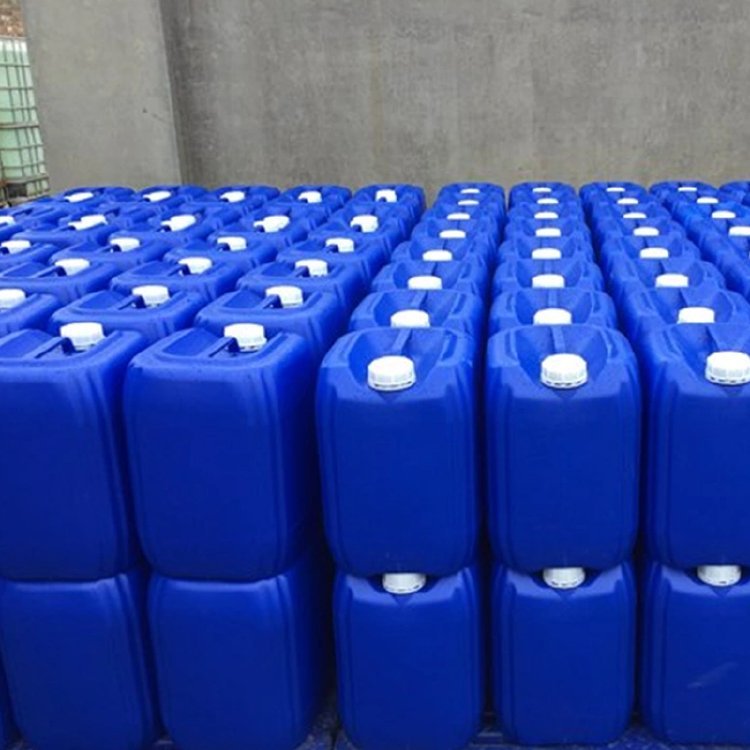
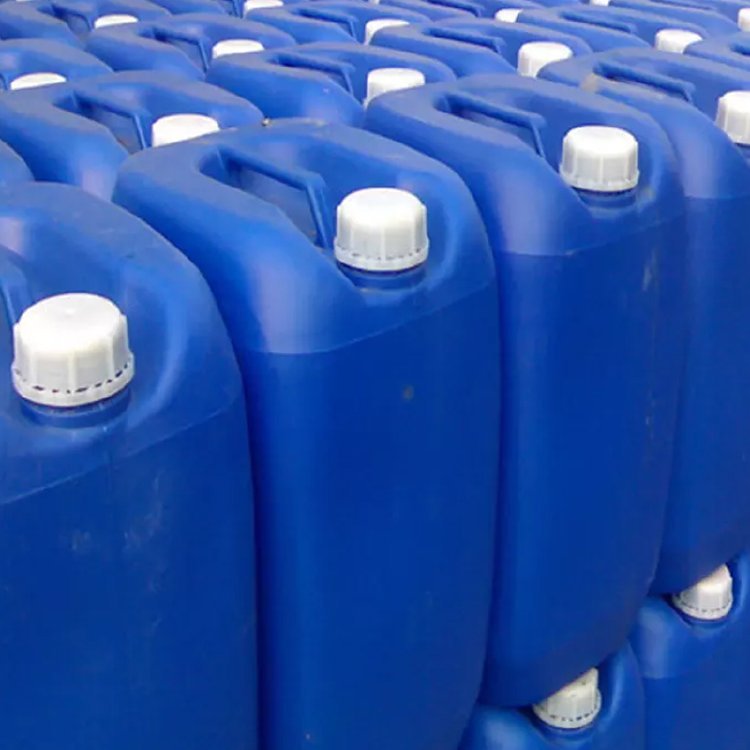
- Package: 200kg iron drum or 50kg plastic drum packaging
Product Description
Physicochemical properties
| Property | Description |
|---|---|
| Appearance | Colorless to pale yellow transparent viscous liquid |
| Density | ~1.01 g/mL (at 20℃) |
| Viscosity | 100–200 mPa·s (at 25℃) |
| Hydroxyl Value | 107–117 mg KOH/g |
| pH (50 g/L aqueous solution, 25℃) | 4.0–7.0 |
| Solubility | Slightly soluble in water; soluble in oils, hydrocarbons, aliphatic alcohols, ketones, esters, and other organic solvents |
| Stability | Stable under normal conditions; avoid contact with strong oxidizing agents |
Application Areas
- Lubricants, plasticizers, defoamers, antistatic agents
- Raw material for polyurethane foams
- Base material for cosmetics, pharmaceuticals, and lubricants
- Stationary phase for gas chromatography and biochemical research reagents
Storage conditions
Store in a cool, dry, and well-ventilated area away from heat and oxidizers.
Safety precautions
Physical protection: Wear protective goggles and gloves during operation to avoid direct skin contact.
Chemical protection: Avoid contact with strong oxidants and acids to prevent decomposition reactions. When storing, it should be kept away from sources of fire and high temperature environments.
Environmental safety: Avoid leakage into water bodies or soil, and dispose of waste according to regulations. The storage area should be equipped with fire-fighting equipment and emergency response equipment for leaks.
FAQ - Technical & Supply Chain
-
Q:
What is PPG‑2000 used for?
A: PPG‑2000 is a polyether polyol used in polyurethane foam formulations, lubricants, plasticizers, defoamers, and as a reaction intermediate in industrial polymer systems. Its molecular weight of approximately 2000 provides good flexibility and moderate reactivity. -
Q:
Do PPG‑2000 and polypropylene glycol refer to the same substance?
A: Yes. PPG stands for polypropylene glycol, and PPG‑2000 refers to the polypropylene glycol grade with an average molecular weight of approximately 2000. The names are used interchangeably. -
Q:
Is Polypropylene Glycol 2000 intended for industrial polymer formulations?
A: Yes. PPG‑2000 is designed for use at the formulation and processing stage of industrial polymer systems where controlled molecular weight and hydroxyl functionality are required for urethane reactions and other downstream processes. -
Q:
How does PPG‑2000 differ from lower molecular weight polypropylene glycols?
A: Compared to PPG‑1000, PPG‑2000 has a higher molecular weight which provides greater chain flexibility, lower hydroxyl content, and improved water resistance in final formulations. The higher MW also results in slightly higher viscosity and lower reactivity in urethane systems. -
Q:
What quality indicators should buyers verify when sourcing PPG‑2000?
A: Buyers should verify the hydroxyl value (107–117 mg KOH/g for typical PPG‑2000 grades), water content, acid value, and appearance. These parameters ensure consistent performance in polyurethane and other downstream processes. -
Q:
What are the storage recommendations for PPG‑2000?
A: PPG‑2000 should be stored in a cool, dry environment away from heat sources and strong oxidizing agents. Containers should be kept sealed to prevent moisture absorption affecting hydroxyl value consistency.
Documents and Product Support
For product review and sourcing evaluation, supporting documents can be coordinated according to the product type, inquiry stage, and order requirements.
- COA for batch-based quality reference
- TDS for key physical and chemical information
- SDS / MSDS for handling, storage, and safety reference
- Packing information for sample, trial, and bulk orders
- Technical communication based on application and specification requirements
Information to Confirm Before Quotation
Clear sourcing information helps reduce specification mismatch and allows a more accurate quotation before sample or bulk order discussion.
- Product name and CAS number
- Application or intended end use
- Required purity, grade, or specification
- Sample quantity, trial order, or bulk demand
- Preferred packing form or net weight
- Destination country or port
- Required documents or compliance expectations
Packaging, Storage, and Handling Notes
Packaging form, storage conditions, shelf life, and shipment arrangements should be confirmed according to the product characteristics, package size, and destination requirements.
Before order confirmation, buyers are advised to review the corresponding product documents and confirm whether any special storage, labeling, or handling requirements apply.
Sample, Bulk Order and Repeat Supply Support
Support can be arranged for sample discussion, bulk supply planning, packaging confirmation, and routine sourcing communication based on the actual product and order requirements.
For repeat-use formulations or long-term procurement plans, buyers may discuss specification consistency, packaging preferences, delivery expectations, and document coordination in advance.