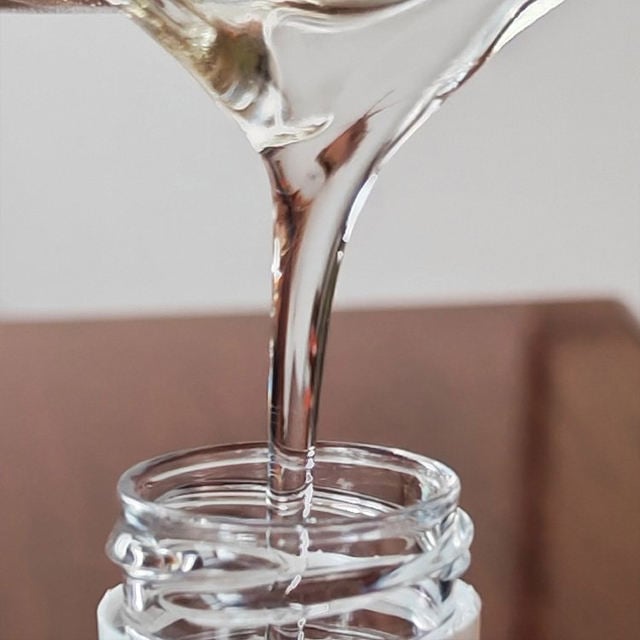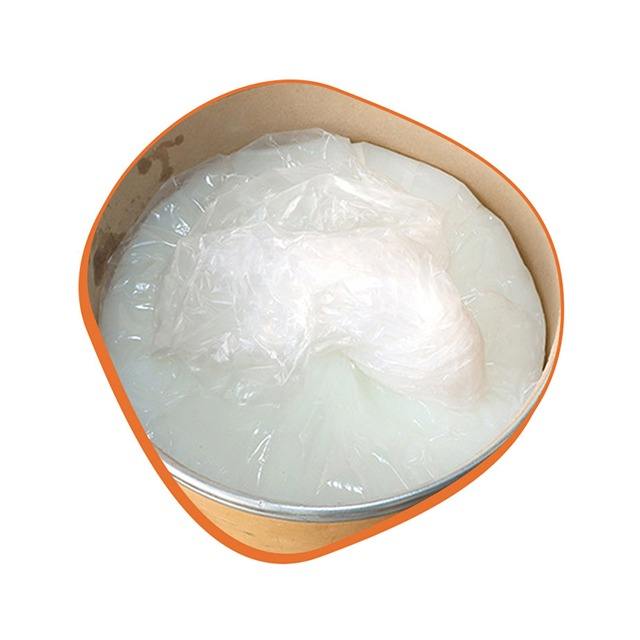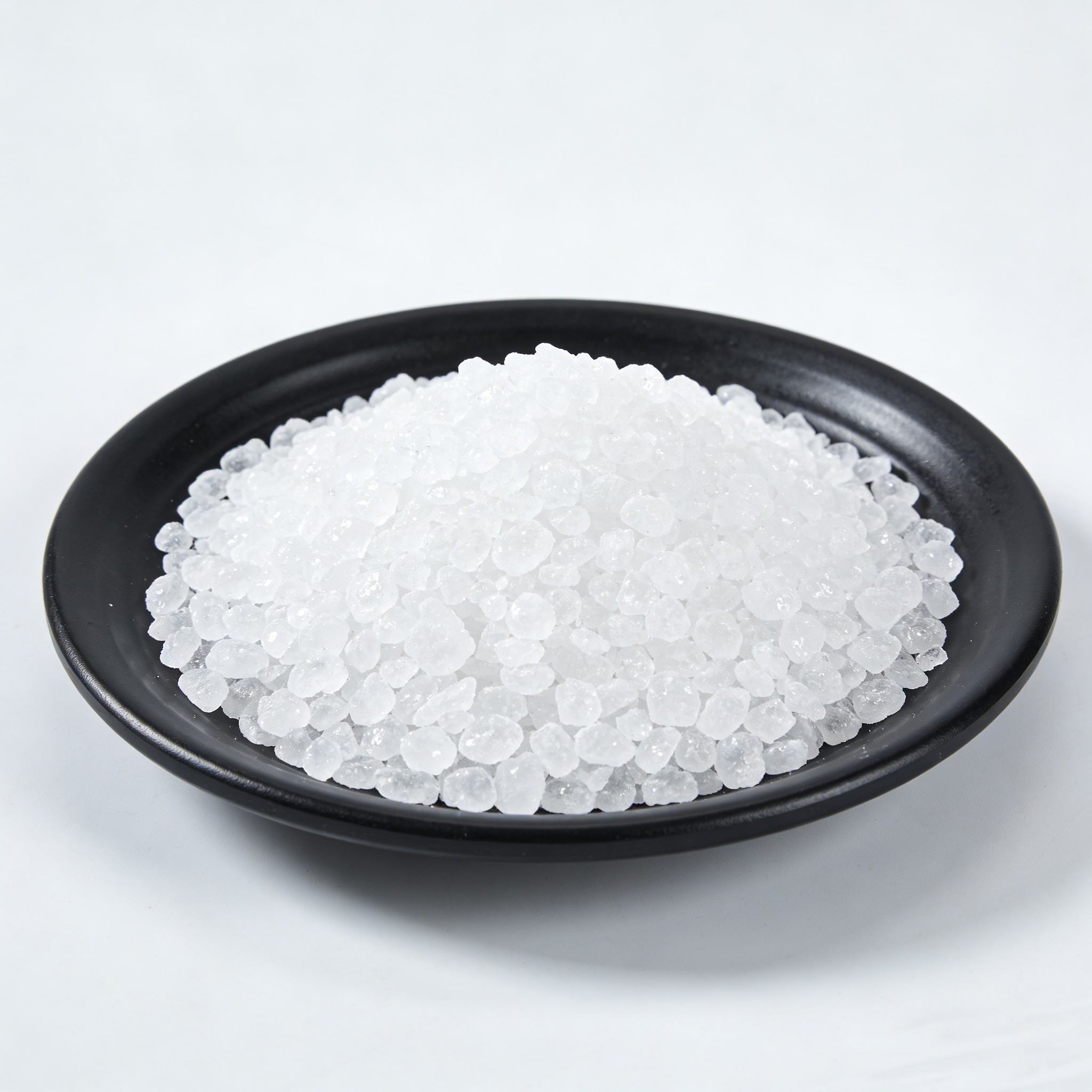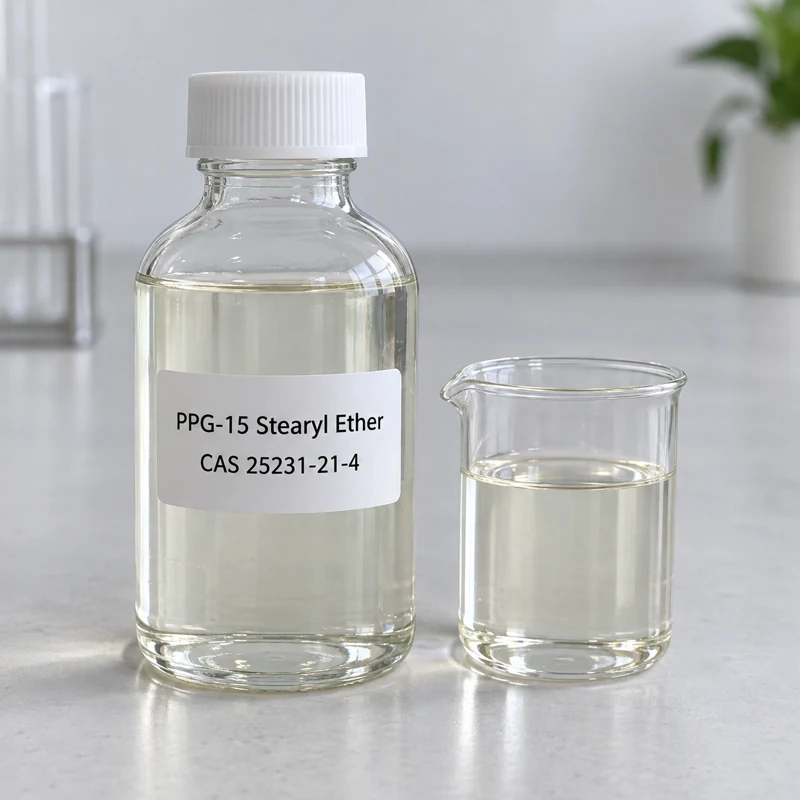
PPG-15 Stearyl Ether , also called polyoxypropylene (15) stearyl ether , is identified by CAS No. 25231-21-4 and EC/List No. 607-655-7 . It is a propoxylated stearyl alcohol distribution with a nominal average near 15 propylene-oxide units, not an ethoxylate with repeating OCH2CH2CH3 units or a 99% pure molecule. It is evaluated as an emollient, oil-phase carrier and sensory modifier in appropriately documented personal-care or technical formulations.
PPG-15 Stearyl Ether CAS 25231-21-4
- CAS: 25231-21-4
- Synonyms: PPG-15 stearyl alcohol ether, Polypropylene glycol stearyl ether, Stearyl alcohol PPG-15 ether, PPG stearyl ether
- Einecs: 607-655-7
- Molecular Formula: (C₃H₆O)ₙC₁₈H₃₈O (nominal n ≈ 15)
- Grade: Confirm the nominal EO or PO level, feedstock range, active matter, water, physical form and relevant analytical values against the current TDS and COA.
- Package: State required quantity, physical form and destination; confirm the current bag or container, liner, net weight, temperature handling and transport requirements before quotation.
Product Description
Identity and physicochemical profile
| Item | Technical guidance |
|---|---|
| Product identity | PPG-15 Stearyl Ether; polyoxypropylene (15) stearyl ether |
| CAS / EC/List | 25231-21-4 / 607-655-7 |
| Nominal formula | (C₃H₆O)ₙC₁₈H₃₈O, with nominal n near 15 and a grade-dependent distribution |
| Typical functions | Emolliency, spreadability, oil-phase compatibility and carrier or solubilizing support in suitable formulations |
| Key quality controls | Nominal propoxylation level, hydroxyl value, water, color, appearance, viscosity and physical form using stated methods |
Applications and grade selection
PPG-15 Stearyl Ether is commonly evaluated in creams, lotions, color cosmetics, hair-care and other formulations requiring an oil-soluble emollient or sensory modifier. Personal-care use requires an appropriately manufactured and documented grade plus finished-product assessment.
- Compare hydroxyl value, viscosity, water, color and physical form before sensory and stability testing.
- Evaluate oil-phase solubility, emulsion stability, spreadability, after-feel and temperature-cycle behavior in the complete formulation.
- Do not infer one exact molecular weight, melting point or use permission from the CAS number alone.
Storage and handling
Store sealed in a dry, ventilated area within the temperature range stated by the supplier. Viscosity and physical form can change with temperature; follow grade-specific conditioning, mixing and sampling instructions before evaluation.
Safety, documentation and procurement
Use the current SDS for PPE, handling, transport and disposal. For quotation, provide the application, reference grade or INCI requirement, hydroxyl and viscosity targets, physical form, volume, package, destination and required personal-care or market documentation.
For adjacent emollient and oil-phase ingredient pages, review Squalane, Caprylic Capric Triglyceride, and Petroleum Jelly.
FAQ - Technical & Supply Chain
-
Q:
Does PPG-15 Stearyl Ether represent one pure molecule?
A: No. PPG-15 describes a nominal average propoxylation level on stearyl alcohol, and commercial material contains a distribution. Do not qualify it by a fixed molecular formula or unsupported purity; use grade specifications and formulation performance. -
Q:
Which specifications identify a PPG-15 Stearyl Ether grade?
A: Compare hydroxyl value, viscosity with test temperature, water, color, appearance and physical form. For personal-care use, also confirm the INCI identity, manufacturing and impurity documentation required for the destination market. -
Q:
How should PPG-15 Stearyl Ether be qualified in a formulation?
A: Test the offered grade in the actual oil phase and process. Assess compatibility, emulsion stability, spreadability, sensory profile, viscosity and temperature cycling, since matching the INCI name does not guarantee the same finished-product feel. -
Q:
What is needed to quote PPG-15 Stearyl Ether?
A: Provide the intended product, reference grade or sample, analytical and sensory requirements, trial and annual quantity, package and destination. State the personal-care documentation needed so the correct grade can be proposed.
Ordering & Documentation
Key information for document requests, quotations, and supply planning.
Documents
COA, TDS, SDS/MSDS and packing details are available on request.
Quotation
Send the CAS number, grade, quantity, packing preference and destination.
Sample & Supply
Support is available for samples, trial orders, bulk and repeat supply.
Storage & Shipping
Product-specific conditions are confirmed before order.