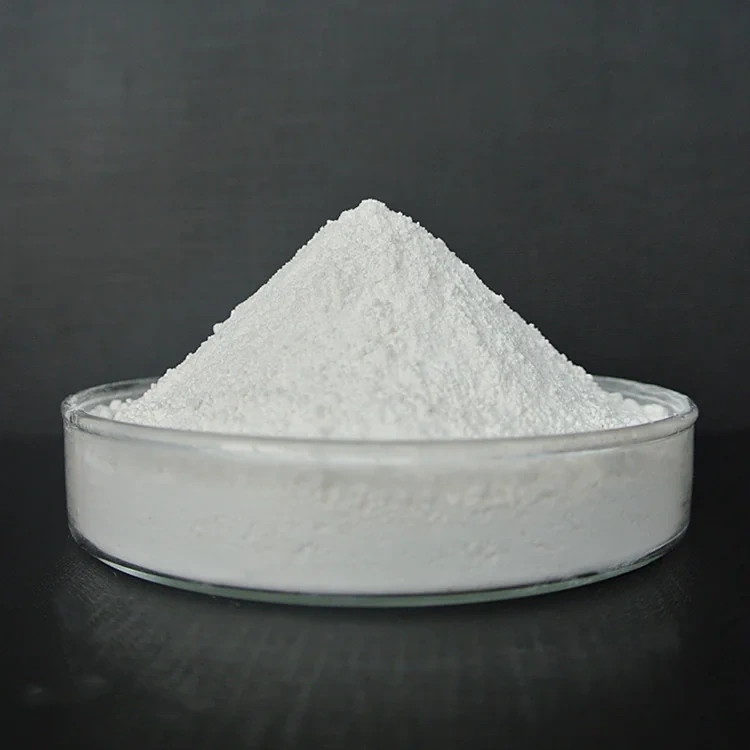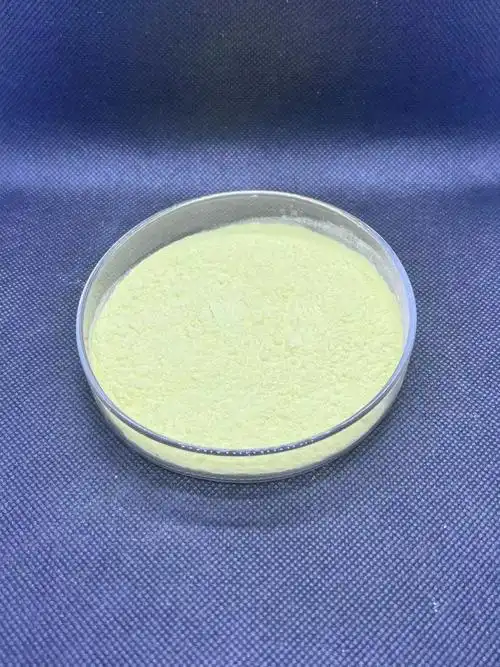










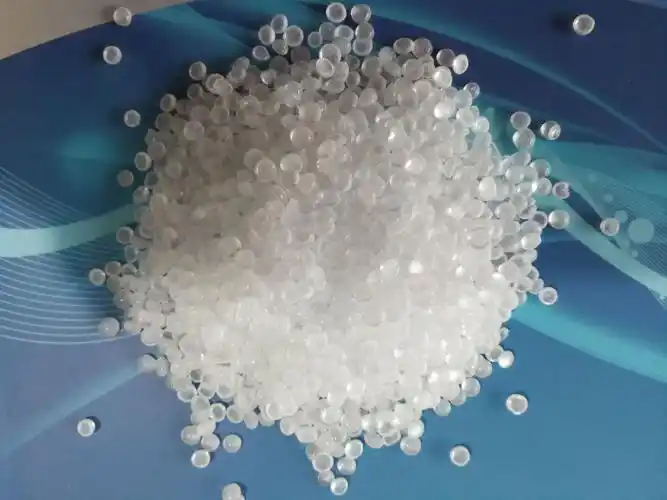
• Polyisobutylene CAS 9003-27-4

Polyisobutylene CAS 9003-27-4

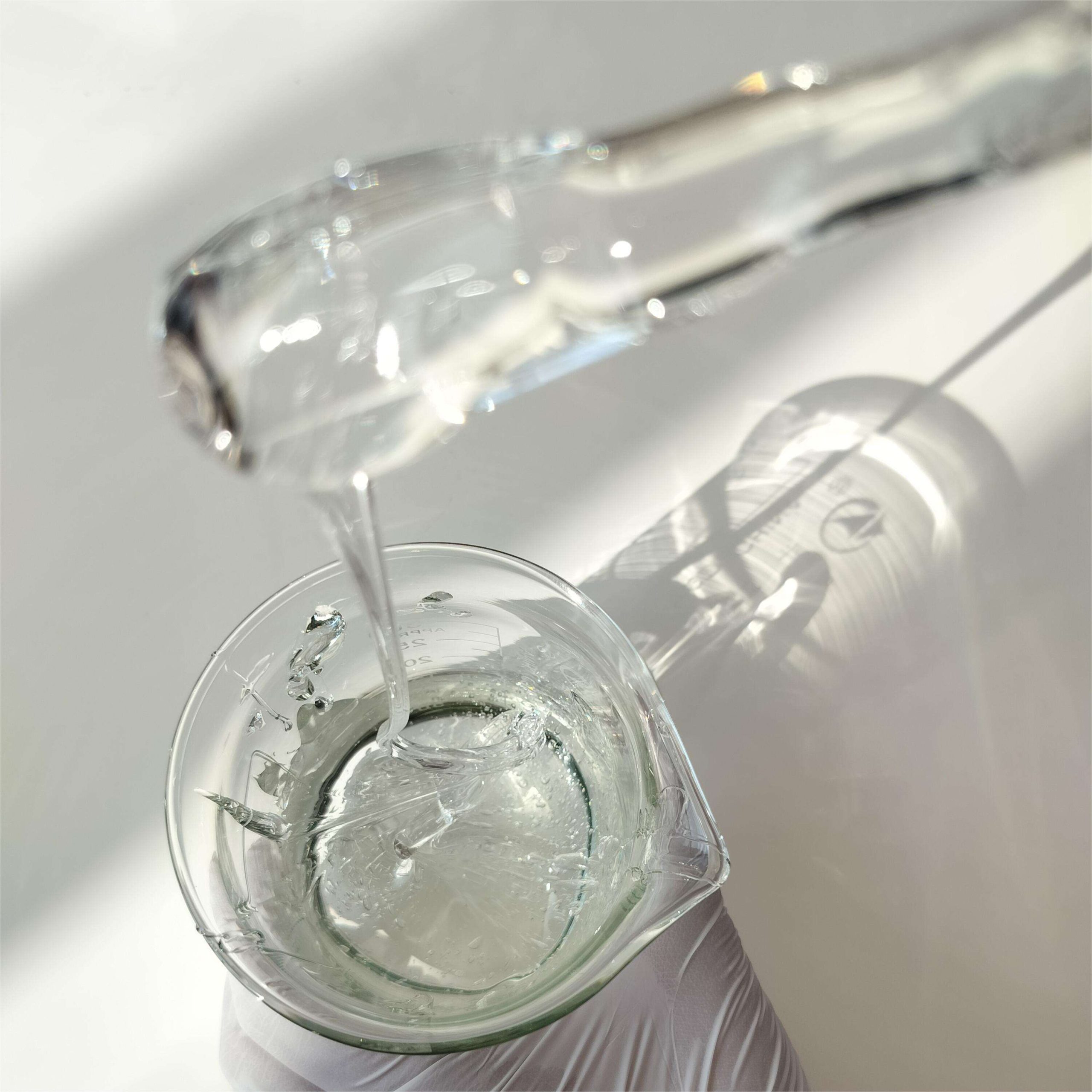
Polyisobutylene (CAS 9003-27-4) is a chemically inert, synthetic hydrocarbon polymer utilized primarily as a viscosity index improver and tackifier in lubricant formulations and adhesive systems. This viscous PIB liquid functions as a hydrophobic barrier and rheology modifier, providing excellent thermal stability and oxidation resistance in Polyisobutene based sealants and stretch films. Unlike reactive polymers, this Isobutylene polymer remains permanently non-drying and tacky, making it a critical 2-methyl-1-propene homopolymer component for pressure-sensitive adhesives and lubricating oil additives. We provide this polymeric material with competitive factory pricing to support chemical compounding and ensure bulk supply availability for industrial manufacturing. Our facility accommodates customized specifications for molecular weight (low to high) and viscosity grades, while every shipment is fully documented with MSDS, TDS, COA files to meet quality and safety regulations.

  • CAS: 9003-27-4
  • Synonyms: PIB, Polyisobutene, Isobutylene polymer, 2-methyl-1-propene homopolymer, Poly(isobutylene)
  • Einecs: 618-360-8
  • Molecular Formula: (C₄H₈)ₙ
  • Grade: Cosmetic Raw Materials
  • Package: 25 kg kraft bag, 180–200 kg steel drum, or 1,000 kg IBC / bulk
Request a quote
Share:

Product Description

Polyisobutylene (PIB) is a synthetic, long-chain hydrocarbon polymer produced by cationic polymerization of isobutene. It is valued for outstanding tackiness, air/moisture impermeability, chemical stability, and electrical insulation. Depending on molecular weight, PIB ranges from clear, viscous liquids to rubber-like solids, making it a flexible ingredient for many industrial formulations.

For specifications, COA, and pricing, please contact:
📧 Email: info@industrochem.com

Physicochemical Properties

ItemTypical Value / Description
AppearanceColorless to light-yellow, tacky viscous liquid / semi-solid / rubbery solid (MW-dependent)
OdorOdorless or very slight hydrocarbon odor
Density (25 °C)~0.91–0.93 g/mL (typical)
Refractive Index (20 °C)~1.50–1.51
Glass Transition (Tg)~ −64 °C (typical for high MW PIB)
Molecular WeightVariable; low MW (~300–3,000), medium (~10,000–100,000), high MW (≥200,000+)
ViscosityStrongly MW-dependent; typical product range ~5 to 4,700 cSt @100 °C
SolubilityInsoluble in water; soluble in many non-polar solvents (e.g., aliphatic/aromatic hydrocarbons); limited solubility in polar solvents
VolatilityVery low; non-volatile under ambient conditions
StabilityChemically stable under normal use; avoid strong oxidizers

Applications

Polyisobutylene is widely used wherever long-term tack, sealing, and barrier performance are needed:

  1. Adhesives & Sealants – pressure-sensitive adhesives, hot-melt systems, construction sealants, self-adhesive tapes, caulking compounds.
  2. Lubricants & Fuel Additives – viscosity-index improver, tackifier, dispersant intermediate (including high-reactive PIB for succinimide dispersants).
  3. Rubber & Tire Industry – inner tubes, tire inner liners, and butyl-rubber modification due to excellent gas impermeability.
  4. Cosmetics & Personal Care – emollient, texture enhancer, film former in lip products, creams, hair care.
  5. Plastics & Bitumen Modification – plasticizer/impact modifier for PE, PP, PVC; improves waterproofing and flexibility in asphalt/bitumen systems.
  6. Electrical & Industrial Uses – insulating compounds, protective coatings, specialty polymer blends.

Storage Conditions

  • Store in a cool, dry, well-ventilated area
  • Keep away from open flames, hot surfaces, and strong oxidizing agents.
  • Recommended storage temperature: ambient; avoid prolonged heating which may increase flow or cause mild degradation.

Safety Precautions

  • PIB is generally considered low-toxicity and not GHS-classified as hazardous under normal handling.
  • Avoid contact with hot PIB; molten material can cause thermal burns.
  • Use standard PPE: safety glasses, protective gloves, and work clothing.
  • If processing at elevated temperature, ensure local exhaust ventilation to avoid inhaling fumes.
  • In fire conditions, PIB may generate carbon monoxide and carbon dioxide; use suitable firefighting media and respiratory protection.

FAQ - Technical & Supply Chain

  • Q:

    How does CAS 9003-27-4 differ from Butyl Rubber?

    A: CAS 9003-27-4 identifies Polyisobutylene (a homopolymer of isobutylene), whereas Butyl Rubber is typically a copolymer containing a small percentage of isoprene to allow for curing/vulcanization.
  • Q:

    Is this polymer compatible with lubricant additive packages?

    A: Yes, this material is extensively used as a viscosity index improver and dispersant precursor in automotive and industrial lubricant formulations due to its clean-burning properties and shear stability.
Documents

Documents and Product Support

For product review and sourcing evaluation, supporting documents can be coordinated according to the product type, inquiry stage, and order requirements.

  • COA for batch-based quality reference
  • TDS for key physical and chemical information
  • SDS / MSDS for handling, storage, and safety reference
  • Packing information for sample, trial, and bulk orders
  • Technical communication based on application and specification requirements
Quotation

Information to Confirm Before Quotation

Clear sourcing information helps reduce specification mismatch and allows a more accurate quotation before sample or bulk order discussion.

  • Product name and CAS number
  • Application or intended end use
  • Required purity, grade, or specification
  • Sample quantity, trial order, or bulk demand
  • Preferred packing form or net weight
  • Destination country or port
  • Required documents or compliance expectations
Storage & Handling

Packaging, Storage, and Handling Notes

Packaging form, storage conditions, shelf life, and shipment arrangements should be confirmed according to the product characteristics, package size, and destination requirements.

Before order confirmation, buyers are advised to review the corresponding product documents and confirm whether any special storage, labeling, or handling requirements apply.

Supply Support

Sample, Bulk Order and Repeat Supply Support

Support can be arranged for sample discussion, bulk supply planning, packaging confirmation, and routine sourcing communication based on the actual product and order requirements.

For repeat-use formulations or long-term procurement plans, buyers may discuss specification consistency, packaging preferences, delivery expectations, and document coordination in advance.

Contact Form

Use our contact form to send us your questions, suggestions or comments. We will respond as soon as possible.