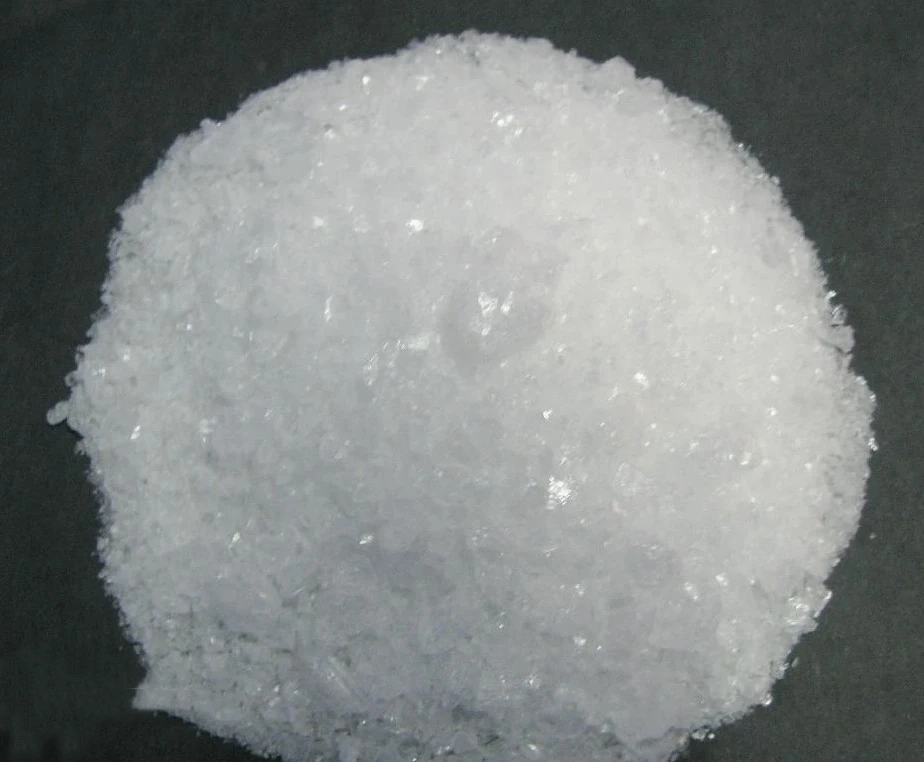









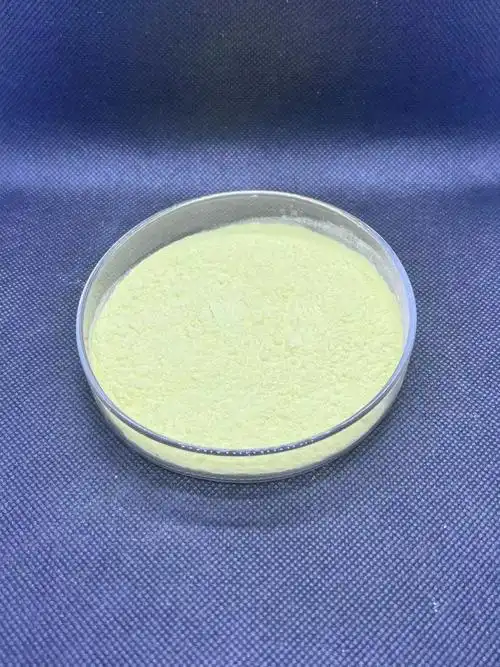
Lead Distearate, also called lead(II) distearate or lead stearate (distearate form), CAS 1072-35-1, is a metallic soap derived from stearic acid, supplied as a white to off-white powder or flakes and positioned as a heat stabilizer and lubricant for rigid PVC. Confirm the required grade, then request a quotation with COA/TDS/SDS for bulk supply.
Lead Distearate CAS 1072-35-1
- CAS: 1072-35-1
- Synonyms: Lead(II) distearate; Lead stearate (distearate form)
- Einecs: 214-014-9
- Molecular Formula: C36H70O4Pb
- Grade: Industrial grade (PVC stabilizer use)
- Package: Standard export packaging
Product Description
Lead Distearate CAS 1072-35-1 is a lead salt of stearic acid with EC 214-014-9 and molecular formula C36H70O4Pb.
Synonyms: Lead(II) distearate; Lead stearate (distearate form).
CAS: 1072-35-1.
Molecular formula: C36H70O4Pb.
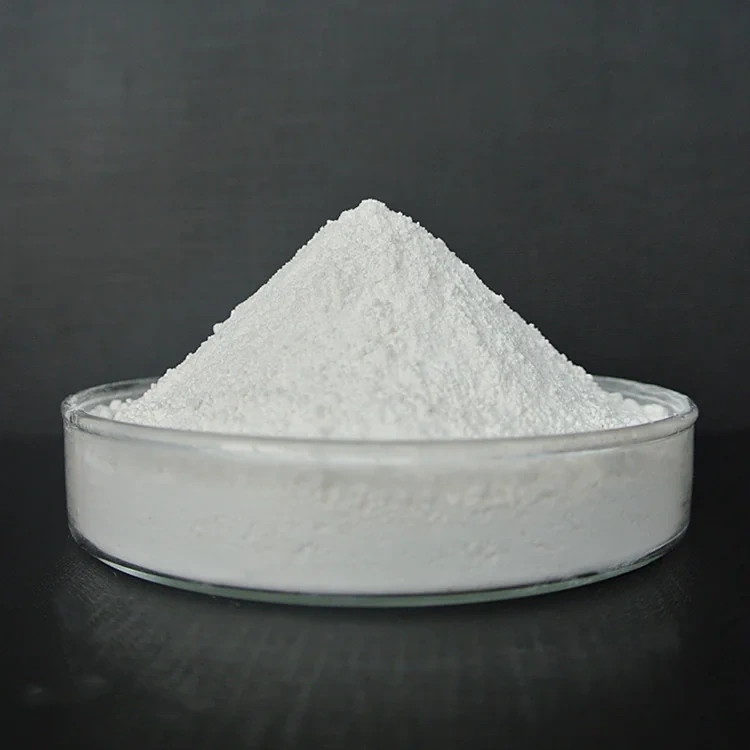
It is supplied as a white to off-white powder or flakes.
It is positioned as a metallic soap additive for PVC processing.
It acts as both a heat stabilizer and an internal/external lubricant in rigid PVC.
It helps reduce thermal degradation, discoloration, and processing friction during extrusion, calendering, and molding.
It is suitable for rigid PVC pipes, profiles, and cable compounds.
Commercial grades typically have a lead content in the range of about 27-30%.
It is often combined with other lead stabilizers or co-stabilizers such as tribasic lead sulfate and dibasic lead stearate to balance heat stability and lubrication.
Confirm the required grade, lead content, appearance, and related specifications for the chosen grade.
Check compatibility with the target PVC formulation, processing temperature, and required surface finish.
Store in a cool, dry, well-ventilated area, away from direct sunlight and sources of heat.
Keep containers tightly sealed to prevent moisture absorption and contamination, and follow appropriate handling due to the presence of lead compounds.
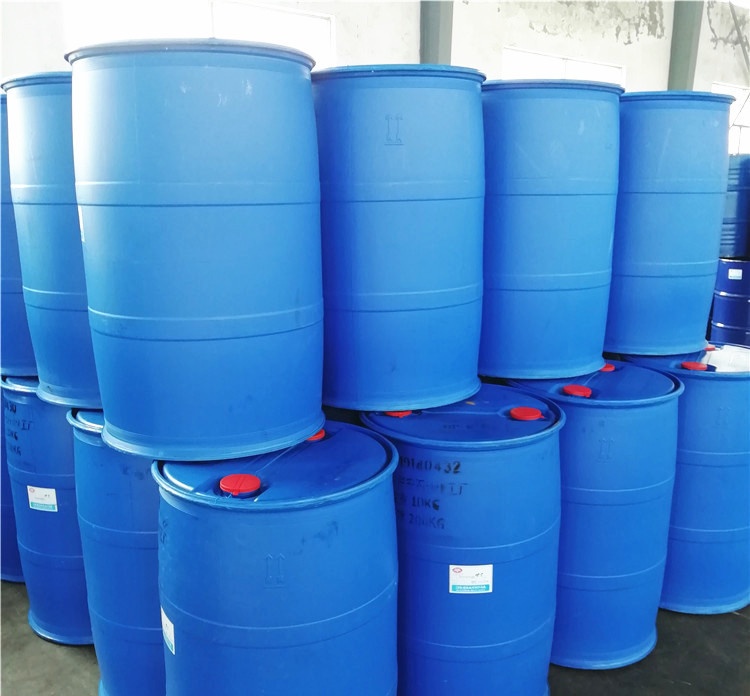
Confirm packaging suitable for the solid powder or flake form and order quantity, and follow the current SDS.
Confirm grade, packaging, and specification as required.
The page is an RFQ entry point and does not state stock, price, MOQ, or fixed lead time.
For an RFQ, state the intended application, required grade, quantity, packaging, destination, and document needs.
FAQ - Technical & Supply Chain
-
Q:
What is Lead Distearate CAS 1072-35-1?
A: Lead Distearate, also known as lead(II) stearate, is a lead salt of stearic acid with the molecular formula C36H70O4Pb. It is supplied as a white to off-white powder or flake and is used mainly as a metallic soap additive in PVC processing. -
Q:
Why is Lead Distearate used in rigid PVC?
A: It acts as both a heat stabilizer and a lubricant, helping to reduce thermal degradation, discoloration, and processing friction during extrusion, calendering, and molding. These properties make it suitable for rigid PVC pipes, profiles, and cable compounds. -
Q:
Is Lead Distearate a lubricant or only a heat stabilizer?
A: It provides both functions. In PVC compounding it works as an internal and external lubricant while also contributing to thermal stability, so it can improve melt flow, reduce sticking, and help protect the polymer during processing. -
Q:
What is the typical lead content and physical form of Lead Distearate?
A: Commercial grades are usually white powder or flakes with a lead content commonly in the range of about 27-30%, though supplier specifications can vary. The solid form makes it easy to blend into dry PVC formulations. -
Q:
Is Lead Distearate suitable for transparent or food-contact PVC?
A: No. As a lead-based stabilizer, it is intended for opaque industrial PVC applications and is not suitable for transparent or food-contact articles. Lead-containing additives require appropriate industrial hygiene and regulatory controls. -
Q:
How is Lead Distearate used with other PVC additives?
A: It is often combined with other lead stabilizers or co-stabilizers such as tribasic lead sulfate and dibasic lead stearate to balance heat stability and lubrication. The exact combination depends on the processing temperature, required surface finish, and electrical or mechanical performance of the PVC compound.
Ordering & Documentation
Key information for document requests, quotations, and supply planning.
Documents
Tell us which documents your procurement team needs. Before an order, we will check whether the quoted source can provide them for the offered lot.
Quotation
Send the CAS number, grade, quantity, packing preference and destination.
Sample & Supply
Ask whether samples, trial quantities or repeat orders are possible. We will check each request against the sourced product and current offer.
Storage & Shipping
Product-specific conditions are confirmed before order.