


Benzoyl Peroxide (BPO), CAS 94-36-0, is an organic peroxide initiator for free-radical polymerization and resin curing. Water-wet powders and formulated pastes differ in active BPO content, carrier and dispersion behavior. The form and specification are matched to the intended polymer or resin system.
Benzoyl Peroxide (BPO) CAS 94-36-0
- CAS: 94-36-0
- Synonyms: Benzoyl peroxide; BPO; Dibenzoyl peroxide; Benzoylperoxide
- Einecs: 202-327-6
- Molecular Formula: C₁₄H₁₀O₄
- Grade: Active BPO mass content and assay basis, water or carrier, and physical form specified in the quotation
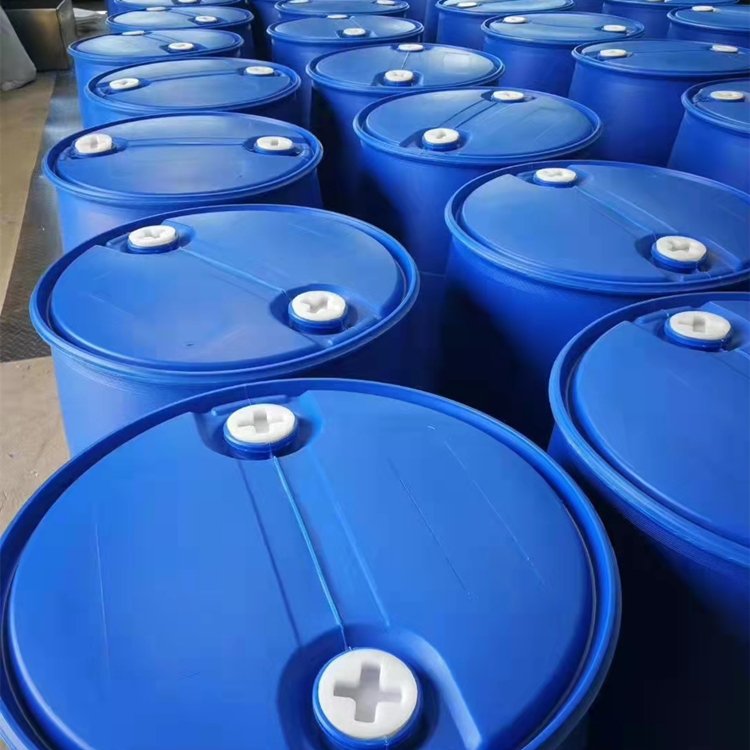
- Package: Packaging and transport classification specified for the quoted formulation and destination
- Molar mass: 242.23 g/mol
Product Description
Benzoyl peroxide (BPO), CAS 94-36-0, is available in commercial forms including water-wetted powders and formulated pastes. A powder can intentionally contain water, while an anhydrous paste may still contain a nonaqueous carrier. Water in a wetted grade is part of its desensitizing system, rather than simply an impurity to remove. A high dry-basis assay does not mean that the product is supplied dry or undiluted. The quotation identifies the supplied form, BPO mass content as received, carrier and water content. A label such as BPO 75 normally refers to a nominal formulation content, but the specification must state the actual mass-content basis and carrier.
Quality information distinguishes BPO mass assay from active oxygen and states the reporting basis and test method. Iodometric titration is an established assay approach. Water content, benzoic acid or other relevant impurities, powder dispersibility and paste viscosity are specified according to grade and application. HPLC may be used for an agreed assay or related-substance requirement when the method is validated for the formulation; chromatographic area percentage alone is not the BPO mass fraction of a water-wet powder or paste.
We can provide a Certificate of Analysis (COA), Technical Data Sheet (TDS) and Safety Data Sheet (SDS) for the quoted BPO formulation, together with agreed assay and impurity-test information. Applicable HPLC reports can be provided where a validated chromatographic requirement is agreed. Handling, storage and transport information follows the formulation-specific SDS. Send the polymer or resin system, required BPO content, quantity and destination for a quotation.
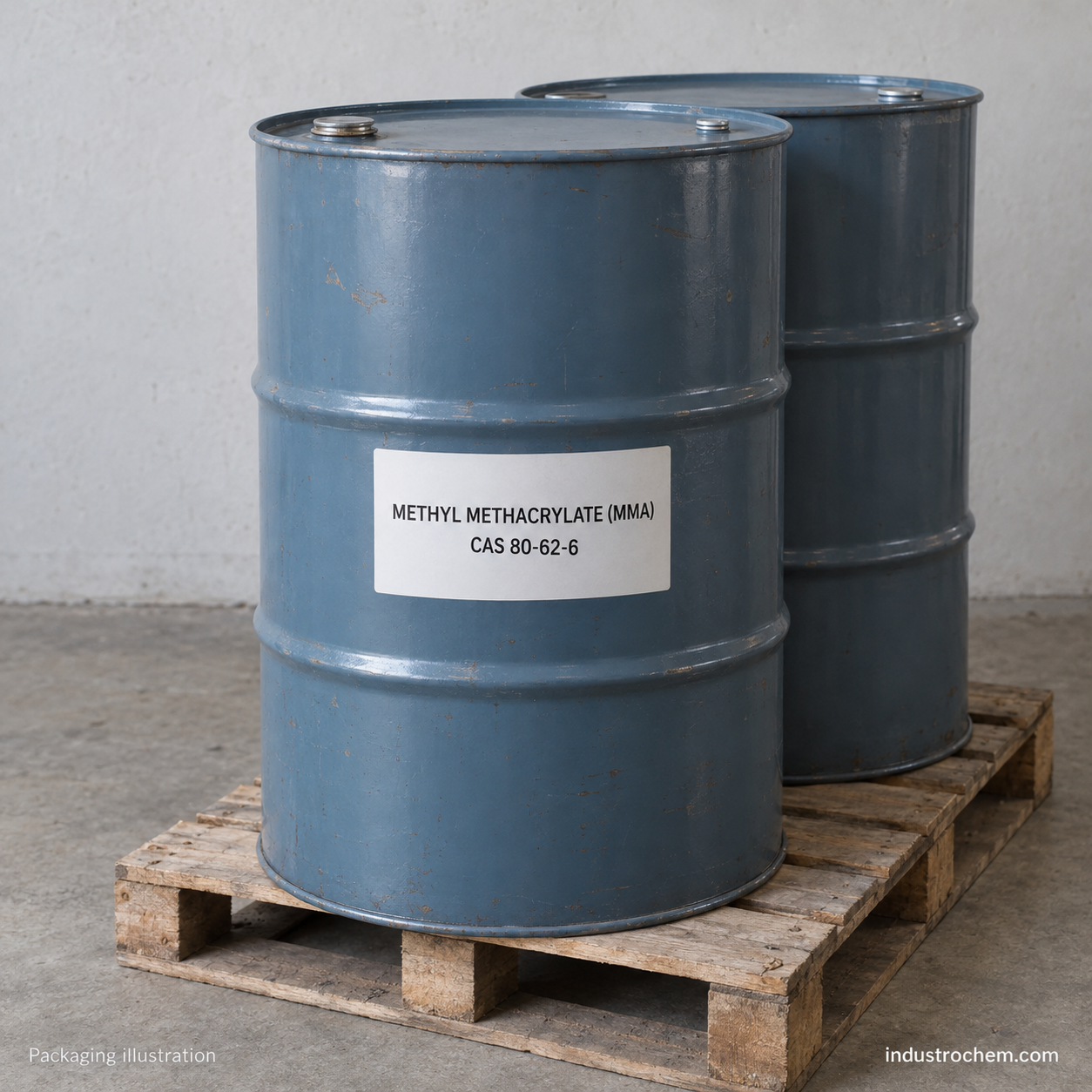
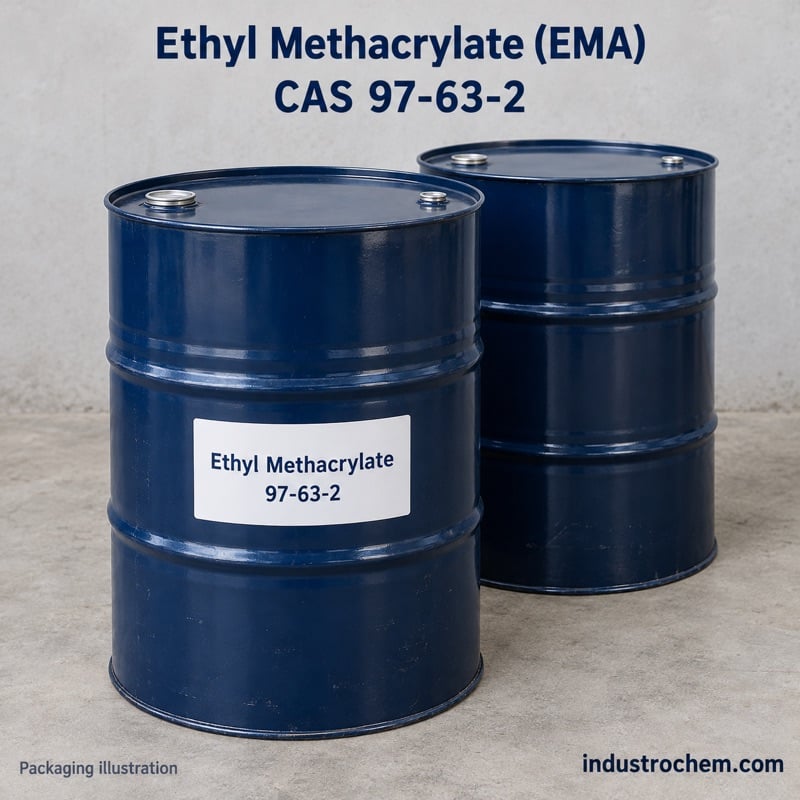
BPO is used as a radical initiator in polymerization involving styrene, methyl methacrylate (MMA) and ethyl methacrylate (EMA). These are polymer-forming monomers, whereas BPO supplies the initiating radicals. Initiator grade and carrier compatibility depend on the process; the products are not interchangeable.
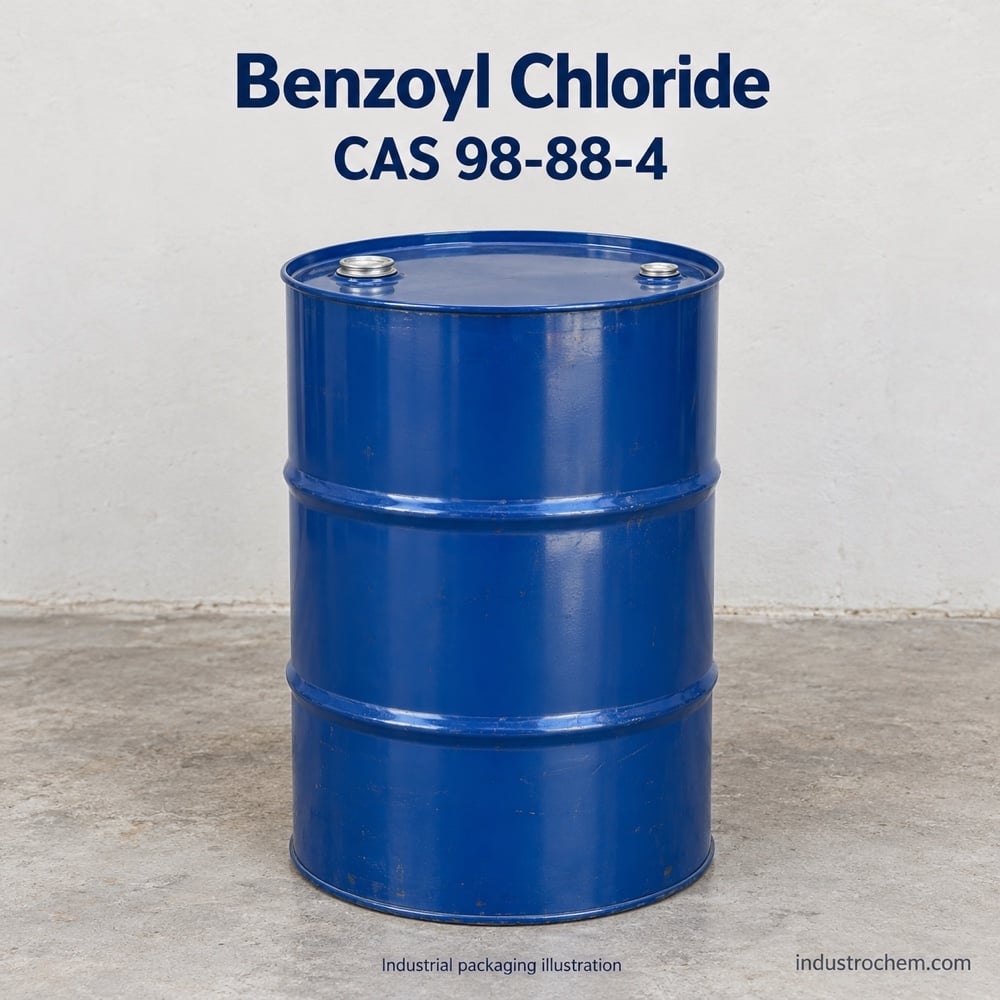
Benzoyl chloride is an upstream raw material used in BPO manufacture. It has a different chemical identity and purchasing role, and is not a substitute for the finished organic peroxide. This supply-chain relationship does not mean the materials should be mixed or handled together.

FAQ - Technical & Supply Chain
-
Q:
Does a high dry-basis assay mean BPO is supplied dry?
A: No. A water-wet BPO powder can have a high assay on a dry basis while containing intentional wetting water. A label such as BPO 75 normally refers to a nominal formulation content, but the specification must state the actual mass-content basis and carrier. Anhydrous pastes may contain nonaqueous diluents. Compare the as-received BPO content, formulation and method; do not treat dry-basis purity as the delivered concentration or dry a wetted grade. -
Q:
Which quality information is useful when comparing industrial BPO grades?
A: Compare BPO mass assay and its basis, water or desensitizing carrier, and grade-specific impurity and physical-form criteria. Active oxygen is a separate measure and does not equal BPO mass percentage or establish identical curing behavior. Iodometric results and any validated HPLC assay or impurity report must identify their method and matrix. The COA, TDS and SDS should describe the same supplied formulation.
Ordering & Documentation
Key information for document requests, quotations, and supply planning.
Documents
Tell us which documents your procurement team needs. Before an order, we will check whether the quoted source can provide them for the offered lot.
Quotation
Send the CAS number, grade, quantity, packing preference and destination.
Sample & Supply
Ask whether samples, trial quantities or repeat orders are possible. We will check each request against the sourced product and current offer.
Storage & Shipping
Product-specific conditions are confirmed before order.