









Ethyl Methacrylate is a methacrylate ester monomer utilized as a chemical building block in acrylic resin synthesis and solvent-based coating formulations. Commonly referred to in the industry as EMA or Ethyl 2-methylacrylate, this reactive organic compound facilitates the production of polymers with distinct hardness and flexibility characteristics through radical polymerization. We provide this essential raw material with competitive factory pricing to support large-scale industrial manufacturing. Our distribution network ensures consistent bulk supply capabilities and customized specifications, accompanied by comprehensive MSDS, TDS, COA documentation for safety and regulatory compliance.
Ethyl Methacrylate CAS 97-63-2
- CAS: 97-63-2
- Synonyms: EMA, Ethyl 2-methylacrylate, Ethyl 2-methylprop-2-enoate, Methacrylic acid ethyl ester
- Einecs: 202-597-5
- Molecular Formula: C6H10O2
- Grade: Industrial grade 99%
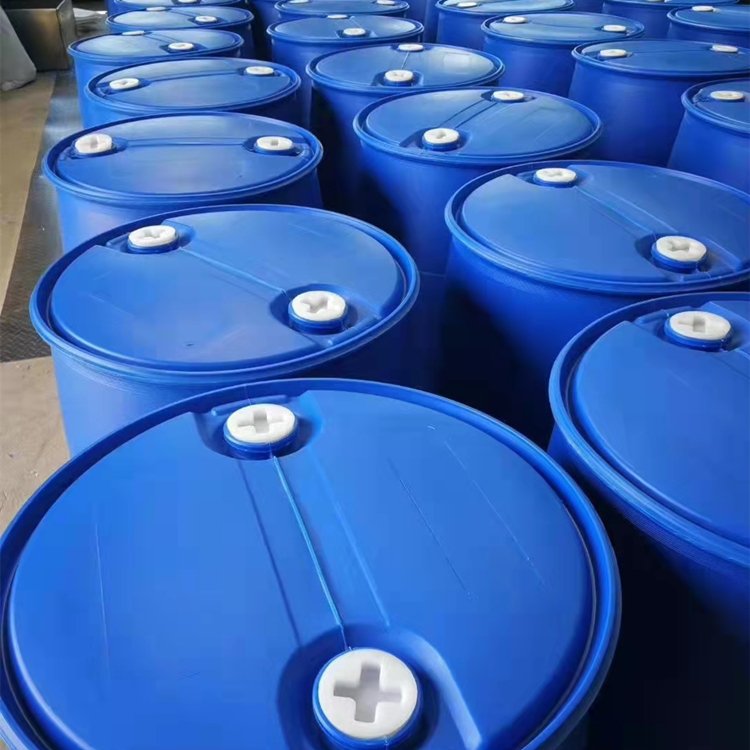
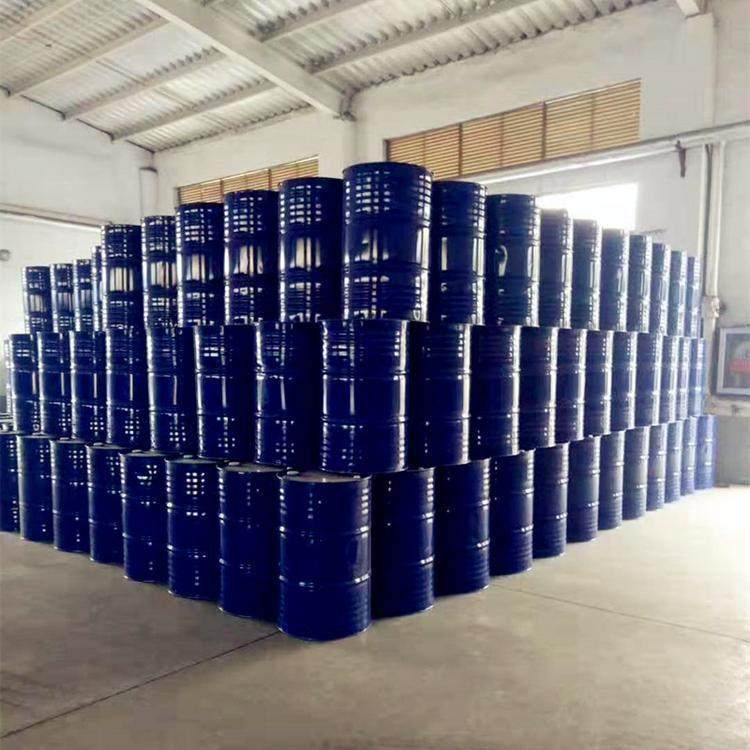
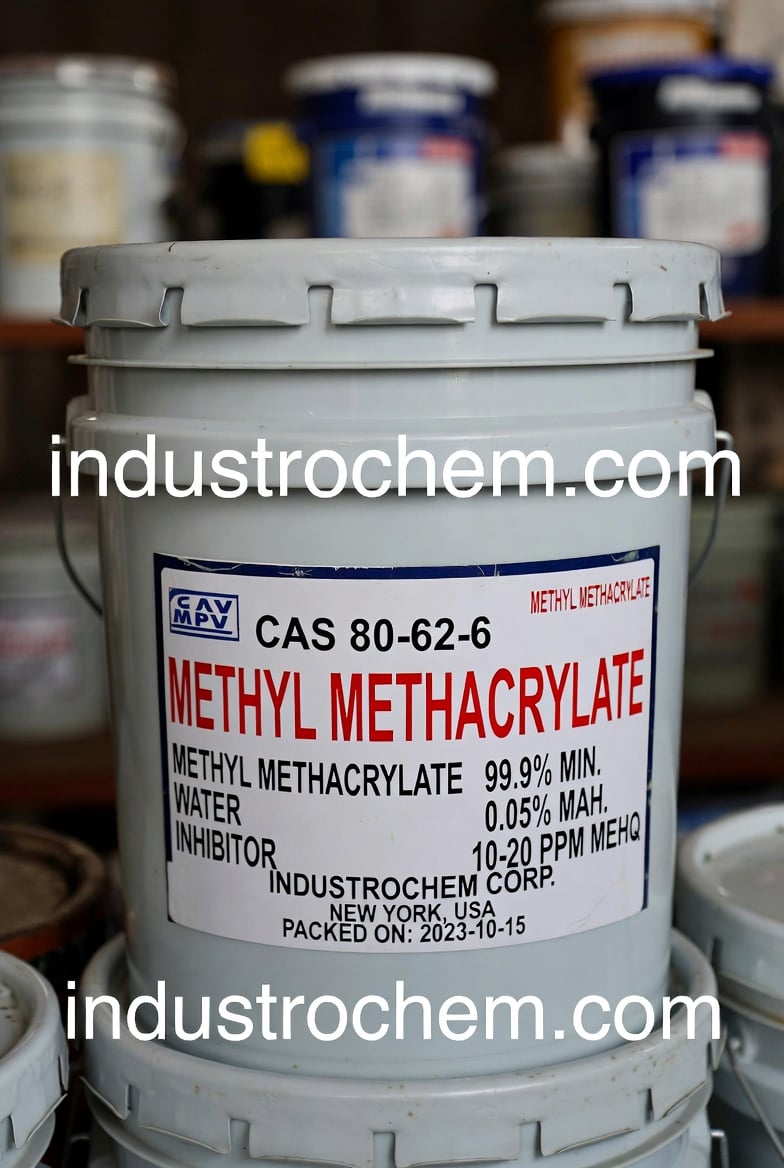
- Package: 200kg iron drum or 50kg plastic drum packing
Product Description
Ethyl methacrylate, also known as ethyl isobutyrate, is an organic compound with the chemical formula C6H10O2, is a colorless liquid, slightly soluble in water, miscible in ethanol and ether, mainly used in the preparation of polymers and copolymers, synthetic resins, plexiglass and coatings, etc.
Inhibitor (MEHQ): 10-20 ppm (Standard) or Customized.
Density: 0.917g/cm3
Melting point: -75°C
Boiling point: 118-119°C
Flash point: 20°C (OC)
Refractive index: 1.413 (20°C)
Saturated vapor pressure: 2.0kPa (20°C)
Critical pressure: 3.25MPa
Ignition temperature: 370°C
Explosion cap (V/V):9.6%
Lower explosion limit (V/V):1.8%
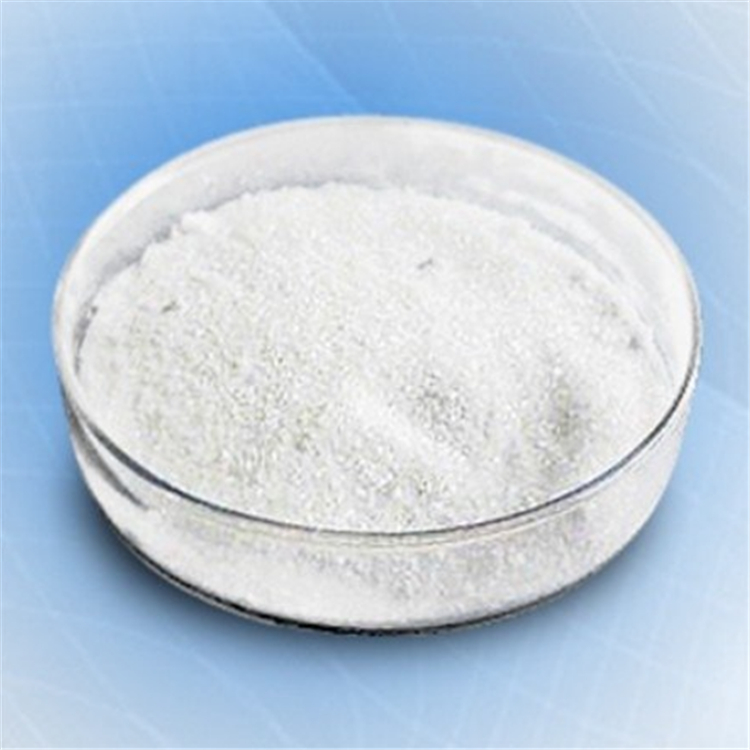
Appearance: Colorless liquid
Solubility: Slightly soluble in water, miscible in ethanol and ether
use
It is mainly used in the preparation of polymers and copolymers, synthetic resins, plexiglass and coatings, etc.
Packaging, storage and transportation
It is sealed and packaged in iron drums, and usually the goods are added with polymerization inhibitors. Store in a cool, ventilated, rainy and sun-protected warehouse. Stay away from fire and heat sources. Store away from light. The temperature should not exceed 37°C. The packaging should be sealed and not in contact with air. It should be stored separately from oxidants, acids and alkalis, and mixed storage and transportation should not be avoided. It should not be stored in large quantities or stored for a long time. Explosion-proof lighting and ventilation facilities are adopted. It is forbidden to use mechanical equipment and tools that are prone to sparks. The storage area should be equipped with leak emergency treatment equipment and appropriate containment materials.

FAQ - Technical & Supply Chain
-
Q:
Does Ethyl Methacrylate correspond to the specific C2-ester monomer distinct from Methyl Methacrylate (MMA)?
A: Ethyl Methacrylate is verified under CAS 97-63-2 as the ethyl ester of methacrylic acid, distinguishing it from the shorter-chain Methyl Methacrylate (MMA) to ensure a more flexible polymer backbone and lower sensitization potential for specialized resin applications. -
Q:
How does the polymer performance of Ethyl Methacrylate compare to Methyl Methacrylate in acrylic resin systems?
A: Ethyl Methacrylate is typically applied when a slightly softer, more durable, and less brittle polymer structure is required compared to standard PMMA, making it the preferred monomer for professional artificial nail formulations and dental prosthetics.
Documents and Product Support
For product review and sourcing evaluation, supporting documents can be coordinated according to the product type, inquiry stage, and order requirements.
- COA for batch-based quality reference
- TDS for key physical and chemical information
- SDS / MSDS for handling, storage, and safety reference
- Packing information for sample, trial, and bulk orders
- Technical communication based on application and specification requirements
Information to Confirm Before Quotation
Clear sourcing information helps reduce specification mismatch and allows a more accurate quotation before sample or bulk order discussion.
- Product name and CAS number
- Application or intended end use
- Required purity, grade, or specification
- Sample quantity, trial order, or bulk demand
- Preferred packing form or net weight
- Destination country or port
- Required documents or compliance expectations
Packaging, Storage, and Handling Notes
Packaging form, storage conditions, shelf life, and shipment arrangements should be confirmed according to the product characteristics, package size, and destination requirements.
Before order confirmation, buyers are advised to review the corresponding product documents and confirm whether any special storage, labeling, or handling requirements apply.
Sample, Bulk Order and Repeat Supply Support
Support can be arranged for sample discussion, bulk supply planning, packaging confirmation, and routine sourcing communication based on the actual product and order requirements.
For repeat-use formulations or long-term procurement plans, buyers may discuss specification consistency, packaging preferences, delivery expectations, and document coordination in advance.