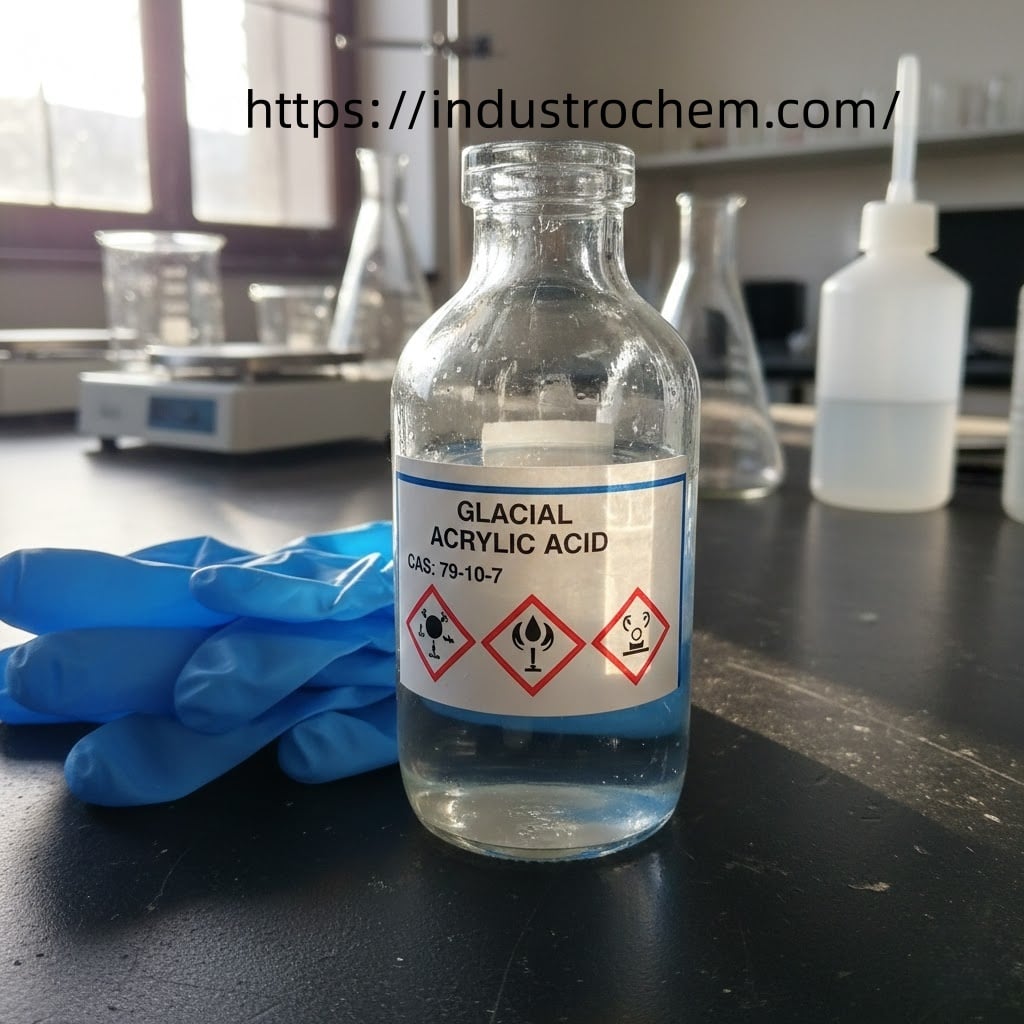
Glacial Acrylic Acid (GAA) CAS 79-10-7 is a high-purity unsaturated carboxylic acid chemically defined as propenoic acid, functioning primarily as the foundational monomer for Superabsorbent Polymers (SAP) and various polyacrylate esters. Characterized by its sharp, acrid odor and tendency to crystallize below 13°C, this corrosive liquid is utilized to synthesize water-soluble polymers for sludge treatment flocculants and acts as a key building block in the production of pressure-sensitive adhesives and high-performance coatings. We provide professional access to this material with competitive factory pricing and the ability to meet customized specifications (stabilized with MEHQ inhibitors ranging from 200ppm to MEHQ-free upon request) for various manufacturing requirements. Our commitment to technical transparency ensures that every shipment is accompanied by comprehensive MSDS, TDS, COA documentation to support your quality assurance protocols, and we maintain capacity for consistent bulk supply to facilitate large-scale industrial operations.
Glacial Acrylic Acid GAA CAS 79-10-7
- CAS: 79-10-7
- Synonyms: 2-Propenoic acid, Propenoic acid, Vinylformic acid, Acroleic acid, Prop-2-enoic acid, GAA
- Einecs: 201-177-9
- Molecular Formula: C3H4O2
- Grade: Glacial Grade (Purity ≥ 99.5 % ≥99.5%), Ester Grade.
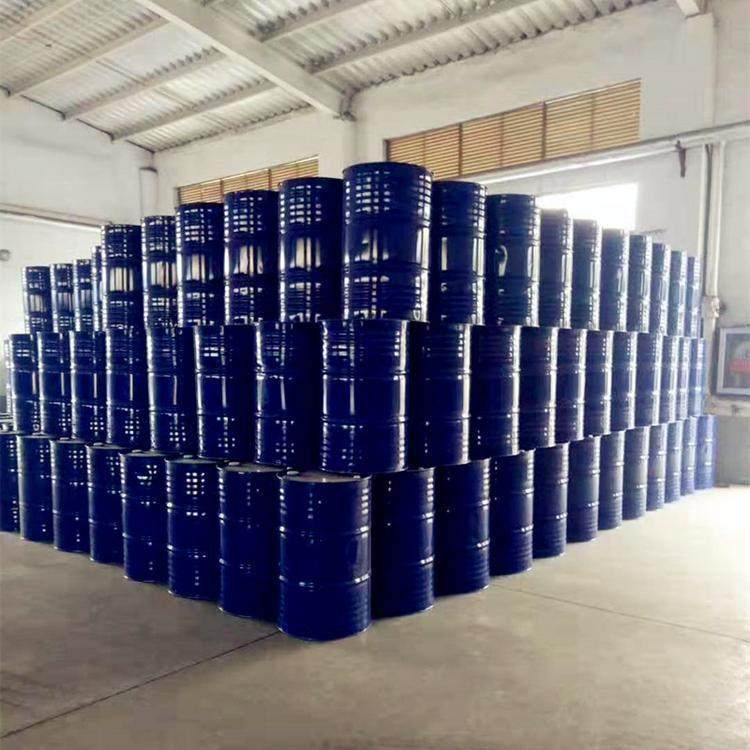
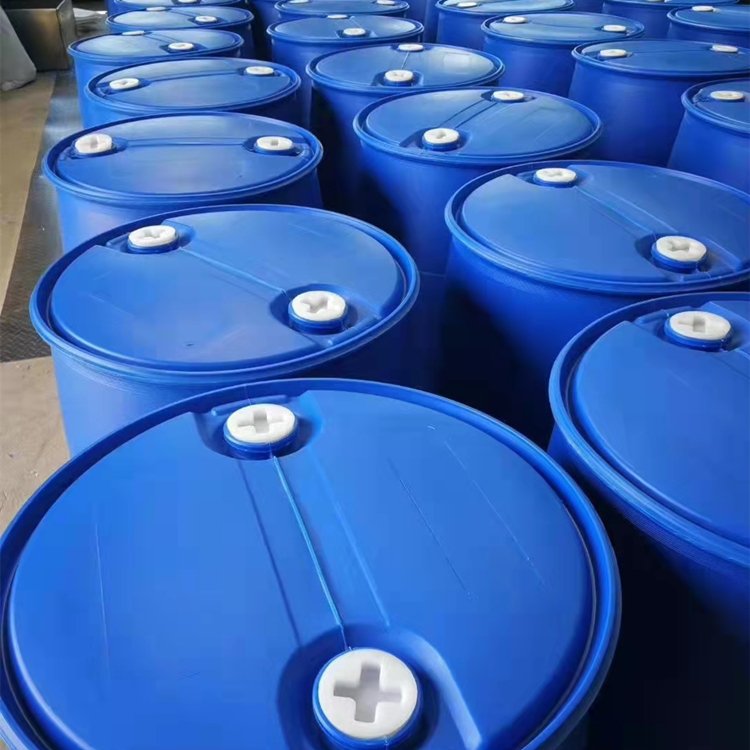
- Package: 200kg PE Drum or 23-24MT ISO Tank.
Product Description
Physicochemical Properties (Technical Data)
The following specifications represent our standard Industrial Glacial Grade, fully aligned with GB/T 17529.1-2008 and international export standards.
| Property | Specification |
|---|---|
| Appearance | Clear, colorless liquid |
| Purity (Acrylic Acid) | ≥99.50% |
| Color (APHA/Pt-Co) | ≤10 |
| Water Content | ≤0.10% |
| Inhibitor (MEHQ) | 200 ± 20 ppm (Standard) |
| Furfural | ≤1.0ppm |
| Freezing/Melting Point | 13°C |
| Boiling Point | 141°C |
| Flash Point | 50°C (Closed Cup) |
| Solubility | Miscible with water, alcohol, ether |
Applications
Acrylic Acid is a versatile monomer critical to downstream manufacturing:
1. Superabsorbent Polymers (SAP):
- Hygiene: The largest application. Neutralized acrylic acid is polymerized to create SAP found in baby diapers, adult incontinence products, and feminine hygiene items.
- Agriculture: Used in soil amendments to retain water in arid environments.
2. Coatings & Adhesives (Esters Production):
- Precursor: Reacts with alcohols to form acrylate esters (Methyl, Ethyl, Butyl, and 2-Ethylhexyl Acrylate), which are essential binders for paints, coatings, and pressure-sensitive adhesives (PSA).
3. Water Treatment:
- Flocculants: Homopolymers (Polyacrylic Acid) and copolymers act as scale inhibitors and dispersants in industrial water cooling systems and detergents.
4. Textile & Paper:
- Used in the formulation of sizing agents and finishing chemicals to improve the durability and texture of fibers.
Quality Assurance
- Purity Verification: We utilize Gas Chromatography (GC) for every batch to precisely measure the purity (>99.5%) and identify trace organic impurities like Furfural or Propionic Acid.
- Inhibitor Monitoring: The level of MEHQ is strictly tested using HPLC to ensure it remains within the specified range (typically 200ppm), guaranteeing stability during transit.
- Pre-Shipment Inspection: Visual checks for clarity and color (APHA) are conducted immediately before drum filling or tank loading to ensure no contamination occurred during transfer.
Storage, Handling & Safety
Critical Storage Conditions:
- Temperature Control: Store between 15°C and 25°C.
- Warning: Acrylic Acid freezes at ~13°C. Do not allow to freeze. Thawing crystallized acrylic acid requires dangerous specialized procedures to prevent localized overheating and explosive polymerization.
- Warning: Temperatures above 35°C significantly increase the risk of runaway polymerization.
- Oxygen Requirement: The inhibitor (MEHQ) requires dissolved oxygen to function. Do not store under an inert atmosphere (nitrogen) for extended periods; air headspace is necessary.
Safety Precautions (HSE):
- Corrosive & Flammable: Acrylic Acid causes severe skin burns and eye damage. It is also flammable.
- PPE Recommendations:
- Respiratory: Full-face respirator with organic vapor cartridges.
- Skin: Chemical-resistant suit (Tychem or equivalent) and Butyl rubber gloves.
- Eyes: Face shield and safety goggles are mandatory.
- Emergency: In case of skin contact, immediately wash with Diphoterine (if available) or massive amounts of water for at least 15 minutes.
Secure your supply of high-purity Glacial Acrylic Acid.
Our logistics experts are experienced in handling dangerous goods (Class 8/3) shipments worldwide.
👉 Get a Quote: info@industrochem.com
FAQ - Technical & Supply Chain
-
Q:
Why is the "thawing" process critical if Glacial Acrylic Acid (CAS 79-10-7) freezes during transit?
A: Temperature control is a paramount safety issue. If GAA freezes (below 13°C), the stabilizer (MEHQ) tends to migrate into the remaining liquid phase, leaving the solid crystals inhibitor-free. If thawed rapidly or unevenly, these unstabilized crystals can polymerize violently (runaway reaction) and cause an explosion. Industrial users must use a tempered "hot box" or warm room (max 25°C) to thaw the entire drum slowly and agitate it to redistribute the inhibitor before use. -
Q:
Does the inhibitor MEHQ require specific storage conditions to remain effective?
A: Yes. The polymerization inhibitor MEHQ (Monomethyl ether of hydroquinone) requires dissolved oxygen to function. Therefore, Glacial Acrylic Acid must never be stored under an inert atmosphere (like pure nitrogen) for extended periods; it requires "air sparging" or storage in tanks with an air headspace to maintain the dissolved oxygen levels necessary for stability.
Documents and Product Support
For product review and sourcing evaluation, supporting documents can be coordinated according to the product type, inquiry stage, and order requirements.
- COA for batch-based quality reference
- TDS for key physical and chemical information
- SDS / MSDS for handling, storage, and safety reference
- Packing information for sample, trial, and bulk orders
- Technical communication based on application and specification requirements
Information to Confirm Before Quotation
Clear sourcing information helps reduce specification mismatch and allows a more accurate quotation before sample or bulk order discussion.
- Product name and CAS number
- Application or intended end use
- Required purity, grade, or specification
- Sample quantity, trial order, or bulk demand
- Preferred packing form or net weight
- Destination country or port
- Required documents or compliance expectations
Packaging, Storage, and Handling Notes
Packaging form, storage conditions, shelf life, and shipment arrangements should be confirmed according to the product characteristics, package size, and destination requirements.
Before order confirmation, buyers are advised to review the corresponding product documents and confirm whether any special storage, labeling, or handling requirements apply.
Sample, Bulk Order and Repeat Supply Support
Support can be arranged for sample discussion, bulk supply planning, packaging confirmation, and routine sourcing communication based on the actual product and order requirements.
For repeat-use formulations or long-term procurement plans, buyers may discuss specification consistency, packaging preferences, delivery expectations, and document coordination in advance.