
• Cationic Starch CAS 56780-58-6
  • Cationic Starch CAS 56780-58-6

Cationic Starch CAS 56780-58-6

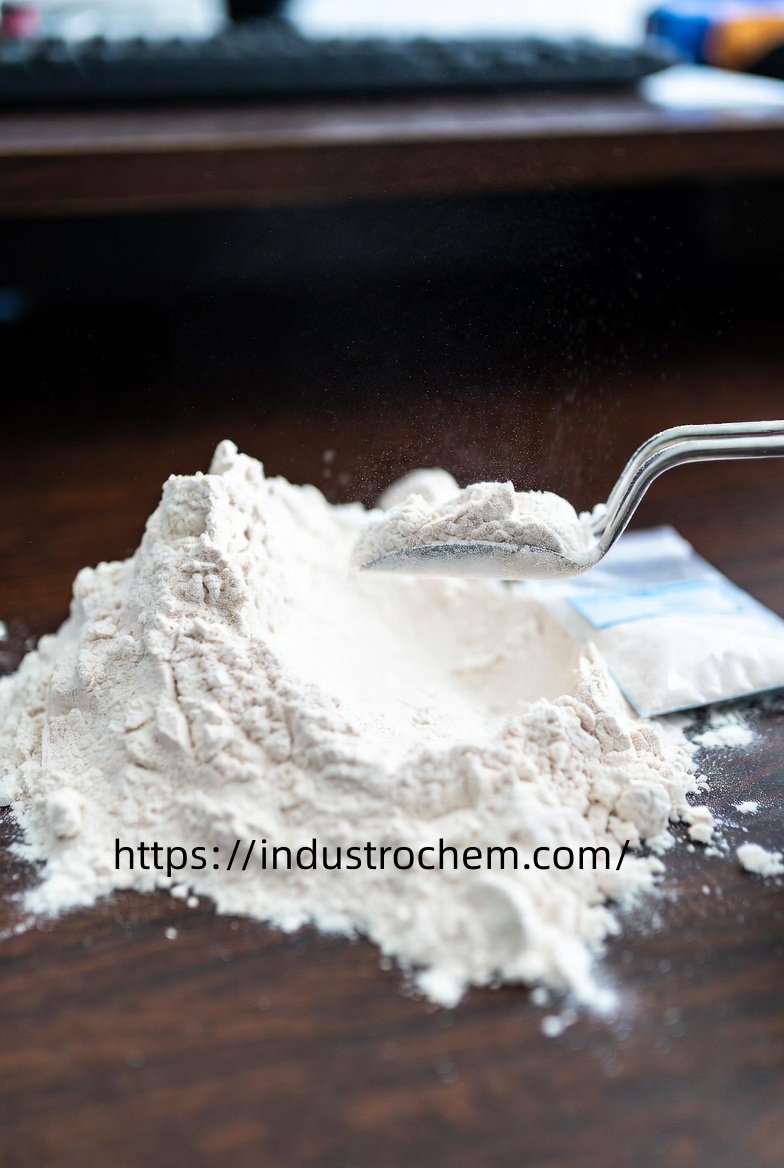
Cationic Starch (CAS 56780-58-6) is a chemically modified polysaccharide derivative carrying a positive electrical charge , functioning primarily as a wet-end additive in the papermaking industry and a sizing agent in textile processing. Produced by etherifying native corn or tapioca starch with quaternary ammonium reagents, this modified polymer exhibits a strong affinity for negatively charged cellulose fibers and fillers. It is utilized to significantly improve the retention of fines and titanium dioxide during paper sheet formation, while simultaneously enhancing internal bond strength and drainage rates. We provide professional access to this material with competitive factory pricing and the ability to meet customized specifications (varying Degree of Substitution, typically DS 0.03 to 0.045) for various manufacturing requirements. Our commitment to technical transparency ensures that every shipment is accompanied by comprehensive MSDS, TDS, COA documentation to support your quality assurance protocols, and we maintain capacity for consistent bulk supply to facilitate large-scale industrial operations.

  • CAS: 56780-58-6
  • Synonyms: Starch 2-hydroxy-3-trimethylammonium propyl ether chloride, Cationic Starch Ether, Wet End Starch, Quaternary Ammonium Starch, Positively Charged Starch
  • Einecs: 232-679-6
  • Grade: Technical Grade / Industrial Grade
  • Package: 25kg Kraft Paper Bag (with PE liner) or 850kg Jumbo Bag.
Request a quote
Share:

Product Description

Physicochemical Properties (Technical Data)

The following specifications represent our standard export grade, aligned with major large-scale manufacturing standards in China.

PropertySpecificationMethod/Note
AppearanceWhite to off-white free-flowing powderVisual Inspection
Whiteness≥88%Whiteness Meter
Moisture Content≤14.0%Drying at 105°C
Ash Content≤1.5%Gravimetric Method
pH Value (1% Solution)5.0 – 8.0pH Meter
Degree of Substitution (D.S.)0.020 – 0.050Customizable upon request
Viscosity5 – 100 mPa.sBrookfield (Based on concentration)
SolubilitySoluble in hot water; gelatinizes upon heating
Nitrogen Content0.15% – 0.50%Kjeldahl Method

Applications

Cationic Starch serves as a critical additive across various industrial sectors due to its binding and flocculating capabilities:

1. Paper & Pulp Industry (Primary Application):

  • Wet-End Additive: Acts as a retention and drainage aid. Its positive charge neutralizes anionic trash and binds fines/fillers to the fibers, increasing the “First Pass Retention” (FPR).
  • Surface Sizing: Improves surface strength, printability, and reduces dusting/linting during high-speed printing.
  • Internal Sizing: Enhances the internal bond strength (Scott Bond) of the paper sheet.

2. Textile Industry:

  • Used as a warp sizing agent for cotton and synthetic blends. It forms a tough, flexible film that protects yarns during weaving, reducing breakage and shedding.

3. Water Treatment & Flocculation:

  • Functions as an efficient polymeric flocculant for industrial wastewater treatment. It effectively captures suspended solids and sludge through charge neutralization and bridging mechanisms.

4. Drilling Fluids:

  • Acts as a viscosifier and fluid loss control agent in water-based drilling muds, stabilizing shale formations.

Quality Assurance (QA/QC)

At Industrochem, quality is not just a promise; it is a rigorous protocol. Our manufacturing facilities operate under ISO 9001:2015 Quality Management Systems.

  • Raw Material Control: We utilize only high-purity native corn or tapioca starch bases to ensure consistency.
  • Process Monitoring: The cationization process is monitored in real-time to ensure uniform distribution of quaternary ammonium groups.
  • Lab Testing: Every batch undergoes strict testing before shipment, including:
    • Degree of Substitution (D.S.) Analysis: To verify cationic charge density.
    • Viscosity Testing: Utilizing Brookfield viscometers to ensure flow consistency.
    • Microbiological Analysis: Ensuring the product is free from contamination for sensitive applications.
  • Third-Party Inspection: We welcome SGS, BV, or Intertek inspections upon customer request.

Storage, Handling & Safety

Storage Conditions:

  • Store in a cool, dry, and well-ventilated area away from direct sunlight and moisture.
  • Keep containers tightly closed when not in use. Cationic starch is hygroscopic; exposure to high humidity may cause caking.
  • Shelf Life: 24 months from the date of manufacture under proper storage conditions.

Safety Precautions (HSE):

  • Dust Hazard: Like all fine organic powders, combustible dust concentrations may form in the air. Ensure proper grounding of equipment to prevent static discharge.
  • PPE Recommendations:
    • Respiratory: Wear a NIOSH/MSHA-approved dust mask (N95) to prevent inhalation of fine particles.
    • Eyes: Wear safety goggles with side shields.
    • Skin: Wear standard industrial protective gloves and clothing.
  • Spill Management: Sweep up dry spills carefully to avoid creating dust clouds. If wet, the surface will become extremely slippery; flush with ample water.

Ready to optimize your production with high-quality Cationic Starch?

Contact our technical sales team for current pricing and sample availability.

👉 Inquire Now: info@industrochem.com

FAQ - Technical & Supply Chain

  • Q:

    Why is the "Degree of Substitution" (DS) critical when selecting Cationic Starch?

    A: The DS value indicates the number of cationic groups per glucose unit, effectively measuring the charge density. For standard packaging paper (linerboard), a lower DS (0.025–0.035) is often sufficient for strength. However, for high-speed paper machines producing fine writing paper with high filler content (like Calcium Carbonate), a higher DS (0.040–0.050) is required to maximize retention and drainage performance.
  • Q:

    Does this starch require cooking (gelatinization) before use?

    A: Yes. Like native starch, granular Cationic Starch is insoluble in cold water. It must be "cooked" or jet-cooked at temperatures typically between 95°C and 105°C to fully gelatinize and unravel the polymer chains. This ensures the cationic groups are accessible to interact with the pulp fibers. We also offer "Pregelatinized" (Cold Water Soluble) grades for applications where on-site cooking equipment is not available.
Documents

Documents and Product Support

For product review and sourcing evaluation, supporting documents can be coordinated according to the product type, inquiry stage, and order requirements.

  • COA for batch-based quality reference
  • TDS for key physical and chemical information
  • SDS / MSDS for handling, storage, and safety reference
  • Packing information for sample, trial, and bulk orders
  • Technical communication based on application and specification requirements
Quotation

Information to Confirm Before Quotation

Clear sourcing information helps reduce specification mismatch and allows a more accurate quotation before sample or bulk order discussion.

  • Product name and CAS number
  • Application or intended end use
  • Required purity, grade, or specification
  • Sample quantity, trial order, or bulk demand
  • Preferred packing form or net weight
  • Destination country or port
  • Required documents or compliance expectations
Storage & Handling

Packaging, Storage, and Handling Notes

Packaging form, storage conditions, shelf life, and shipment arrangements should be confirmed according to the product characteristics, package size, and destination requirements.

Before order confirmation, buyers are advised to review the corresponding product documents and confirm whether any special storage, labeling, or handling requirements apply.

Supply Support

Sample, Bulk Order and Repeat Supply Support

Support can be arranged for sample discussion, bulk supply planning, packaging confirmation, and routine sourcing communication based on the actual product and order requirements.

For repeat-use formulations or long-term procurement plans, buyers may discuss specification consistency, packaging preferences, delivery expectations, and document coordination in advance.

Contact Form

Use our contact form to send us your questions, suggestions or comments. We will respond as soon as possible.