









• Polyamide Epichlorohydrin (PAE)  CAS 63428-84-2

Polyamide Epichlorohydrin (PAE) CAS 63428-84-2

Polyamide Epichlorohydrin, identified as CAS 63428-84-2, is a water-soluble cationic thermosetting resin characterized by its high charge density and ability to form covalent bonds with cellulose fibers. Functioning as a primary Polyamide-polyamine-epichlorohydrin complex, this polymer operates through a cross-linking mechanism that significantly enhances the structural integrity of fibrous matrices when saturated. In large-scale paper manufacturing, this wet strength agent is essential for producing functional tissues, decorative laminates, and heavy-duty liquid packaging boards that require durability under aqueous conditions. This Polyamidoamine-epichlorohydrin derivative is typically applied in neutral to slightly alkaline papermaking environments to optimize fiber retention and drainage rates. As an Epichlorohydrin-polyamide polymer, it provides the necessary ionic interaction for specialized coating and textile auxiliaries. We facilitate bulk supply for integrated industrial facilities, offering customized specifications regarding active solid content and viscosity ranges to meet specific process requirements. Our logistics infrastructure ensures competitive factory pricing for international distribution, with all shipments fully documented via MSDS, TDS, COA.

  • CAS: 63428-84-2
  • Synonyms: Polyamide-polyamine-epichlorohydrin, Wet strength agent, PAE resin, Polyamidoamine-epichlorohydrin, Epichlorohydrin-polyamide polymer
  • Einecs: 613-214-4
  • Grade: Industrial Grade / Paper Grade
  • Package: 200kg/drum, 1000kg/IBC tank
Request a quote
Share:

Product Description

Technical Data (Physicochemical Properties)

PropertyIndustrial Standard Specification
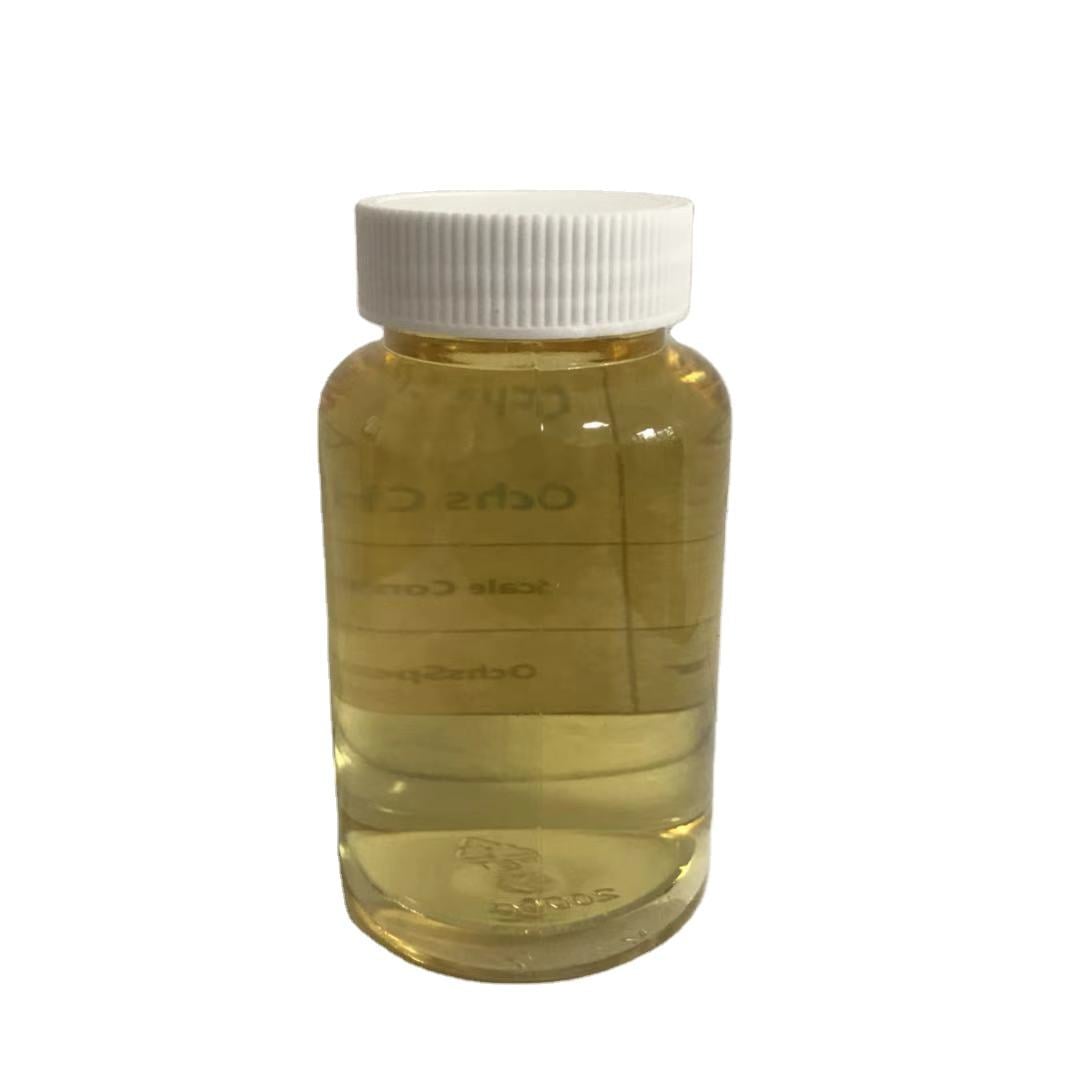
AppearanceLight yellow to amber transparent liquid
Solid Content (%)12.5% ± 0.5 / 25.0% ± 1.0
pH Value (25°C)3.0 – 5.0
Viscosity (25°C)20 – 80 mPa·s
Ionic CharacterCationic
Storage Stability3-6 months (stored at 5°C – 30°C)

Applications

  • Paper Manufacturing: Primarily used as a wet-strength additive for facial tissues, paper towels, map paper, and food packaging materials.
  • Textile Processing: Employed as a fixing agent or sizing auxiliary to improve the dimensional stability of synthetic and natural fibers.
  • Industrial Coatings: Utilized as a cross-linking agent in water-based resin systems to improve adhesion and moisture resistance.
  • Adhesives: Integrated into specialty adhesive formulations requiring high cationic charge and water-resistant bonding.

Storage & Safety

PAE resin should be stored in a cool, ventilated warehouse, ideally at temperatures between 5°C and 30°C. Prolonged exposure to direct sunlight or temperatures exceeding 35°C may lead to premature gelation or degradation of the polymer chain. PPE Recommendations: Operators must wear chemical-resistant gloves (nitrile or neoprene), safety goggles, and protective industrial clothing. In case of skin contact, rinse immediately with plenty of water.

Quality Assurance

Our manufacturing facility adheres to strict process controls to ensure the molecular weight distribution and azetidinium functional group stability of every batch. We utilize Brookfield viscometers for precise rheological monitoring and nitrogen analysis to confirm the polyaminoamine backbone consistency. Each lot undergoes comprehensive performance testing in simulated neutral papermaking conditions to ensure the material meets the wet-strength benchmarks required for global industrial export.

FAQ - Technical & Supply Chain

  • Q:

    Is your PAE resin considered a "Low-DCP" or 3rd generation wet strength agent?

    A: Yes. We offer specialized grades that meet strict environmental standards for food-contact materials. Our advanced synthesis process minimizes hazardous by-products like 1,3-DCP and 3-MCPD to levels compliant with EU Ecolabel and Nordic Swan requirements for tissue and towel products.
  • Q:

    What is the recommended dosage for household tissue production?

    A: For standard facial tissue or paper towels, the typical dosage ranges from 5kg to 15kg per ton of dry pulp, depending on the desired wet/dry tensile ratio. We recommend adding the resin at the machine chest or stuff box to maximize adsorption time.
  • Q:

    How does this resin affect the recyclability (repulping) of the finished paper?

    A: Since PAE creates permanent wet strength through covalent bonding, the paper is more difficult to repulp than temporary wet strength grades. For broke recovery, we suggest using high-temperature repulping (above 60°C) and maintaining an alkaline pH (8.5–10.0) to facilitate the breakdown of the resin network.
  • Q:

    Can this resin be used in acidic papermaking systems?

    A: While PAE is most effective at a pH of 6.0 to 9.0, it maintains significant activity in slightly acidic systems. However, for systems with a pH below 5.5, the curing rate and efficiency may decrease. Contact our technical team for specific formulation adjustments.
Documents

Documents and Product Support

For product review and sourcing evaluation, supporting documents can be coordinated according to the product type, inquiry stage, and order requirements.

  • COA for batch-based quality reference
  • TDS for key physical and chemical information
  • SDS / MSDS for handling, storage, and safety reference
  • Packing information for sample, trial, and bulk orders
  • Technical communication based on application and specification requirements
Quotation

Information to Confirm Before Quotation

Clear sourcing information helps reduce specification mismatch and allows a more accurate quotation before sample or bulk order discussion.

  • Product name and CAS number
  • Application or intended end use
  • Required purity, grade, or specification
  • Sample quantity, trial order, or bulk demand
  • Preferred packing form or net weight
  • Destination country or port
  • Required documents or compliance expectations
Storage & Handling

Packaging, Storage, and Handling Notes

Packaging form, storage conditions, shelf life, and shipment arrangements should be confirmed according to the product characteristics, package size, and destination requirements.

Before order confirmation, buyers are advised to review the corresponding product documents and confirm whether any special storage, labeling, or handling requirements apply.

Supply Support

Sample, Bulk Order and Repeat Supply Support

Support can be arranged for sample discussion, bulk supply planning, packaging confirmation, and routine sourcing communication based on the actual product and order requirements.

For repeat-use formulations or long-term procurement plans, buyers may discuss specification consistency, packaging preferences, delivery expectations, and document coordination in advance.

Contact Form

Use our contact form to send us your questions, suggestions or comments. We will respond as soon as possible.