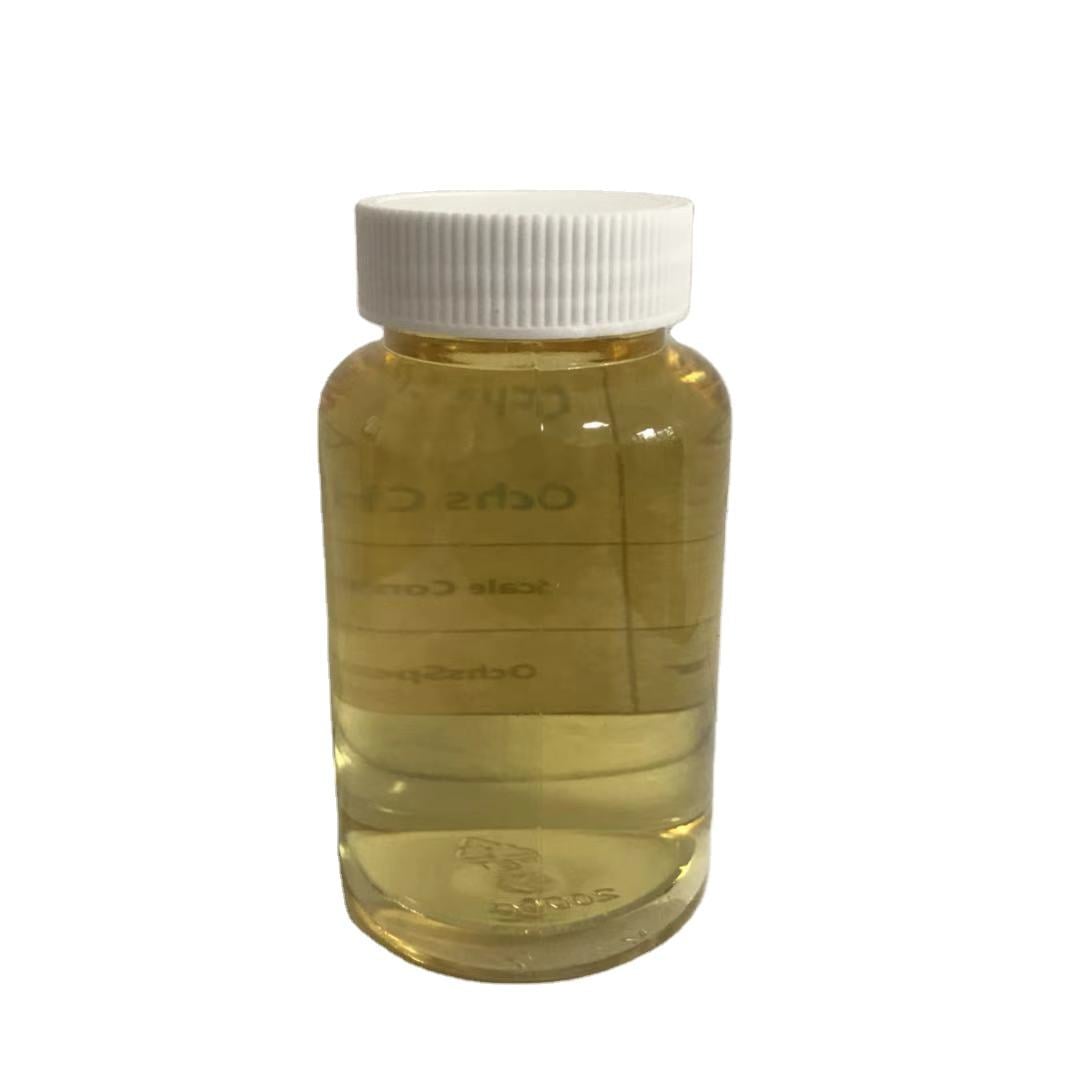
Polyamide Epichlorohydrin, identified as CAS 63428-84-2, is a water-soluble cationic thermosetting resin characterized by its high charge density and ability to form covalent bonds with cellulose fibers. Functioning as a primary Polyamide-polyamine-epichlorohydrin complex, this polymer operates through a cross-linking mechanism that significantly enhances the structural integrity of fibrous matrices when saturated. In large-scale paper manufacturing, this wet strength agent is essential for producing functional tissues, decorative laminates, and heavy-duty liquid packaging boards that require durability under aqueous conditions. This Polyamidoamine-epichlorohydrin derivative is typically applied in neutral to slightly alkaline papermaking environments to optimize fiber retention and drainage rates. As an Epichlorohydrin-polyamide polymer, it provides the necessary ionic interaction for specialized coating and textile auxiliaries. We facilitate bulk supply for integrated industrial facilities, offering customized specifications regarding active solid content and viscosity ranges to meet specific process requirements. Our logistics infrastructure ensures competitive factory pricing for international distribution, with all shipments fully documented via MSDS, TDS, COA.
Polyamide Epichlorohydrin (PAE) CAS 68583-79-9
- CAS: 68583-79-9
- Synonyms: Polyamide-polyamine-epichlorohydrin, Wet strength agent, PAE resin, Polyamidoamine-epichlorohydrin, Epichlorohydrin-polyamide polymer
- Einecs: 614-622-0
- Grade: Industrial Grade / Paper Grade
- Package: 200kg/drum, 1000kg/IBC tank
Product Description
Technical Data (Physicochemical Properties)
| Property | Industrial Standard Specification |
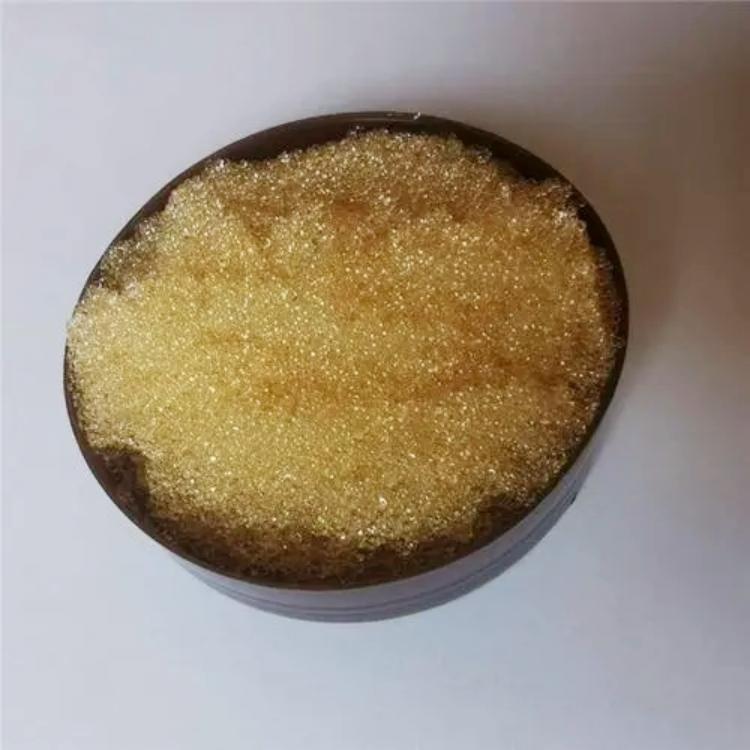
| Appearance | Light yellow to amber transparent liquid |
| Solid Content (%) | 12.5% ± 0.5 / 25.0% ± 1.0 |
| pH Value (25°C) | 3.0 – 5.0 |
| Viscosity (25°C) | 20 – 80 mPa·s |
| Ionic Character | Cationic |
| Storage Stability | 3-6 months (stored at 5°C – 30°C) |
Applications
- Paper Manufacturing: Primarily used as a wet-strength additive for facial tissues, paper towels, map paper, and food packaging materials.
- Textile Processing: Employed as a fixing agent or sizing auxiliary to improve the dimensional stability of synthetic and natural fibers.
- Industrial Coatings: Utilized as a cross-linking agent in water-based resin systems to improve adhesion and moisture resistance.
- Adhesives: Integrated into specialty adhesive formulations requiring high cationic charge and water-resistant bonding.
For other paper wet-end additives, see Cationic Starch and Alkyl Ketene Dimer (AKD Wax).
Storage & Safety
PAE resin should be stored in a cool, ventilated warehouse, ideally at temperatures between 5°C and 30°C. Prolonged exposure to direct sunlight or temperatures exceeding 35°C may lead to premature gelation or degradation of the polymer chain. PPE Recommendations: Operators must wear chemical-resistant gloves (nitrile or neoprene), safety goggles, and protective industrial clothing. In case of skin contact, rinse immediately with plenty of water.
Quality Assurance
Our manufacturing facility adheres to strict process controls to ensure the molecular weight distribution and azetidinium functional group stability of every batch. We utilize Brookfield viscometers for precise rheological monitoring and nitrogen analysis to confirm the polyaminoamine backbone consistency. Each lot undergoes comprehensive performance testing in simulated neutral papermaking conditions to ensure the material meets the wet-strength benchmarks required for global industrial export.
FAQ - Technical & Supply Chain
-
Q:
What is Polyamide Epichlorohydrin (PAE) CAS 68583-79-9 used for?
A: PAE is a cationic, water-soluble wet-strength resin used mainly in papermaking for facial tissue, hand towels, kitchen paper, wet wipes, kraft paper, decorative base paper, and impregnated paper. It can also improve dry strength and may serve as a retention aid or flocculant in selected wet-end applications. -
Q:
How does PAE resin increase wet strength?
A: The cationic PAE polymer adsorbs onto negatively charged pulp fibers and cures through covalent cross-links during drying and storage. These water-resistant bonds remain intact when the paper becomes wet, so the sheet keeps more tensile strength compared with untreated fiber. -
Q:
What are the typical solids content and pH of this PAE wet-strength agent?
A: The supplied PAE resin is commonly available at about 12.5% or 25% solids and typically has a pH of 3.0-5.0 at 25 degrees C. The product is a light yellow to amber transparent liquid; the exact grade should be selected from the technical data for the intended furnish. -
Q:
What dosage and addition point are recommended for papermaking?
A: Dosage depends on target wet/dry tensile ratio, fiber furnish, and machine conditions, and is normally added per ton of dry pulp. A common addition point is at or near the machine chest or stuff box to allow enough contact time with fibers; the optimum should be confirmed by mill trial. -
Q:
How does PAE affect repulping and recycling of broke?
A: Because PAE forms permanent wet strength, paper made with it is more resistant to repulping than paper using temporary wet-strength additives. Broke recovery generally benefits from higher repulping temperature and an appropriate alkaline treatment or mechanical energy, so mill-specific conditions should be validated.
Ordering & Documentation
Key information for document requests, quotations, and supply planning.
Documents
COA, TDS, SDS/MSDS and packing details are available on request.
Quotation
Send the CAS number, grade, quantity, packing preference and destination.
Sample & Supply
Support is available for samples, trial orders, bulk and repeat supply.
Storage & Shipping
Product-specific conditions are confirmed before order.