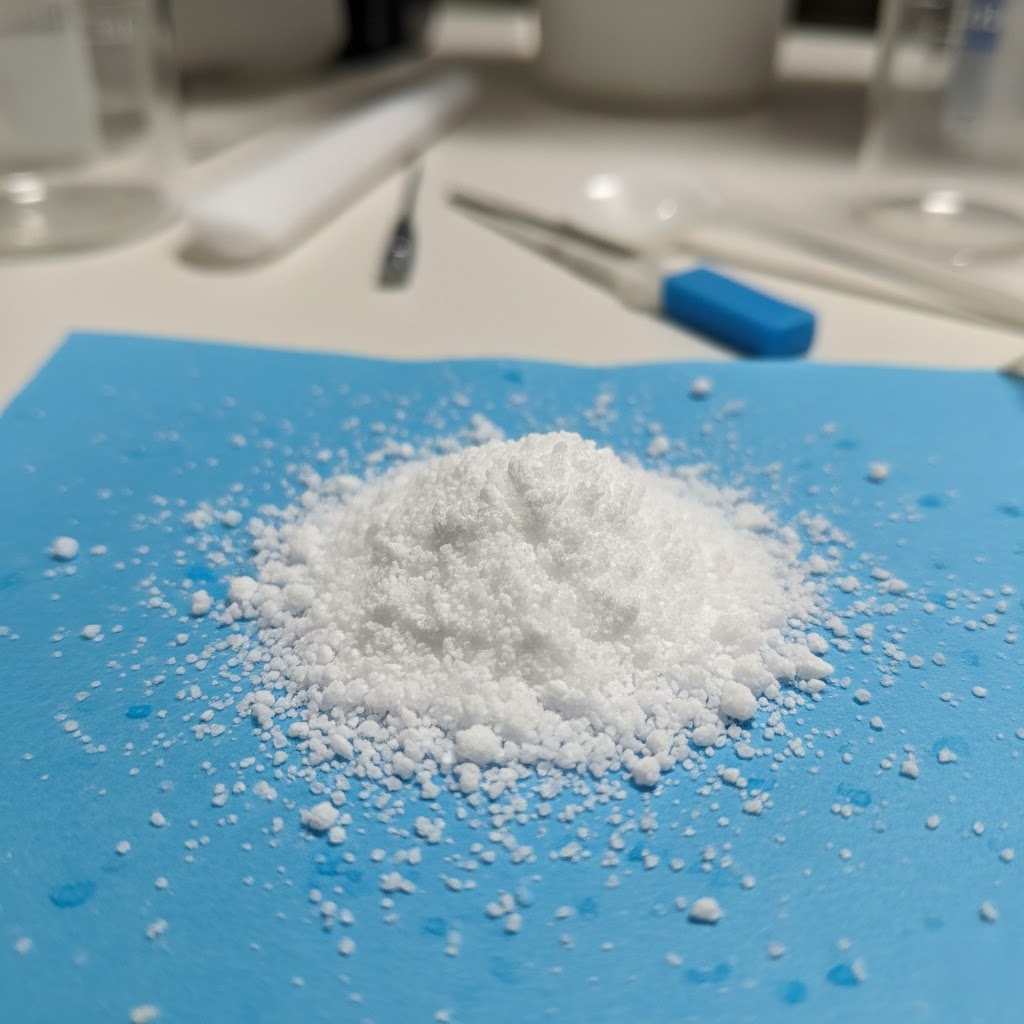










Polyacrylamide (PAM), CAS 9003-05-8, is also known as poly(acrylamide). It is a water-soluble acrylamide polymer used in water and wastewater treatment, sludge conditioning, mineral processing, papermaking and selected process applications. Confirm ionic type, molecular-weight range, form, solids content where applicable, and the required performance test before requesting quotation.
Polyacrylamide (PAM) CAS 9003-05-8
- CAS: 9003-05-8
- Synonyms: Polyacrylamide; PAM; Poly(acrylamide); Acrylamide polymer
- Molecular Formula: (C₃H₅NO)ₙ
- Grade: Confirm ionic type, molecular-weight range, form, solids content where applicable, and the required performance test.
- Package: Confirm packaging compatible with the offered form and destination requirements.
Product Description
Product name: Polyacrylamide (PAM)
Synonyms: Polyacrylamide; PAM; Poly(acrylamide); Acrylamide polymer
CAS number: 9003-05-8
Molecular formula: (C₃H₅NO)ₙ
Molecular weight: Not fixed for a polymer
EC/list number: Confirm against the exact PAM grade and current supplier documents.
Chemical identity: Polyacrylamide (PAM), CAS 9003-05-8, is a water-soluble acrylamide polymer.
Identity boundary: CAS 9003-05-8 does not define anionic, cationic, nonionic or amphoteric type, molecular-weight range, or charge density.
Application boundary: It is used in water and wastewater treatment where the selected polymer grade is compatible with the water matrix.
Grade and content: Confirm ionic type, molecular-weight range, form, solids content where applicable, and the required performance test.
Commercial form: Confirm the offered physical form in the current product-specific specification.
Packaging: Confirm packaging compatible with the offered form and destination requirements.
Documents: Request current product-specific specifications, packaging details and document availability.
Handling and storage: Use the current product-specific SDS for handling and storage.
RFQ information: State the required form, quantity, intended use, destination and required documents in the RFQ.
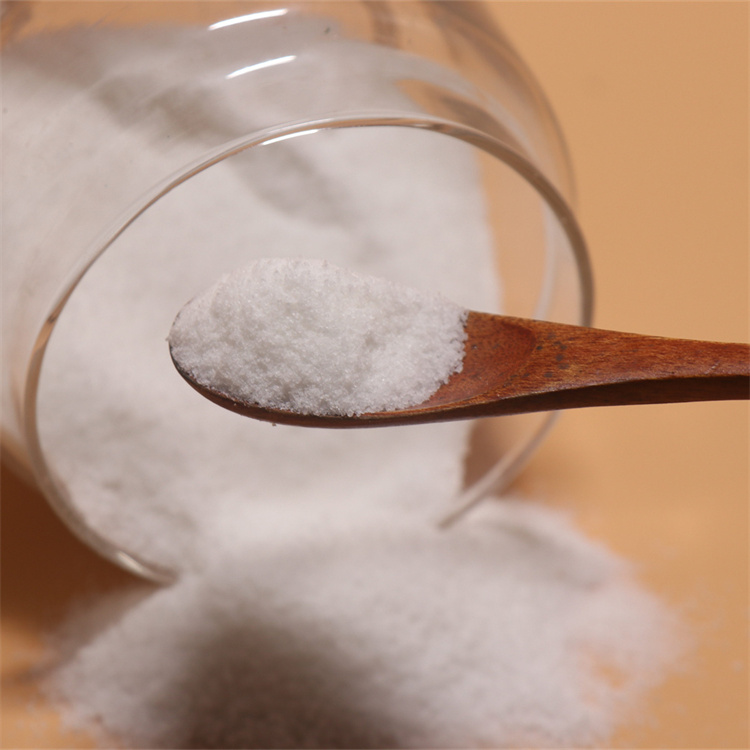
FAQ - Technical & Supply Chain
-
Q:
Does CAS 9003-05-8 identify one universal Polyacrylamide grade?
A: No. Commercial PAM products can be anionic, cationic, nonionic or amphoteric and are supplied as powders or emulsions across different molecular-weight and charge ranges. The CAS number alone is insufficient; state the ionic type, form and application when requesting a grade. -
Q:
What is Polyacrylamide used for?
A: Polyacrylamide is used in water and wastewater treatment, sludge conditioning, mineral processing, papermaking and selected oilfield or process applications. The required charge type and molecular weight depend on the specific water, sludge or process chemistry, so the application should be stated when selecting a grade. -
Q:
How should anionic, cationic, nonionic and amphoteric PAM be selected?
A: Match the polymer charge to the suspended solids and process conditions. Anionic PAM is widely used with mineral or inorganic suspensions, cationic PAM is more common for organic sludge, nonionic PAM suits low-charge systems, and amphoteric grades are used where both positive and negative interactions matter. -
Q:
Which physical and grade parameters should be confirmed for Polyacrylamide?
A: Confirm ionic character, molecular-weight or viscosity range, hydrolysis or charge level, physical form, active or solids content, residual acrylamide, particle size and dissolution time as applicable. Powder and emulsion grades differ; use the actual offered grade specification and test methods for solids, density and residual monomer. -
Q:
What is the correct way to prepare a Polyacrylamide solution for dosing?
A: Add the PAM gradually to clean water with continuous mixing at a moderate speed, avoiding high-shear or overdosing that can degrade the polymer or form lumps. Allow enough dissolution time and dilute to the working concentration before dosing, matching the make-down equipment to the powder or emulsion form.
Ordering & Documentation
Key information for document requests, quotations, and supply planning.
Documents
Tell us which documents your procurement team needs. Before an order, we will check whether the quoted source can provide them for the offered lot.
Quotation
Send the CAS number, grade, quantity, packing preference and destination.
Sample & Supply
Ask whether samples, trial quantities or repeat orders are possible. We will check each request against the sourced product and current offer.
Storage & Shipping
Product-specific conditions are confirmed before order.