









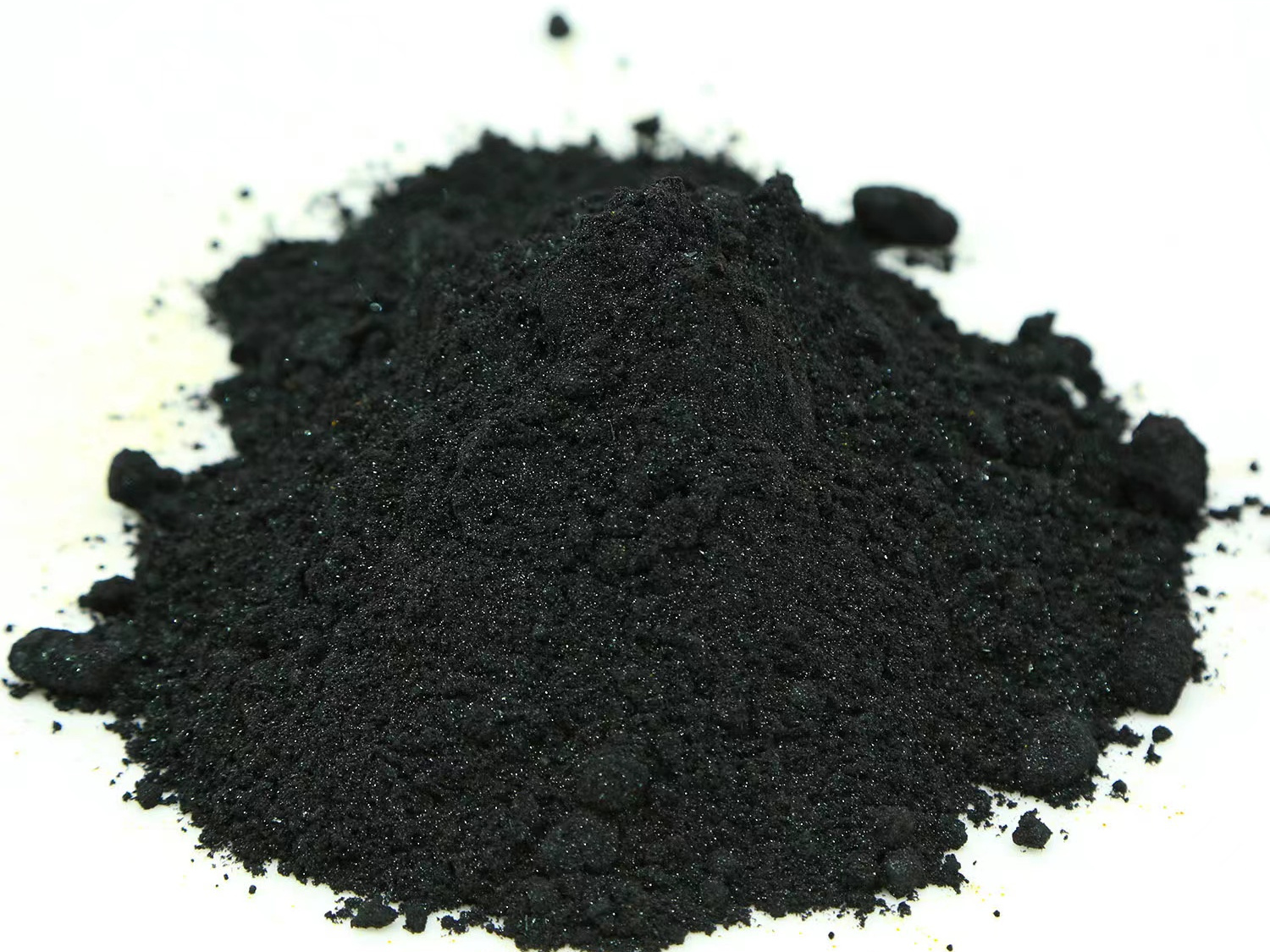
Ferric Chloride (FeCl₃), CAS 7705-08-0, is also known as iron(III) chloride or ferric trichloride. It is an iron(III) salt used in water-treatment and metal-etching processes. For procurement review, confirm whether the offered material is anhydrous, hydrated, or a solution, together with the actual concentration where relevant, packaging, and applicable safety documentation.
Ferric Chloride (FeCl₃) CAS 7705-08-0
- CAS: 7705-08-0
- Synonyms: Ferric chloride; Iron(III) chloride; FeCl₃; Ferric trichloride
- Einecs: 231-729-4
- Molecular Formula: FeCl₃
- Grade: Confirm current product specification
- Package: Confirm packaging for the offered form
Product Description
Product name: Ferric Chloride (FeCl₃)
CAS number: 7705-08-0
Molecular formula: FeCl₃
Molecular weight: 162.20 g/mol
EC number: 231-729-4
Other names: Ferric chloride; Iron(III) chloride; FeCl₃; Ferric trichloride
Chemical class: an iron(III) salt
Identity check: Ferric chloride and iron(III) chloride identify FeCl₃.
Technical context: water-treatment and metal-etching processes
Related water-treatment material: anionic polyacrylamide (APAM)
Ferric chloride is a coagulant. APAM is a polymer flocculant. Some water-treatment processes use both, but they are not interchangeable. Confirm suitability through process testing.
RFQ information: Before an RFQ, confirm whether the offered material is anhydrous, hydrated, or a solution, together with the actual concentration where relevant.
Offered form: Not specified; confirm the actual offered form.
Specification review: Confirm identity, relevant assay or impurity criteria, and suitability in the current technical dossier.
Safety: Follow the current SDS for the exact offered form and the receiving site’s controls.
Packaging and documents: Confirm packaging and applicable documentation for the actual offered product.
FAQ - Technical & Supply Chain
-
Q:
Are anhydrous Ferric Chloride and Ferric Chloride solution interchangeable?
A: No. Anhydrous FeCl₃, hydrated solids and aqueous Ferric Chloride solutions differ in formula basis, water content, concentration, density and dosing value. Specify the physical form, FeCl₃ or iron basis, solution concentration and free-acid basis. A CAS number alone does not define the commercial grade or delivered active content. -
Q:
Which specifications should be agreed for Ferric Chloride solution?
A: Agree FeCl₃ or total iron concentration and test method, ferrous iron, free hydrochloric acid, insoluble matter and relevant trace metals, plus density and crystallization behavior. Drinking-water, wastewater, etching and other uses may require different impurity limits. Review the batch COA and applicable product standard for the intended market. -
Q:
What should be specified for bulk Ferric Chloride delivery?
A: Ferric Chloride solution is highly corrosive. Agree tanker or IBC construction, lining, valve and gasket materials, venting, unloading connection, concentration and minimum handling temperature. Confirm previous-cargo and cleanliness records, net quantity, seals, current SDS and receiving-site containment before loading, and account for crystallization risk in cold conditions.
Ordering & Documentation
Key information for document requests, quotations, and supply planning.
Documents
Tell us which documents your procurement team needs. Before an order, we will check whether the quoted source can provide them for the offered lot.
Quotation
Send the CAS number, grade, quantity, packing preference and destination.
Sample & Supply
Ask whether samples, trial quantities or repeat orders are possible. We will check each request against the sourced product and current offer.
Storage & Shipping
Product-specific conditions are confirmed before order.