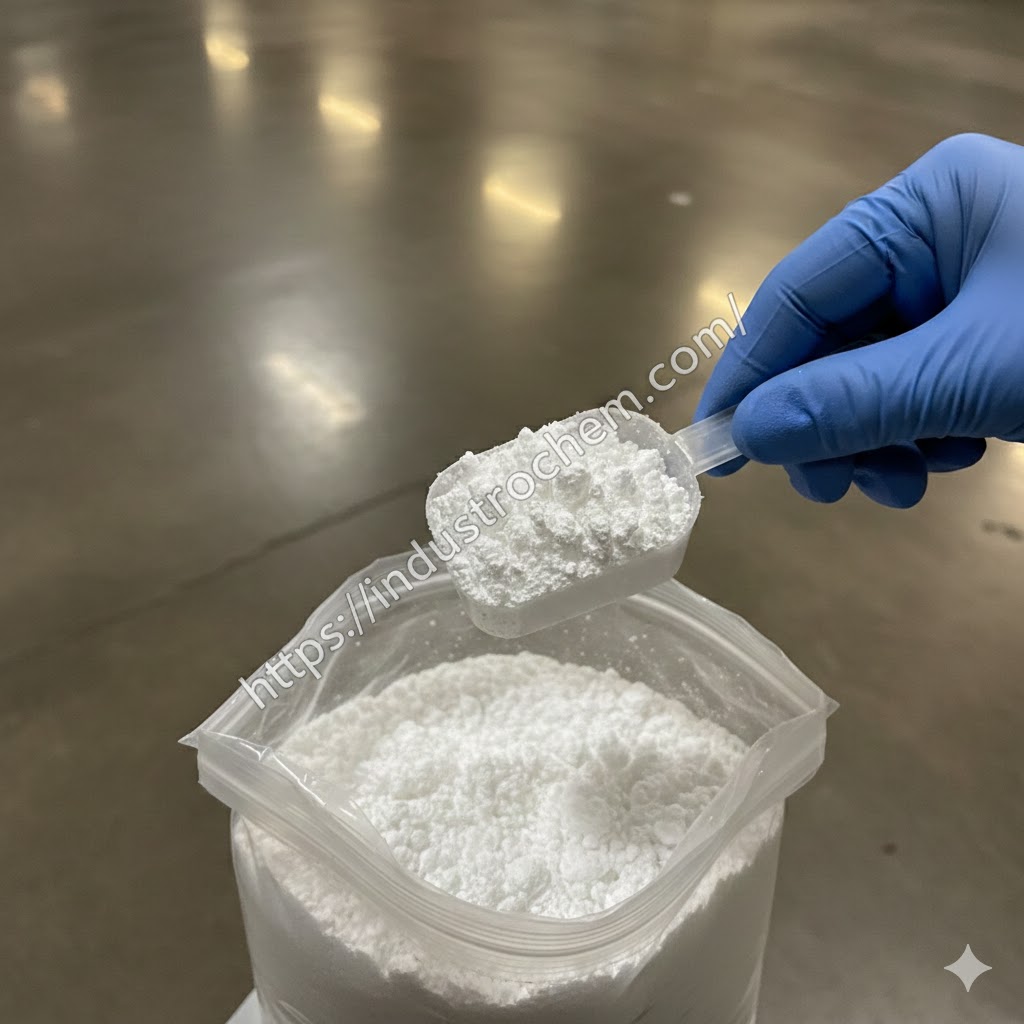










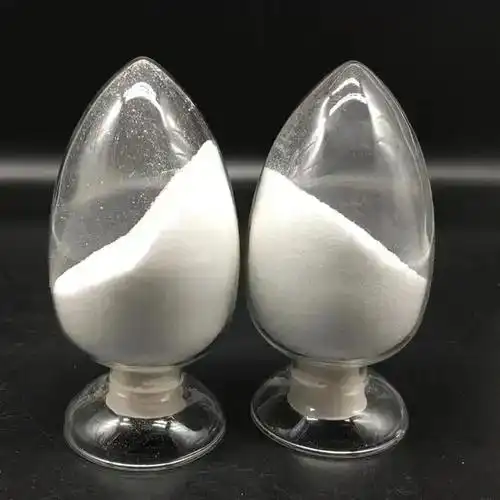
Anionic Polyacrylamide (CAS 9003-05-8) is a high molecular weight, water-soluble polymer utilized primarily as a flocculating agent in industrial wastewater treatment and mineral processing. This macromolecular PAM resin functions through bridging adsorption and charge neutralization, serving as a highly efficient APAM coagulant aid to accelerate the sedimentation of suspended solids. Unlike cationic variants, this anionic polyelectrolyte is specifically engineered to destabilize inorganic particles and metal hydroxides, acting as a critical acrylamide polymer in sludge dewatering and paper retention systems. We provide this functional polymer with competitive factory pricing to support environmental treatment facilities and ensure bulk supply availability for continuous plant operations. Our manufacturing process allows for customized specifications regarding molecular weight and hydrolysis degree, while every batch is fully documented with MSDS, TDS, COA files to ensure quality consistency.
Anionic Polyacrylamide CAS 9003-05-8
- CAS: 9003-05-8
- Synonyms: PAM, APAM, Anionic PAM, Polyelectrolyte, Acrylamide resin
- Einecs: 231-545-4
- Molecular Formula: (C₃H₅NO)ₙ
- Grade: Anionic polyacrylamide, high molecular weight, industrial / water treatment grade
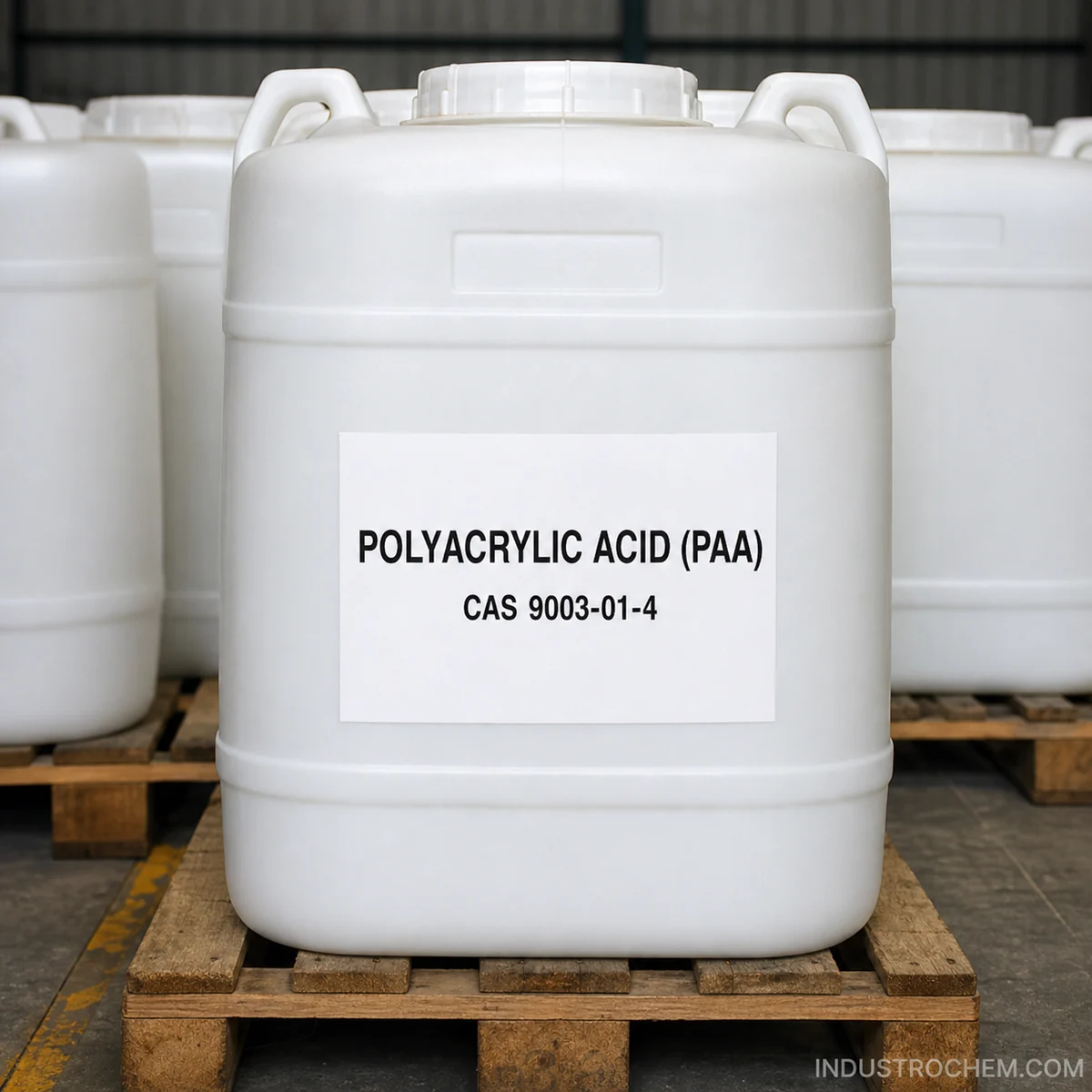
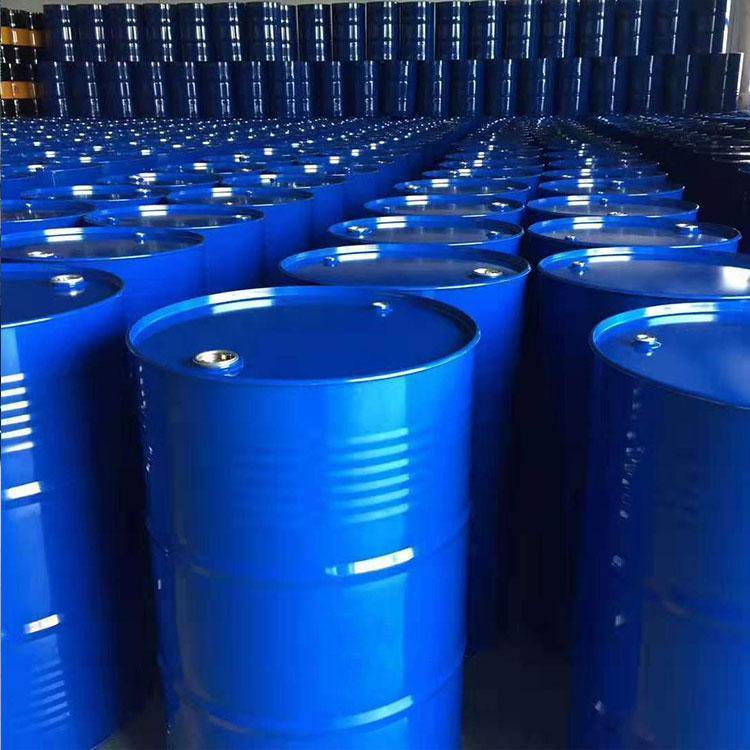
- Package: 25 kg kraft paper or PP woven bags with inner PE liner
Product Description
Polymer Anionic Polyacrylamide (PAM) CAS 9003-05-8 is a high–molecular-weight, water-soluble flocculant widely used in municipal and industrial wastewater treatment, mining, and oilfield projects. It provides fast settling, clear overflow water and low sludge volume, helping end users reduce operating costs and meet discharge standards.
📧 Email: info@industrochem.com to request the latest price, COA and TDS for your application.
Physicochemical Properties
| Item | Typical value / range |
|---|---|
| CAS No. | 9003-05-8 |
| Einecs No. | 231-545-4 |
| Molecular formula | (C₃H₅NO)ₙ |
| Ionic type | Anionic |
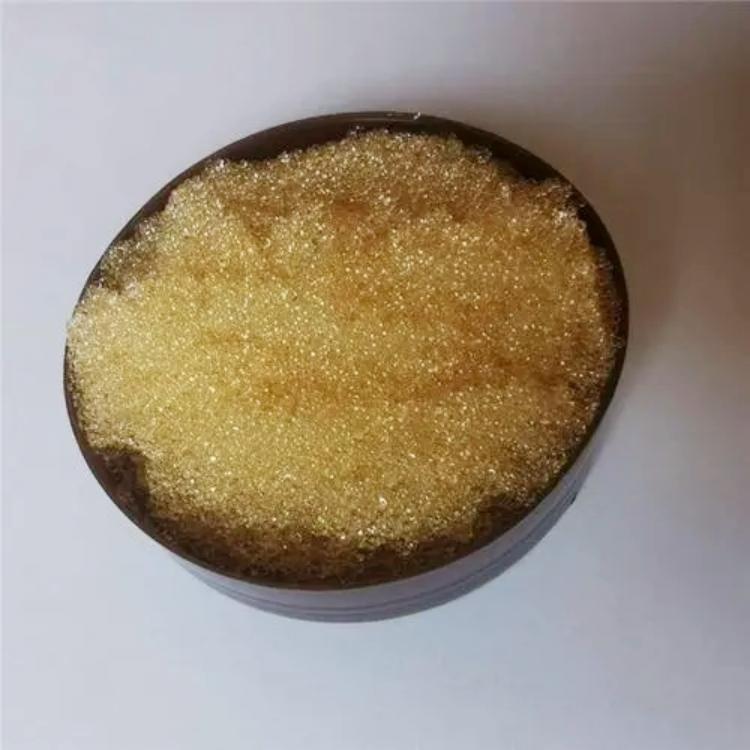
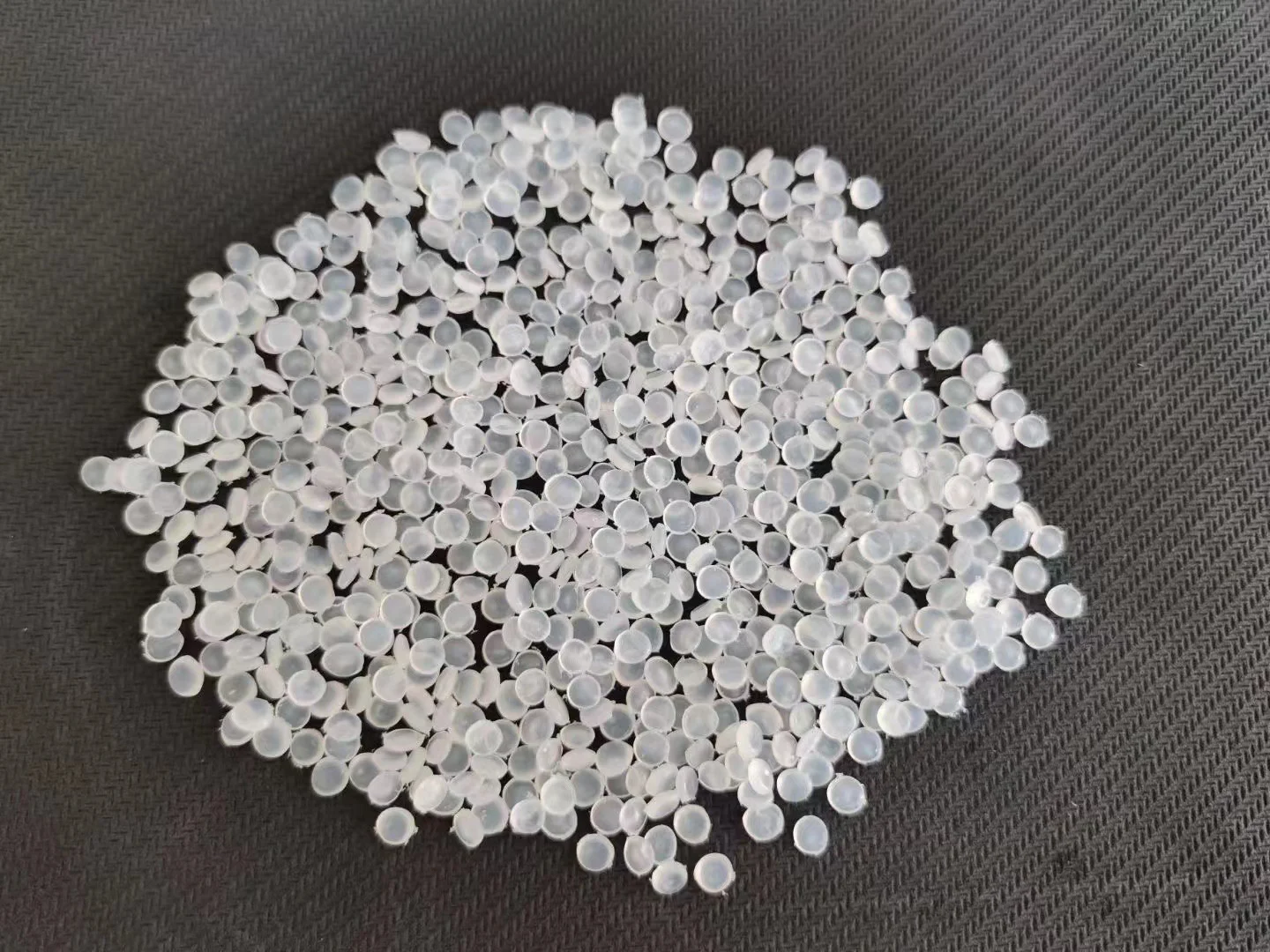
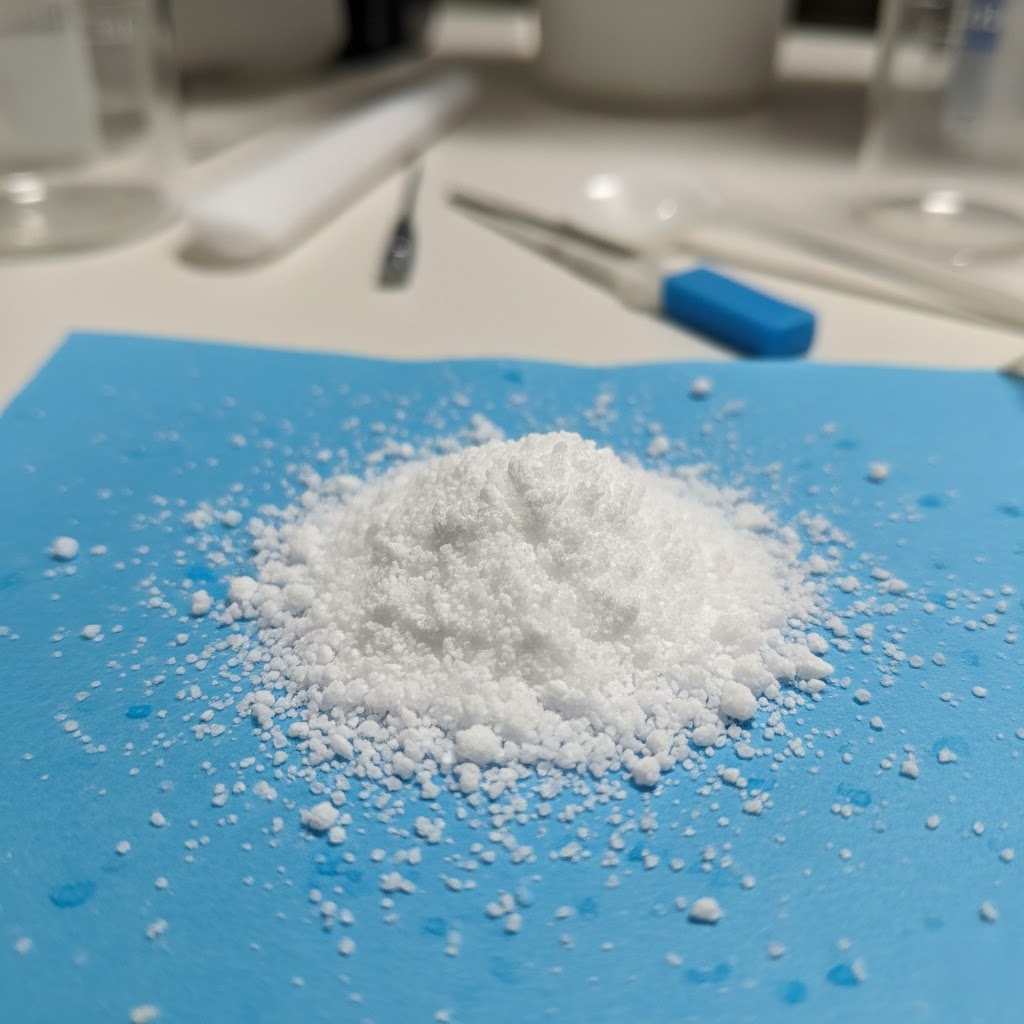
| Appearance | White to off-white granular / powder |
| Solid content | ≥ 89–90% |
| Average molecular weight (Mw) | 10–25 million |
| Degree of hydrolysis | 10–30 mol% (anionic) |
| pH (0.1% aq. solution, 25 °C) | 6.0–8.0 |
| Solubility | Completely soluble in water |
| True density | ~1.2 g/cm³ (25 °C) |
| Melting / decomposition | >300 °C |
| Recommended working solution | 0.1–0.3 wt% |
| Recommended pH range in use | 5–9 |
(The above values are typical data from industrial-grade products; specific specs can be adjusted according to your project requirements.)
Applications
- Municipal & Industrial Wastewater Treatment
- Coagulation and flocculation of suspended solids, colloids and organic matter
- Clarification of effluent in municipal WWTPs, chemical plants, steel mills, electroplating, textile dyeing, food processing, etc.
- Used together with PAC, alum or ferric salts to improve settling speed and reduce polymer dosage
- Sludge Thickening & Dewatering
- Conditioning of primary, secondary and mixed sludge
- Suitable for belt filter presses, centrifuges and chamber filter presses
- Enhances cake dryness, reduces polymer consumption per ton DS, and lowers disposal cost
- Mining, Mineral Processing & Coal Washing
- Thickening and clarification of tailings slurry
- Flocculation in coal preparation plants, iron ore, non-ferrous metal and gold mines
- Improves overflow water clarity and reduces loss of fine solids
- Oil & Gas Field Chemicals
- Additive in drilling fluids as a viscosifier and filtration loss reducer
- Friction reducer in fracturing and pipeline transportation
- Polymer flooding agent for EOR in suitable reservoirs
- Paper & Pulp Industry
- Retention and drainage aid for fine fibers and fillers
- Improves paper sheet formation and machine runnability
- Other Uses
- Clarification of sugar juice, juice and beverage processing
- Clarification of wastewater in metallurgy, electronics and other industrial sectors
Storage Conditions
- Store in cool, dry, well-ventilated warehouses, away from direct sunlight and moisture.
- Keep bags tightly sealed after each use to prevent caking and loss of performance.
- Avoid contact with strong oxidizing agents and strong acids/alkalis.
- Recommended storage temperature: below 30 °C; avoid long-term exposure to high humidity.
- Under proper storage conditions, typical shelf life is 24 months from production date.
Safety Precautions
Polyacrylamide itself is generally regarded as having low acute toxicity and many grades are not classified as hazardous substances under common chemical regulations.
However, trace residual acrylamide monomer and polymer dust require careful handling:
- Avoid inhalation of dust and contact with eyes or skin; wear dust masks / respirators, protective gloves and safety goggles during handling or bag opening.
- In case of eye contact, rinse immediately with plenty of water; if irritation persists, seek medical advice.
- Spilled dry product and prepared solution can make floors extremely slippery; clean up spills promptly with dry absorbent and plenty of water.
- Do not discharge concentrated solutions directly into the environment; follow local regulations for wastewater and sludge disposal.
- Keep away from food, feed and drinking water. Workers should wash hands thoroughly after handling.
FAQ - Technical & Supply Chain
-
Q:
Does CAS 9003-05-8 cover all types of Polyacrylamide?
A: CAS 9003-05-8 serves as the general registry number for Polyacrylamide homopolymers; however, in industrial trade, it is widely used to identify the broad category of PAM products, including the anionic grades (APAM) functionalized for specific charge densities. -
Q:
In which treatment stage is this anionic grade most effective?
A: This material is typically applied in primary sedimentation, gravity thickening, and inorganic sludge dewatering stages where it targets positively charged mineral suspensions and solids.
Documents and Product Support
For product review and sourcing evaluation, supporting documents can be coordinated according to the product type, inquiry stage, and order requirements.
- COA for batch-based quality reference
- TDS for key physical and chemical information
- SDS / MSDS for handling, storage, and safety reference
- Packing information for sample, trial, and bulk orders
- Technical communication based on application and specification requirements
Information to Confirm Before Quotation
Clear sourcing information helps reduce specification mismatch and allows a more accurate quotation before sample or bulk order discussion.
- Product name and CAS number
- Application or intended end use
- Required purity, grade, or specification
- Sample quantity, trial order, or bulk demand
- Preferred packing form or net weight
- Destination country or port
- Required documents or compliance expectations
Packaging, Storage, and Handling Notes
Packaging form, storage conditions, shelf life, and shipment arrangements should be confirmed according to the product characteristics, package size, and destination requirements.
Before order confirmation, buyers are advised to review the corresponding product documents and confirm whether any special storage, labeling, or handling requirements apply.
Sample, Bulk Order and Repeat Supply Support
Support can be arranged for sample discussion, bulk supply planning, packaging confirmation, and routine sourcing communication based on the actual product and order requirements.
For repeat-use formulations or long-term procurement plans, buyers may discuss specification consistency, packaging preferences, delivery expectations, and document coordination in advance.