









Nitrilotriacetic Acid (CAS 139-13-9), chemically designated as N,N-Bis(carboxymethyl)glycine or NTA, is an aminopolycarboxylic acid functioning as a highly efficient chelating agent. Often supplied as a white crystalline powder, this compound operates by sequestering metal ions—such as calcium, magnesium, and iron—to form stable, water-soluble complexes. It is extensively utilized in industrial water treatment systems, textile bleaching stabilization, and as a phosphate-free builder in industrial detergent formulations. We provide this industrial material with competitive factory pricing to support continuous manufacturing operations, alongside options for customized specifications. Essential technical documentation, including MSDS, TDS, COA, is readily available for all bulk supply orders.
Nitrilotriacetic Acid CAS 139-13-9
- CAS: 139-13-9
- Synonyms: NTA, N,N-Bis(carboxymethyl)glycine, Aminotriacetic acid, Triglycine
- Einecs: 205-355-7
- Molecular Formula: C6H9NO6
- Grade: Industrial grade 99%
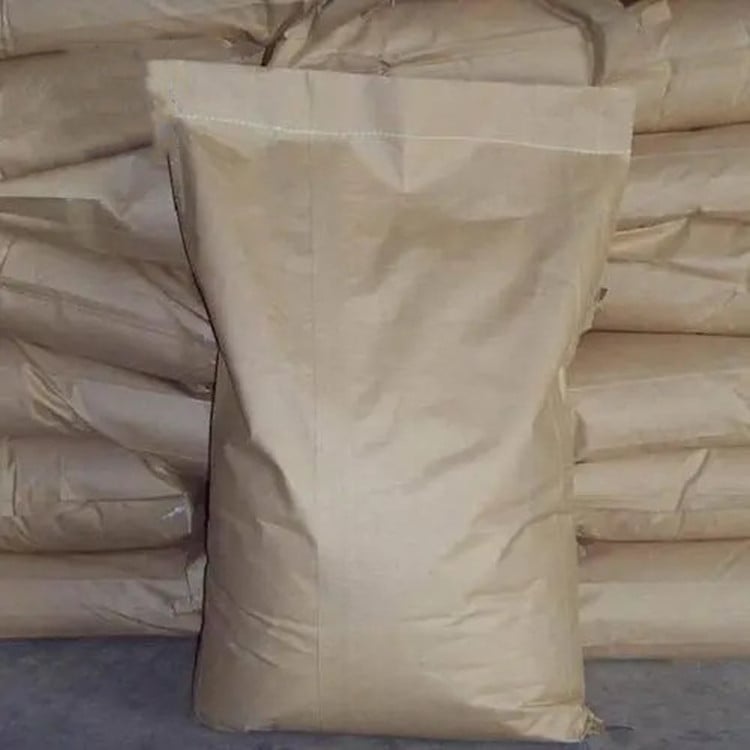
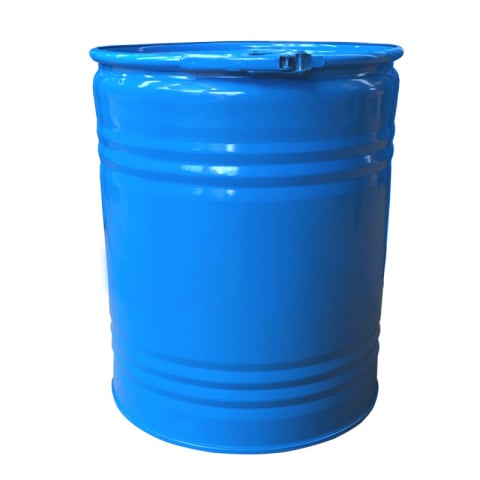
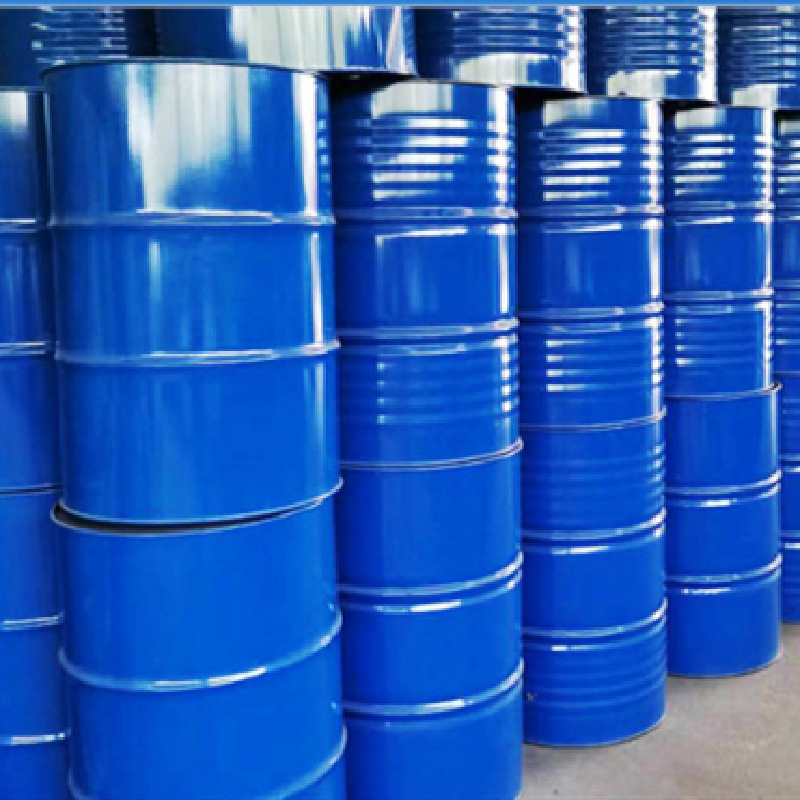
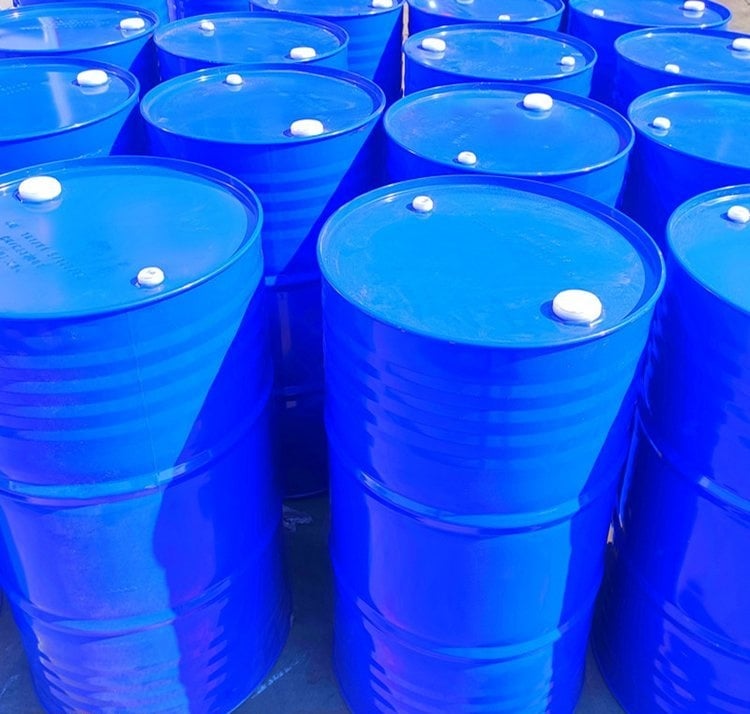
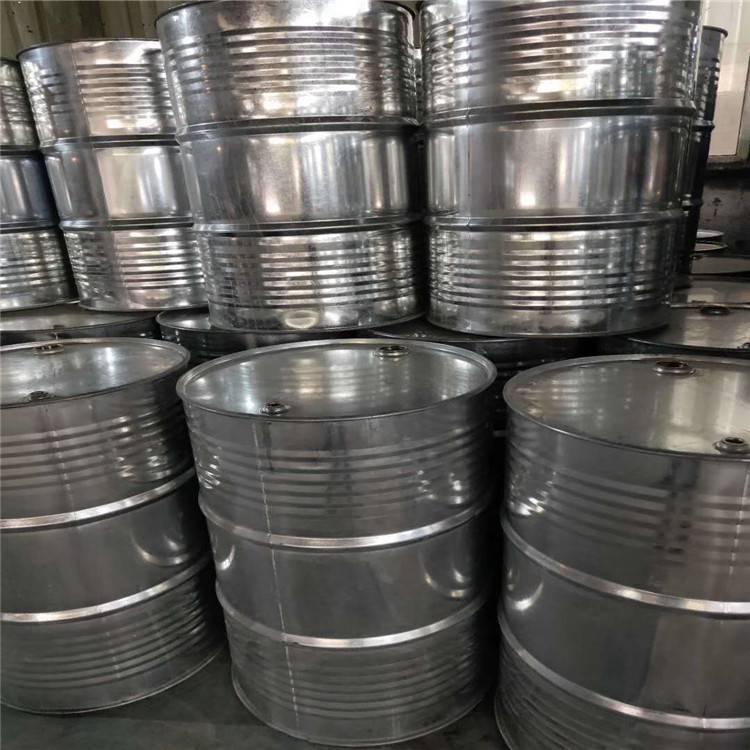
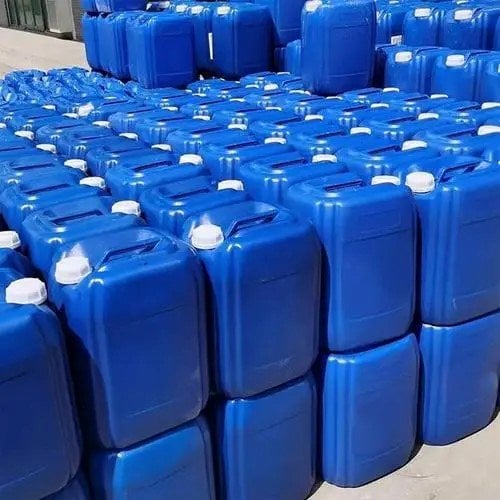
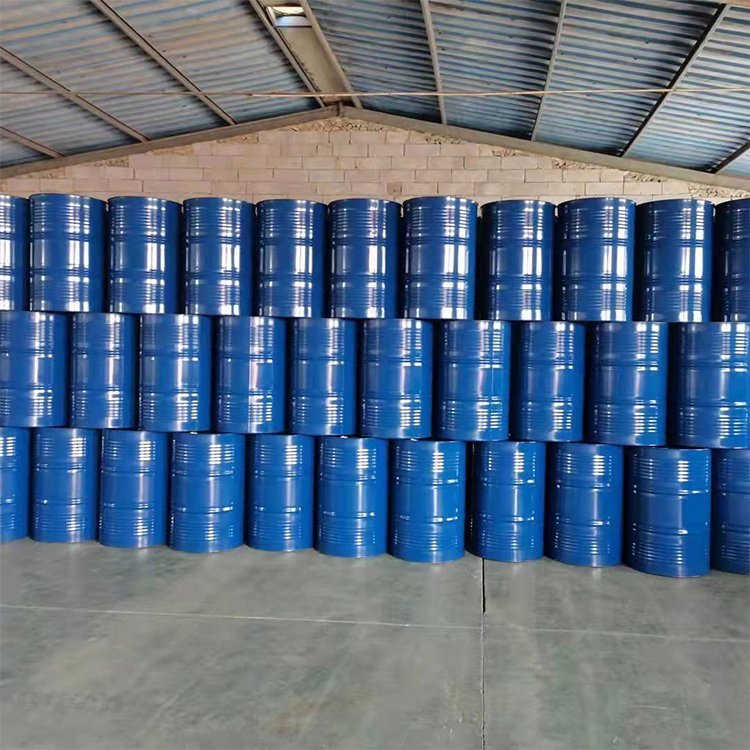
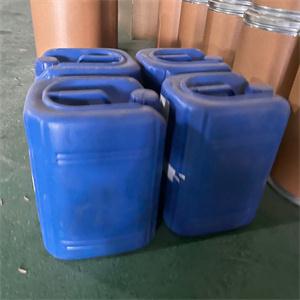
- Package: 200kg iron drum or 50kg plastic drum packing
Product Description
Hyponitrotriacetic acid (NTA), is an organic compound with the chemical formula C6H9NO6It is a white crystalline powder, slightly soluble in hot water, soluble in ammonia and sodium hydroxide solution, and is mainly used as a complexing agent, catalyst, stabilizer, detergent, electroplating agent, color photographic developer, and polycarboxylic acid chelating agent.
Alias:Aminotriacetic acid
chemical formula:C6H9NO6
molecular weight:191.139
CAS login number:139-13-9
EINECS login number:205-355-7
Density: 1.61g/cm3
Melting point: 245°C
Boiling point: 498.2°C
Flash point: 100°C
Appearance: White crystalline powder
Solubility: slightly soluble in hot water, soluble in ammonia and sodium hydroxide solution
use
1. Complexing agent: It can form metal complexes with a variety of metals for analysis and determination, and separate rare metals. It can also be used to extract individual metals from rare metals.
2. Catalyst: In the production of polyurethane foam, it can be used as a foaming catalyst, which can foam immediately and gel quickly.
3. Stabilizer: In polystyrene production, it can be used as a stabilizer.
4. Detergent: In the water vapor generator system of nuclear reversal, it can be injected into the steam-water cycle as an aqueous solution to remove the scale and corrosive substances between the walls, without affecting the efficiency during the addition process.
5. Electroplating agent: In non-toxic plating, it can speed up deposition.
6. Color photographic developer: In color photographic development, it is one of the important ingredients and can be used to prevent the generation of precipitation during development. Nitrogen triacetic acid is a substitute for tripolyphosphate, and has also been paid attention to solving the problem of eutrophication of water in synthetic detergents.
7. Polycarboxylic acid chelating agent: because of its small molecule, it can chelate more metals and has strong biodegradability. Add a certain amount of reducing agent and pH adjuster to the subnitrotriacetic acid to remove Fe2O3, hematite oxide has excellent effect.
FAQ - Technical & Supply Chain
-
Q:
Is CAS 139-13-9 the correct identifier for the acid form of NTA?
A: Yes, CAS 139-13-9 refers specifically to Nitrilotriacetic Acid (NTA acid), distinct from its trisodium salt derivatives often used in liquid formulations. -
Q:
Is this product intended for use as a metal chelating agent in water systems?
A: Yes, this grade is typically applied in water treatment and cleaning formulations to control water hardness and prevent scale formation through metal ion sequestration.
Documents and Product Support
For product review and sourcing evaluation, supporting documents can be coordinated according to the product type, inquiry stage, and order requirements.
- COA for batch-based quality reference
- TDS for key physical and chemical information
- SDS / MSDS for handling, storage, and safety reference
- Packing information for sample, trial, and bulk orders
- Technical communication based on application and specification requirements
Information to Confirm Before Quotation
Clear sourcing information helps reduce specification mismatch and allows a more accurate quotation before sample or bulk order discussion.
- Product name and CAS number
- Application or intended end use
- Required purity, grade, or specification
- Sample quantity, trial order, or bulk demand
- Preferred packing form or net weight
- Destination country or port
- Required documents or compliance expectations
Packaging, Storage, and Handling Notes
Packaging form, storage conditions, shelf life, and shipment arrangements should be confirmed according to the product characteristics, package size, and destination requirements.
Before order confirmation, buyers are advised to review the corresponding product documents and confirm whether any special storage, labeling, or handling requirements apply.
Sample, Bulk Order and Repeat Supply Support
Support can be arranged for sample discussion, bulk supply planning, packaging confirmation, and routine sourcing communication based on the actual product and order requirements.
For repeat-use formulations or long-term procurement plans, buyers may discuss specification consistency, packaging preferences, delivery expectations, and document coordination in advance.