Dimethylaminoethyl Methacrylate, frequently abbreviated as DMAEMA, is a versatile functional monomer characterized by its polymerizable acrylic group and a reactive tertiary amine moiety. This liquid chemical functions as a high-performance building block in the synthesis of cationic polymers and thermosetting resins, where it imparts essential properties such as water solubility, adhesion promotion, and alkali-solubility to the final polymer matrix. In industrial water treatment and the manufacture of specialized coating additives, it is utilized as a primary intermediate to produce flocculants and dispersants that require precise charge density and pH-responsive behavior. We provide this material with competitive factory pricing, supporting requirements for customized specifications regarding inhibitor levels and high-purity industrial grades. All shipments are accompanied by comprehensive MSDS, TDS, COA documentation to ensure full regulatory compliance and are available for bulk supply via temperature-controlled logistics to support continuous manufacturing processes.
Dimethylaminoethyl Methacrylate CAS 2867-47-2
- CAS: 2867-47-2
- Synonyms: 2-(Dimethylamino)ethyl methacrylate, DMAEMA, N,N-Dimethylaminoethyl methacrylate, AGELESS, 2-(Dimethylamino)ethyl 2-methylprop-2-enoate
- Einecs: 220-688-8
- Molecular Formula: C8H15NO2
- Grade: Industrial grade 99%
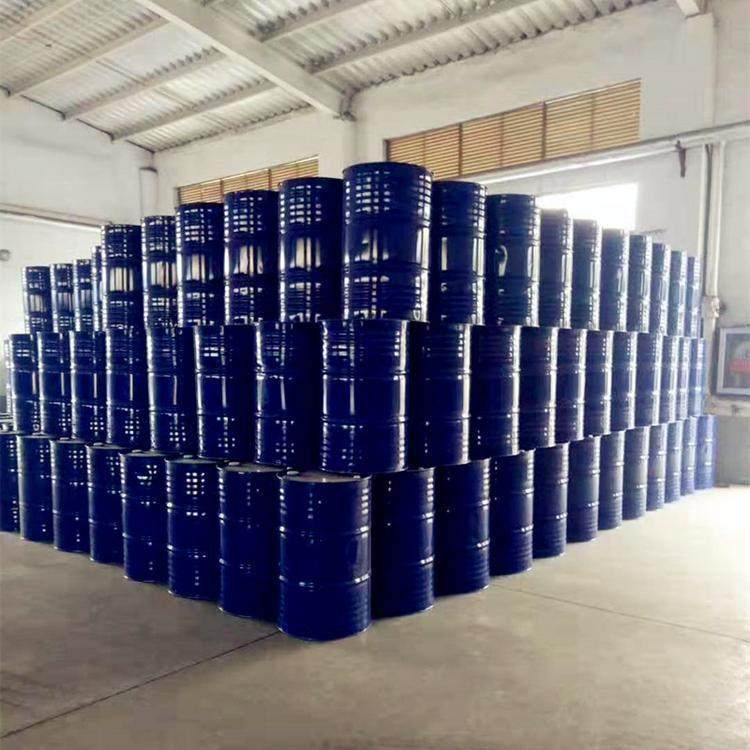
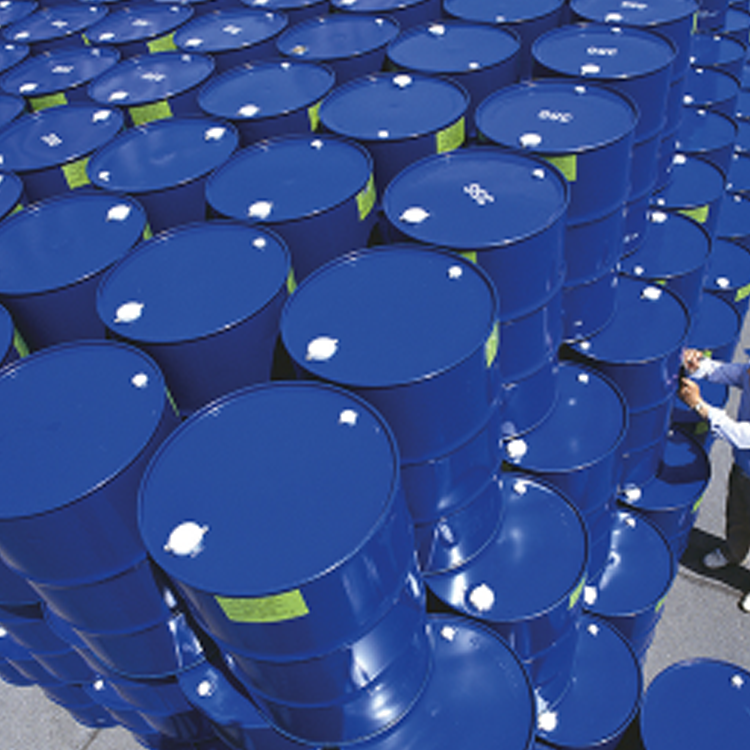
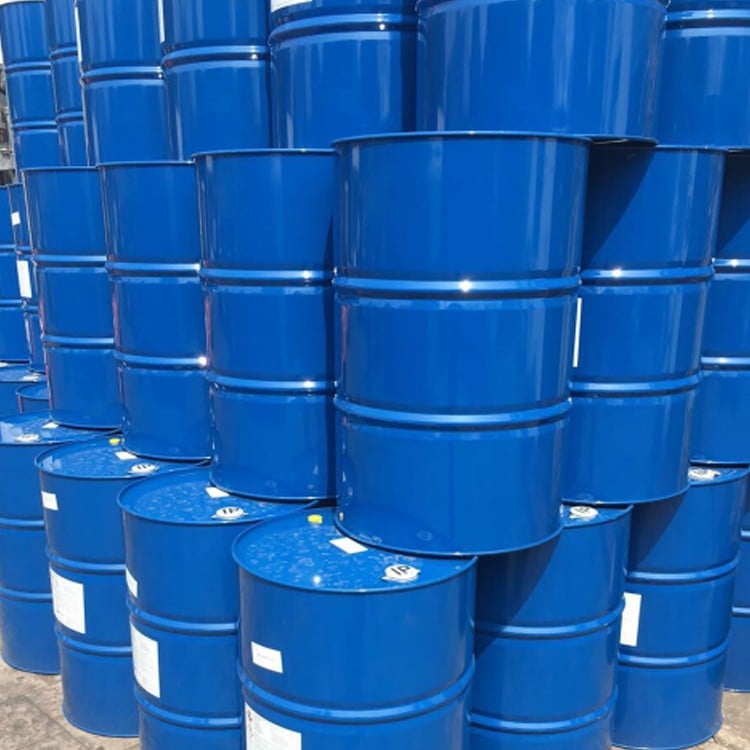
- Package: 200kg iron drum or 50kg plastic drum packing
Product Description
Dimethylaminoethyl methacrylate Molecular formula: C8H15N02
CAS No. 2867-47-2
Flash point (cup opening): 64°C
Relative molecular weight: 157.212
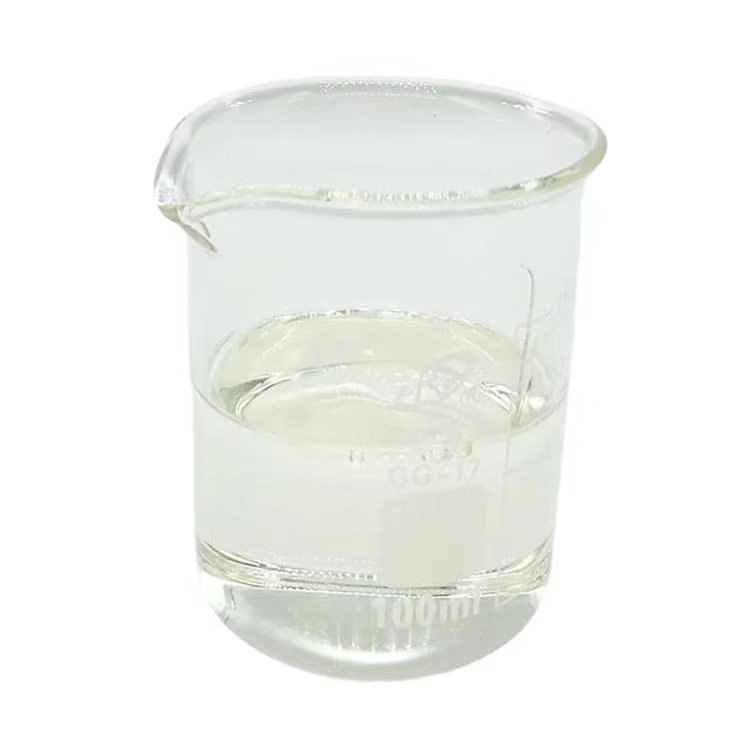
Appearance: Colorless or yellowish transparent liquid
Solubility: It can be miscible with water, esters, ketones, alcohols, ethers, hydrocarbons, chlorinated hydrocarbons and other organic solvents, and has an amine smell.
Water Content ≤ 0.05%
Boiling point (1013×105Pa): 186~C, (133×103Pa) 68.5°C.
Chemical properties: Dimethylaminoethyl methacrylate is amine alkaline, and the molecule contains tertiary amino, ester and unsaturated double bonds, which can form salts with acids and react with chloromethane and other basicating agents to form quaternary ammonium salts. Reactions such as hydrolysis and transesterification of ester groups can occur. Unsaturated double bonds can undergo a series of reactions such as addition, polymerization, and copolymerization.
Usage: It is used in the production of high molecular weight cation flocculants, and is also used in cosmetics additives, papermaking auxiliaries, with small domestic production and quality that does not meet the requirements of polymerization level, mainly relying on imports. After adding DMAEMA to the formulation of coatings and adhesives, it can improve hydrophilicity, adhesion and thermosolids. It can improve the coloring properties of dyes and pigments. Styrene-butadiene rubber raw rubber reinforcement agent, reacts with chloromethane to form quaternary ammonium DMC, and the cation produced by copolymerization with acrylamine is a polymer flocculant with excellent performance, which can be used in urban and industrial sewage treatment. DMAEMA is used in the daily chemical industry to prepare wetting agents, dispersants, etc., resin additives.
Excellent reactivity for quaternization with Methyl Chloride (DMC) or Benzyl Chloride.

Usage: Used for the production of high molecular weight cationic flocculants, but also used in the production of cosmetics additives, papermaking additives, contact lens drug coating films, domestic production volume is small, and the quality does not meet the requirements of polymerization level, mainly by import.
Packaging: 200kg/drum brand new drum
FAQ - Technical & Supply Chain
-
Q:
How is the reactivity of Dimethylaminoethyl Methacrylate managed during industrial polymerization?
A: The chemical identity is strictly controlled under CAS 2867-47-2, and the monomer is typically stabilized with specific inhibitors to prevent spontaneous polymerization, ensuring consistent reaction kinetics and viscosity control in large-scale resin production. -
Q:
Is Dimethylaminoethyl Methacrylate suitable for use in the production of cationic water treatment agents?
A: Yes, this material is commonly applied as a precursor for quaternary ammonium salts and cationic polyacrylamides, intended for industrial wastewater flocculation and paper retention aids rather than general laboratory research.
Documents and Product Support
For product review and sourcing evaluation, supporting documents can be coordinated according to the product type, inquiry stage, and order requirements.
- COA for batch-based quality reference
- TDS for key physical and chemical information
- SDS / MSDS for handling, storage, and safety reference
- Packing information for sample, trial, and bulk orders
- Technical communication based on application and specification requirements
Information to Confirm Before Quotation
Clear sourcing information helps reduce specification mismatch and allows a more accurate quotation before sample or bulk order discussion.
- Product name and CAS number
- Application or intended end use
- Required purity, grade, or specification
- Sample quantity, trial order, or bulk demand
- Preferred packing form or net weight
- Destination country or port
- Required documents or compliance expectations
Packaging, Storage, and Handling Notes
Packaging form, storage conditions, shelf life, and shipment arrangements should be confirmed according to the product characteristics, package size, and destination requirements.
Before order confirmation, buyers are advised to review the corresponding product documents and confirm whether any special storage, labeling, or handling requirements apply.
Sample, Bulk Order and Repeat Supply Support
Support can be arranged for sample discussion, bulk supply planning, packaging confirmation, and routine sourcing communication based on the actual product and order requirements.
For repeat-use formulations or long-term procurement plans, buyers may discuss specification consistency, packaging preferences, delivery expectations, and document coordination in advance.