Chemical products
  • Hydroxyethyl Methacrylate CAS 868-77-9
  • Hydroxyethyl Methacrylate CAS 868-77-9

Hydroxyethyl Methacrylate CAS 868-77-9

Hydroxyethyl Methacrylate (HEMA), CAS 868-77-9, is a hydroxy-functional methacrylate monomer used in coatings, adhesives, hydrogels and specialty polymers. Confirm the required purity, inhibitor package and handling requirements for the intended process.

  • CAS: 868-77-9
  • Synonyms: 2-HEMA, Glycol methacrylate, 2-Hydroxyethyl 2-methylprop-2-enoate, Ethylene glycol monomethacrylate, 2-Hydroxyethyl methacrylate
  • Einecs: 212-782-2
  • Molecular Formula: C₆H₁₀O₃
  • Grade: Industrial grade 99%
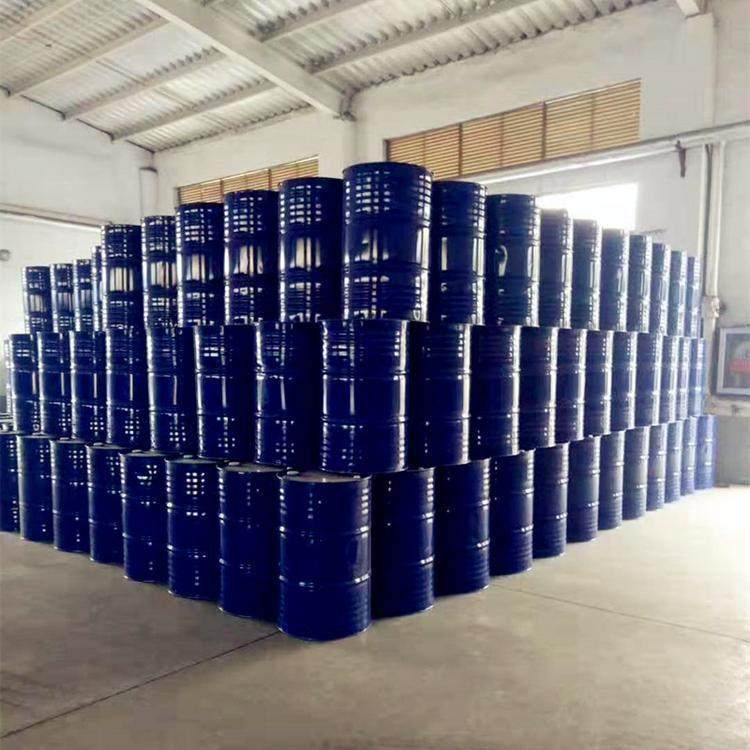
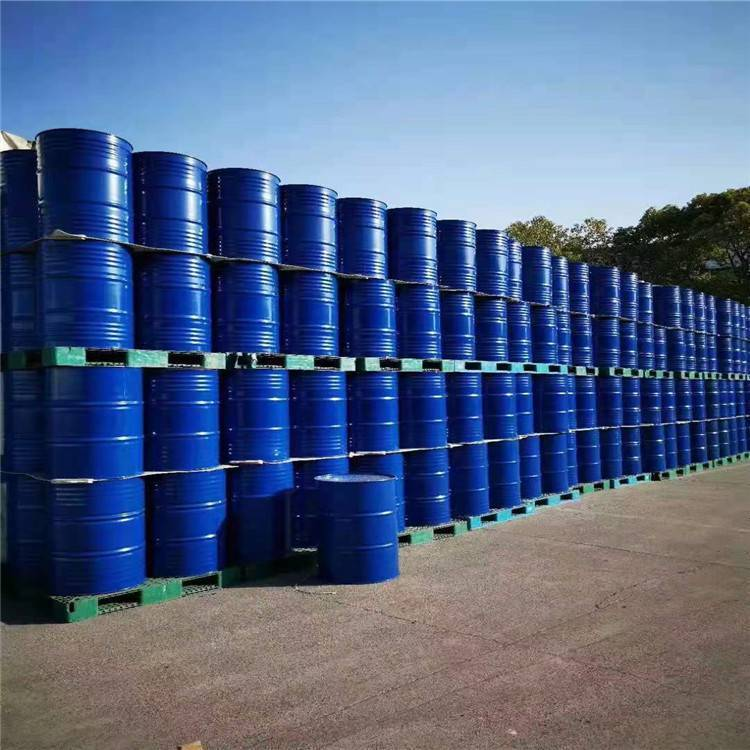
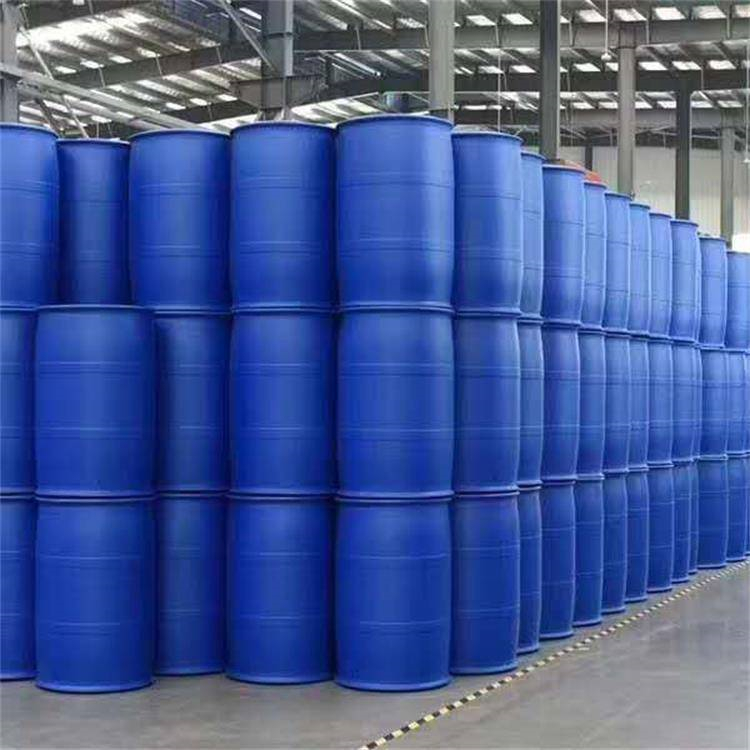
  • Package: 200kg iron drum or 50kg plastic drum packing
Request a quote
Share:

Product Description

Hydroxyethyl Methacrylate (HEMA), CAS 868-77-9, is a hydroxy-functional methacrylate monomer also named 2-hydroxyethyl methacrylate or ethylene glycol monomethacrylate; the EC/EINECS number is 212-782-2.

Synonyms: 2-HEMA; Glycol methacrylate; 2-Hydroxyethyl 2-methylprop-2-enoate; Ethylene glycol monomethacrylate; 2-Hydroxyethyl methacrylate.

CAS: 868-77-9.

Molecular formula: C₆H₁₀O₃.

Molecular weight: 130.14.

EC number: 212-782-2.

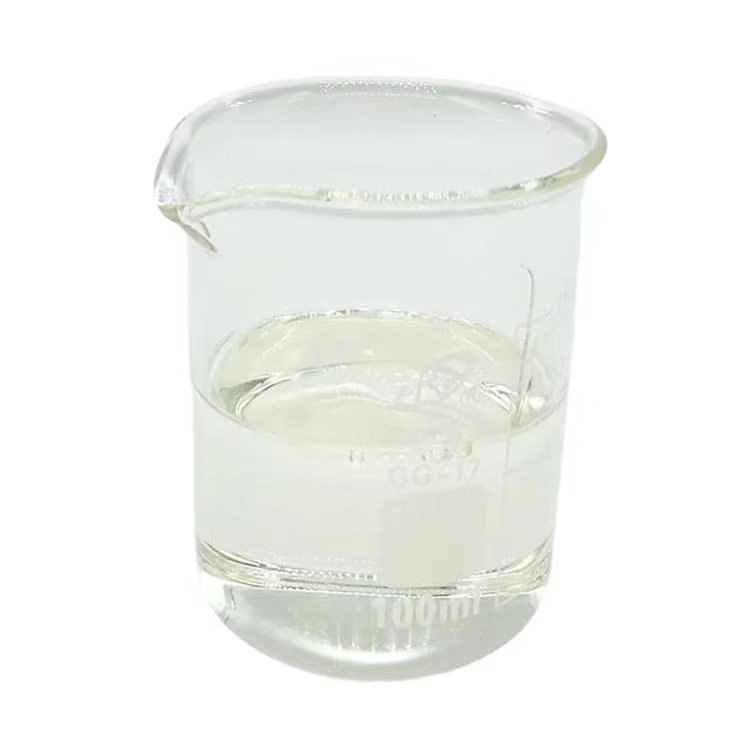
It is a clear, colorless, water-soluble liquid.

Typical properties include melting point about -12 °C, boiling point about 67 °C at 3.5 mmHg, flash point about 97 °C, relative density about 1.073 and refractive index about 1.453.

It is widely used as a hydroxy-functional monomer to make acrylic resins and copolymers with pendant hydroxyl groups, improving adhesion, crosslinking, flexibility and compatibility in coatings, adhesives and UV-curable systems.

It is also used in hydrogels, dental and biomedical materials, contact-lens-related polymers, printing plates, inks, embedding media and other specialty monomer applications.

Confirm assay or ester content, color, water content, acidity or free methacrylic acid, hydroxyl value and the type and level of polymerization inhibitor; commercial grades are typically stabilized with MEHQ.

Store in tightly closed containers in a cool, ventilated area away from heat, sparks, open flames, strong oxidizers and free-radical sources. Avoid unnecessary light exposure, maintain the inhibitor level unless the monomer is purified immediately before polymerization, and use suitable PPE because HEMA can irritate the skin and eyes and may cause sensitization.

Confirm the current product-specific specification.

Confirm packaging with the requested quantity and destination requirements.

Document requirements should be confirmed from the current specification, SDS, COA, or other product-specific files.

Regulated-use suitability must be confirmed separately with current product-specific documentation.

The page is an RFQ entry point and does not state stock, price, MOQ, or fixed lead time.

For an RFQ, state the intended use, required specification, quantity, packaging, destination, and document needs.

FAQ - Technical & Supply Chain

  • Q:

    What is Hydroxyethyl Methacrylate and how is it identified?

    A: Hydroxyethyl methacrylate, commonly called HEMA, is a hydroxy-functional methacrylate monomer with CAS 868-77-9, molecular formula C₆H₁₀O₃ and molecular weight 130.14. It is also known as 2-HEMA, glycol methacrylate or ethylene glycol monomethacrylate.
  • Q:

    Which specifications should be checked when purchasing HEMA?

    A: Confirm assay or ester content, color, water content, acidity/free methacrylic acid and the type and level of polymerization inhibitor. Hydroxyl value and methacrylate purity are important because they affect copolymer structure, adhesion and final resin performance.
  • Q:

    What is HEMA used for?

    A: HEMA is used to make acrylic resins and copolymers with pendant hydroxyl groups, improving adhesion, crosslinking, flexibility and compatibility in coatings, adhesives and UV-curable systems. It is also used in hydrogels, dental and biomedical materials, polymer modification, and other specialty monomer applications.
  • Q:

    Why does HEMA usually contain a polymerization inhibitor?

    A: The methacrylate double bond can polymerize during storage, especially with heat, light, free-radical initiators or peroxides. Commercial HEMA is therefore stabilized with an inhibitor such as MEHQ, and the inhibitor level should be maintained unless the monomer is purified immediately before a polymerization.
  • Q:

    How should HEMA be stored and handled?

    A: Store in tightly closed containers in a cool, ventilated area away from heat, sparks, open flames, strong oxidizers and free-radical sources. Avoid unnecessary exposure to light, do not remove or deplete the inhibitor unless required, and use suitable PPE because HEMA can irritate the skin and eyes and may cause skin sensitization.

Ordering & Documentation

Key information for document requests, quotations, and supply planning.

Documents

COA, TDS, SDS/MSDS and packing details are available on request.

Quotation

Send the CAS number, grade, quantity, packing preference and destination.

Sample & Supply

Support is available for samples, trial orders, bulk and repeat supply.

Storage & Shipping

Product-specific conditions are confirmed before order.

Contact Form

Use our contact form to send us your questions, suggestions or comments. We will respond as soon as possible.