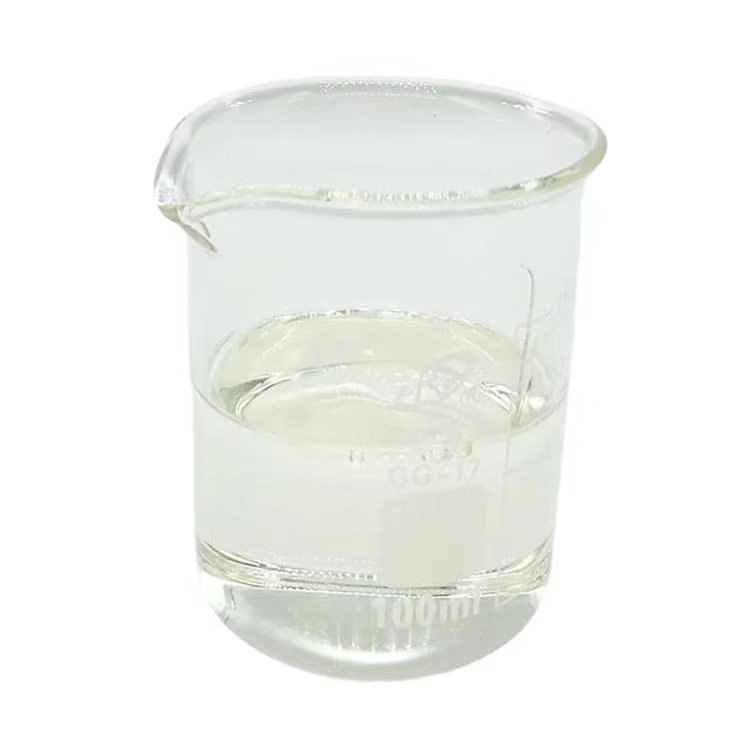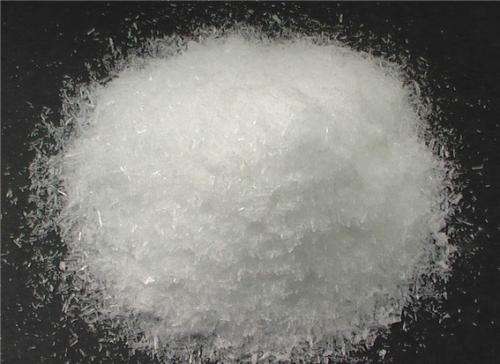










2-Hydroxyethyl Acrylate (HEA), CAS 818-61-1, is also known as acrylic acid 2-hydroxyethyl ester. It is a hydroxyl-functional reactive acrylate monomer used in acrylic resin and radiation-curing systems. For procurement review, confirm assay, inhibitor type or level, handling requirements, and offered form, packaging for the offered monomer, and applicable safety documentation.
2-Hydroxyethyl Acrylate (HEA) CAS 818-61-1
- CAS: 818-61-1
- Synonyms: 2-Hydroxyethyl acrylate; HEA; Hydroxyethyl acrylate; Acrylic acid 2-hydroxyethyl ester
- Einecs: 212-454-9
- Molecular Formula: C₅H₈O₃
- Grade: Confirm assay and inhibitor specification
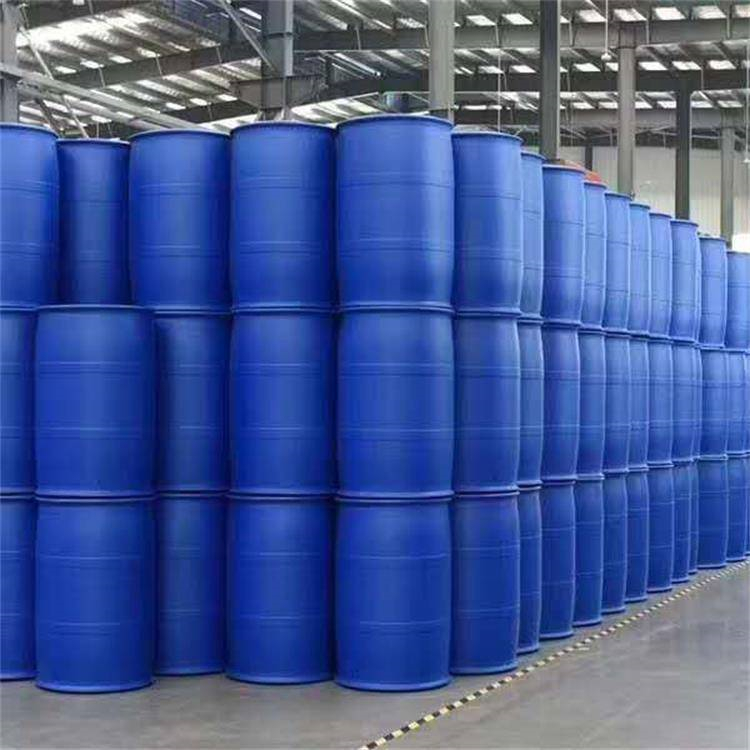
- Package: Confirm packaging for the offered monomer
Product Description
Product name: 2-Hydroxyethyl Acrylate (HEA)
CAS number: 818-61-1; molecular formula: C₅H₈O₃; EC number: 212-454-9.
Identity check: HEA identifies 2-Hydroxyethyl Acrylate under CAS 818-61-1. It is a reactive acrylic monomer; the actual inhibitor system must be confirmed from the offered specification.
Technical context: acrylic resin and radiation-curing systems. Procurement review: Confirm assay, inhibitor type or level, handling requirements, and offered form, packaging for the offered monomer, and applicable safety documentation for the actual offered material.
FAQ - Technical & Supply Chain
-
Q:
Are 2-Hydroxyethyl Acrylate (HEA) and HEMA interchangeable?
A: No. HEA is 2-hydroxyethyl acrylate, CAS 818-61-1, whereas HEMA is 2-hydroxyethyl methacrylate, CAS 868-77-9. The additional methyl group changes molecular weight and polymerization behavior. Confirm the full name, CAS number and inhibitor system because the abbreviations are easily confused in purchasing and production records. -
Q:
Which specifications should be agreed for stabilized HEA?
A: Set assay by GC, water, free acid, color and inhibitor identity and concentration, including the sampling and test methods. Commercial HEA is intentionally stabilized, commonly with MEHQ, so an inhibitor result is part of the grade rather than an impurity to ignore. Review the batch COA against the agreed specification before charging a polymerization process. -
Q:
What must be confirmed for bulk HEA storage and delivery?
A: Agree inhibitor range, loading temperature, storage-temperature window, container material, headspace conditions and maximum storage period. Confirm tanker or drum cleanliness, seals, previous cargo where applicable, current SDS and unloading connection. Temperature, oxygen availability and inhibitor maintenance are linked, so the receiving site should approve the documented supplier handling conditions before shipment.
Ordering & Documentation
Key information for document requests, quotations, and supply planning.
Documents
Tell us which documents your procurement team needs. Before an order, we will check whether the quoted source can provide them for the offered lot.
Quotation
Send the CAS number, grade, quantity, packing preference and destination.
Sample & Supply
Ask whether samples, trial quantities or repeat orders are possible. We will check each request against the sourced product and current offer.
Storage & Shipping
Product-specific conditions are confirmed before order.