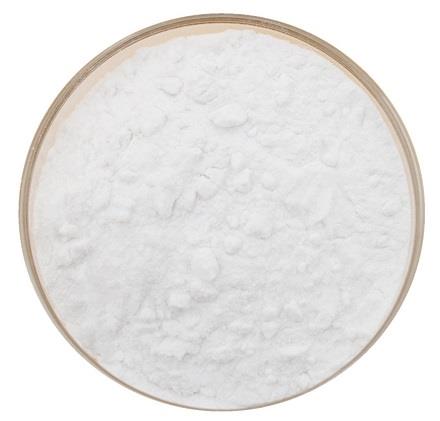
N-Methylolacrylamide (NMA), CAS 924-42-5, is also known as N-(hydroxymethyl)acrylamide. It is a reactive acrylamide monomer for selected crosslinking systems. Confirm solid or solution form, active content, free formaldehyde, acrylamide, inhibitor, TDS, COA, and SDS before qualification.
N-Methylolacrylamide (NMA) CAS 924-42-5
- CAS: 924-42-5
- Synonyms: N-Methylolacrylamide; N-(hydroxymethyl)acrylamide; NMA
- Einecs: 213-103-2
- Molecular Formula: C₄H₇NO₂
- Grade: Confirm solid or solution form, active content, free formaldehyde, acrylamide, inhibitor, and intended cure system
- Package: Confirm packaging suitable for the offered reactive monomer form
Product Description
Product name: N-Methylolacrylamide (NMA). Chemical identity: A reactive acrylamide monomer also called N-(hydroxymethyl)acrylamide. Molecular formula: C₄H₇NO₂. CAS number: 924-42-5. EC number: 213-103-2
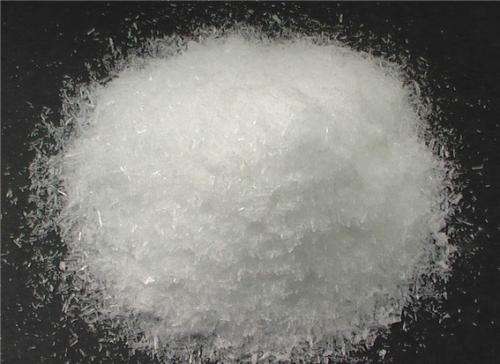
Commercial form: The pure substance is a white crystalline material; commercial offers may be solid or aqueous solution. Industrial role: Used as a reactive monomer or comonomer in selected crosslinking polymer systems. Offered specification: Confirm solid or solution form, active content, free formaldehyde, acrylamide, inhibitor, and intended cure system. Buyer information: State the polymer system, offered-form preference, active-content target, free-formaldehyde limit, quantity, destination, and documents required
FAQ - Technical & Supply Chain
-
Q:
Are N-Methylolacrylamide and N-(Hydroxymethyl)acrylamide the same substance?
A: Yes. Both names identify CAS 924-42-5, commonly abbreviated NMA. It is not N-methylacrylamide, which lacks the hydroxymethyl group. Purchase documents should state the complete name, CAS number and supplied form because the abbreviation NMA alone can also be used for other materials. -
Q:
Which specifications should be agreed for N-Methylolacrylamide?
A: First define solid NMA or an aqueous solution and its concentration. Then agree assay or solids, free formaldehyde, water, pH, color, inhibitor and relevant acrylamide-related impurities, with the test method and reporting basis. Compare the batch COA with the approved form-specific specification rather than a nominal purity alone. -
Q:
What should be confirmed for NMA packing and storage?
A: Specify container size, liner or drum compatibility, inhibitor system, allowable temperature range, production date and maximum storage period. Protect the material from heat and uncontrolled polymerization conditions, and avoid contamination during sampling. The receiving procedure should follow the current SDS and the storage conditions documented for the actual solid or solution grade.
Ordering & Documentation
Key information for document requests, quotations, and supply planning.
Documents
Tell us which documents your procurement team needs. Before an order, we will check whether the quoted source can provide them for the offered lot.
Quotation
Send the CAS number, grade, quantity, packing preference and destination.
Sample & Supply
Ask whether samples, trial quantities or repeat orders are possible. We will check each request against the sourced product and current offer.
Storage & Shipping
Product-specific conditions are confirmed before order.