







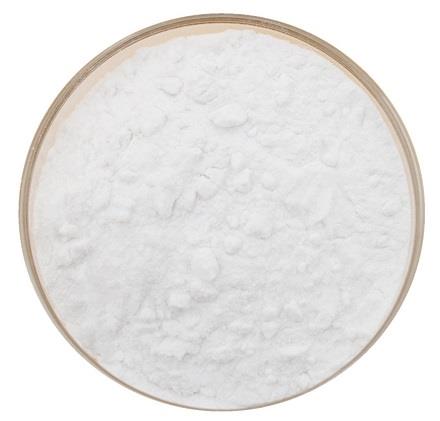
Diacetone Acrylamide (DAAM), CAS 2873-97-4, is also known as N-(1,1-dimethyl-3-oxobutyl)acrylamide. It is a ketone-functional vinyl monomer used in waterborne emulsion-polymer crosslinking systems, typically with adipic acid dihydrazide (ADH). Confirm the intended resin or crosslinking system, required specification, quantity, packaging, destination and document availability before ordering.
Diacetone Acrylamide (DAAM) CAS 2873-97-4
- CAS: 2873-97-4
- Synonyms: Diacetone Acrylamide; DAAM; N-(1,1-Dimethyl-3-oxobutyl)acrylamide
- Einecs: 220-713-2
- Molecular Formula: C₉H₁₅NO₂
- Grade: DAAM grade; confirm purity, acrylamide, water and inhibitor limits.
- Package: 20 kg polyethylene-lined carton or offered equivalent; confirm net weight.
Product Description
Chemical identity: Diacetone Acrylamide (DAAM); CAS 2873-97-4; molecular formula: C₉H₁₅NO₂; EC 220-713-2.
Diacetone Acrylamide (DAAM) is a ketone-functional vinyl monomer. DAAM is a monomer and is not the same material as Adipic Acid Dihydrazide (ADH).
Confirm the required value in the current product-specific specification.
In the RFQ, state: the intended resin or crosslinking system and the required product specification; quantity, packaging, destination and required documents.
FAQ - Technical & Supply Chain
-
Q:
What is the difference between Diacetone Acrylamide (DAAM) and ADH?
A: DAAM, CAS 2873-97-4, is the ketone-functional vinyl monomer incorporated into an emulsion polymer. Adipic Acid Dihydrazide (ADH) is the hydrazide crosslinker added to react with those carbonyl groups after film formation. They are not substitutes, and the full crosslinking system should be specified together. -
Q:
What is Diacetone Acrylamide used for?
A: DAAM is used in waterborne acrylic, styrene-acrylic and vinyl-acetate emulsions to introduce ketone-carbonyl functionality for post-polymerization ADH crosslinking. Typical end uses include paints, wood coatings, adhesives, paper coatings and textile or leather finishes. -
Q:
Which release specifications should be compared for DAAM?
A: Compare DAAM purity and method, appearance, water, residual acrylamide, total inhibitor, melting behavior and any color limit. Published grades range from light-yellow flake to high-purity white flake and use different acrylamide and inhibitor controls. -
Q:
What should be confirmed before approving DAAM for a waterborne resin system?
A: Provide the comonomer package, target DAAM level, emulsion solids, pH, polymerization route and intended ADH addition stage. Confirm a sealed polyethylene-lined carton, net weight, storage temperature and inhibitor basis before approving application trials.
Ordering & Documentation
Key information for document requests, quotations, and supply planning.
Documents
Tell us which documents your procurement team needs. Before an order, we will check whether the quoted source can provide them for the offered lot.
Quotation
Send the CAS number, grade, quantity, packing preference and destination.
Sample & Supply
Ask whether samples, trial quantities or repeat orders are possible. We will check each request against the sourced product and current offer.
Storage & Shipping
Product-specific conditions are confirmed before order.