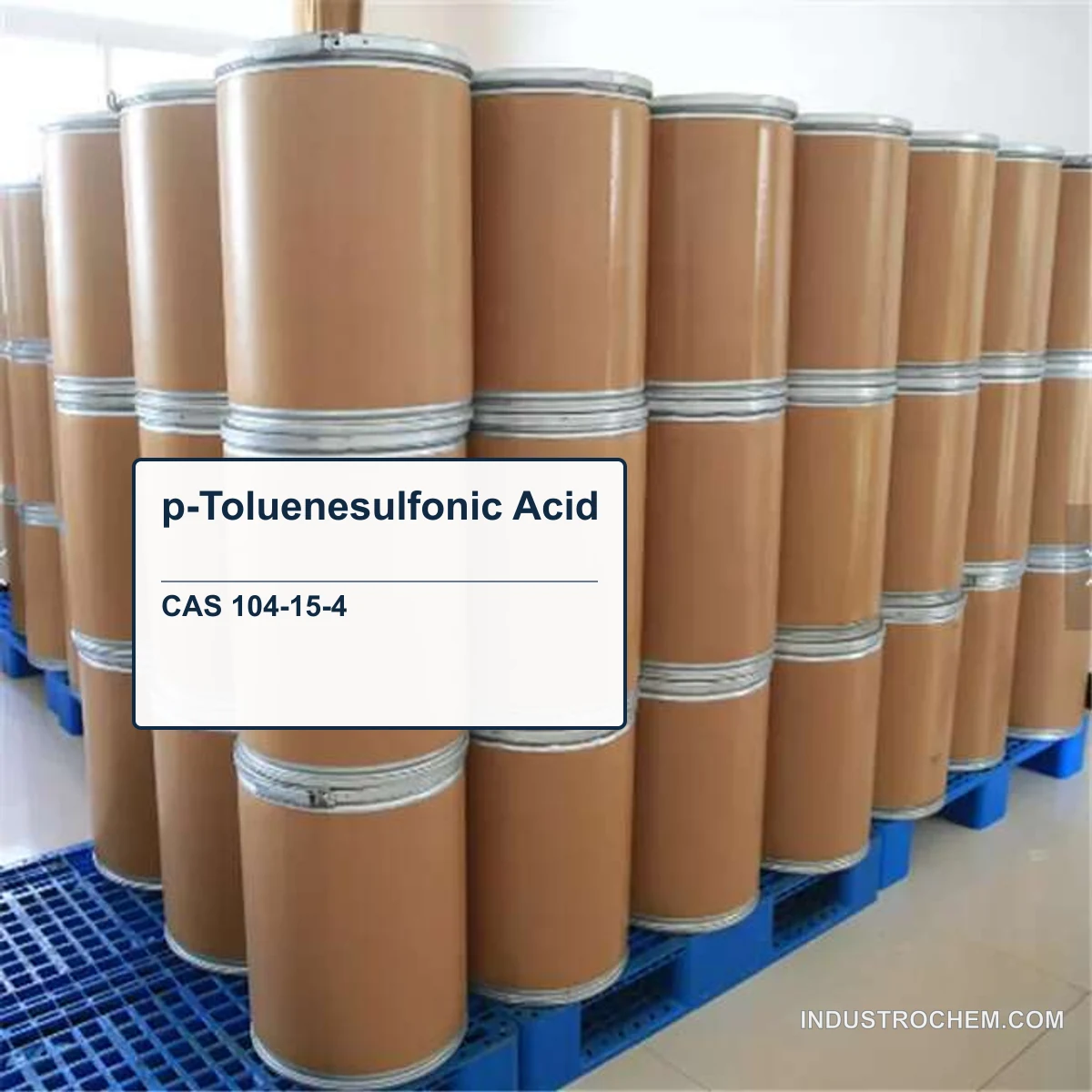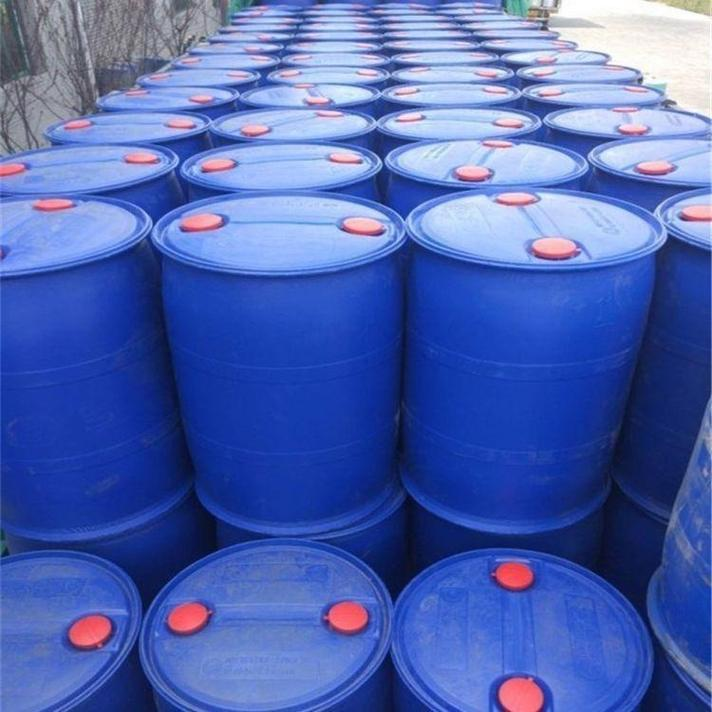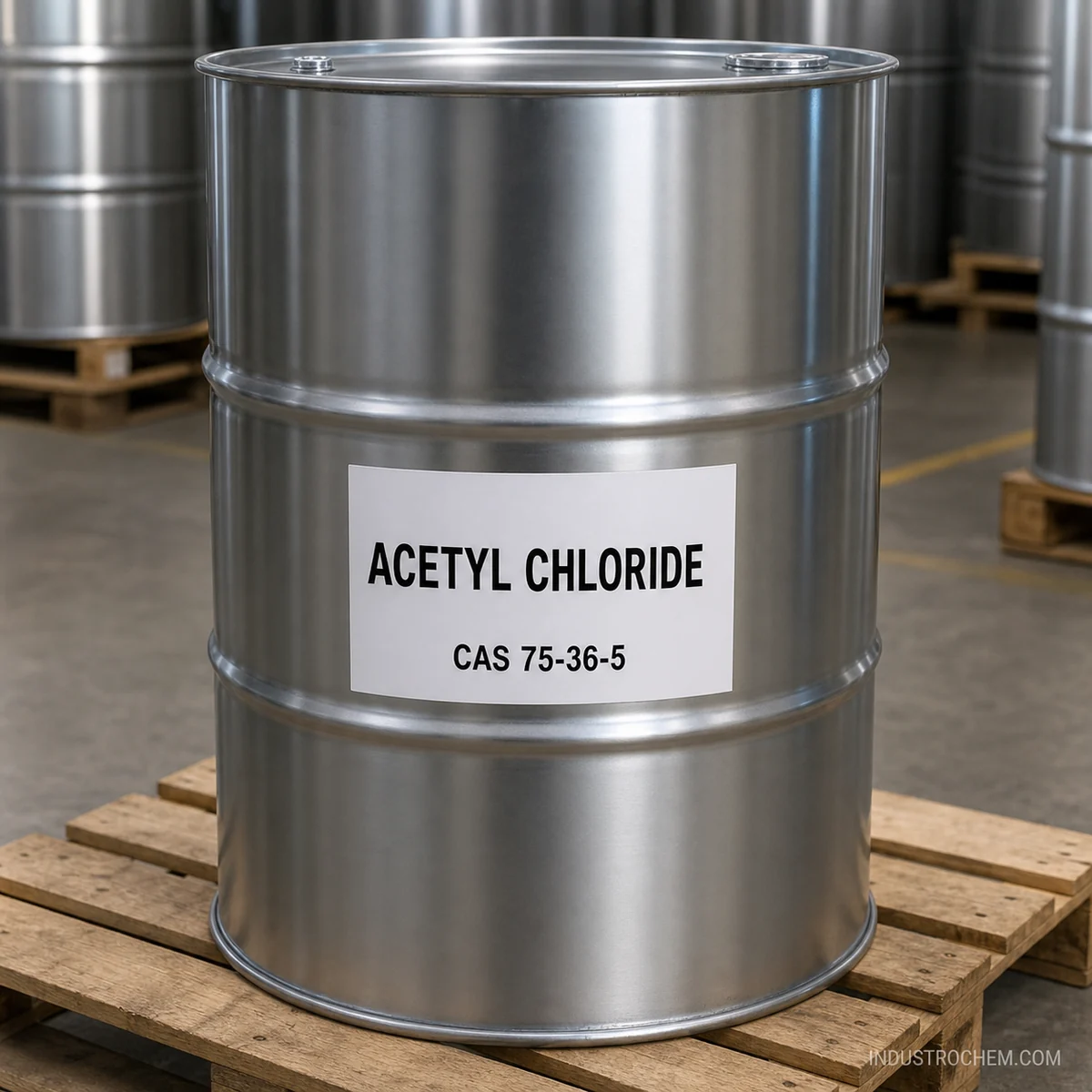










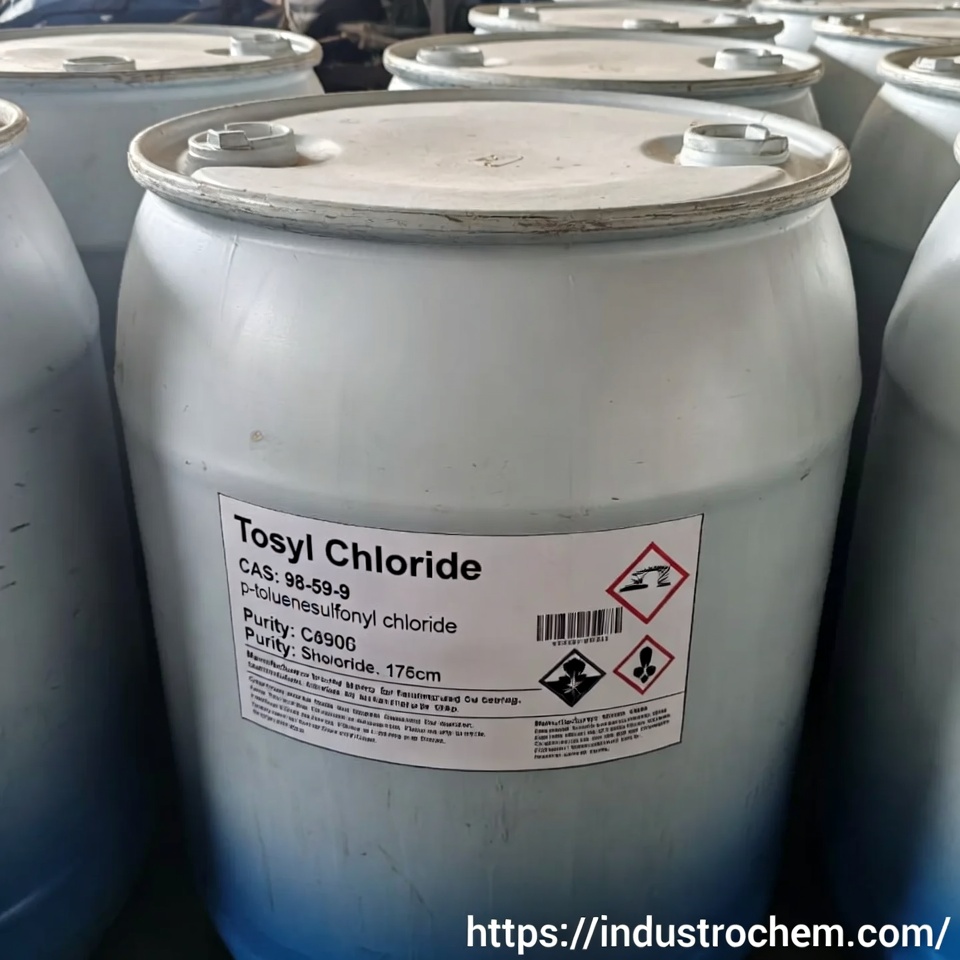
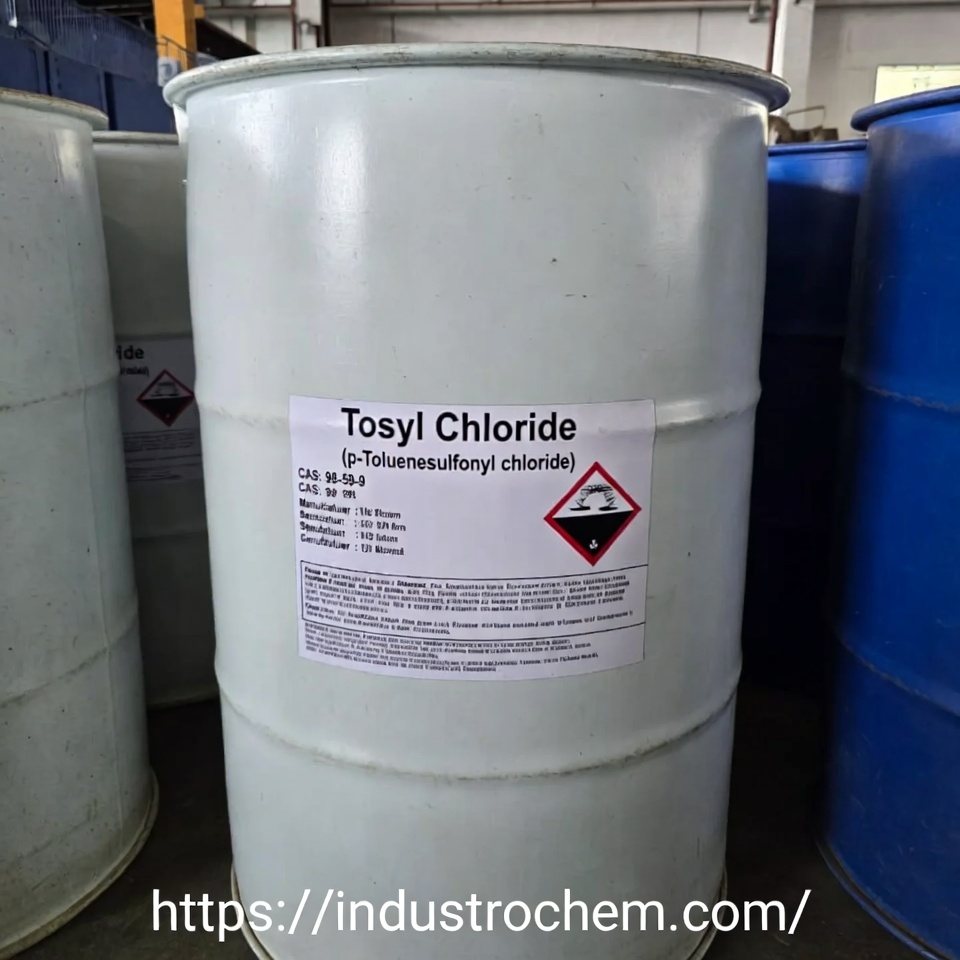
Tosyl Chloride (TsCl), CAS 98-59-9, is also known as 4-toluenesulfonyl chloride. It is an aromatic sulfonyl chloride reagent used in organic synthesis and tosylation. For procurement review, confirm assay, moisture limit, physical form, and handling requirements, packaging appropriate for a moisture-sensitive solid, and applicable safety documentation.
Tosyl Chloride (TsCl) CAS 98-59-9
- CAS: 98-59-9
- Synonyms: Tosyl chloride; 4-Toluenesulfonyl chloride; p-Toluenesulfonyl chloride; TsCl
- Einecs: 202-684-8
- Molecular Formula: C₇H₇ClO₂S
- Grade: Confirm assay, moisture limit, and physical form
- Package: Confirm packaging for the offered moisture-sensitive solid
Product Description
Product name: Tosyl Chloride (TsCl)
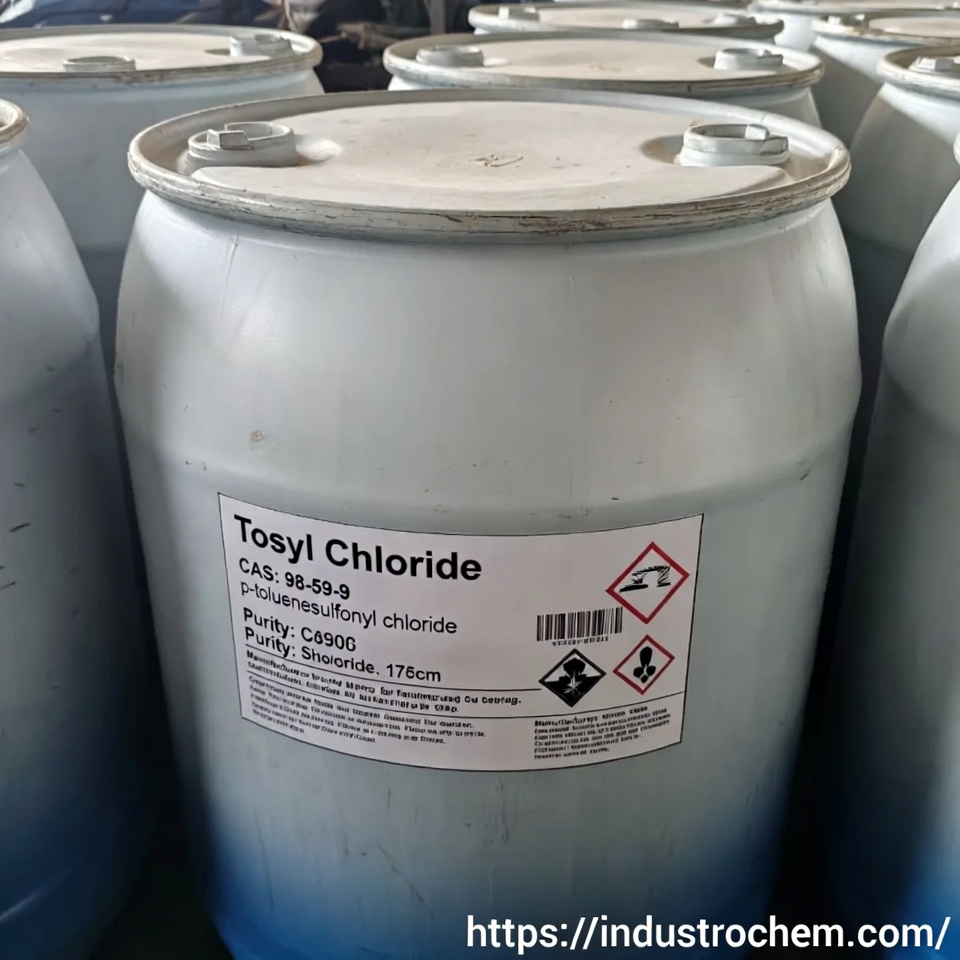
CAS number: 98-59-9
Molecular formula: C₇H₇ClO₂S
Molecular weight: 190.65 g/mol
EC number: 202-684-8
Other names: Tosyl chloride; 4-Toluenesulfonyl chloride; p-Toluenesulfonyl chloride; TsCl
Chemical class: an aromatic sulfonyl chloride reagent
Typical physical form: a moisture-sensitive white crystalline solid. Confirm the actual offered form against the current specification.
Identity check: Tosyl chloride, 4-toluenesulfonyl chloride, and TsCl identify the substance under CAS 98-59-9.
Technical context: organic synthesis and tosylation.
Procurement review: Confirm assay, moisture limit, physical form, and handling requirements, packaging appropriate for a moisture-sensitive solid, and applicable safety documentation for the actual offered material.
FAQ - Technical & Supply Chain
-
Q:
Are Tosyl Chloride, p-Toluenesulfonyl Chloride and TsCl the same material?
A: Yes. These names normally identify 4-methylbenzenesulfonyl chloride, CAS 98-59-9. Confirm the para isomer and CAS number because ortho-toluenesulfonyl chloride and mixed sulfonyl chloride products are not equivalent. Purchase documents and labels should state the complete chemical identity rather than relying only on the abbreviation TsCl. -
Q:
Which release specifications matter for industrial Tosyl Chloride?
A: Agree assay and test method, melting range, moisture, free acid or p-toluenesulfonic acid, color and insoluble matter. Appearance alone cannot establish active content, and hydrolysis during storage can increase acidity. Compare the batch COA with the agreed limits and confirm whether the result is reported on an as-is or dry basis. -
Q:
How should bulk Tosyl Chloride be packed and received?
A: Specify net weight, moisture-barrier liner, closure, palletization and allowable storage temperature. Check seal integrity and the production or repacking date on receipt, then sample without prolonged exposure to humid air. The receiving procedure should follow the current SDS and keep the material segregated from water, bases and incompatible reagents.
Ordering & Documentation
Key information for document requests, quotations, and supply planning.
Documents
Tell us which documents your procurement team needs. Before an order, we will check whether the quoted source can provide them for the offered lot.
Quotation
Send the CAS number, grade, quantity, packing preference and destination.
Sample & Supply
Ask whether samples, trial quantities or repeat orders are possible. We will check each request against the sourced product and current offer.
Storage & Shipping
Product-specific conditions are confirmed before order.