
Dimethyl Hydrogen Phosphite (DMP), CAS 868-85-9, is a colorless, moisture-sensitive intermediate for agrochemical, flame-retardant and water-treatment chemical manufacturing. The ≥99.0% industrial grade is supplied in steel drums against the quality specification agreed in the order.
Dimethyl Hydrogen Phosphite CAS 868-85-9
- CAS: 868-85-9
- Synonyms: Dimethyl phosphite; DMP; DMHP; Dimethyl phosphonate; Dimethyl hydrogen phosphonate; Phosphorous acid dimethyl ester; Dimethyl acid phosphite
- Einecs: 212-783-8
- Molecular Formula: C₂H₇O₃P
- Grade: Industrial grade; assay ≥99.0%, with the analytical method and reporting basis stated in the quotation and COA
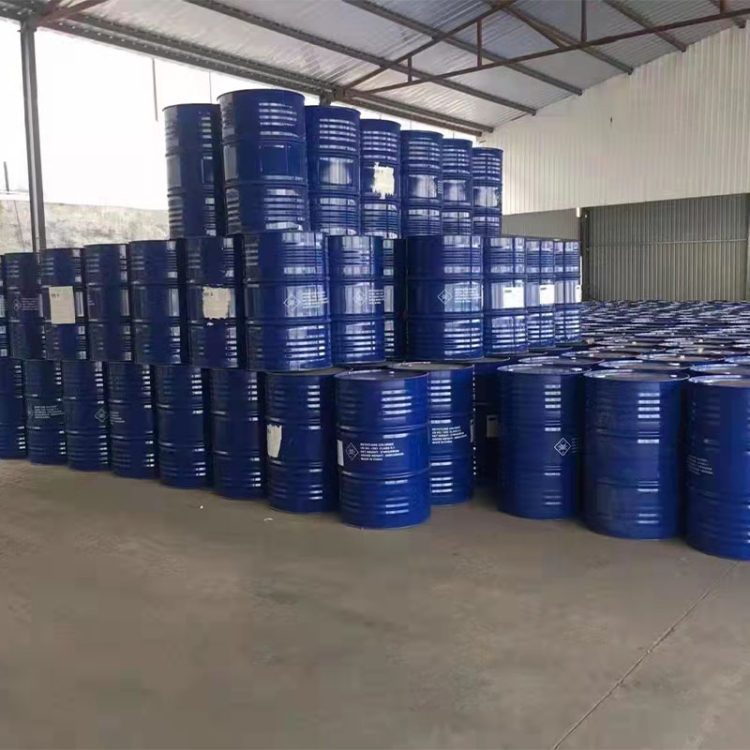
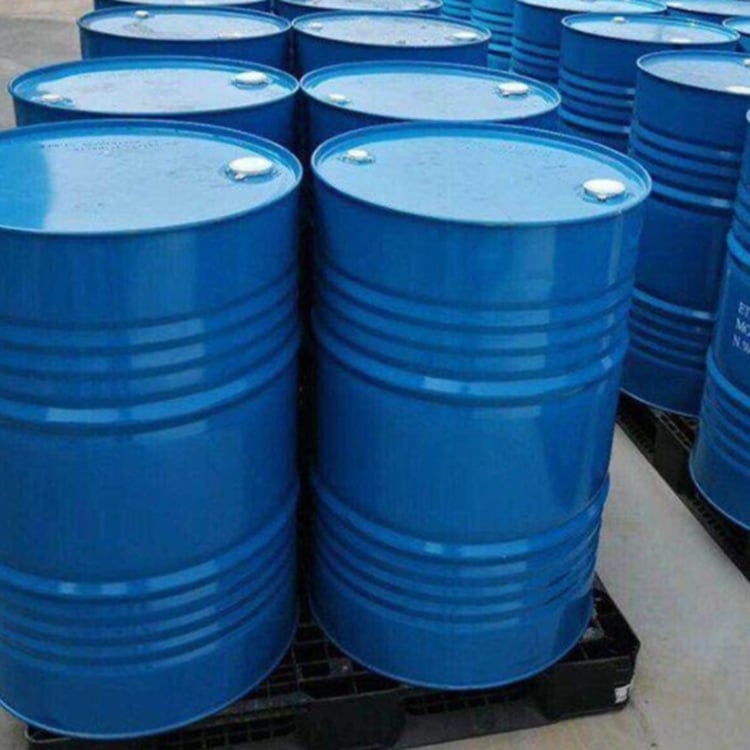
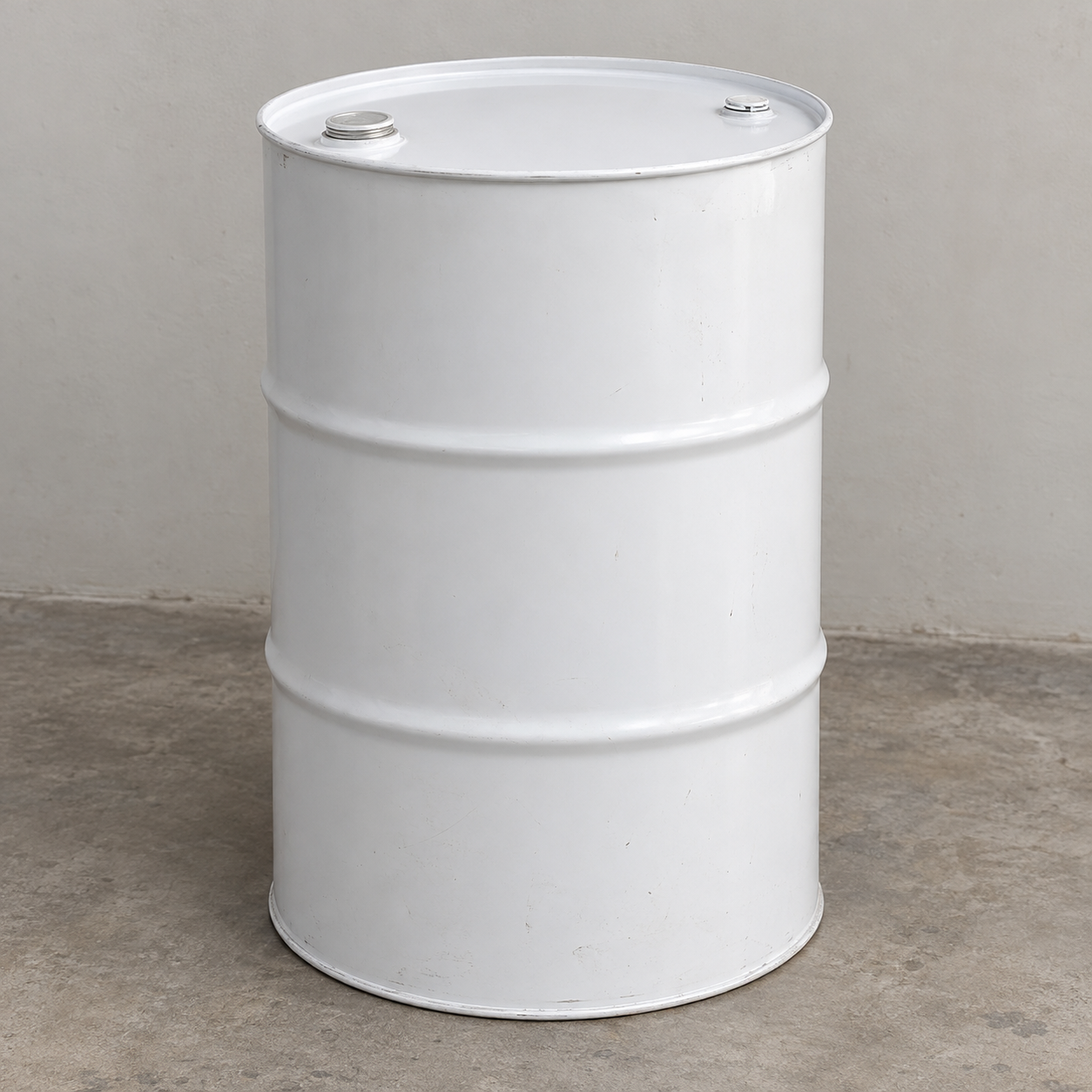
- Package: Steel drums; net weight and alternative packing specified in the quotation
Product Description
Industrial Dimethyl Phosphite 99%
Dimethyl hydrogen phosphite, commonly called dimethyl phosphite or dimethyl phosphonate, is the compound identified by CAS 868-85-9. Its P–H functionality makes it a building block for phosphonate and other organophosphorus intermediates. These names do not identify trimethyl phosphite or dimethyl methylphosphonate, which are different chemicals.
- CAS: 868-85-9; EC: 212-783-8
- Molecular formula: C₂H₇O₃P; molar mass: 110.05 g/mol
- Industrial grade: assay ≥99.0%, using the agreed analytical method and reporting basis
- Acidity, moisture and relevant phosphorus impurities: limits and methods defined for the ordered grade
We can provide a Certificate of Analysis (COA), Technical Data Sheet (TDS) and Safety Data Sheet (SDS), together with GC analysis reports and chromatograms for the agreed grade. Additional ³¹P NMR identity or selected phosphorus-impurity reports can be provided when required by the order specification or synthesis qualification. Supply quality is guaranteed against the grade, specification and test methods agreed in the order.
Organophosphorus manufacturing and related raw materials
DMP is used as a reactive intermediate in agrochemical and pharmaceutical synthesis and in the manufacture of flame-retardant, textile-treatment and water-treatment chemicals. Established industrial routes to DMP use phosphorus trichloride and methanol as upstream raw materials.
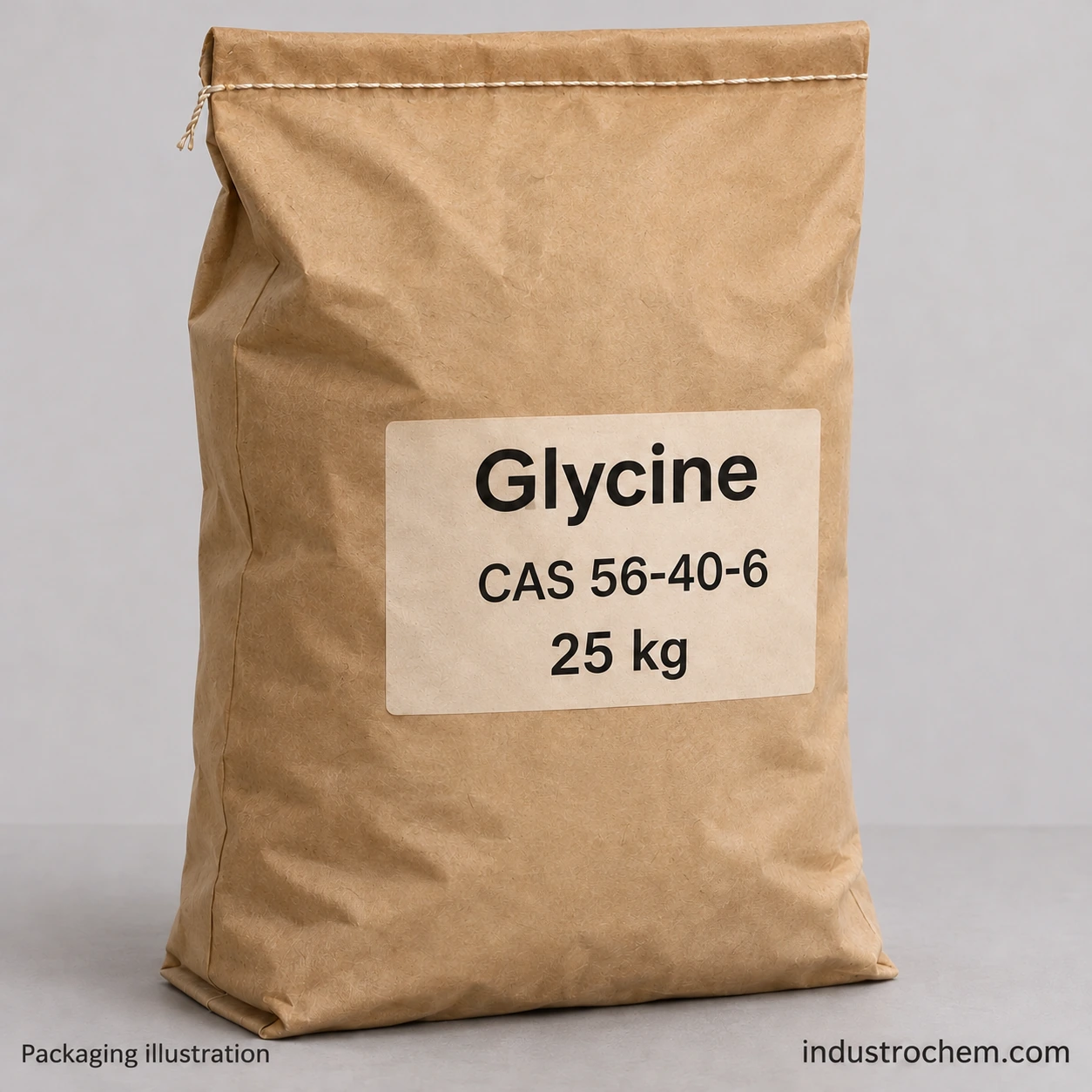
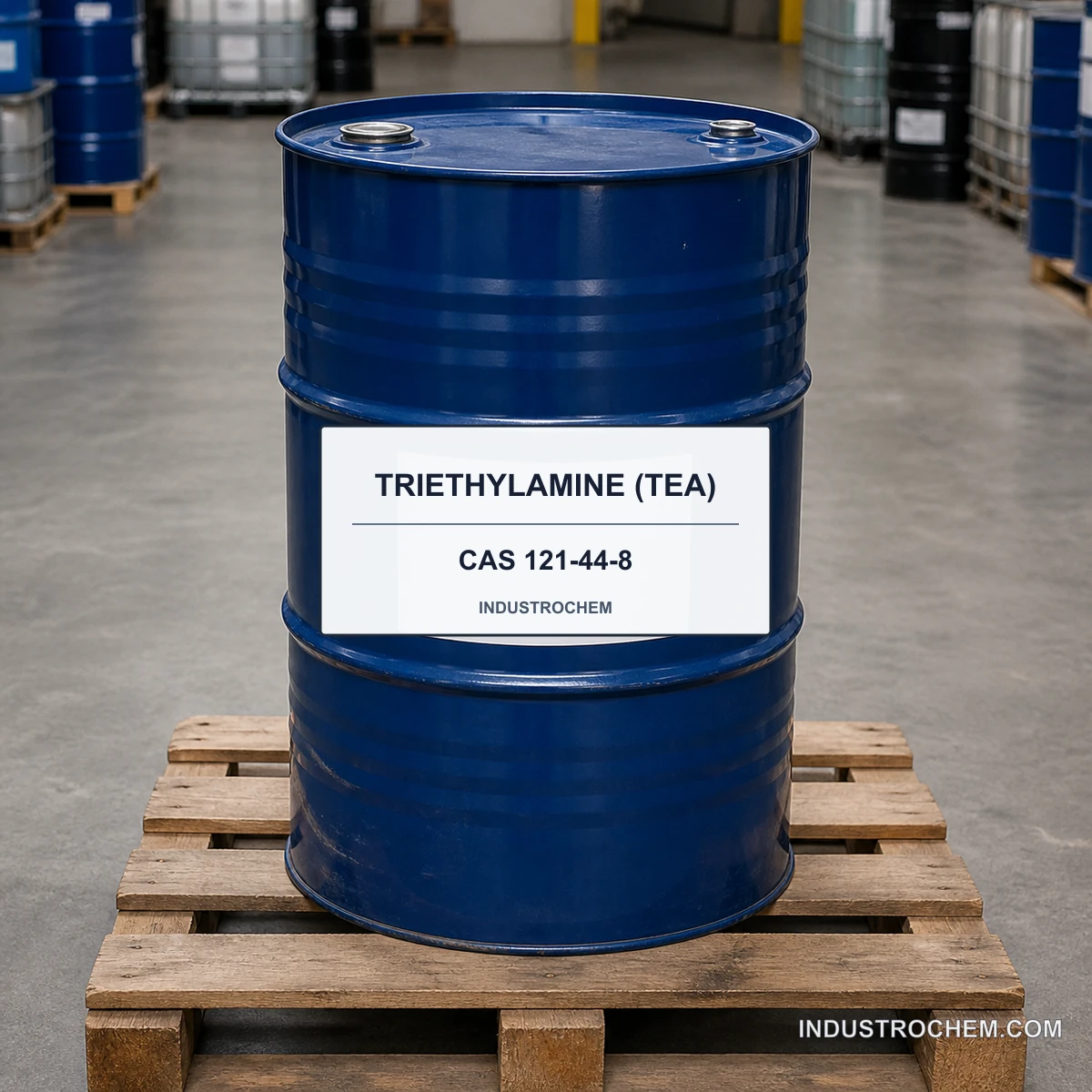
Some glycine-route glyphosate processes use DMP as a phosphorus-containing raw material with glycine and triethylamine (TEA) as a catalyst. These materials have distinct roles; grade selection depends on the impurity and moisture requirements of the selected process.
Glyoxal is an aldehyde co-reactant with DMP in selected routes to hydroxy-phosphonyl intermediates. The concentration and water load of aqueous glyoxal need to match the intended synthesis; aqueous and anhydrous forms are not interchangeable on the same weight basis.
Steel-drum supply and storage
Industrial DMP can be supplied in steel drums. Net weight and any alternative packing are stated in the quotation for the ordered grade and shipment. Send the quantity, destination and required specification for a bulk offer.
Keep containers tightly closed in a cool, dry, well-ventilated area, protected from moisture, heat and ignition sources and separated from incompatible acids, bases and oxidants. DMP is a combustible liquid with a typical flash point of about 70°C (closed cup). Follow the supplied SDS for handling and storage.
FAQ - Technical & Supply Chain
-
Q:
Are dimethyl phosphite and dimethyl phosphonate the same product?
A: Yes. Dimethyl phosphite, dimethyl hydrogen phosphite and dimethyl phosphonate are names for CAS 868-85-9. Dimethyl methylphosphonate and trimethyl phosphite are different chemicals, so the full name and CAS number should be used when ordering. -
Q:
What should a 99% DMP quality specification define?
A: The assay method and reporting basis, acidity, moisture and relevant impurities such as trimethyl phosphite should be defined for the ordered grade. GC peak-area percentage is not automatically a mass fraction. The quotation and COA state the agreed method and limits. -
Q:
Is DMP a ready-to-use flame-retardant additive?
A: DMP is mainly a reactive intermediate for manufacturing phosphorus-containing products. Its use in flame-retardant chemistry does not mean that neat DMP is a ready-to-use additive for every polymer or textile. The required derivative, reaction system and final formulation determine suitability.
Ordering & Documentation
Key information for document requests, quotations, and supply planning.
Documents
Tell us which documents your procurement team needs. Before an order, we will check whether the quoted source can provide them for the offered lot.
Quotation
Send the CAS number, grade, quantity, packing preference and destination.
Sample & Supply
Ask whether samples, trial quantities or repeat orders are possible. We will check each request against the sourced product and current offer.
Storage & Shipping
Product-specific conditions are confirmed before order.