








Glyoxal, CAS 107-22-2 and EC 203-474-9, is also known as ethanedial or oxaldehyde. It is a reactive dialdehyde commonly handled as an aqueous solution for selected crosslinking and synthesis processes. Commercial concentration and impurity profile are grade-specific; this page does not establish a universal 40% offer or fixed 250 kg package. Confirm glyoxal concentration, acidity or pH, colour, stabilizer and relevant impurity limits, packaging, intended reaction system, and current TDS, COA, and SDS.
Glyoxal CAS 107-22-2
- CAS: 107-22-2
- Synonyms: Glyoxal; Ethanedial; Oxaldehyde; Ethane-1,2-dione
- Einecs: 203-474-9
- Molecular Formula: C₂H₂O₂
- Grade: Confirm glyoxal concentration, acidity or pH, colour, stabilizer status, and application-relevant impurity limits
- Package: Confirm packaging compatible with the offered aqueous glyoxal concentration and destination requirements
Product Description
Product name: Glyoxal (Ethanedial)
Recognized names: Glyoxal; ethanedial; oxaldehyde; ethane-1,2-dione
Typical commercial form: aqueous solution; concentration is grade-specific
Product introduction: Glyoxal is the smallest dialdehyde and contains two reactive aldehyde groups. Commercial material is commonly handled as an aqueous solution rather than as isolated anhydrous glyoxal. Its reactivity supports selected condensation, crosslinking, and synthesis processes, but concentration, acidity, stabilizer, and impurity profile must be confirmed for the actual offered grade.
CAS number: 107-22-2; EC number: 203-474-9
Molecular formula: C₂H₂O₂
Molar mass: 58.04 g/mol
Melting point: -14 °C
Boiling point: 104 °C
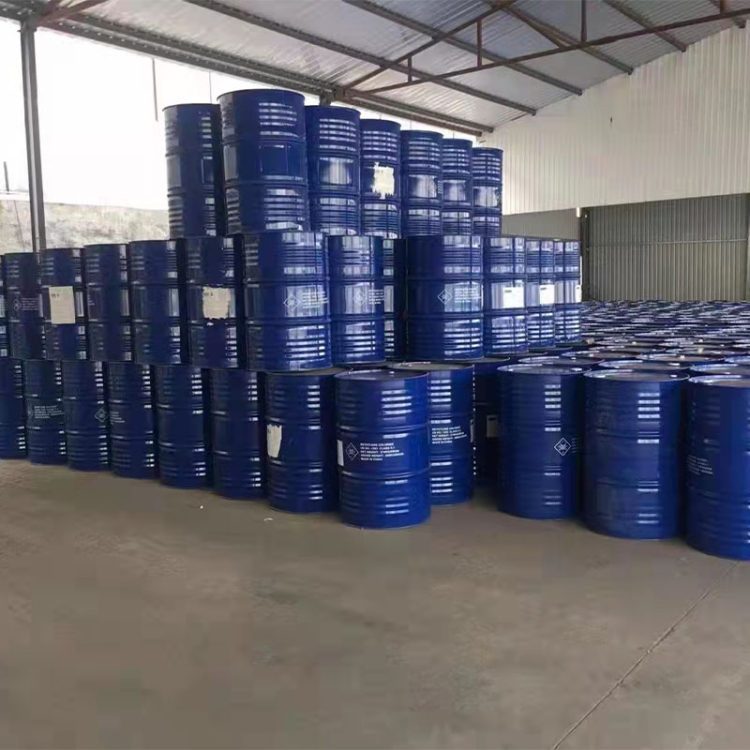
Packaging: confirm compatibility with the offered aqueous concentration and destination requirements
Offered specification: confirm glyoxal concentration, acidity or pH, colour, stabilizer, and relevant impurity limits
Scope of application:Technical use: aqueous glyoxal is evaluated for selected crosslinking, resin, textile-finishing, paper, leather, and chemical-synthesis processes. Application performance is formulation-specific; buyers should define the substrate or reaction system, concentration, pH window, impurity limits, and applicable regulatory requirements rather than assume suitability from CAS identity alone.
FAQ - Technical & Supply Chain
-
Q:
Is commercial Glyoxal normally supplied as a neat compound or solution?
A: Commercial glyoxal is commonly supplied as an aqueous solution rather than unrestricted neat glyoxal. The quotation must state glyoxal concentration, water content or density, stabilizer system and storage temperature. A 40% solution and another concentration are different delivered grades. -
Q:
Which batch controls matter for Glyoxal solution?
A: Agree glyoxal assay and method, acidity or pH, color, density, formaldehyde, methanol, glyoxylic acid, oligomers and other carbonyl impurities. Define whether results are reported as glyoxal or solution concentration. Compare the lot COA with the resin, textile or treatment-process specification before unloading.
Ordering & Documentation
Key information for document requests, quotations, and supply planning.
Documents
Tell us which documents your procurement team needs. Before an order, we will check whether the quoted source can provide them for the offered lot.
Quotation
Send the CAS number, grade, quantity, packing preference and destination.
Sample & Supply
Ask whether samples, trial quantities or repeat orders are possible. We will check each request against the sourced product and current offer.
Storage & Shipping
Product-specific conditions are confirmed before order.