










Imidazole, CAS 288-32-4, is also known as 1H-imidazole or 1,3-diazole. It is used for epoxy curing systems and selected chemical-intermediate synthesis. Before requesting a quotation, confirm assay, water content, melting range, colour, relevant impurities, physical form, packaging and intended use, and request current TDS, COA and SDS.
Imidazole CAS 288-32-4
- CAS: 288-32-4
- Synonyms: Imidazole; 1H-Imidazole; 1,3-Diazole; Glyoxaline
- Einecs: 206-019-2
- Molecular Formula: C₃H₄N₂
- Grade: Confirm on the offered specification and lot COA: assay, water content, melting range, colour, relevant impurities, physical form, packaging and intended use
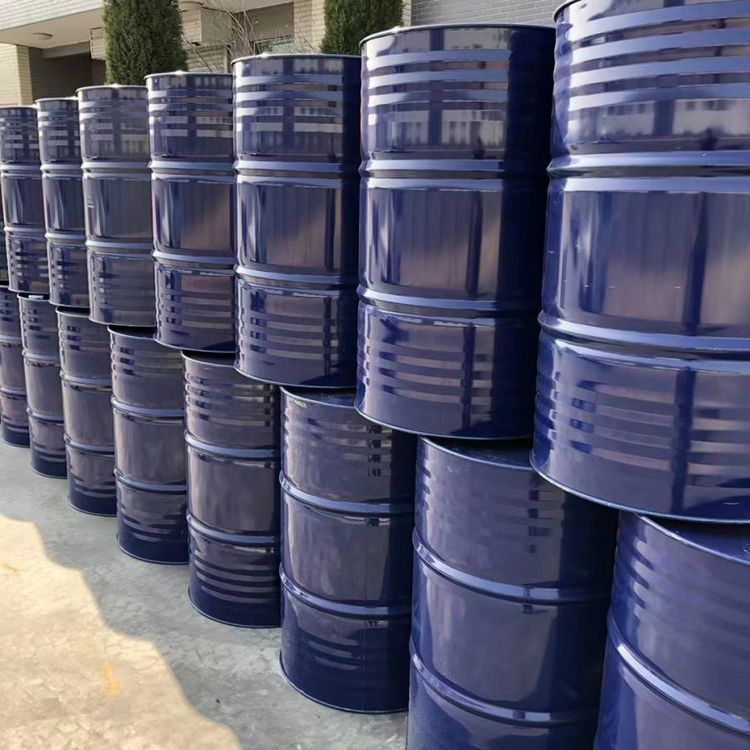
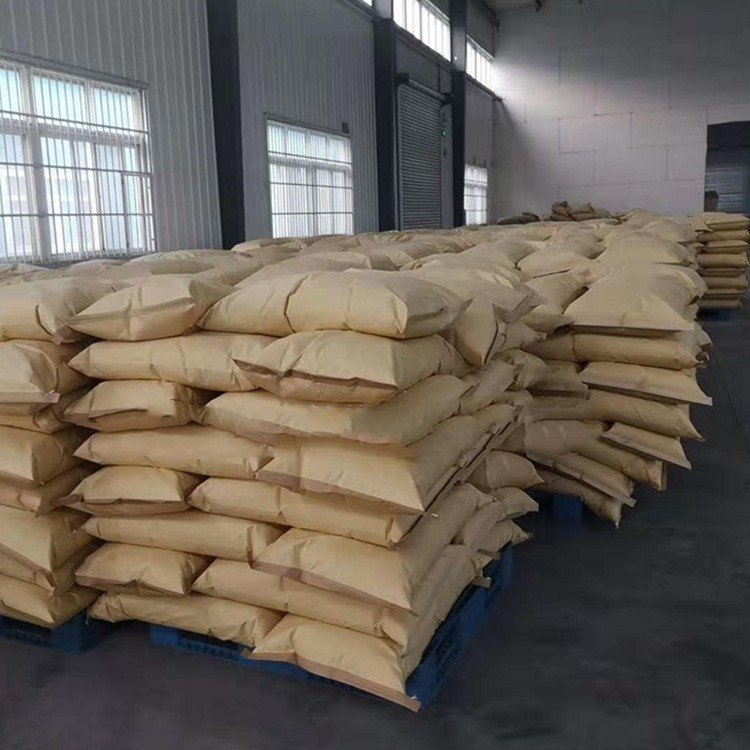
- Package: Moisture-protected packaging; confirm configuration for physical form, quantity, transport route and destination
Product Description
Specification Points to Confirm
| Parameter | Confirm for the offered grade | Verification source |
|---|---|---|
| Appearance | Required physical form and colour | Visual criterion in specification and lot COA |
| Imidazole assay | Required assay, reporting basis and method | Current specification and lot COA |
| Imidazole melting range | Required melting range and method | Current specification and lot COA |
| Water content | Maximum water content and test method | Current specification and lot COA |
| Residue | Residue limit, basis and method | Current specification and lot COA |
| Relevant impurities | Relevant impurity or trace-metal limits and methods | Current specification and lot COA |
| Solution appearance | Test concentration and acceptance criteria for solution appearance | Visual criterion in specification and lot COA |
Application and Grade Boundaries
Chemical Intermediate Use
- Intermediate use: imidazole is a building block in selected pharmaceutical and specialty-chemical synthesis routes. Suitability requires the customer’s target process, impurity profile and grade qualification; this page does not establish pharmaceutical grade.
- Route selection: confirm the exact downstream reaction, required assay, water, colour, trace impurities and applicable regulatory documentation before purchase.
Epoxy Curing Systems
- Curing use: imidazole can act as a curing agent or accelerator in selected epoxy systems. Confirm formulation, dosage, cure profile, latency, water and impurity limits through customer trials; no performance guarantee or electronic grade is stated.
Other Synthesis Routes
- Other downstream synthesis: agrochemical or specialty-chemical routes require product-specific impurity limits and regulatory review; naming a downstream molecule does not establish suitability.
Corrosion-Control Formulations
- Corrosion-control use is system-specific. Confirm metal, water chemistry, concentration, compatibility and applicable discharge or regulatory requirements through formulation testing.
Procurement and Document Boundaries
This page does not establish GMP, pharmaceutical, electronic or any other regulated grade. Confirm the offered grade, manufacturing and quality-system evidence, current specification, TDS, lot COA and SDS for the intended use.
- Assay: confirm the required value, reporting basis and test method on the offered specification and lot COA; no fixed 99.5% guarantee is made here.
- Moisture: define the maximum water content and Karl Fischer or other agreed method according to the target process; no fixed 0.3% limit is established here.
- Trace impurities: request only the metals and other impurity limits relevant to the intended formulation or synthesis, together with the agreed analytical methods and lot COA.
Storage and Handling
Storage Guidance
- Moisture control: imidazole is hygroscopic; confirm sealed packaging and storage conditions in the current TDS and SDS.
- Colour protection: confirm temperature, light and shelf-life controls for the offered grade; no fixed stability period is stated.
- Compatibility: determine incompatible materials and segregation requirements from the current SDS and site risk assessment.
Safety and PPE
- Classification and transport: use the current SDS for the offered grade and destination; this page does not assign a universal transport class.
- Hazard statements: do not rely on isolated template claims. Review the complete current SDS, jurisdiction and concentration or form where applicable.
- PPE: select gloves, eye/face protection, clothing and ventilation from the current SDS and workplace exposure assessment.
- First aid and emergency response: follow the complete current SDS and site emergency procedure and obtain medical advice where required.
FAQ - Technical & Supply Chain
-
Q:
What is Imidazole CAS 288-32-4?
A: Imidazole is a five-membered aromatic heterocycle with two non-adjacent nitrogen atoms, molecular formula C3H4N2 and EC number 206-019-2. It is also called 1H-imidazole, 1,3-diazole or glyoxaline. Commercial material is normally a white to off-white crystalline solid with a melting range around 88-91 degrees C and high water solubility. -
Q:
What are the main industrial uses of Imidazole?
A: Imidazole is widely used as an epoxy curing accelerator or hardener, as an intermediate for pharmaceutical and agrochemical synthesis, and as a corrosion-inhibitor component for copper and other transition metals. It also serves as a base or nucleophilic catalyst in organic reactions, in biochemical buffer systems, in immobilized metal affinity chromatography, and in the preparation of imidazolium salts and other heterocyclic derivatives. -
Q:
Why is Imidazole used in epoxy resin systems?
A: Imidazole can catalyze epoxy crosslinking and is selected because it often provides a useful balance of latency at ambient temperature and fast cure after heating. Reported use levels vary by resin and formulation, commonly from about 0.1 to 10 phr. Low water and controlled purity are important because moisture can affect cure behavior, pot life, and final coating, adhesive or encapsulation properties. -
Q:
Which specifications are most important when qualifying Imidazole?
A: Key checks include assay, melting range, water content, appearance or solution colour, residue after ignition and the relevant impurity profile. Typical high-purity material is often about 99% or higher, with a melting range near 88-91 degrees C and water limits commonly about 0.2-0.5%, but the exact value, basis and method should match the intended epoxy, biochemical or synthesis process. -
Q:
How should Imidazole be stored and handled?
A: Keep it in tightly closed, moisture-protective packaging in a cool, dry, well-ventilated area, preferably below about 30 degrees C. Avoid dust formation, moisture uptake, prolonged heat or light exposure, and direct contact. Use suitable ventilation and chemical-resistant PPE because imidazole can be corrosive and has recognized acute-toxicity and reproductive-hazard concerns.
Ordering & Documentation
Key information for document requests, quotations, and supply planning.
Documents
Tell us which documents your procurement team needs. Before an order, we will check whether the quoted source can provide them for the offered lot.
Quotation
Send the CAS number, grade, quantity, packing preference and destination.
Sample & Supply
Ask whether samples, trial quantities or repeat orders are possible. We will check each request against the sourced product and current offer.
Storage & Shipping
Product-specific conditions are confirmed before order.