










m-Aminophenol (3-Aminophenol), CAS 591-27-5, is also known as m-hydroxyaniline or 3-hydroxyaniline. It is used for dye synthesis and other grade-specific aromatic-intermediate processes. Before requesting a quotation, confirm assay, melting range, colour, moisture, relevant impurities, packaging and intended synthesis, and request current TDS, COA and SDS.
m-Aminophenol (3-Aminophenol) CAS 591-27-5
- CAS: 591-27-5
- Synonyms: m-Aminophenol; 3-Aminophenol; m-Hydroxyaniline; 3-Hydroxyaniline; INCI: m-AMINOPHENOL
- Einecs: 209-711-2
- Molecular Formula: C₆H₇NO
- Grade: Confirm on the offered specification and lot COA: assay, melting range, colour, moisture, relevant impurities, packaging and intended synthesis.
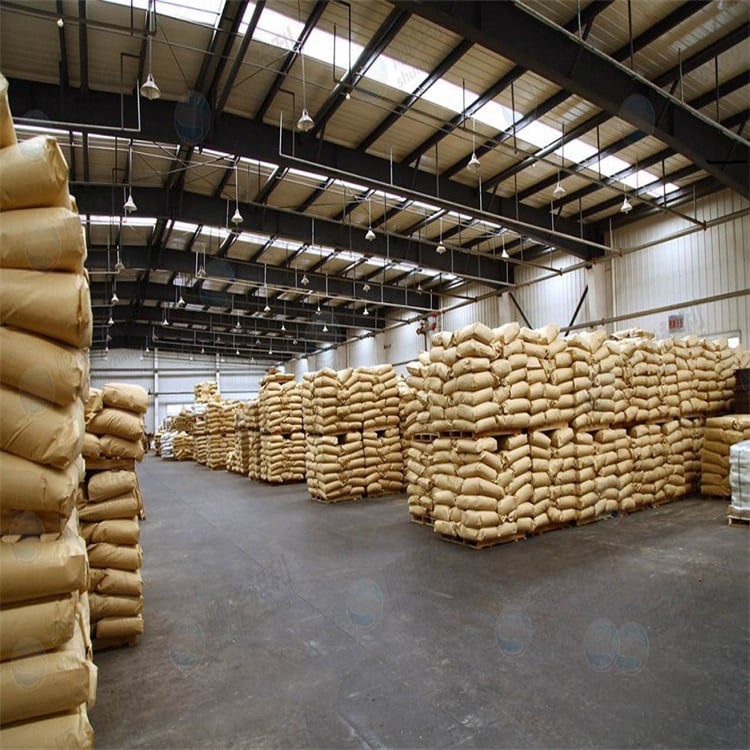
- Package: Moisture-protected packaging; confirm configuration for physical form, quantity, transport route and destination
Product Description
Product name: m-Aminophenol
Recognized names: m-Aminophenol; 3-Aminophenol; m-Hydroxyaniline; 3-Hydroxyaniline; INCI: m-AMINOPHENOL
Identity: m-Aminophenol (3-Aminophenol), CAS 591-27-5, EC 209-711-2, formula C₆H₇NO. The recognized INCI name is m-AMINOPHENOL, but the identity alone does not establish cosmetic grade.
Molar mass: 109.13 g/mol
CAS Number: 591-27-5; EC Number: 209-711-2
Melting point: 123 °C
Thermal data: confirm melting range and any decomposition or boiling information on the current TDS; the generic 164° boiling value is not retained.
Water solubility: easily soluble in hot water
Density: 1.21 g/cm³
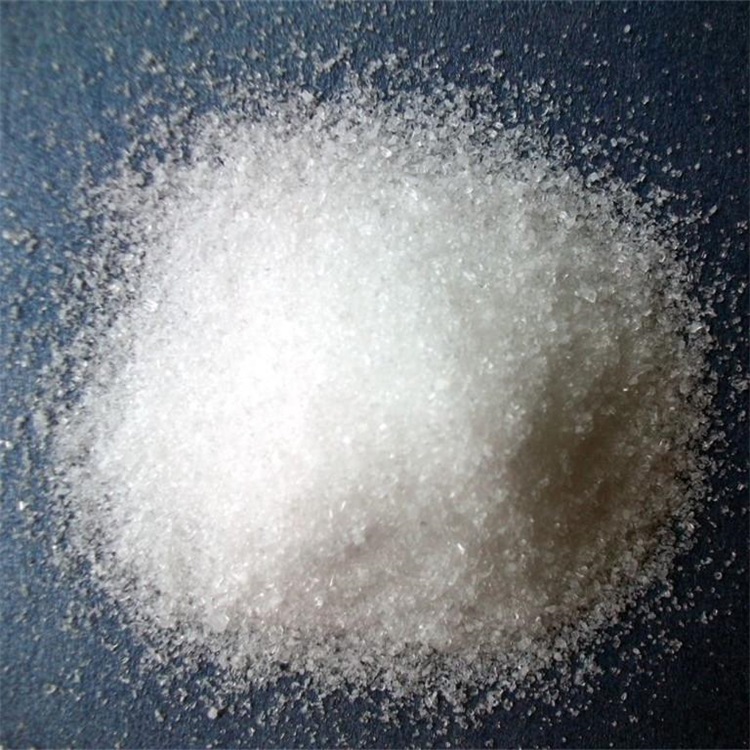
Appearance: white to off-white or greyish crystalline material may be specified; confirm colour, particle form and storage controls for the offered grade.
Flash point: 155 °C
Industrial use: aromatic intermediate for dye synthesis and selected downstream chemical routes. Hair-colour, pharmaceutical, agrochemical or other regulated use requires a grade-specific specification and customer qualification; no such grade is established here.
FAQ - Technical & Supply Chain
-
Q:
Are m-Aminophenol and 3-Aminophenol the same compound?
A: Yes. m-Aminophenol, 3-aminophenol, m-hydroxyaniline and 3-hydroxyaniline all identify CAS 591-27-5, with EC 209-711-2 and formula C6H7NO. They are not o-aminophenol or p-aminophenol, which are positional isomers with different properties, so the meta isomer and CAS number should be stated in the purchase specification. -
Q:
What are the main industrial uses of m-Aminophenol?
A: It is used as an oxidation coupler in permanent oxidative hair colorants, a dye intermediate, and a building block for pharmaceutical and agrochemical synthesis. It can also act as a stabilizer for chlorine-containing thermoplastics and is used in selected photographic and chelating-resin applications. -
Q:
Why is m-Aminophenol used as a hair-color coupler?
A: It can couple with an oxidation dye intermediate during permanent oxidative hair coloring to develop the target shade. Cosmetic use requires a grade-specific specification, regulatory review and customer qualification for the intended formula, including permitted-use limits, impurity data and stability evaluation. The INCI name alone does not establish cosmetic grade. -
Q:
Which physical and chemical specifications should be confirmed for a lot?
A: Confirm assay, melting range, colour, physical form, moisture, ash, residual aminophenol isomers and metals. Typical high-purity material is around 99% or higher, with a melting range near 119-123 degrees C and water often below about 0.3%, but the exact limits and methods depend on the offered grade. -
Q:
Why is colour control important for m-Aminophenol?
A: m-Aminophenol can be light- and air-sensitive and may darken or discolour on exposure. The offered material may be white, off-white, cream, light grey or pinkish depending on grade and storage. Low colour, moisture-protective packaging and cool dark storage help preserve quality for colour-sensitive formulations. -
Q:
How should m-Aminophenol be stored and handled?
A: Store in tightly closed, moisture-protective packaging in a cool, dry, ventilated area, preferably away from light and heat. Avoid dust formation and contact with strong oxidizers, bases and mineral acids, and use suitable ventilation and PPE during weighing, transfer and sampling.
Ordering & Documentation
Key information for document requests, quotations, and supply planning.
Documents
Tell us which documents your procurement team needs. Before an order, we will check whether the quoted source can provide them for the offered lot.
Quotation
Send the CAS number, grade, quantity, packing preference and destination.
Sample & Supply
Ask whether samples, trial quantities or repeat orders are possible. We will check each request against the sourced product and current offer.
Storage & Shipping
Product-specific conditions are confirmed before order.