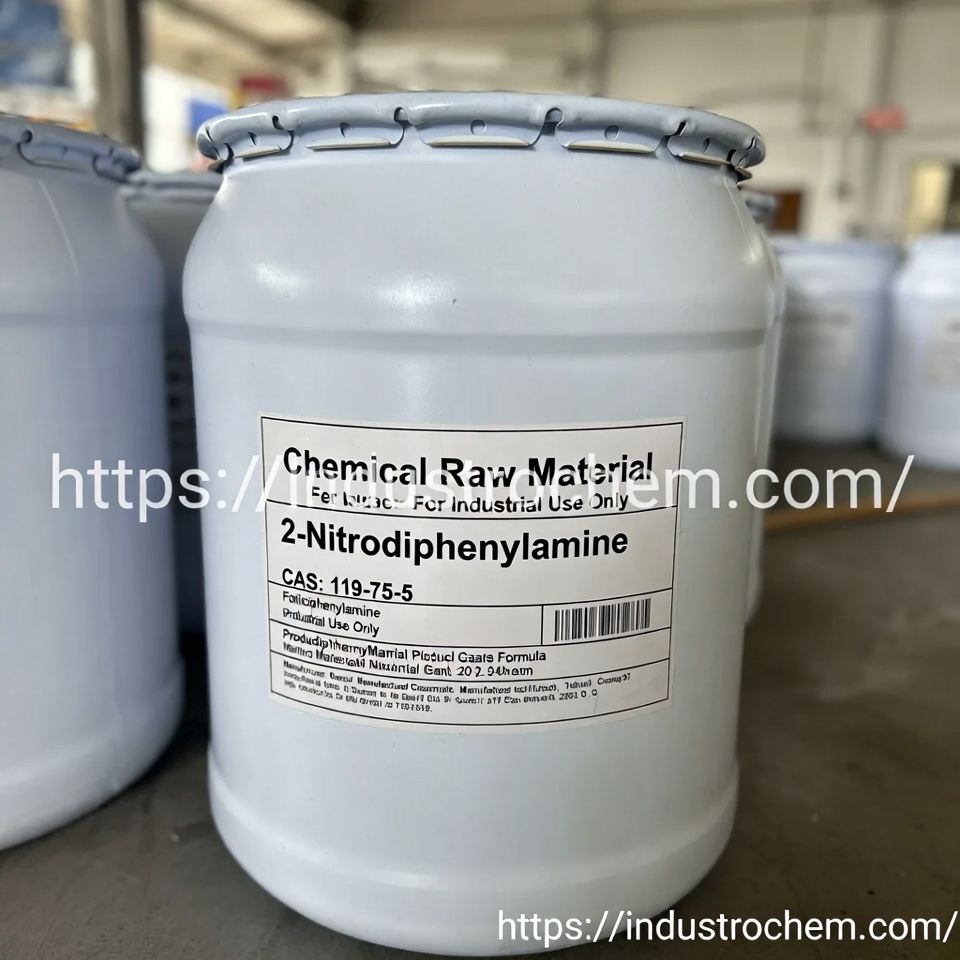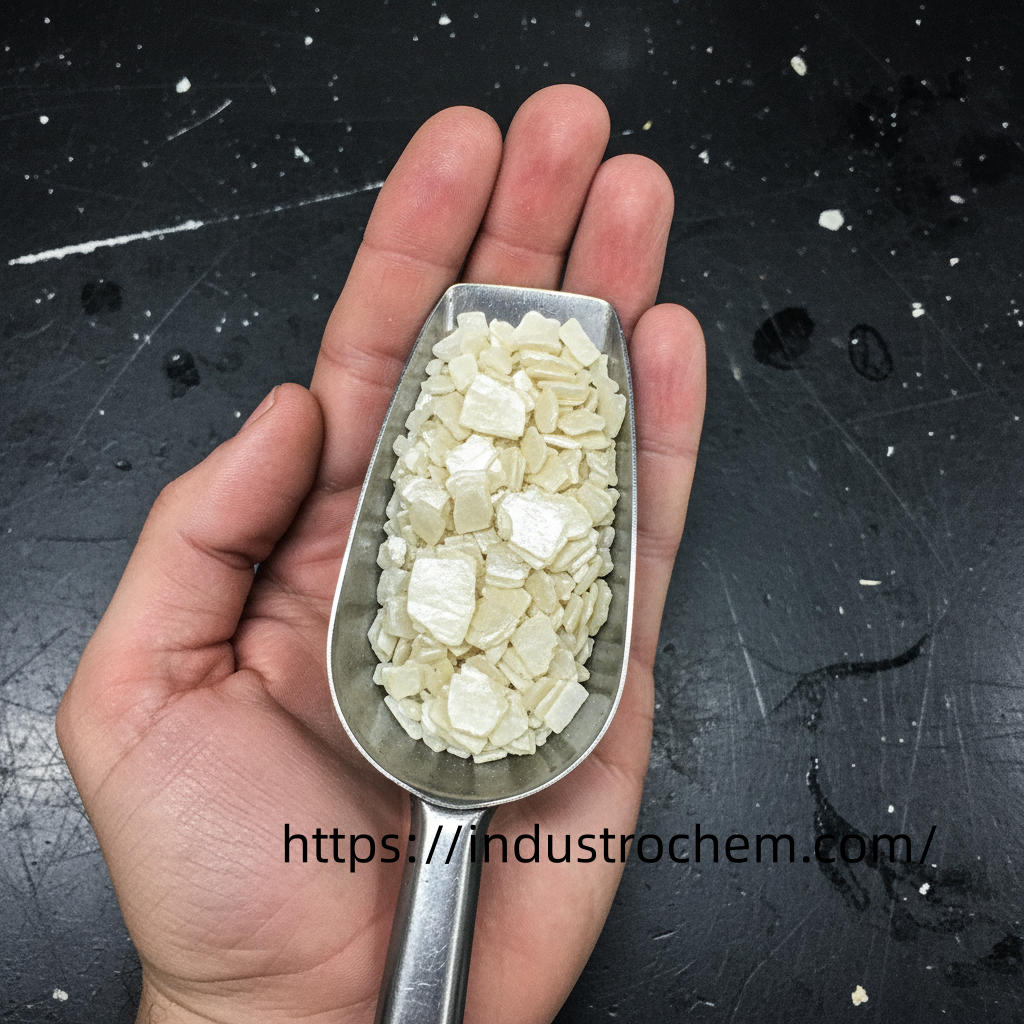










p-Phenylenediamine (PPD), CAS 106-50-3, is also known as 1,4-benzenediamine or Ursol D. It is an aromatic diamine used in dye production and aramid polymer manufacturing. For procurement review, confirm assay, colour requirement, physical form, intended process, and handling needs, the actual packaging, and applicable safety documentation.
p-Phenylenediamine (PPD) CAS 106-50-3
- CAS: 106-50-3
- Synonyms: p-Phenylenediamine; PPD; 1,4-Phenylenediamine; 1,4-Benzenediamine; Ursol D
- Einecs: 203-404-7
- Molecular Formula: C₆H₈N₂
- Grade: Confirm assay, colour requirement, and physical form
- Package: Confirm packaging for the offered aromatic diamine
Product Description
Product name: p-Phenylenediamine (PPD)
CAS number: 106-50-3
Molecular formula: C₆H₈N₂
Molecular weight: 108.14 g/mol
EC number: 203-404-7
Other names: p-Phenylenediamine; PPD; 1,4-Phenylenediamine; 1,4-Benzenediamine; Ursol D
Chemical class: an aromatic diamine
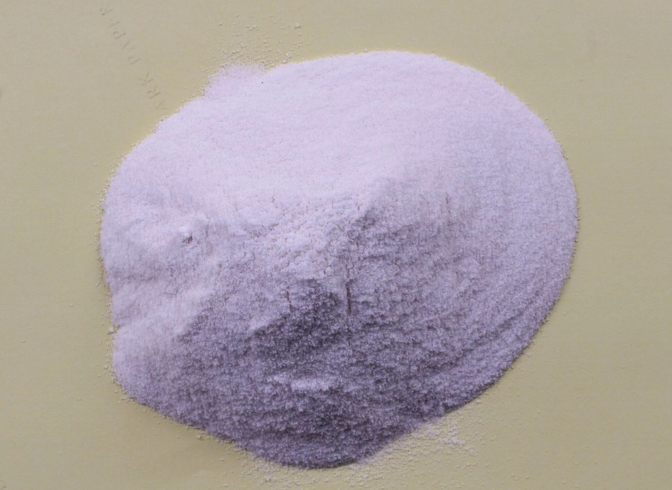
Typical physical form: white to purple crystalline material that can darken on air exposure. Confirm the actual offered form against the current specification.
Identity check: PPD, 1,4-phenylenediamine, and 1,4-benzenediamine refer to the substance identified by CAS 106-50-3.
Technical context: dye production and aramid polymer manufacturing.
Typical technical use: intermediate for dye production and aramid polymer manufacturing. State the intended process instead of inferring it from the chemical name alone.
Appearance control: color and oxidation-related requirements should be agreed against the actual offered specification.
Procurement review: Confirm assay, colour requirement, physical form, intended process, and handling needs, the actual packaging, and applicable safety documentation for the actual offered material.
Safety: Follow the current SDS and receiving-site controls for the actual offered p-Phenylenediamine (PPD) material.
Use boundary: this page does not confirm cosmetic, hair-dye, polymer, or other sector-specific qualification.
RFQ information: state the intended process, required quantity, destination, and any specification or document requirements.
FAQ - Technical & Supply Chain
-
Q:
Are p-Phenylenediamine, 1,4-Benzenediamine and PPD the same substance?
A: Yes. These names identify the para isomer, CAS 106-50-3. It is not o-phenylenediamine or m-phenylenediamine, which have different CAS numbers and properties. Specify the para isomer, full name and CAS number because the abbreviation PPD alone is insufficient for material approval. -
Q:
Which specifications should be agreed for p-Phenylenediamine?
A: Set GC assay, melting range, water, ash or nonvolatile residue, color, o- and m-isomer limits, oxidation-related impurities and relevant metals. Appearance can darken through oxidation and is not a substitute for compositional testing. Compare the batch COA and methods with the approved industrial grade before use. -
Q:
How should PPD be packed and received to limit oxidation?
A: Agree moisture- and oxygen-barrier packing, liner, closure, net weight, production date and storage-temperature limit. Inspect seals and package integrity before sampling, and minimize exposure to air, light and heat. Handling, segregation and personal-protection controls should follow the current SDS and the receiving site's approved procedure.
Ordering & Documentation
Key information for document requests, quotations, and supply planning.
Documents
COA, TDS, SDS/MSDS and packing details are available on request.
Quotation
Send the CAS number, grade, quantity, packing preference and destination.
Sample & Supply
Support is available for samples, trial orders, bulk and repeat supply.
Storage & Shipping
Product-specific conditions are confirmed before order.