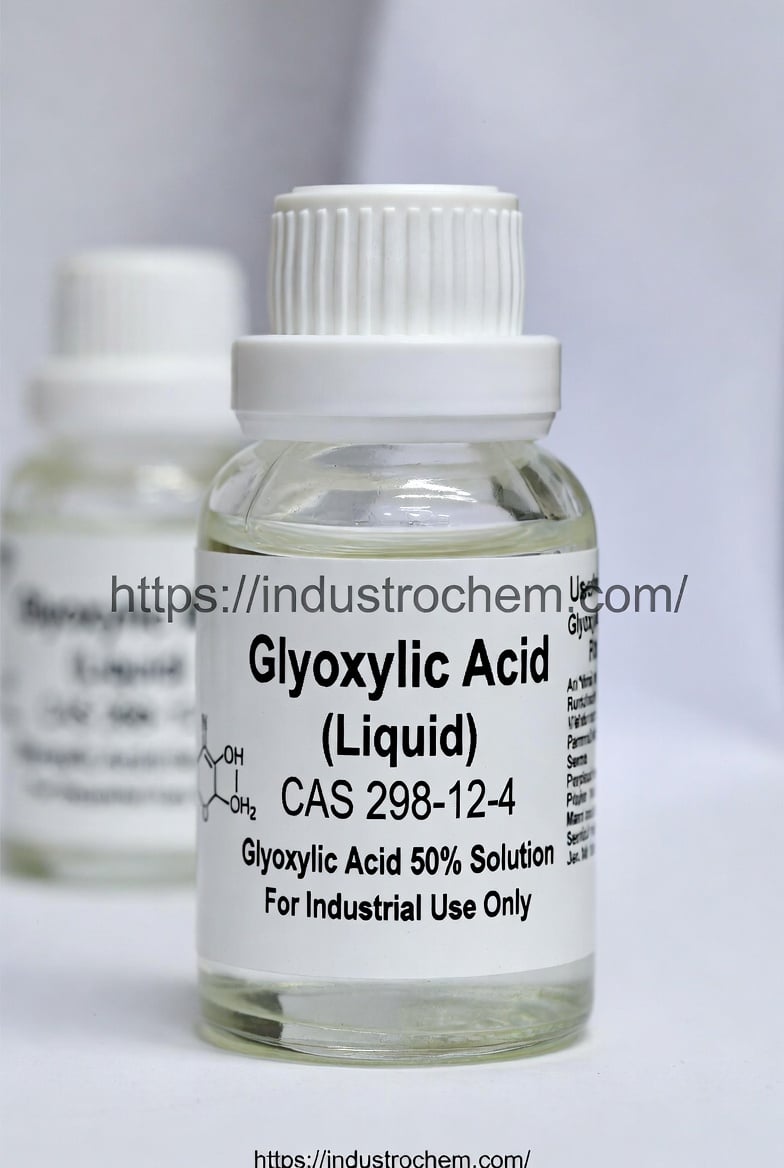
• Glyoxylic Acid CAS 298-12-4
  • Glyoxylic Acid CAS 298-12-4

Glyoxylic Acid CAS 298-12-4

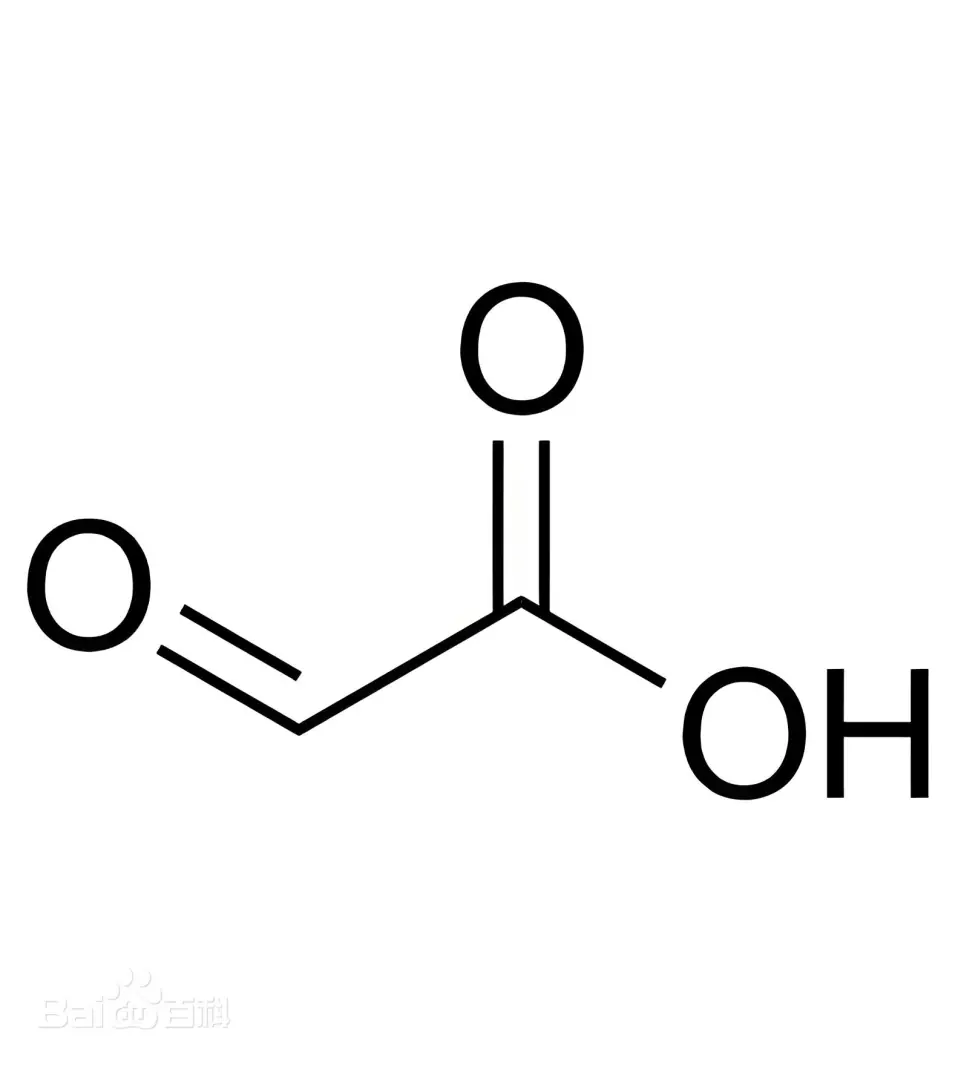
Glyoxylic Acid CAS 298-12-4 is a bifunctional organic intermediate chemically defined as oxoacetic acid , functioning primarily as a key precursor in the synthesis of vanillin, allantoin, and pharmaceutical actives. Supplied typically as a refined aqueous solution, this electrophilic aldehyde-acid is utilized to facilitate condensation reactions in agrochemical production and serves as a cross-linking agent in specialized polymer formulations. We provide professional access to this material with competitive factory pricing and the ability to meet customized specifications for various manufacturing requirements. Our commitment to technical transparency ensures that every shipment is accompanied by comprehensive MSDS, TDS, COA documentation to support your quality assurance protocols, and we maintain capacity for consistent bulk supply to facilitate large-scale industrial operations.

  • CAS: 298-12-4
  • Synonyms: Oxoacetic acid, Formylformic acid, Oxoethanoic acid, alpha-Ketoacetic acid, Glyoxalic acid
  • Einecs: 206-058-5
  • Molecular Formula: C2H2O3 ​
  • Grade: Industrial Grade / Pharma Grade
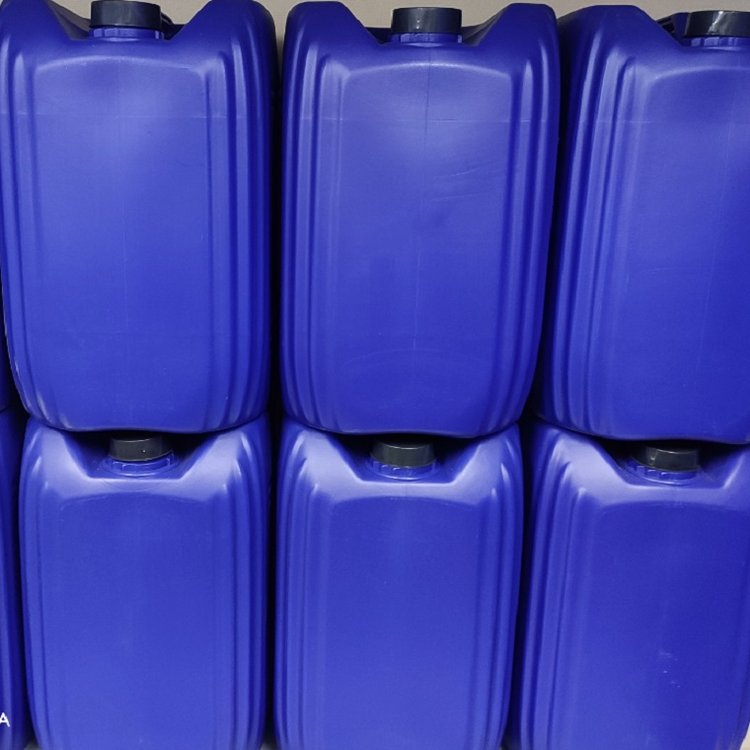
  • Package: 25kg/Plastic Drum, 250kg/Plastic Drum, or 1250kg IBC Tank.
Request a quote
Share:

Product Description

Why source our Glyoxylic Acid?

  1. Low Glyoxal Content: For downstream synthesis like Allantoin or Vanillin, glyoxal residue is a “poison.” Our electrolytic process keeps Glyoxal levels typically < 1.0% (and even lower for premium grades).
  2. Excellent Color Stability: We control the iron and heavy metal content strictly, ensuring the liquid remains clear and doesn’t darken significantly over time, which is critical for the fragrance industry.
  3. Formaldehyde-Free Alternative: In the personal care sector, our Glyoxylic Acid is widely exported as a safe, effective cross-linking agent for keratin hair treatments.

Physicochemical Properties

These values represent our standard 50% Industrial Grade batch.

ParameterSpecification (Typical Data)
Assay (Glyoxylic Acid)50.0% ± 0.5%
AppearanceClear Liquid, Colorless to Pale Yellow
Glyoxal Residue≤ 1.0% (Standard) / ≤ 0.5% (High Purity)
Nitric Acid Residue≤ 0.05%
Oxalic Acid Residue≤ 1.0%
Color (APHA)≤ 50
Density (20°C)1.33 – 1.35 g/cm³
SolubilityMiscible in water and alcohol

Core Applications

  1. Aroma Chemicals:
    • The primary raw material for Ethyvanillin and Vanillin. It is also used in the synthesis of heliotropin.
  2. Pharmaceutical Intermediates:
    • Used to produce Allantoin (skin soothing agent), Atenolol (beta-blocker), and various broad-spectrum antibiotics like Amoxicillin.
  3. Personal Care (Hair Care):
    • Increasingly popular in “Organic” hair straightening products. It works by reacting with the hair’s keratin without the safety concerns associated with formaldehyde.
  4. Agrochemicals:
    • Used in the synthesis of several herbicides and plant growth regulators.
  5. Water Treatment:
    • Acts as a highly effective chelating agent in specific industrial cleaning formulations.

Storage & Stability Conditions

  • Corrosivity: Glyoxylic acid is acidic. It must be stored in Plastic (PE/PP) or glass-lined containers. Avoid contact with carbon steel or stainless steel for long periods as it will cause corrosion and discoloration of the product.
  • Temperature: Store in a cool, ventilated area away from direct sunlight. While it is stable at room temperature, keeping it in a cool place (below 25°C) helps maintain the APHA color value for longer periods.
  • Sealing: Keep the drum tightly closed. Exposure to air won’t make it explode, but it can lead to minor concentration changes due to evaporation or moisture absorption.

Safety Precautions

  • Acidity: The pH of a 50% solution is very low. It is corrosive to skin and eyes.
  • Personal Protection: When handling, always wear acid-resistant gloves (Nitrile), safety goggles, and protective clothing. If it splashes on the skin, rinse immediately with plenty of water.
  • Inhalation: Ensure the working area has good local exhaust ventilation. Avoid breathing in vapors, especially if the liquid is being heated.
  • Spills: In case of a leak, neutralize with a basic solution (like soda ash or lime) before cleaning up with absorbent materials.

Partner with a Professional Supply Chain

We understand that for European and American importers, documentation is as important as the chemical itself. We provide full REACH registration support, updated SDS (GHS compliant), and palletized shipping with extra-strength strapping to ensure zero leakage during sea freight.

Ready to discuss your annual requirements? 📧 Reach out to us: info@industrochem.com

FAQ - Technical & Supply Chain

  • Q:

    How is Glyoxylic Acid (CAS 298-12-4) commercially supplied for industrial use?

    A: Glyoxylic Acid (CAS 298-12-4) is typically supplied as a 50% aqueous solution rather than a solid. This liquid form ensures stability and ease of handling in industrial reactors, as the pure anhydrous acid is hygroscopic and difficult to maintain. Verification is based on acid value titration and HPLC analysis of the glyoxylate content.
  • Q:

    What is the primary industrial application of Glyoxylic Acid in fine chemical synthesis?

    A: In the fine chemical industry, this material is intended for use as a C2 building block. It is extensively applied in the Hopkins-Cole reaction and other condensation processes to synthesize vanillin flavorings, allantoin for cosmetics, and various broad-spectrum agrochemicals.
Documents

Documents and Product Support

For product review and sourcing evaluation, supporting documents can be coordinated according to the product type, inquiry stage, and order requirements.

  • COA for batch-based quality reference
  • TDS for key physical and chemical information
  • SDS / MSDS for handling, storage, and safety reference
  • Packing information for sample, trial, and bulk orders
  • Technical communication based on application and specification requirements
Quotation

Information to Confirm Before Quotation

Clear sourcing information helps reduce specification mismatch and allows a more accurate quotation before sample or bulk order discussion.

  • Product name and CAS number
  • Application or intended end use
  • Required purity, grade, or specification
  • Sample quantity, trial order, or bulk demand
  • Preferred packing form or net weight
  • Destination country or port
  • Required documents or compliance expectations
Storage & Handling

Packaging, Storage, and Handling Notes

Packaging form, storage conditions, shelf life, and shipment arrangements should be confirmed according to the product characteristics, package size, and destination requirements.

Before order confirmation, buyers are advised to review the corresponding product documents and confirm whether any special storage, labeling, or handling requirements apply.

Supply Support

Sample, Bulk Order and Repeat Supply Support

Support can be arranged for sample discussion, bulk supply planning, packaging confirmation, and routine sourcing communication based on the actual product and order requirements.

For repeat-use formulations or long-term procurement plans, buyers may discuss specification consistency, packaging preferences, delivery expectations, and document coordination in advance.

Contact Form

Use our contact form to send us your questions, suggestions or comments. We will respond as soon as possible.