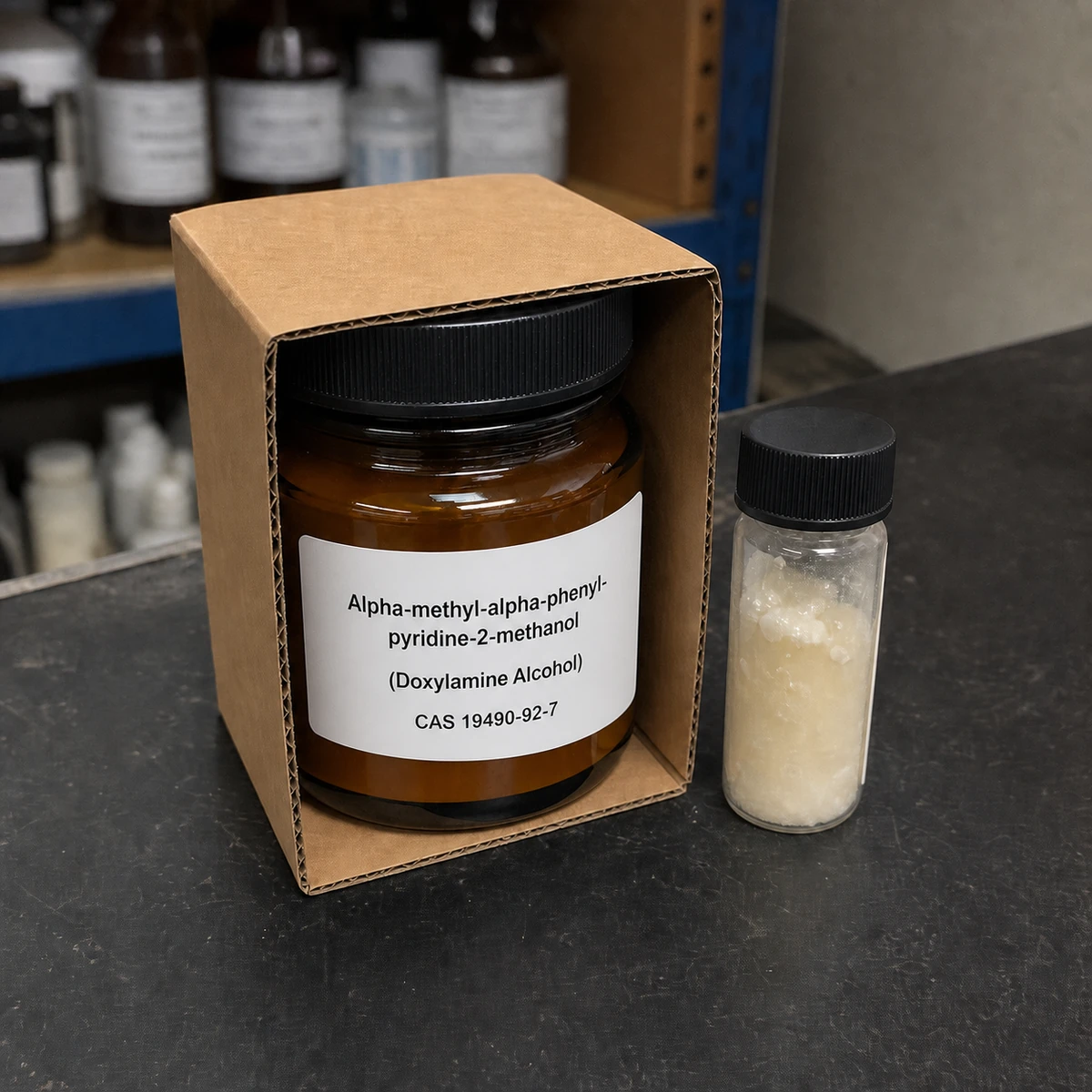
• Alpha-methyl-alpha-phenyl-pyridine-2-methanol CAS 19490-92-7
  • Alpha-methyl-alpha-phenyl-pyridine-2-methanol CAS 19490-92-7
  • Alpha-methyl-alpha-phenyl-pyridine-2-methanol CAS 19490-92-7

Alpha-methyl-alpha-phenyl-pyridine-2-methanol CAS 19490-92-7

Alpha-methyl-alpha-phenyl-pyridine-2-methanol, accurately indexed under CAS No. 19490-92-7, is a vital heterocyclic organic intermediate used extensively in the pharmaceutical industry. Also chemically known as 2-(1-Hydroxy-1-phenylethyl)pyridine or 1-Phenyl-1-(2-pyridyl)ethanol, this tertiary alcohol features a pyridine ring, a phenyl group, and a methyl group bonded to the same central carbon. It serves as a critical building block (key intermediate) in the synthesis of active pharmaceutical ingredients (APIs), most notably antihistamines like Doxylamine. Beyond pharma, it is utilized in fine chemical research for the development of pyridine-based ligands. We supply this product in high-purity crystalline form (≥98%), ensuring low moisture and impurity profiles suitable for sensitive downstream reactions. Available from lab-scale vials to commercial fiber drums, our inventory is supported by complete COA, HPLC, and MSDS documentation.

  • CAS: 19490-92-7
  • Synonyms: 2-(1-Hydroxy-1-phenylethyl)pyridine, 1-Phenyl-1-(2-pyridyl)ethanol, Methylphenyl(2-pyridyl)carbinol, alpha-Phenyl-alpha-(2-pyridyl)ethanol, 2-Pyridyl methyl phenyl carbinol.
  • Molecular Formula: C14H15NO
  • Grade: Industrial grade 99%
  • Package: 200kg iron drum or 50kg plastic drum packaging
Request a quote
Share:

Product Description

Physicochemical properties

PropertyValue
Molecular FormulaC₁₃H₁₃NO
Molecular Weight199.25 g/mol
CAS Number19490-92-7
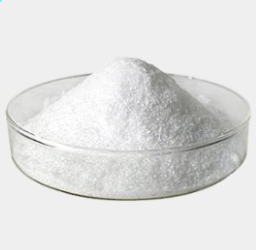
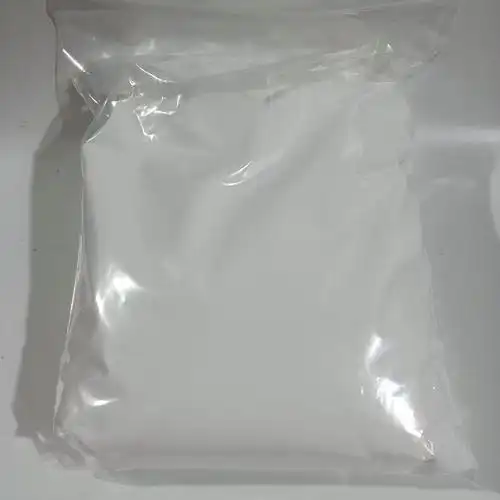
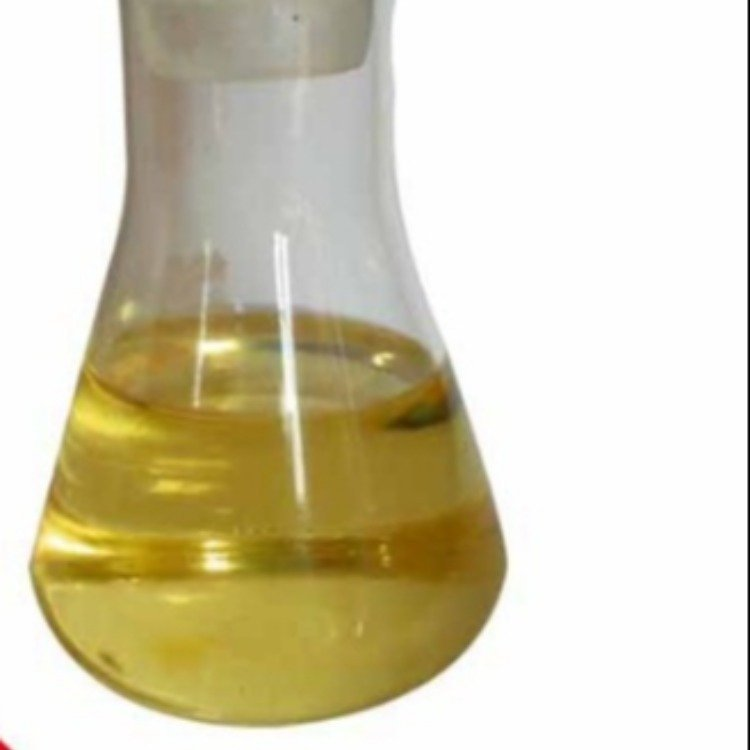
AppearanceWhite powder or solid (also reported as liquid by some suppliers)
Melting Point32°C
Boiling Point340.4°C at 760 mmHg
Density1.126 g/cm³
Flash Point159.7°C
Refractive Index1.586
SolubilitySoluble in organic solvents (e.g., ethanol, chloroform, methanol); slightly soluble in water
StabilityStable at room temperature, but avoid strong oxidizers, strong acids, and high temperatures
Storage ConditionsSealed and stored in a cool, dry place (some suppliers recommend 2-8°C)

Application Areas

Organic synthesis intermediates:
Used for synthesizing complex organic compounds such as drugs, pesticides, and fragrances.
As an impurity standard for docetamine (antihistamine), used for quality control.
Research field:
As a model compound or reagent in chemical and pharmaceutical research.

Storage conditions

Sealed storage at 2-8 ° C (recommended by some suppliers), away from sources of fire and oxidants.

Safety precautions

danger:
Swallowing is harmful (H302) and may cause skin, eye, and respiratory irritation.
Wear protective equipment (such as gloves, goggles, lab coats) during operation.
Emergency Management:
Skin contact: Immediately rinse with plenty of water and seek medical attention if necessary.
Eye contact: Rinse with running water for at least 15 minutes and seek medical attention.
Inhalation: Transfer to fresh air, maintain unobstructed breathing, and perform artificial respiration if necessary.
Leakage treatment: Absorb with inert materials (such as sand) to avoid flowing into the sewer.

FAQ - Technical & Supply Chain

  • Q:

    What is the primary application of CAS 19490-92-7?

    A: Its most significant industrial application is as a precursor in the synthesis of Doxylamine Succinate, a widely used antihistamine and sedative. It is also used as a starting material in organic synthesis to create various pyridine derivatives.
  • Q:

    Is this chemical soluble in water?

    A: Alpha-methyl-alpha-phenyl-pyridine-2-methanol has very low solubility in water due to its lipophilic phenyl and methyl groups. It is readily soluble in common organic solvents such as ethanol, methanol, chloroform, and ethyl acetate.
  • Q:

    What are the storage conditions for this material?

    A: It should be stored as a solid in a cool, dry, well-ventilated area. Keep the container tightly closed to prevent moisture absorption. It is stable under normal temperatures and pressures but should be kept away from strong oxidizing agents and acids.
Documents

Documents and Product Support

For product review and sourcing evaluation, supporting documents can be coordinated according to the product type, inquiry stage, and order requirements.

  • COA for batch-based quality reference
  • TDS for key physical and chemical information
  • SDS / MSDS for handling, storage, and safety reference
  • Packing information for sample, trial, and bulk orders
  • Technical communication based on application and specification requirements
Quotation

Information to Confirm Before Quotation

Clear sourcing information helps reduce specification mismatch and allows a more accurate quotation before sample or bulk order discussion.

  • Product name and CAS number
  • Application or intended end use
  • Required purity, grade, or specification
  • Sample quantity, trial order, or bulk demand
  • Preferred packing form or net weight
  • Destination country or port
  • Required documents or compliance expectations
Storage & Handling

Packaging, Storage, and Handling Notes

Packaging form, storage conditions, shelf life, and shipment arrangements should be confirmed according to the product characteristics, package size, and destination requirements.

Before order confirmation, buyers are advised to review the corresponding product documents and confirm whether any special storage, labeling, or handling requirements apply.

Supply Support

Sample, Bulk Order and Repeat Supply Support

Support can be arranged for sample discussion, bulk supply planning, packaging confirmation, and routine sourcing communication based on the actual product and order requirements.

For repeat-use formulations or long-term procurement plans, buyers may discuss specification consistency, packaging preferences, delivery expectations, and document coordination in advance.

Contact Form

Use our contact form to send us your questions, suggestions or comments. We will respond as soon as possible.