










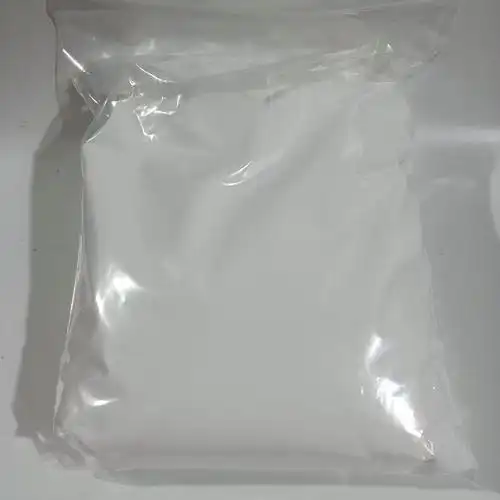
Indole (CAS 120-72-9) is a fundamental heterocyclic aromatic compound utilizing its unique nitrogen-containing bicyclic structure as a core building block in pharmaceutical synthesis and fine perfumery. Chemically identified as 1H-Indole or 2,3-Benzopyrrole, this white to yellowish crystalline flake functions as a potent precursor for the biosynthesis of tryptophan and plant hormones like auxin. While possessing a distinct, heavy odor in high concentrations, it exhibits a pleasant, floral jasmine note when highly diluted, making it an indispensable fixative in the fragrance industry. It is extensively integrated into the production of synthetic Jasmine and Orange Blossom scents, as well as acting as a key intermediate in the manufacturing of anti-inflammatory drugs (e.g., Indomethacin). We ensure bulk supply capabilities for this material, providing access to competitive factory pricing and customized specifications to meet specific purity requirements (typically >99% for Perfumery Grade). Full technical documentation, including MSDS, TDS, COA, is available to support compliance and safety protocols.
Indole CAS 120-72-9
- CAS: 120-72-9
- Synonyms: 1H-Indole, 1-Azaindene, 2,3-Benzopyrrole, Ketole, Benzopyrrole
- Einecs: 204-420-7
- Molecular Formula: C8H7N
- Grade: Industrial Grade / Perfumery Grade
- Package: 25kg/Fiber Drum, lined with plastic bag (or customized per request)
Product Description
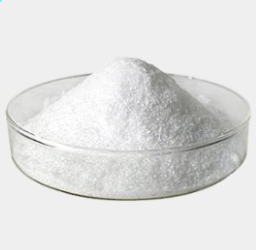
Indole is a solid crystalline substance at room temperature. It is well-known for its unique olfactory properties: in high concentrations, it has a strong, unpleasant odor, but in very low concentrations, it exhibits a pleasant, floral fragrance reminiscent of jasmine and orange blossoms.
As a versatile chemical intermediate, Indole is the precursor to many pharmaceuticals, dyes, and agricultural chemicals. It is produced synthetically to meet the high demands of the perfumery and pharmaceutical sectors.
Physicochemical Properties
| Parameter | Specification (Standard) |
|---|---|
| Appearance | White to shiny flake crystals or powder |
| Assay (GC) | ≥ 99.0% |
| Melting Point | 51.0°C – 54.0°C |
| Boiling Point | 253°C – 254°C |
| Moisture (Water Content) | ≤ 0.5% |
| Residue on Ignition | ≤ 0.1% |
| Solubility | Soluble in hot water, ethanol, ether, and benzene; Almost insoluble in cold water. |
| Flash Point | > 121°C |
| Density | 1.22 g/cm³ |
Applications
Indole is a multi-functional raw material with applications across several industries:
- Fragrances & Flavors:
- Used as a fixative and fragrance ingredient.
- Essential for creating artificial Jasmine, Lilac, Lotus, and Orchid scents.
- Used in the formulation of daily chemical essences (soaps, detergents).
- Pharmaceutical Intermediates:
- A critical precursor for the synthesis of Tryptophan (an essential amino acid).
- Used to manufacture anti-inflammatory drugs like Indomethacin.
- Agriculture:
- Used to synthesize Indole-3-Acetic Acid (IAA) and Indole-3-Butyric Acid (IBA), which are important plant growth regulators.
- Dyes:
- Used in the production of tryptophan-based dyes.
Storage Conditions
- Light Sensitivity: Indole turns red when exposed to light and air (oxidation). Must be stored in light-resistant containers.
- Temperature: Store in a cool, dry area (below 30°C is recommended) to prevent melting or caking.
- Ventilation: Keep the container tightly closed in a well-ventilated place.
- Incompatibility: Keep away from strong oxidizing agents, iron, and strong acids.
Safety Precautions
- Handling: Do not breathe dust/fume/gas/mist/vapors/spray. Use only outdoors or in a well-ventilated area.
- PPE: Wear protective gloves, protective clothing, and eye/face protection.
- Health Hazards:
- Harmful if swallowed or in contact with skin.
- Causes severe eye irritation.
- Toxic to aquatic life with long-lasting effects.
- First Aid:
- Eye Contact: Rinse cautiously with water for several minutes. Remove contact lenses if present and easy to do. Continue rinsing.
- Skin Contact: Wash with plenty of soap and water.
FAQ - Technical & Supply Chain
-
Q:
How does the olfactory profile of Indole CAS 120-72-9 change with concentration?
A: Indole (CAS 120-72-9) exhibits a unique dual-odor profile; in its pure, concentrated form, it has a strong, pungent, mothball-like smell, but upon significant dilution (typically <0.1%), it releases a rich, floral aroma essential for recreating natural Jasmine and Gardenia scents. -
Q:
Is this compound used in pharmaceutical manufacturing?
A: Yes, this material serves as a critical pharmaceutical intermediate, functioning as the structural backbone for the synthesis of various therapeutic agents, including non-steroidal anti-inflammatory drugs (NSAIDs) and beta-blockers.
Documents and Product Support
For product review and sourcing evaluation, supporting documents can be coordinated according to the product type, inquiry stage, and order requirements.
- COA for batch-based quality reference
- TDS for key physical and chemical information
- SDS / MSDS for handling, storage, and safety reference
- Packing information for sample, trial, and bulk orders
- Technical communication based on application and specification requirements
Information to Confirm Before Quotation
Clear sourcing information helps reduce specification mismatch and allows a more accurate quotation before sample or bulk order discussion.
- Product name and CAS number
- Application or intended end use
- Required purity, grade, or specification
- Sample quantity, trial order, or bulk demand
- Preferred packing form or net weight
- Destination country or port
- Required documents or compliance expectations
Packaging, Storage, and Handling Notes
Packaging form, storage conditions, shelf life, and shipment arrangements should be confirmed according to the product characteristics, package size, and destination requirements.
Before order confirmation, buyers are advised to review the corresponding product documents and confirm whether any special storage, labeling, or handling requirements apply.
Sample, Bulk Order and Repeat Supply Support
Support can be arranged for sample discussion, bulk supply planning, packaging confirmation, and routine sourcing communication based on the actual product and order requirements.
For repeat-use formulations or long-term procurement plans, buyers may discuss specification consistency, packaging preferences, delivery expectations, and document coordination in advance.


