










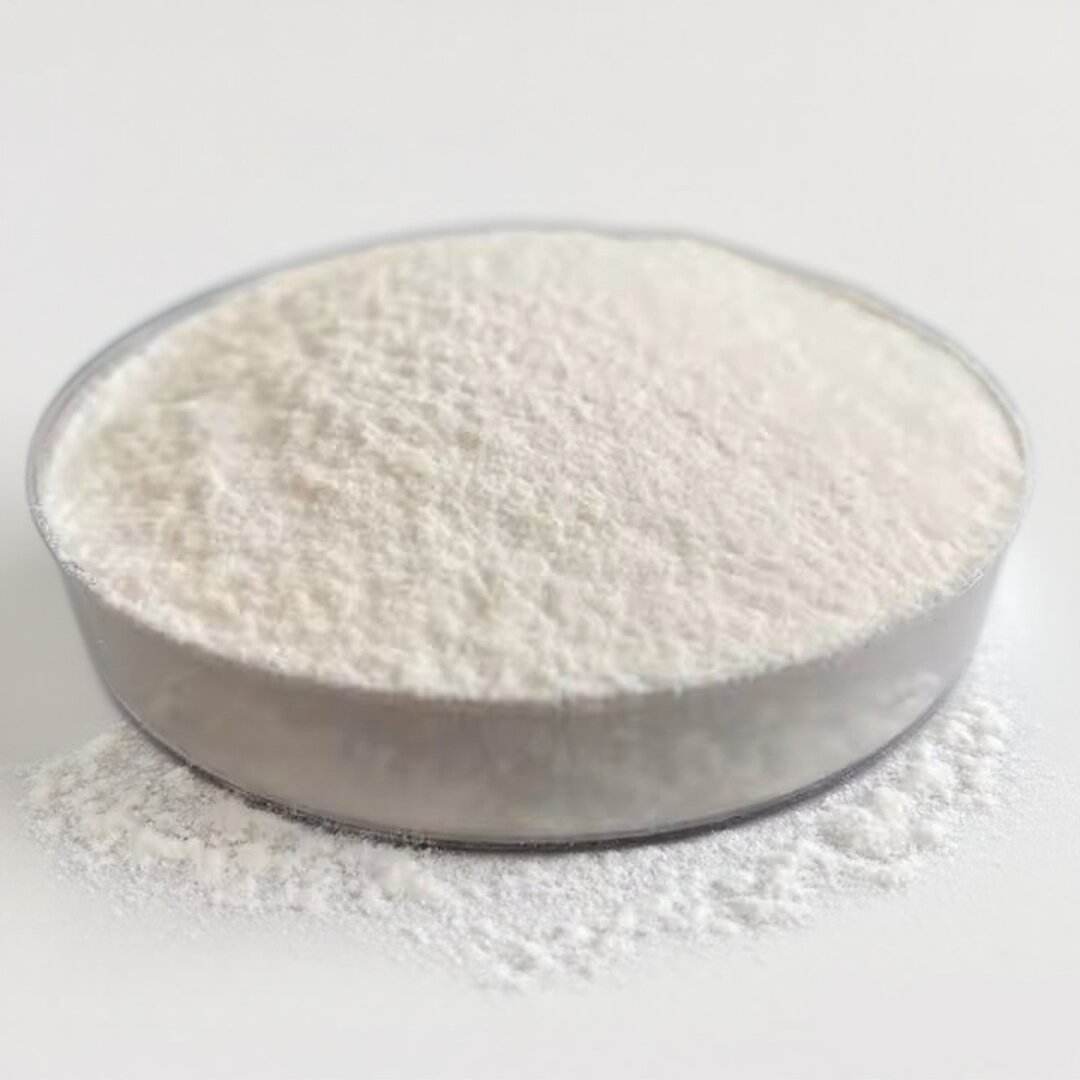
Polyvinyl Alcohol (CAS 9002-89-5), commonly abbreviated as PVA, PVOH, or PVAL, is a water-soluble synthetic polymer utilizing its excellent film-forming and adhesive properties to serve as a versatile binder in industrial applications. Chemically identified as a polyhydroxy polymer, this white (or slightly yellowish) granule/powder acts as a barrier to oils and greases while providing high tensile strength and flexibility. It is available in various degrees of hydrolysis (e.g., Partially Hydrolyzed 87-89% or Fully Hydrolyzed 98-99%) and viscosity, which determine its specific solubility and water resistance. It is extensively integrated into textile sizing (to strengthen yarns), paper coatings, wood adhesives (white glue), and increasingly in construction as a cement additive to improve adhesion and flexibility. Additionally, specialized grades are used for water-soluble packaging films (e.g., detergent pods). We ensure bulk supply capabilities for this material, providing access to competitive factory pricing and customized specifications to meet specific grade requirements . Full technical documentation, including MSDS, TDS, COA, is available to support compliance and safety protocols.
Polyvinyl Alcohol(PVA) CAS 9002-89-5
- CAS: 9002-89-5
- Synonyms: PVA, PVOH, PVAL, Vinyl alcohol polymer, Polyviol, Ethenol homopolymer
- Einecs: 209-008-0
- Molecular Formula: (C₂H₄O)n
- Grade: Industrial Grade (Powder / Granular)
- Package: 25/50 kg bag (standard); Jumbo bag (500–1000 kg) optional
Product Description
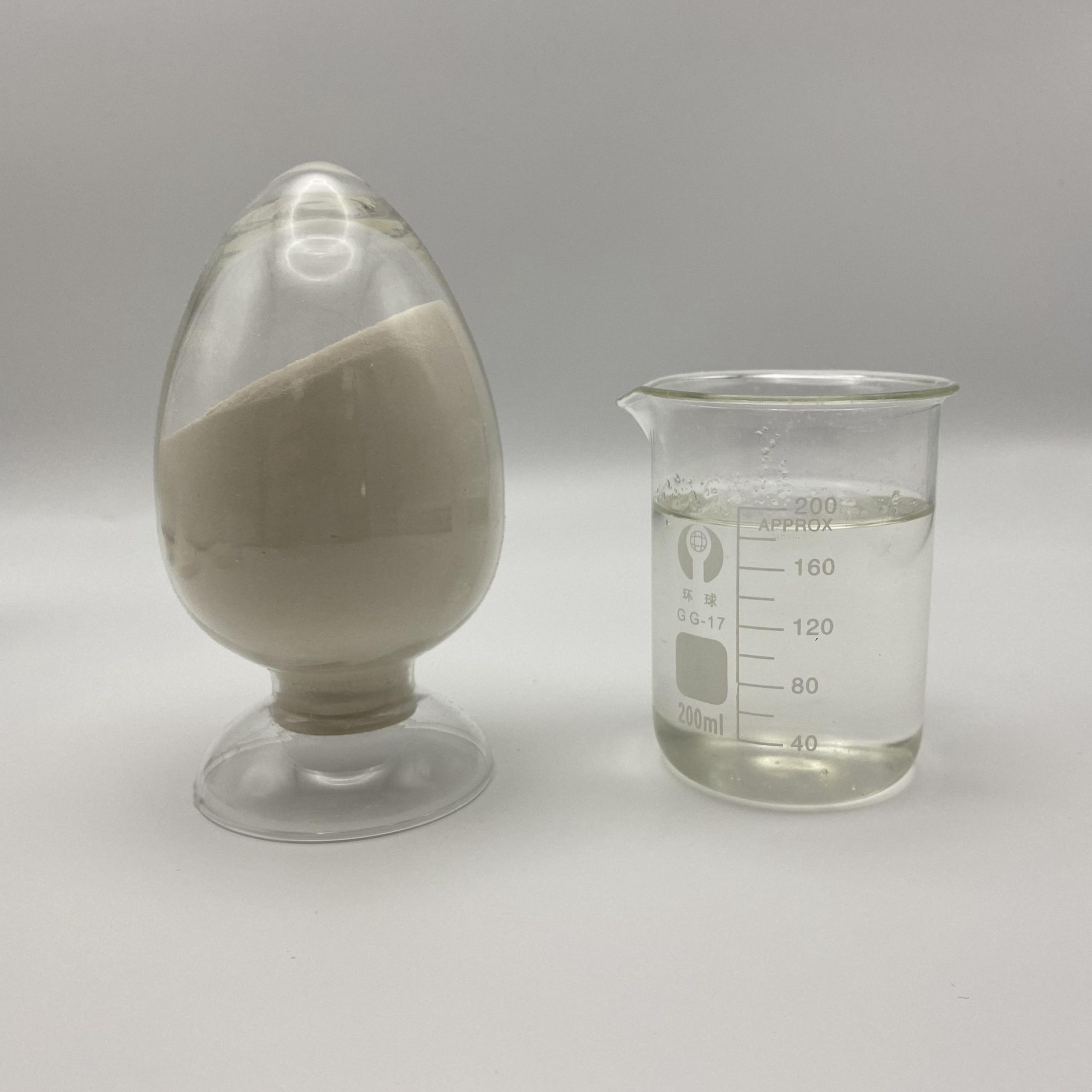
Polyvinyl Alcohol (PVA) is a synthetic hydrophilic polymer produced by hydrolyzing polyvinyl acetate. It appears as a white to off-white powder or granular solid and dissolves in water upon heating, forming clear solutions with excellent film-forming capabilities. PVA is non-toxic, odorless, and exhibits high tensile strength, flexibility, and chemical resistance in formulated products.
Physicochemical Properties (Typical)
These are typical reference values; final specifications should follow your batch COA.
| Item | Typical Specification |
|---|---|
| Appearance | White to off-white powder or granules |
| CAS Number | 9002-89-5 |
| EC / EINECS | 209-008-0 |
| Molecular Formula | (C₂H₄O)n |
| Average Molecular Weight | varies with grade (typically 30,000–150,000+) |
| Degree of Hydrolysis | 80–99% (depending on grade) |
| Solubility | Soluble in hot water; essentially insoluble in most organic solvents |
| pH (aqueous solution) | ~5–7 (neutral to slight acid) |
| Odor | Odorless |
Applications
- Adhesives & coatings: paper, wood, textiles, and specialty paints
- Film & packaging: water-soluble films, PVA bags, laminates
- Construction: cement modifiers, tile adhesives
- Textile industry: warp sizing agent
- Paper processing: surface sizing and strength enhancement
- Ceramics & specialty composites: binder and shaping aid
Storage Conditions
- Store in original sealed packaging in a cool, dry, and ventilated warehouse.
- Avoid moisture, heat, and direct sunlight to prevent caking.
- Keep away from incompatible substances such as strong oxidizers.
- Recommended storage temperature: room temperature.
- Typical shelf life: 12–24 months under proper conditions.
Safety Precautions
- Avoid generating dust; use local exhaust ventilation if airborne dust is present.
- Wear protective gloves, safety glasses and dust mask during handling.
- In case of dust contact with eyes or skin, rinse with water.
- Avoid prolonged inhalation of dust particles; maintain good housekeeping.
- Ensure compatibility with formulation components before use.
FAQ - Technical & Supply Chain
-
Q:
What is the difference between "Fully Hydrolyzed" and "Partially Hydrolyzed" PVA?
A: The degree of hydrolysis affects water solubility and resistance. Partially Hydrolyzed PVA (e.g., 87-89% hydrolysis, like 17-88) is soluble in cold water and is widely used in adhesives and films. Fully Hydrolyzed PVA (e.g., 98-99% hydrolysis, like 17-99) typically requires hot water (approx. 85°C+) to dissolve and offers higher water resistance and tensile strength after drying. -
Q:
How is PVA CAS 9002-89-5 used in the construction industry?
A: In construction, PVA powder is used as an additive in cement-based mortars, tile adhesives, and putties. It improves water retention, workability, and the bond strength of the mortar to the substrate.
Documents and Product Support
For product review and sourcing evaluation, supporting documents can be coordinated according to the product type, inquiry stage, and order requirements.
- COA for batch-based quality reference
- TDS for key physical and chemical information
- SDS / MSDS for handling, storage, and safety reference
- Packing information for sample, trial, and bulk orders
- Technical communication based on application and specification requirements
Information to Confirm Before Quotation
Clear sourcing information helps reduce specification mismatch and allows a more accurate quotation before sample or bulk order discussion.
- Product name and CAS number
- Application or intended end use
- Required purity, grade, or specification
- Sample quantity, trial order, or bulk demand
- Preferred packing form or net weight
- Destination country or port
- Required documents or compliance expectations
Packaging, Storage, and Handling Notes
Packaging form, storage conditions, shelf life, and shipment arrangements should be confirmed according to the product characteristics, package size, and destination requirements.
Before order confirmation, buyers are advised to review the corresponding product documents and confirm whether any special storage, labeling, or handling requirements apply.
Sample, Bulk Order and Repeat Supply Support
Support can be arranged for sample discussion, bulk supply planning, packaging confirmation, and routine sourcing communication based on the actual product and order requirements.
For repeat-use formulations or long-term procurement plans, buyers may discuss specification consistency, packaging preferences, delivery expectations, and document coordination in advance.
Contact Form
Use our contact form to send us your questions, suggestions or comments. We will respond as soon as possible.
Product Categories
Related Products
-
C12-14 Alkyl Dimethyl Amine Oxide Solution -
Laurylamine Dipropylenediamine CAS 2372-82-9 -
Sodium Methoxide / Sodium Methylate CAS 124-41-4 -
Sodium Fluoride CAS 7681-49-4 -
GPE 3000 CAS 9082-00-2 -
Polypropylene Glycol 1000 CAS 25322-69-4 -
Polypropylene Glycol 2000 CAS 25322-69-4 -
AEO-9 / MOA-9 (Fatty Alcohol Ethoxylate 9EO) – CAS 9002‑92‑0


