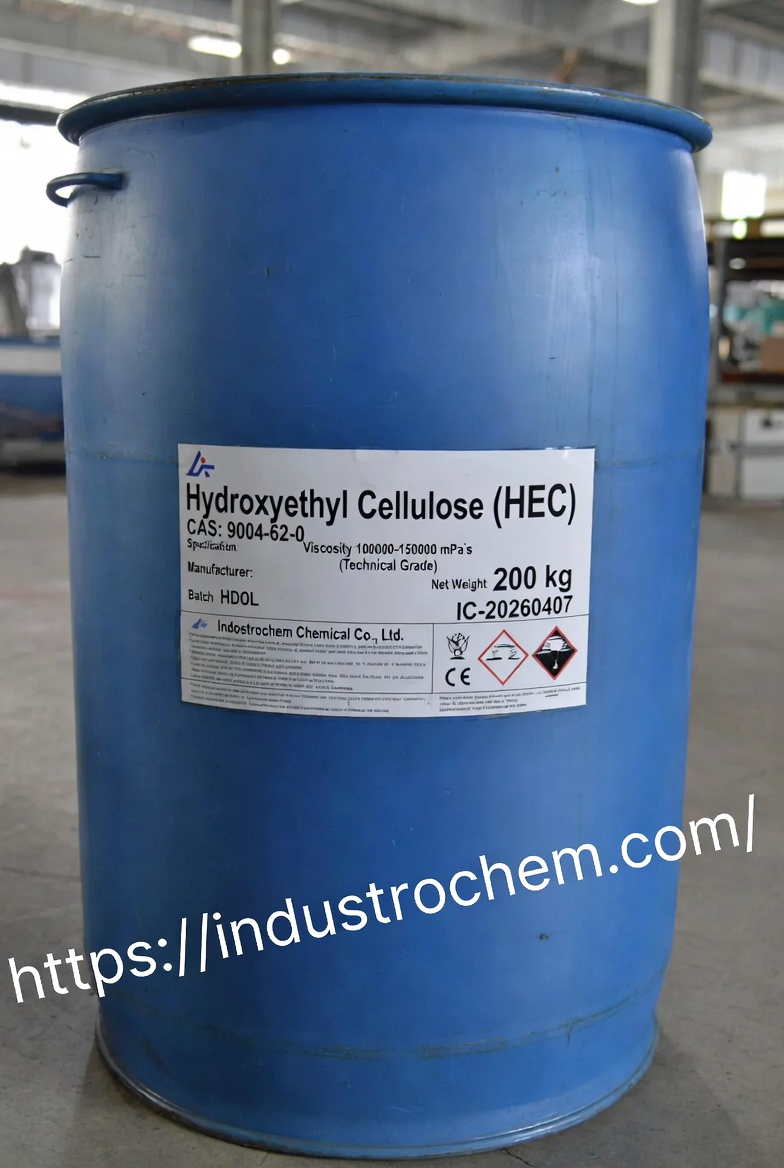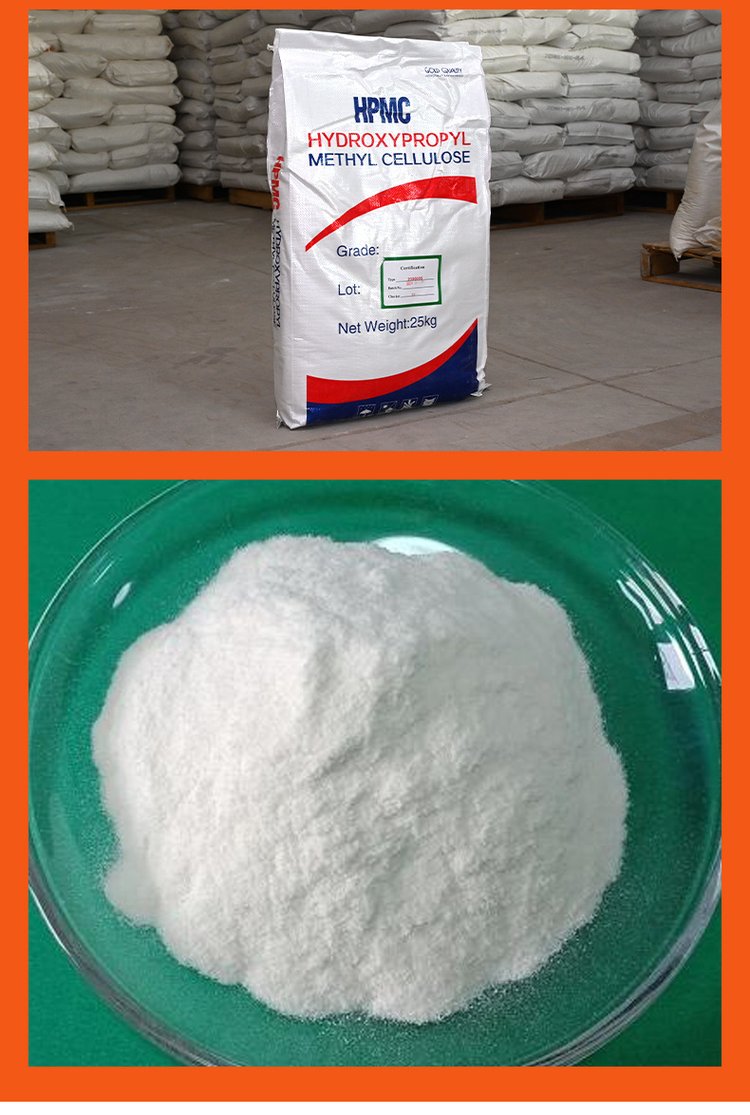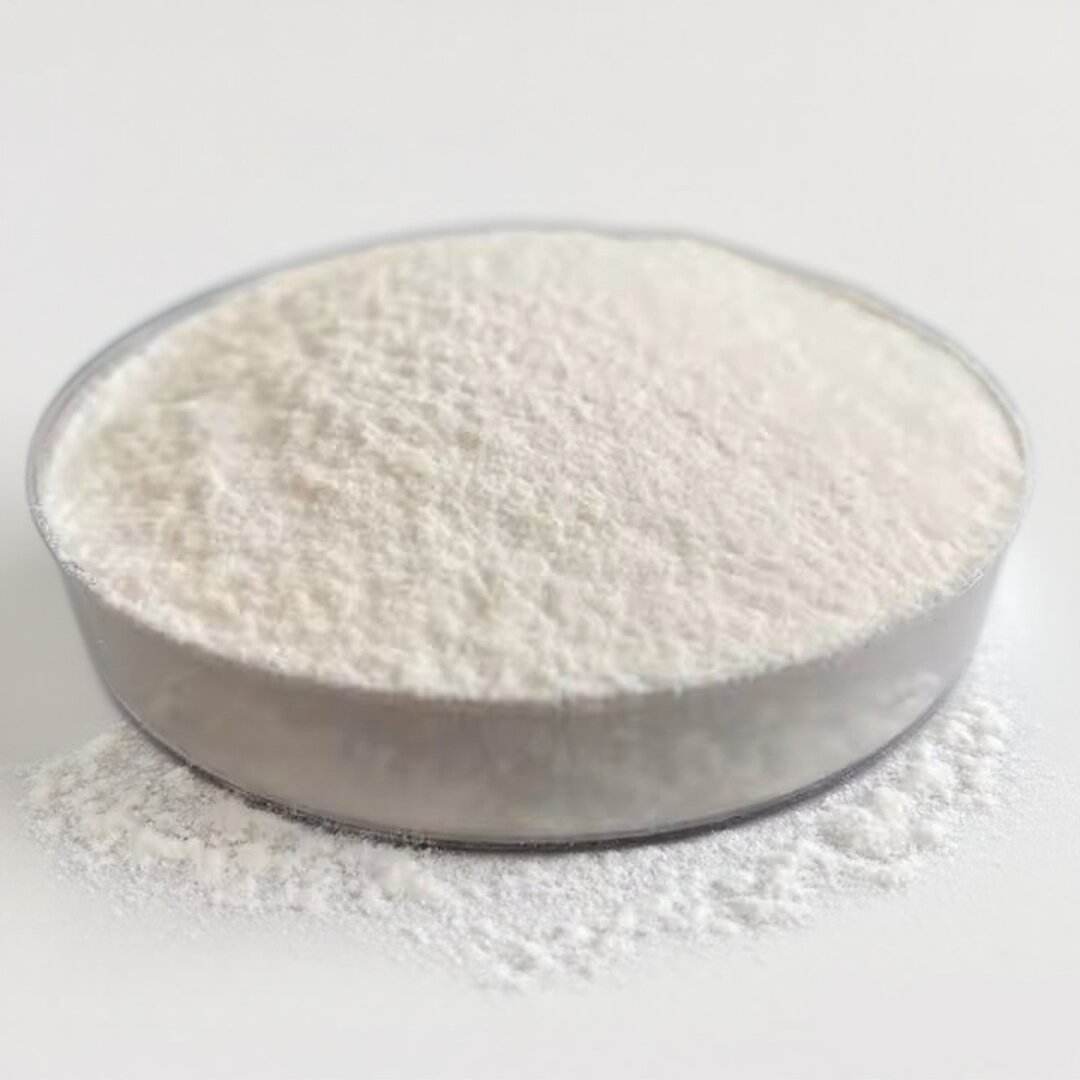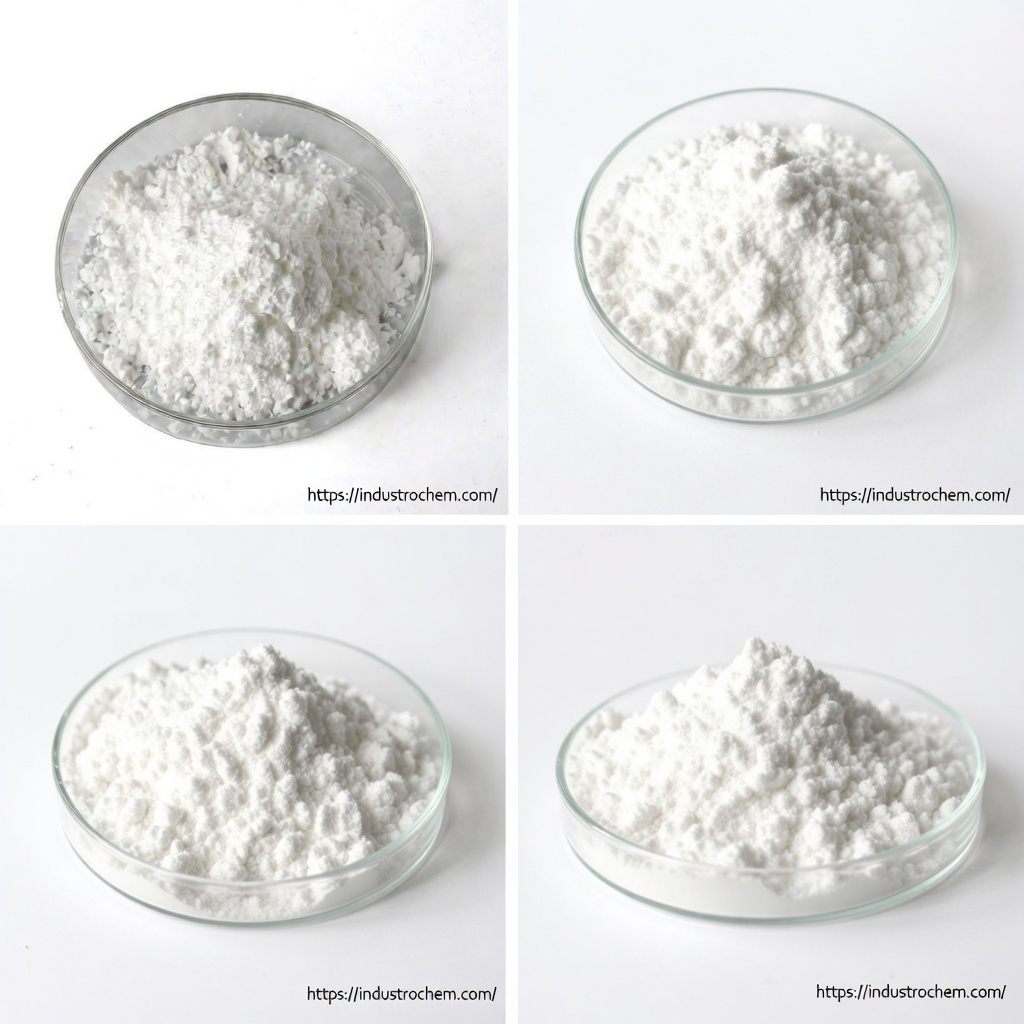










• Carboxymethyl Cellulose CAS 9004-32-4
  • Carboxymethyl Cellulose CAS 9004-32-4

Carboxymethyl Cellulose CAS 9004-32-4

Carboxymethyl Cellulose (CAS 9004-32-4), industrially known as Sodium CMC, is an anionic water-soluble polymer utilized primarily as a rheology modifier and fluid loss controller in oil drilling fluids and ceramic formulations. This versatile Carboxymethylcellulose sodium functions as a high-performance thickening agent and binder, forming a protective colloid that enhances suspension stability and water retention in aqueous systems. Chemically distinct as a CMC-Na ether derivative, it provides superior film-forming properties and anti-redeposition capabilities compared to non-ionic cellulose grades, making it a critical Sodium carboxymethyl cellulose component for paper coating and detergent manufacturing. We provide this industrial-grade polymer with competitive factory pricing to support drilling mud and chemical processing operations, ensuring bulk supply availability for high-volume consumption. Our manufacturing lines accommodate customized specifications for viscosity (LV/HV) and substitution degree, while every shipment is fully documented with MSDS, TDS, COA files to meet technical and safety standards.

  • CAS: 9004-32-4
  • Synonyms: Sodium CMC, CMC-Na, Sodium Carboxymethyl Cellulose, Carboxymethylcellulose Sodium, Cellulose Gum
  • Einecs: 618-378-6
  • Molecular Formula: C₆H₇O₂(OH)₂CH₂COONa
  • Grade: Industrial grade
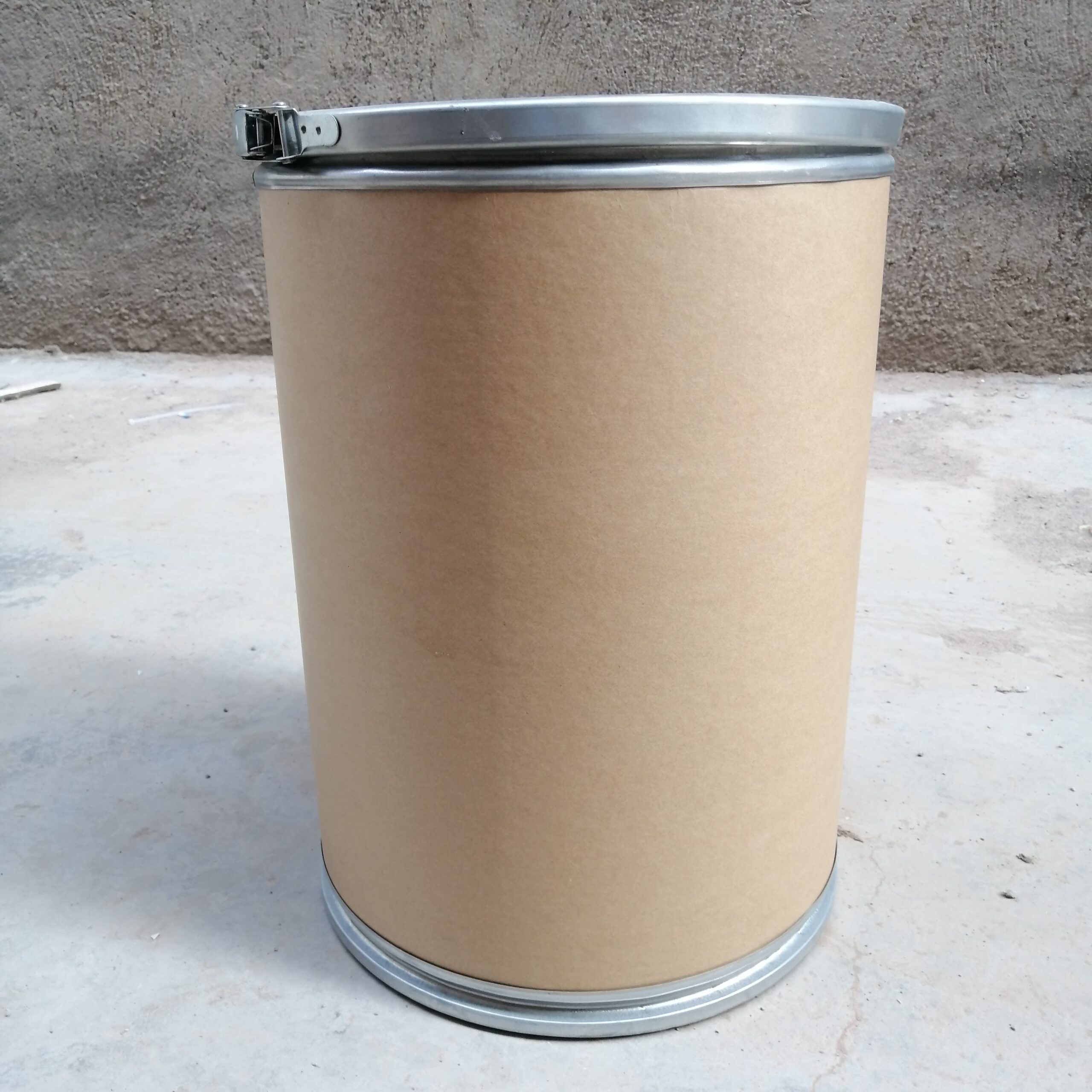
  • Package: 25 kg kraft paper bags with inner PE liner; jumbo bags or palletized loads available for bulk shipments

Request a quote
Share:

Product Description

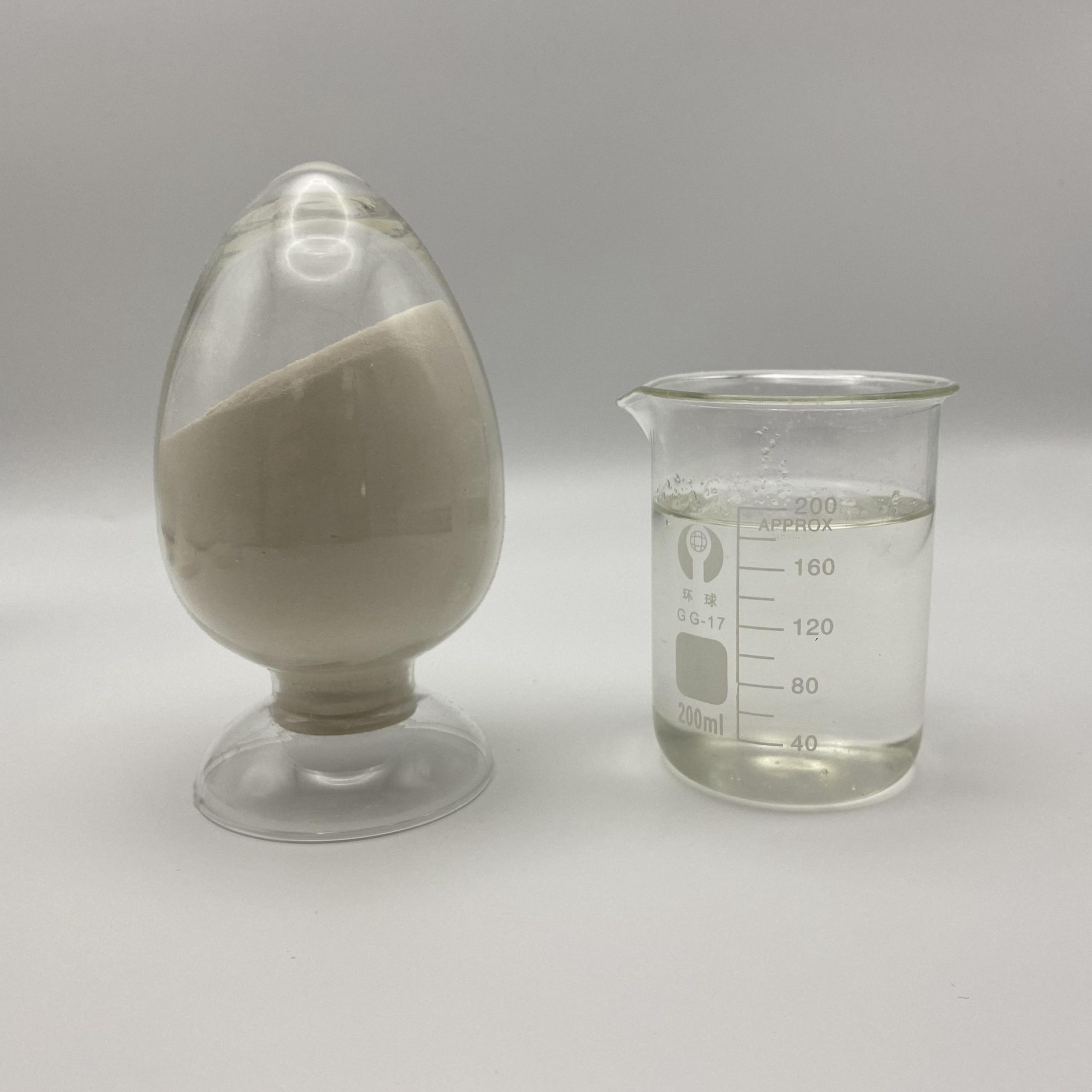
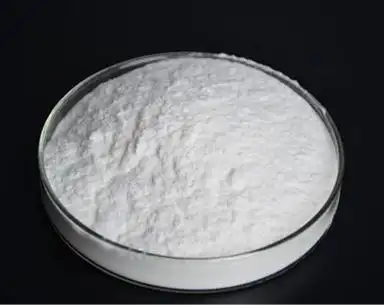
Carboxymethyl Cellulose (CMC-Na) is a water-soluble anionic cellulose ether supplied as a white to off-white powder. It dissolves in cold or hot water to form clear, viscous solutions and is widely used as a thickener, stabilizer, water-retention agent and binder in food, pharmaceutical and industrial formulations.

We offer sodium carboxymethyl cellulose with different viscosity ranges and purity levels to fit detergents, ceramics, oilfield, coatings, paper, food and pharma applications.

📧 Email: info@industrochem.com for COA, SDS, samples and grade recommendations.

Physicochemical Properties

(Typical reference values; exact specification can be adjusted according to your purchasing standard.)

ItemTypical Value
AppearanceWhite to light yellow powder
OdorOdorless
Assay (active CMC-Na)≥ 99.0–99.5%
Chemical natureSodium salt of carboxymethyl cellulose
Degree of substitution (DS)~0.7–1.2
Molecular weightVariable (polymeric)
Viscosity (1% aq. solution)Approx. 400–1200 mPa·s
pH (1% aq. solution)6.0–8.0
SolubilitySoluble in water; insoluble in most organic solvents
Density (true)~1.6 g/cm³
Bulk density (loose powder)Approx. 0.5–0.7 g/cm³
Moisture (loss on drying)≤ 8.0 %
Melting / decomposition point~260–280 °C (decomposes)
Shelf lifeAbout 2 years

Applications

1. Detergent and household cleaning

  • Anti-redeposition agent in powder detergents, preventing soil from re-depositing on fabric.
  • Thickener and stabilizer in liquid detergents, dishwashing liquids and cleaners.

2. Ceramics, tiles and construction materials

  • Binder and plasticizer in ceramic bodies and glazes to improve green strength and surface quality.
  • Water-retention aid in cement-based or gypsum-based dry-mixes (together with other cellulose ethers).

3. Oilfield drilling and completion fluids

  • Viscosifier for water-based drilling muds.
  • Fluid-loss reducer forming a thin, low-permeability filter cake on borehole walls.

4. Paper, textile and printing

  • Surface sizing and coating additive to enhance paper strength and printability.
  • Thickener in textile printing pastes, helping pigment dispersion and pattern definition.

5. Food and beverage (food-grade CMC, E466)

  • Thickener, stabilizer and mouthfeel improver in dairy products, beverages, sauces and bakery fillings.
  • Water-binding agent to reduce syneresis and improve freeze–thaw stability.

6. Pharmaceutical and personal care

  • Binder and disintegrant in tablets and capsules.
  • Thickener and stabilizer in toothpaste, oral care gels, creams and lotions.

7. Other industrial uses

  • Used in water-based paints, adhesives, agricultural formulations and various specialty chemicals for viscosity control and suspension stabilization.

Storage Conditions

  • Store in original, tightly closed bags in a cool, dry and well-ventilated warehouse.
  • Keep away from rain, humidity and sources of heat; recommended storage temperature is generally below 30–40 °C.
  • Avoid direct sunlight and strong odors; do not store together with toxic or strongly corrosive chemicals, especially for food/pharma grades.
  • Prevent package damage and product caking during transport and storage.
  • Under proper storage conditions, typical shelf life is about 2 years from production date; use on a first-in, first-out basis.

Safety Precautions

According to multiple SDS documents, sodium carboxymethyl cellulose is not classified as a hazardous substance under common GHS/CLP systems, but normal industrial hygiene should always be followed.

  • Dust control:
    • Avoid generating excessive dust when charging or transferring powder.
    • Provide local exhaust ventilation in dusty areas.
    • CMC dust can form combustible dust–air mixtures; avoid ignition sources and follow good housekeeping to prevent dust accumulation.
  • Personal protection:
    • Wear safety glasses or goggles to protect eyes from dust.
    • Use dust masks or particulate respirators (e.g., P2/P3) if airborne dust concentration is high.
    • Wear gloves and work clothing to minimize skin contact.
  • First aid measures:
    • Inhalation: Move to fresh air; seek medical advice if irritation persists.
    • Eye contact: Rinse with plenty of clean water for several minutes; consult a doctor if discomfort continues.
    • Skin contact: Wash with water and soap; normally not irritating.
    • Ingestion: Rinse mouth with water; drink water; seek medical advice if large amounts are swallowed.
  • Spill and disposal:
    • Sweep up or vacuum spilled material without raising dust; collect in closed containers.
    • Avoid discharge of large quantities into drains; dispose of in accordance with local regulations as non-hazardous organic waste.

FAQ - Technical & Supply Chain

  • Q:

    How does CAS 9004-32-4 differ from non-ionic cellulose ethers like HPMC?

    A: CAS 9004-32-4 identifies Carboxymethyl Cellulose as an anionic polyelectrolyte derived via carboxymethylation, which gives it unique high-solubility and charge-dependent properties distinct from non-ionic ethers like Hydroxypropyl Methylcellulose.
  • Q:

    Is this polymer available in different viscosity grades for drilling applications?

    A: Yes, this material is typically manufactured in a range of viscosity grades (Low Viscosity to High Viscosity) to meet specific fluid loss control and rheology requirements in drilling mud formulations.
Documents

Documents and Product Support

For product review and sourcing evaluation, supporting documents can be coordinated according to the product type, inquiry stage, and order requirements.

  • COA for batch-based quality reference
  • TDS for key physical and chemical information
  • SDS / MSDS for handling, storage, and safety reference
  • Packing information for sample, trial, and bulk orders
  • Technical communication based on application and specification requirements
Quotation

Information to Confirm Before Quotation

Clear sourcing information helps reduce specification mismatch and allows a more accurate quotation before sample or bulk order discussion.

  • Product name and CAS number
  • Application or intended end use
  • Required purity, grade, or specification
  • Sample quantity, trial order, or bulk demand
  • Preferred packing form or net weight
  • Destination country or port
  • Required documents or compliance expectations
Storage & Handling

Packaging, Storage, and Handling Notes

Packaging form, storage conditions, shelf life, and shipment arrangements should be confirmed according to the product characteristics, package size, and destination requirements.

Before order confirmation, buyers are advised to review the corresponding product documents and confirm whether any special storage, labeling, or handling requirements apply.

Supply Support

Sample, Bulk Order and Repeat Supply Support

Support can be arranged for sample discussion, bulk supply planning, packaging confirmation, and routine sourcing communication based on the actual product and order requirements.

For repeat-use formulations or long-term procurement plans, buyers may discuss specification consistency, packaging preferences, delivery expectations, and document coordination in advance.

Contact Form

Use our contact form to send us your questions, suggestions or comments. We will respond as soon as possible.